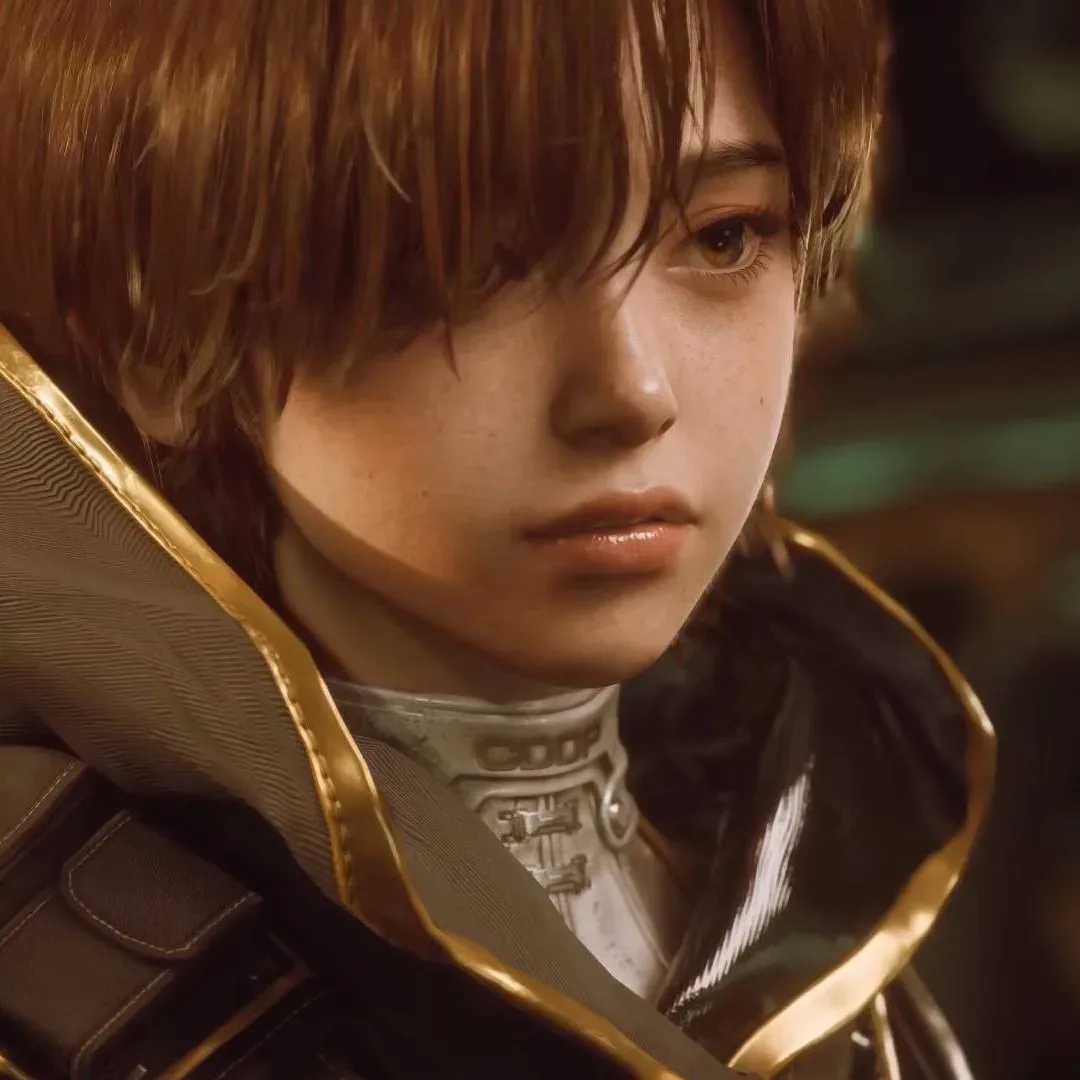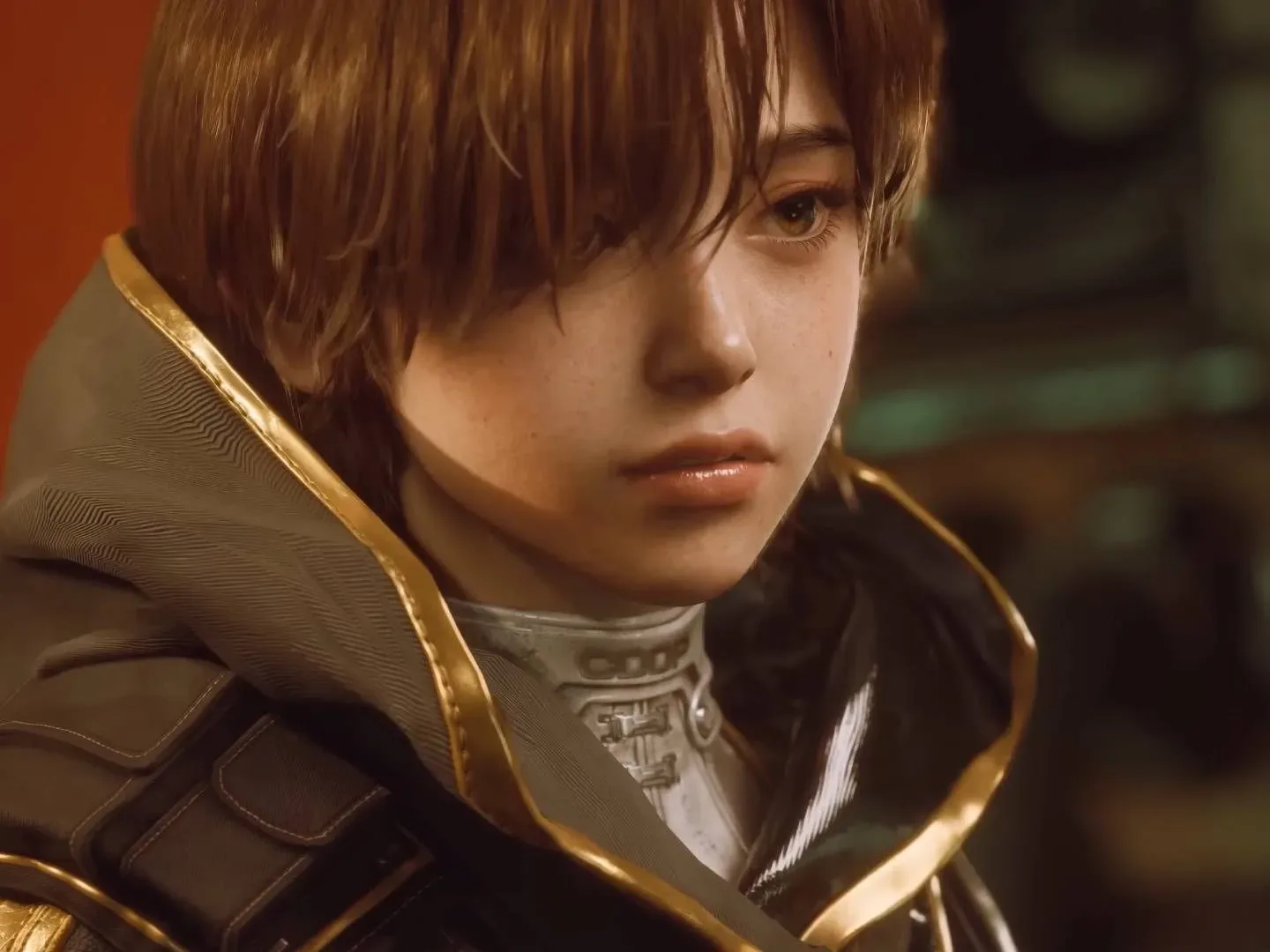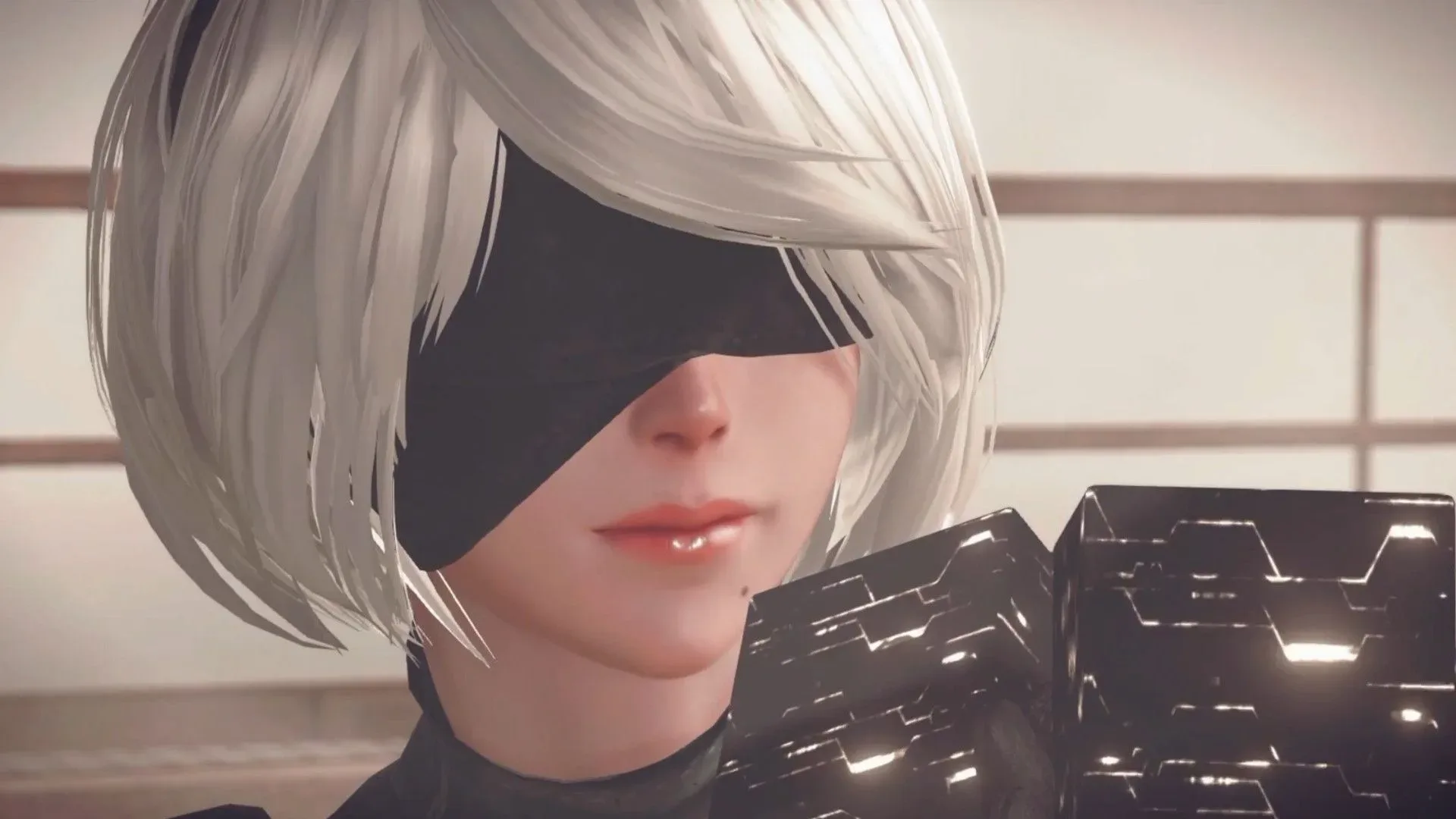

Shift Up has offered a compact but notable status update on Stellar Blade: Blood Rain: the game is still in development, the studio says it is moving toward its intended quality threshold, and further information will be shared gradually rather than all at once.
The update came in a financial briefing, where the company described its approach as allowing enough development time to pursue the “highest level of completeness.” That wording does not establish a release date, confirm specific game systems, or promise that a reveal is imminent. It does, however, communicate the studio’s stated priority: reaching its internal quality target before putting the game in front of players.
“Development of Stellar Blade: Blood Rain is progressing toward our target quality level under the principle of securing sufficient development time to deliver the highest level of completeness,” Shift Up said. “We plan to disclose information about the game in stages.”
For fans waiting for concrete news, the practical takeaway is patience. “In stages” suggests a controlled rollout of details, but it does not tell us what the next item will be or when it will arrive. Until Shift Up specifies otherwise, it would be premature to read the statement as confirmation of a trailer, a launch window, gameplay footage, or a particular platform plan.
A celebrity studio visit made the investor update unusual
The more unexpected part of Shift Up’s briefing was its disclosure that The Weeknd recently visited the company’s headquarters during a trip to Korea. Shift Up says the musician toured the development floor, played the work-in-progress build firsthand, and expressed affection for Stellar Blade.
That is an unusual detail to appear alongside a development-status answer aimed at investors. Such briefings commonly focus on plans, business performance, production timing, and risk. Here, Shift Up presented the visit as evidence that Stellar Blade is becoming a global intellectual property—often shortened to IP—with recognition that extends outside the conventional games audience.
An IP, in this context, means the identifiable creative property around a game: its name, setting, characters, and wider brand identity. Shift Up’s argument is not that a celebrity visit changes the game itself. Rather, it sees the visit as a signal of cultural visibility. The company said it will work to make Blood Rain worthy of that interest.
“This shows that Stellar Blade is establishing itself as a global IP drawing attention beyond gaming into the wider cultural sphere,” Shift Up said.
Related coverage includes The Weeknd Plays Stellar Blade: Blood Rain as Shift Up Promises a Measured Road to Release.
Celebrity interest should be understood for what it is: a visibility moment, not a substitute for a substantive product update. The briefing does not disclose what portion of the game The Weeknd played, how far along that build was, what feedback was given, or whether the visit is connected to any future collaboration. It also does not establish any new feature, content, or commercial arrangement.
Still, it is a memorable indication of how game properties can travel across entertainment circles. Music stars, actors, athletes, and creators can all bring attention to games simply by being publicly associated with them, whether or not that association results in a formal partnership. That overlap between games and celebrity culture has become increasingly visible across entertainment coverage, including stories such as Megan Thee Stallion’s television return.
What Shift Up’s development language does—and does not—mean
The central message from Shift Up is cautious. “Target quality level” is an internal benchmark, not a measurable public promise. Studios use these targets to describe the standard they believe a project needs to meet in areas that can include performance, design, presentation, stability, and overall polish. Shift Up did not break down which areas are currently being refined, so none should be assumed.
Likewise, “sufficient development time” is a commitment of intent rather than a timetable. It suggests the company does not want to compress production merely to produce a quicker update or release. But it does not clarify whether the game is early, middle, or late in development, nor does it tell audiences how long the remaining work may take.
This distinction matters because a studio can be progressing steadily while still withholding major details. A work-in-progress build being playable for a guest is not the same as a consumer-ready release candidate. Development builds can be used at many points in production, and Shift Up has provided no public information here that would allow readers to place this one on a precise timeline.
Why staged disclosure can be useful
Revealing information “in stages” gives a developer flexibility. A studio can wait until a particular asset, system, or presentation is ready to show instead of setting expectations around material that may later change. It can also prevent a game’s public identity from being defined too early by incomplete footage or a single isolated feature.
There is a tradeoff. Limited detail leaves an information gap that fans may try to fill with assumptions. In this case, the responsible reading is narrow: Shift Up says work is advancing, it says quality and completeness are the priority, and it intends to provide future information progressively. Anything beyond that—including release timing or the exact content of the game—remains unconfirmed in this update.
The larger issue is expectation management
Shift Up’s comments place expectations in a deliberate order. First comes the quality target. Second comes the promise of eventual, staged communication. The Weeknd’s visit then adds a high-profile sign of interest around the brand. Together, those elements create momentum, but they do not replace the detailed development information players will ultimately want.
That is especially important when a company frames a sequel or follow-up as a major global IP effort. Greater attention can be valuable, but it raises scrutiny too. Fans may expect clearer communication, stronger production values, and a release that fulfills the identity built around the earlier Stellar Blade name. Shift Up has explicitly acknowledged the interest and said it intends to develop Blood Rain accordingly.
The report also references prior discussion around artificial intelligence. Shift Up leadership has said concerns are being taken seriously while describing the technology as influential in game development. The current update does not explain how AI is being used on Stellar Blade: Blood Rain, what concerns were raised, or whether any specific production practice has changed. Those unanswered questions should remain unanswered rather than being filled in with speculation.
What to watch for next
For now, the most meaningful future update would be one that turns broad language into specifics. That could mean a clearer development milestone, a look at the game itself, an explanation of its design direction, or timing information. Shift Up has only promised that information will arrive in stages, so the format and schedule of those disclosures are still unknown.
In the meantime, The Weeknd’s reported visit is an eye-catching cultural footnote to a restrained business update. It may help reinforce Shift Up’s view that Stellar Blade has relevance beyond its immediate game audience. But the real test of that ambition will be the eventual public showing of Stellar Blade: Blood Rain—and whether its completed form meets the quality standard the studio says it is protecting.