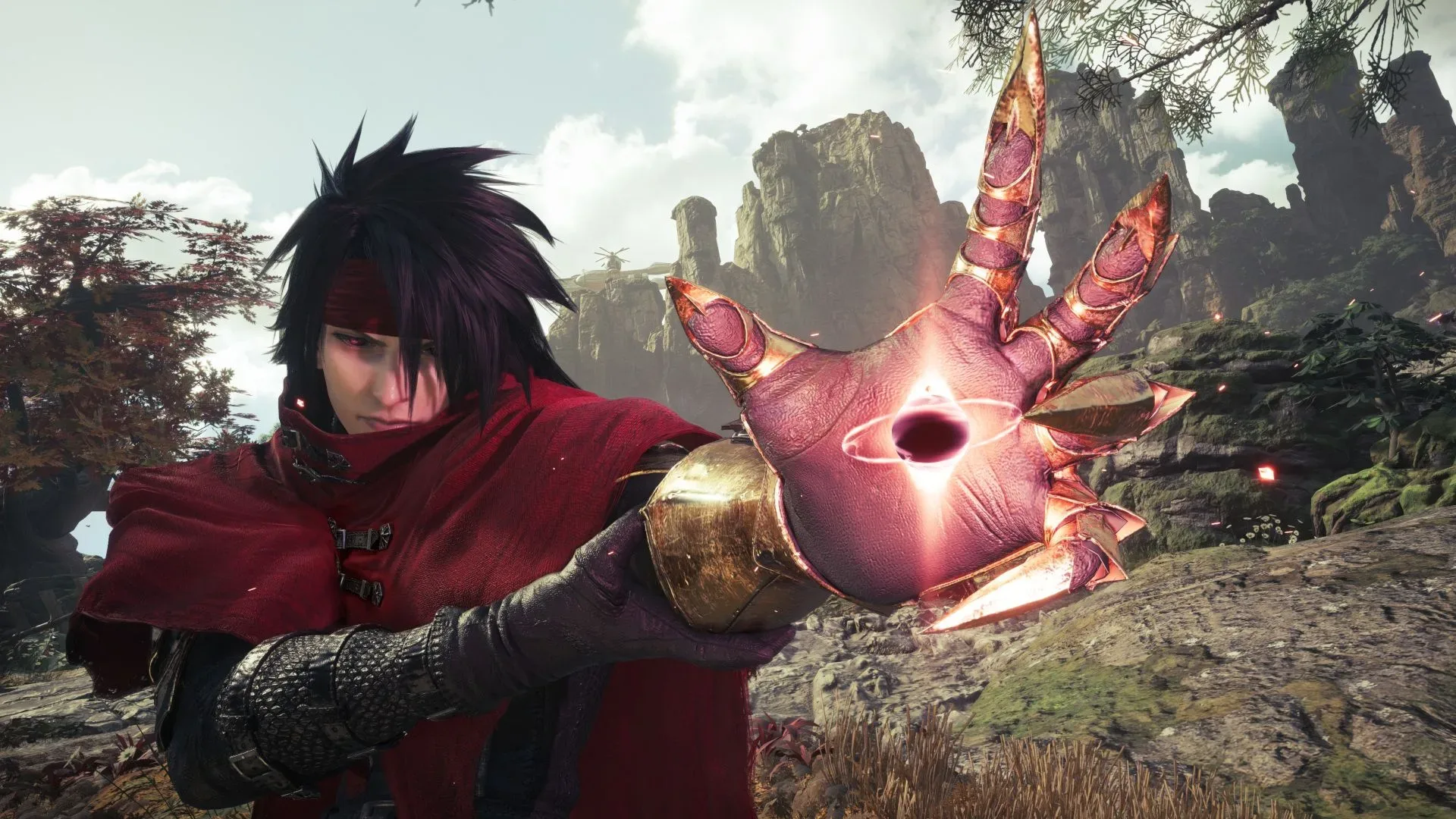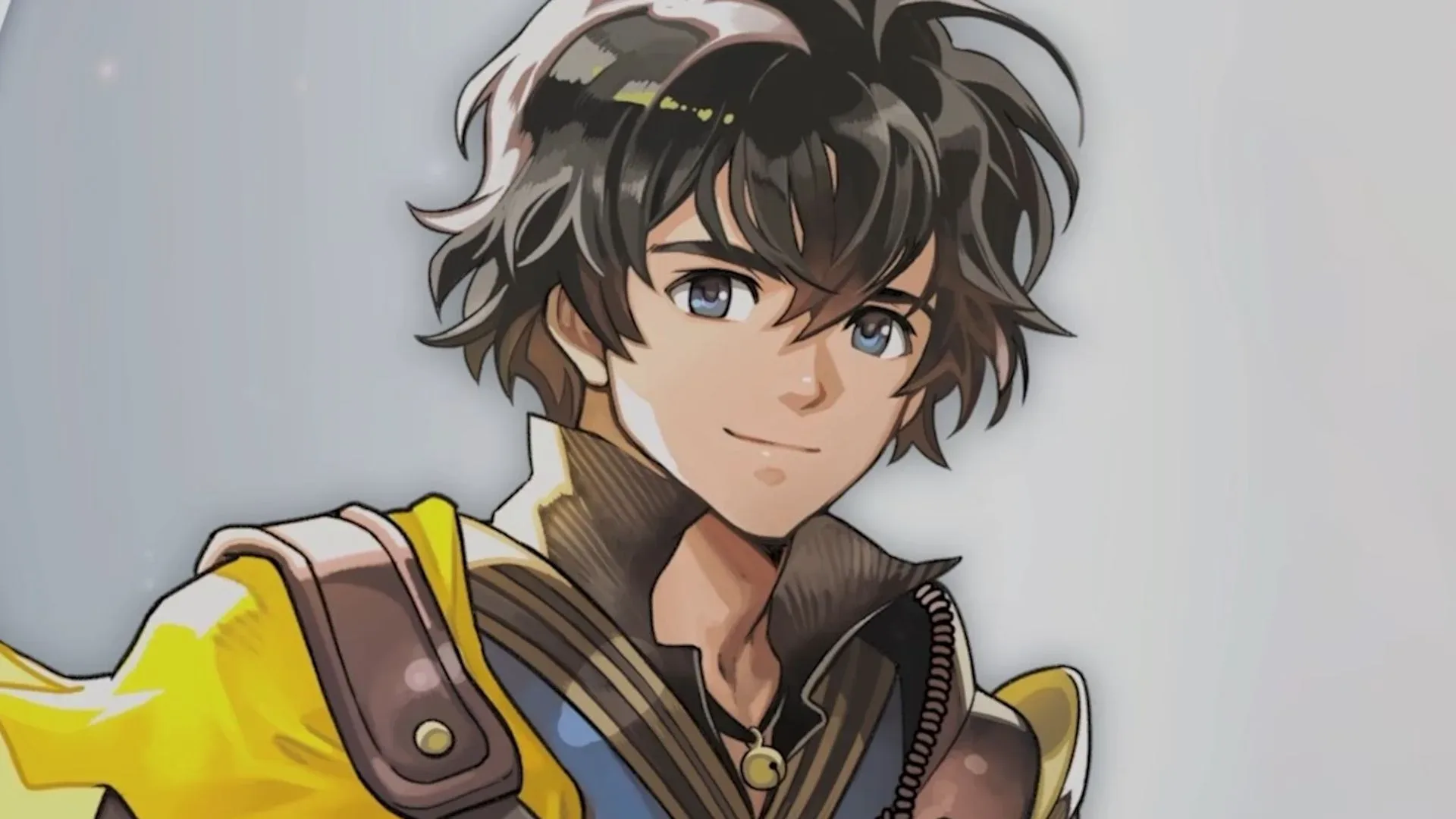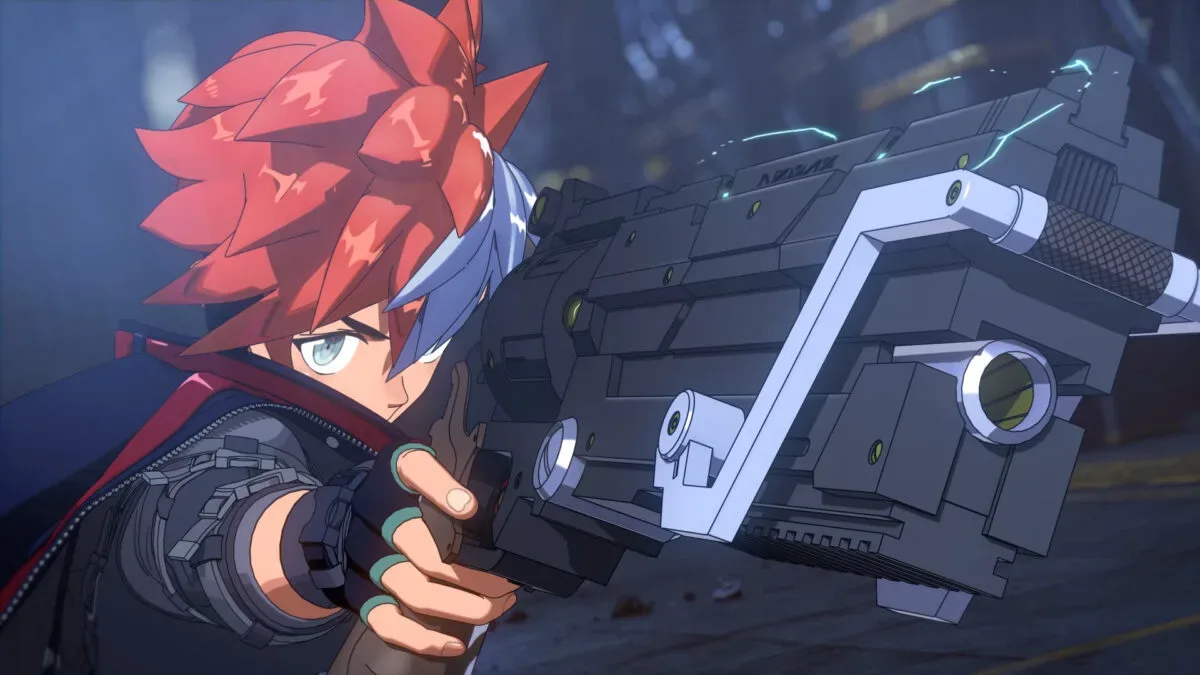
Armed Fantasia, the fantasy-western JRPG positioned as a spiritual successor to Wild Arms, appears to have been discontinued. The clearest indication comes not from a development update, but from a financial statement by Digital Bros, the parent company of 505 Games. The document identifies the company as a previously unannounced publishing partner on the project and indicates that it is no longer involved.
The wording matters: the statement characterizes Armed Fantasia as discontinued following a review of each product’s potential, changing market conditions and the additional investment needed. That is a serious signal that work on the game has stopped, rather than a routine delay or a quiet reduction in scope. Still, there has not been a separate public statement from WILD BUNCH Productions laying out the project’s next steps, so the precise status of the team, its work, and its obligations should be treated carefully.
For backers, the development is especially difficult because Armed Fantasia began as one half of an unusually ambitious crowdfunding effort. In 2022, WILD BUNCH Productions launched a joint campaign for two projects designed by veterans associated with beloved but dormant JRPG series: Armed Fantasia, drawing from the fantasy-western identity of Wild Arms, and Penny Blood, a gothic follow-up in the spirit of Shadow Hearts. The campaign raised more than $2 million, but the developers had also been candid that the money would be divided between two games and was intended to fund demonstrations that could help secure traditional publishing investment.
What the financial statement establishes
The Digital Bros document establishes two important points. First, 505 Games’ parent company had been the publisher supporting Armed Fantasia behind the scenes. Second, that relationship has ended, with the project included among products that were discontinued after an internal assessment.
For more context, explore Godzilla Minus Zero First Reactions Hail a Bigger, More Emotional Kaiju Sequel.
In games publishing, a publisher is often more than a logo on a trailer. Depending on an agreement, it can supply development funding, production support, marketing, distribution planning, quality assurance resources, and platform or release coordination. A project can be at a meaningful stage of development and still depend on future publisher funding to complete the game. When the publisher concludes that further investment is not justified, continuation becomes much harder unless the developer finds replacement financing or can substantially rethink the project.
The statement’s reference to “changing market conditions” and “additional investment required” does not identify one single cause. It does not, for example, say that a particular build failed, that the team stopped working, or that a replacement partner is impossible. It describes a business decision based on the outlook for the product and the cost needed to keep it moving. That distinction is important: the available information supports concern that Armed Fantasia has ceased development, but it does not provide a complete postmortem.
Digital Bros also identified two other projects it was dropping: the action RPG The Directorate: Novitiate and a planned follow-up to the World War II free-to-play game Battle Island. Their inclusion gives context to the decision. Armed Fantasia appears to be part of a broader portfolio reassessment, not an isolated public dispute between a publisher and the development team.
Related coverage includes Armed Fantasia Appears Discontinued as Publisher Documents Surface.
A quiet publisher relationship had already shaped communication
Public updates for Armed Fantasia and Penny Blood had been intermittent. In a post last March, producer Akifumi Kaneko said a build had been sent to an unnamed publisher. He acknowledged that the lack of information was frustrating, while explaining that the team was then subject to contractual limits connected to the publisher and that the publisher had supported development to that point.
That earlier explanation now reads differently in light of the financial statement. It suggests that the limited communication was connected to an active publishing arrangement, rather than necessarily indicating that nothing was happening. It also helps explain why the identity of the partner was not widely established before now.
Contractual confidentiality is common during development, particularly where a publisher is evaluating a build, funding production, or preparing plans that have not been announced. But it can create a harsh information gap for crowdfunding backers. Backers may have directly financed a project’s early phase while being unable to see the negotiations, milestones, or funding decisions that determine whether the project can reach release.
The key point is not that crowdfunding failed to raise money. It is that the campaign’s funding was framed as a route to prototypes and a publishing deal, meaning the project’s later survival still depended on conventional financing.
Why the original crowdfunding total was not a full-production guarantee
More than $2 million is a major crowdfunding total, particularly for a campaign centered on successors to older JRPG properties. It is not, on its own, a guarantee that two role-playing games can be completed and released. WILD BUNCH Productions had explained that the campaign money would be stretched across both projects and used to develop demos to attract additional funding.
A demo in this context is not simply a consumer trial released shortly before launch. It can also be a development sample intended to demonstrate a game’s visual direction, systems, tone, and production capability to potential business partners. For Armed Fantasia, that bridge between crowdfunding and publishing appears to have been central to the plan from the beginning.
That model offers clear opportunities. Crowdfunding can show that there is an audience for a series-inspired project that might otherwise be considered too niche. It can provide seed money, prove community interest, and give experienced creators a chance to present a tangible concept rather than a pitch alone. Yet it also leaves the project exposed if later financing changes course. The initial campaign can make the first step possible without covering every subsequent step.
Armed Fantasia’s apparent discontinuation is therefore a reminder of the difference between a successful campaign and a completed game. The campaign exceeded its initial goal, but its stated function was to help establish a basis for further investment. If that later investment is withdrawn, the original success does not automatically supply the resources needed to finish the work.
What this means for Armed Fantasia backers
At present, the evidence points to a major setback and likely cessation of development under the Digital Bros arrangement. It does not answer every practical question that backers may have, including whether WILD BUNCH Productions will seek another partner, whether any work can continue in another form, or what communications and obligations may follow.
The safest reading is narrower than either extreme: Armed Fantasia should not be treated as having a secure path to release, but the available material also does not document every possible outcome for the project’s assets, team, or future funding efforts. The publisher’s assessment describes a discontinued product; it does not provide a detailed public roadmap for what happens afterward.
For anyone following the project, the most useful distinction is between confirmed information and understandable speculation. Confirmed: Digital Bros had been involved as the publisher, the company now says its participation has ended, and Armed Fantasia was listed as discontinued. Unconfirmed: a new publisher, a resumed development plan, a new release window, or a formal cancellation statement directly from the developers.
This uncertainty also illustrates why games can go quiet after a build reaches a publisher. A build is an important milestone, but it is not equivalent to a finalized publishing commitment that will survive every business review. Development may continue, be reevaluated, require more funding, or end, often with few public details until a company’s filings or a later announcement reveal the decision.
Penny Blood’s position remains unknown
The situation leaves Penny Blood in a separate and unresolved position. It shared the 2022 crowdfunding campaign with Armed Fantasia and was conceived as a successor to Shadow Hearts, but the Digital Bros statement identified Armed Fantasia rather than confirming an outcome for Penny Blood.
That absence should not be read as confirmation that Penny Blood is safe, discontinued, or attached to the same publisher arrangement. The only supported conclusion is that its current status is unclear. Armed Fantasia had appeared further along of the two projects, which makes the uncertainty surrounding Penny Blood particularly notable, but apparent progress is not a substitute for a formal update.
The two projects were linked by their campaign and by WILD BUNCH Productions’ larger effort to revive the sensibilities of dormant JRPG series through veteran creators. Their funding and publishing circumstances, however, may not be identical. Until the team provides a clearer update, treating Penny Blood’s fate as decided would go beyond the evidence.
The broader publishing pressure behind a familiar disappointment
The immediate story is about Armed Fantasia, but it also captures a recurring risk facing crowdfunded games. Crowdfunding can create a direct relationship between creators and an audience, yet it does not remove the production, financing, and market risks that affect conventional game development. In some cases, it adds another layer of accountability because backers are waiting on a project whose final financing may still rely on outside companies.
WILD BUNCH Productions’ original plan was transparent about the need for more money beyond the campaign. That clarity makes the current situation no less disappointing, but it does make the sequence easier to understand: the campaign financed an early stage, a publisher later became involved, a build was sent under that arrangement, and the publisher’s parent company now says the product was discontinued after reviewing future investment needs.
Armed Fantasia was intended to bring a fantasy-western flavor back to a genre landscape that has changed considerably since Wild Arms was active. Its apparent loss is significant not only because of that creative premise, but because it represented an attempt by established genre talent to use community funding as a launchpad for a larger return. The financial statement suggests that launchpad no longer has the publisher support required to carry the project forward.
Until WILD BUNCH Productions offers its own update, the most responsible expectation is caution. Armed Fantasia’s future looks deeply uncertain, Digital Bros’ involvement is over, and Penny Blood remains an open question rather than a confirmed casualty of the same decision.