
The Elder Scrolls 6: Sentinel has finally received its subtitle, reviving a question that has followed every long-gestating blockbuster sequel: can it become the next game that seemingly consumes the entire conversation around the medium?
Analyst Mat Piscatella’s answer is a respectful but firm no. That is not a dismissal of Bethesda’s RPG, its audience, or its commercial potential. It is an argument about scale, audience breadth, and the unusual position occupied by a very small group of entertainment brands. In that view, Sentinel can be enormous while still not functioning like Grand Theft Auto 6.
That distinction matters. A game can be a landmark release for role-playing fans, a major seller, a long-lived modding platform, and a cultural talking point without becoming the industry’s default event in the way Grand Theft Auto, Call of Duty, NBA 2K, or Nintendo’s biggest releases can. The expectation that every huge sequel must inherit the last huge sequel’s status is tempting, but it misses how differently game audiences are assembled.
A “white whale” is more than a long wait
It is easy to put GTA 6 and The Elder Scrolls 6 in the same mental category. Both are numbered follow-ups to hugely prominent series. Both have had exceptionally extended gaps between entries. Both prompt years of speculation before players have a concrete product to assess. And both have a title that starts with an intimidatingly large Roman-numeral-shaped number.
But waiting a long time does not, by itself, turn a game into a mass-market phenomenon. A “white whale” release is not simply a title people want. It is a title whose absence becomes part of the wider gaming calendar—one that attracts attention from players who may not ordinarily follow the publisher, genre, platform, or even games broadly.
Piscatella places Grand Theft Auto alongside Call of Duty and NBA 2K as games with that unusually broad appeal. Those series reach dedicated players, but their audiences also extend beyond people who keep up with every major release. That reach is the core of the argument: popularity is not a single ladder. There are different kinds of success, and not every prestige blockbuster is designed to occupy the same rung.
Mass-market appeal, in this context, means a title can reliably attract players with very different habits. Some may spend the year moving among new releases. Others may largely stick to a familiar sports series, shooter, or one or two established brands. A game that joins those habits has a different commercial and cultural role from a game aimed principally at RPG players, even when both are extremely successful.
Sentinel’s audience can be vast without being identical to GTA’s
The Elder Scrolls has no shortage of credentials. Sentinel follows Skyrim, one of the most-played role-playing games ever and a title strongly associated with modding. The supplied figures place both Skyrim and The Witcher 3 at 65 million copies sold, underscoring how high the ceiling can be for a modern open-world fantasy RPG.
Related coverage includes Elder Scrolls 6: Sentinel May Not Become Gaming's Next GTA 6-Scale Event.
Still, Piscatella groups Elder Scrolls, The Witcher, and God of War into a tier below the biggest cross-audience drivers. That is not “secondary” in the everyday sense of unimportant. It describes a commercial category rather than a quality judgment. These games can be critical successes, major sellers, and defining works for their fans. They simply do not necessarily command the same all-purpose attention as the few franchises that regularly cut across genre boundaries and player habits at the very widest level.
For Sentinel, that could be freeing as well as limiting. The game does not need to impersonate GTA 6 in order to matter. Its job is to answer the expectations specific to Elder Scrolls: a new role-playing world, the legacy of Skyrim, and the demands created by years of anticipation. Those are formidable expectations on their own. Turning them into a contest over whether a fantasy RPG can replace a crime sandbox as the next universal obsession would impose a measurement that does not fit the series particularly well.
There is also a practical difference between a title that is broadly watched and one that is broadly played. GTA 6 will be closely observed because it is a game, a business event, and a test of the industry’s appetite for massive production bets. Sentinel may generate comparable intensity among RPG players and Bethesda followers without becoming the same kind of industry-wide reference point.
Why Rockstar and Nintendo are treated as exceptions
Piscatella’s comparison to Nintendo helps clarify why the discussion is less about raw sales than about position. He characterizes Rockstar and Nintendo as unusual companies with established intellectual property, deep histories, and relationships with players that let them operate under a different set of expectations.
Intellectual property, often shortened to IP, refers here to the recognizable characters, worlds, series identities, and brand associations that a company controls. A powerful IP is not automatically an automatic hit; audiences still decide whether to buy a release. But a long-running series can build familiarity and trust that make its next installment feel like a wider cultural appointment rather than merely another item on a release calendar.
The important word is “unusual.” It is not a claim that Rockstar or Nintendo literally avoid competition. They compete for attention and spending like everyone else. Rather, they have developed brands and audience relationships so strong that their projects are often assessed by rules that would be punishing or unrealistic for other companies.
That is why comparing Sentinel directly to GTA 6 can obscure more than it reveals. Bethesda is bringing back a major role-playing franchise. Rockstar is launching a sequel within a series that Piscatella identifies as one of the exceptionally broad mass-market properties. Both are important events, but their similarities do not erase the different audience structures behind them.
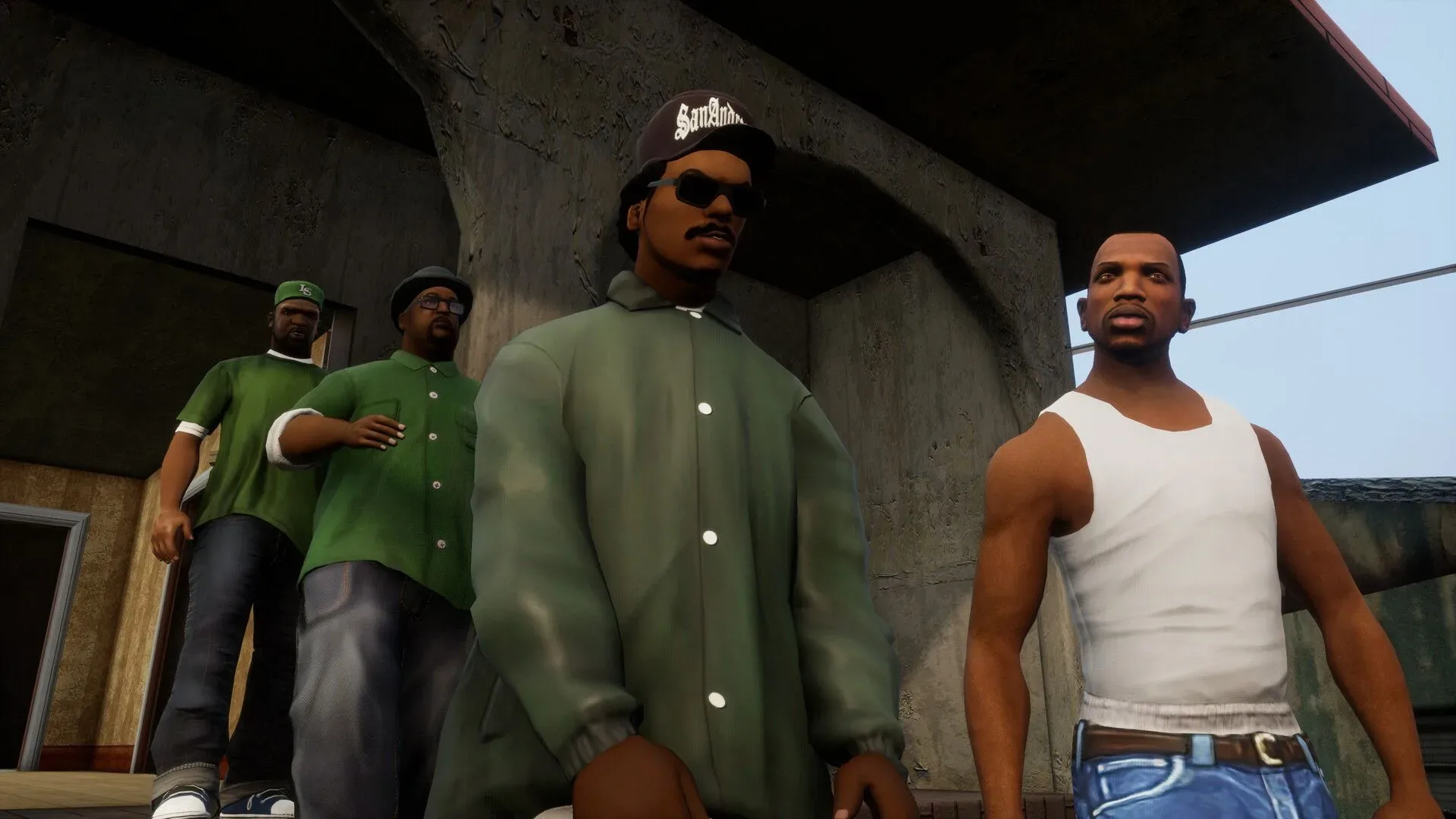
Grand Theft Auto has long had the ability to pull in enthusiasts who track dozens of games as well as people who mostly return to a handful of familiar annual or blockbuster series. The franchise’s reach also helps explain the unusually intense public attention surrounding GTA 6. For related context on how the series has connected game worlds and music audiences, see the discussion of GTA: San Andreas introducing MC Eiht’s music to a new generation.
The enormous risk behind a game of GTA 6’s scale
The comparison is especially revealing because AAA development is facing cost pressures. AAA is an informal industry label for big-budget, large-team productions, generally backed by major publishers. It is not a guarantee of quality or sales, but it signals the kind of scale that makes a project expensive, complicated, and difficult to reverse once development is underway.
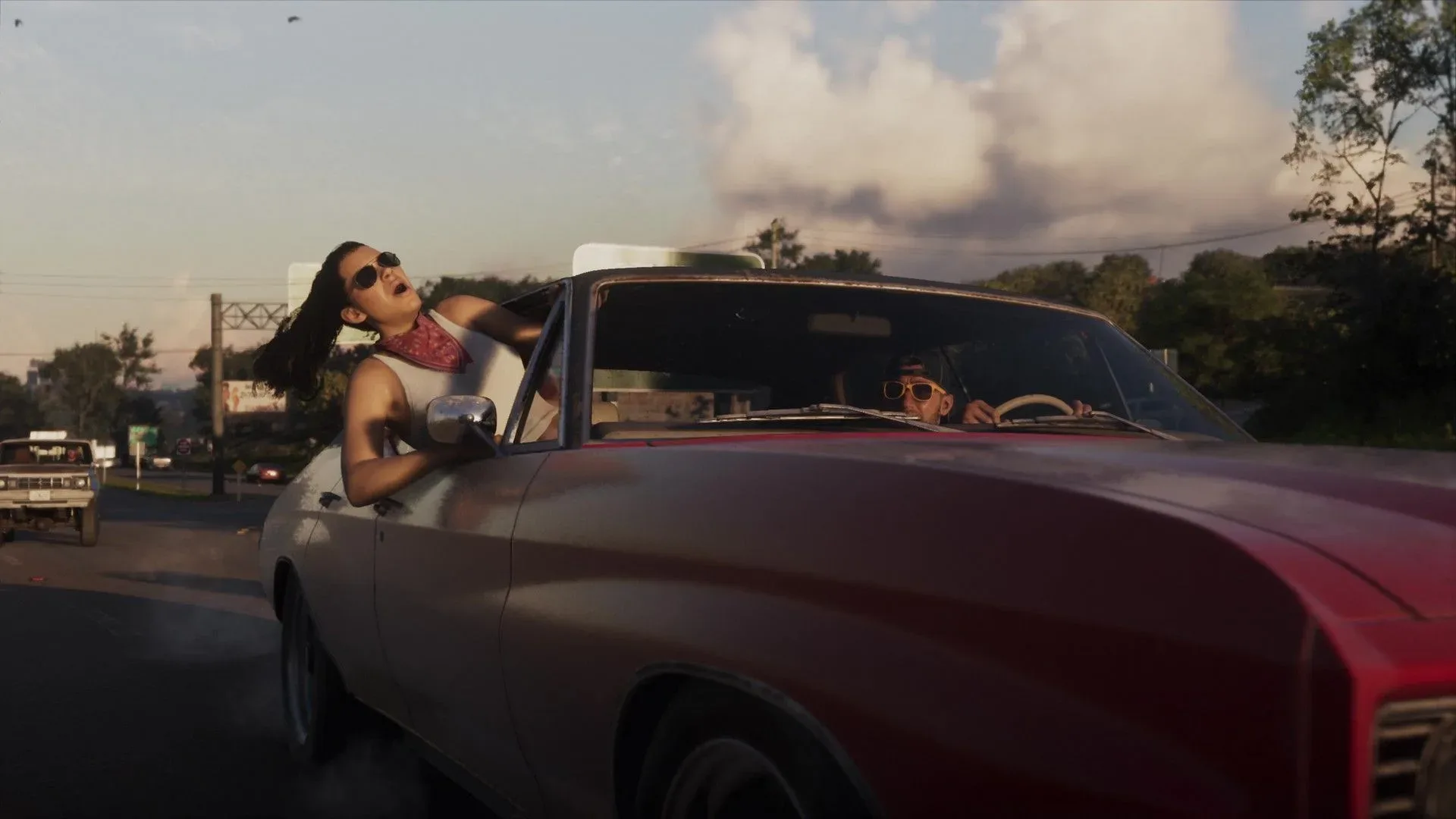
Against that backdrop, Piscatella describes GTA 6 as the biggest of big bets, while suggesting the willingness to make such bets is scarce. That is a meaningful observation about risk, not merely hype. The larger the investment, the more a publisher needs confidence that the game can reach an audience large enough to justify it. Rockstar’s track record and Grand Theft Auto’s reach give it unusually favorable odds for attempting something on that scale.
That does not mean other developers lack ambition. It means few have the same combination of franchise recognition, broad audience appeal, and established player trust. For another company, trying to duplicate the same model could be a poor strategy even if the resulting game were good. A blockbuster cannot be separated from the long-term relationship between its maker, its series, and its audience.
Sentinel therefore illustrates a useful point for readers watching the business side of games: the biggest projects are not necessarily interchangeable. An Elder Scrolls sequel can be a huge investment and a major release while existing in a different risk category from GTA 6. “Big” needs context—development costs, audience composition, franchise history, and the publisher’s ability to withstand a miss all matter.
The long road to Sentinel has raised its own expectations
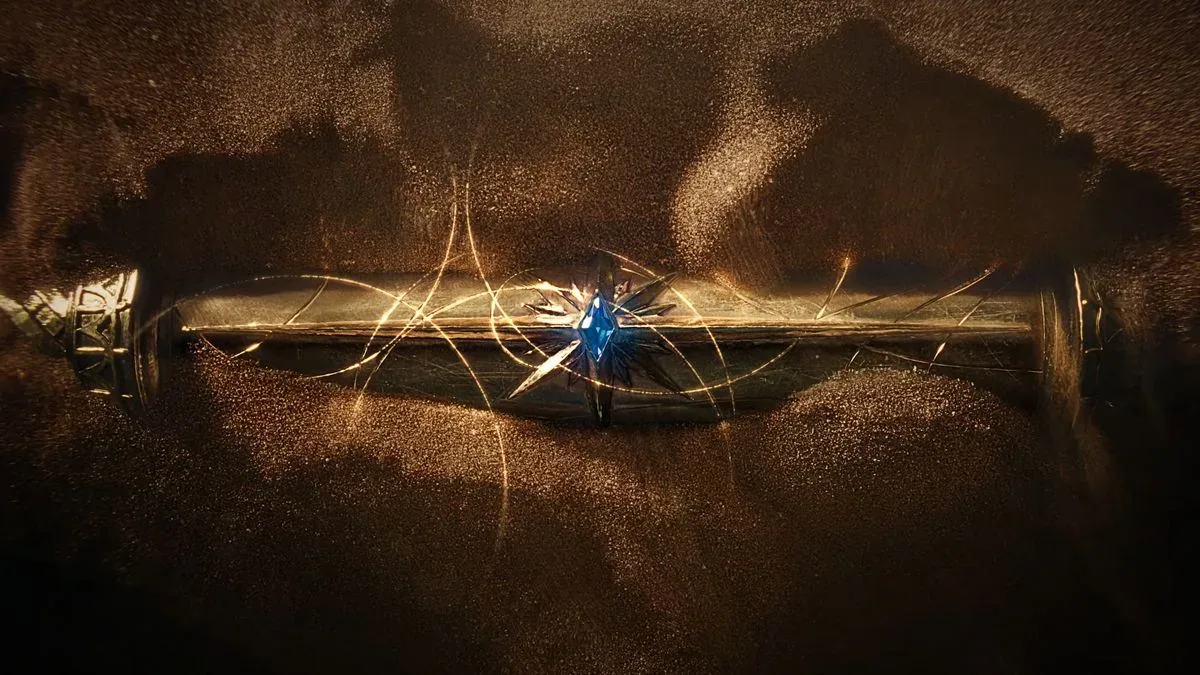
The Elder Scrolls 6 was first announced eight years ago and has now been reintroduced with the Sentinel subtitle. Yet no screenshot has been shown. A 2029 launch has been reported, though that timing remains uncertain. If it proves accurate, Sentinel would arrive 18 years after Skyrim.
Those facts create two opposing forces. The title’s return to public view gives fans a clearer name to discuss and helps confirm that the project remains part of Bethesda’s plans. At the same time, a subtitle is not gameplay footage, platform information, a release date, or a detailed feature list. Until more is shown, much of the conversation will inevitably rest on inherited expectations from Skyrim rather than demonstrated details about Sentinel itself.
The reported 2029 target should be read carefully. A reported date is not a confirmed release date, and the absence of a screenshot leaves plenty of room for plans to change. Players deciding how much emotional bandwidth to devote to the wait may be better served by separating what is established from what is speculative:
- Established: The project is titled The Elder Scrolls 6: Sentinel.
- Established: It has been announced for years and recently reintroduced with its subtitle.
- Established: No screenshot has yet been presented in the supplied information.
- Reported, not confirmed here: A 2029 launch window.
- Unknown: Gameplay systems, platforms, story, pricing, release date, and the extent of its modding support.
This is why labeling Sentinel as GTA 6’s successor in the public imagination may be premature. It asks a game with little officially demonstrated material to shoulder an abstract cultural role years before release. The more constructive framing is simpler: Elder Scrolls is returning, its fan base is enormous, and it will face expectations that are unusually high because of the length of the gap since Skyrim.
A T-shirt is not a substitute for a reveal
Bethesda is also offering a $35 T-shirt tied to Sentinel and inviting fans to show their excitement. Merchandise can give supporters a way to signal enthusiasm, but it does not answer the questions that matter most about a game still lacking screenshots. For prospective players, the useful milestones remain a real look at the game, a confirmed release plan, and details about what distinguishes Sentinel from the Elder Scrolls that came before it.
For now, the strongest case for Sentinel is not that it will replicate GTA 6’s exceptional status. It is that it has the opportunity to become a major event on its own terms. A new Elder Scrolls after such a long interval will plainly draw enormous attention. But the analyst’s point is worth keeping in view: admiration for a blockbuster does not require pretending that every blockbuster occupies the same lane.