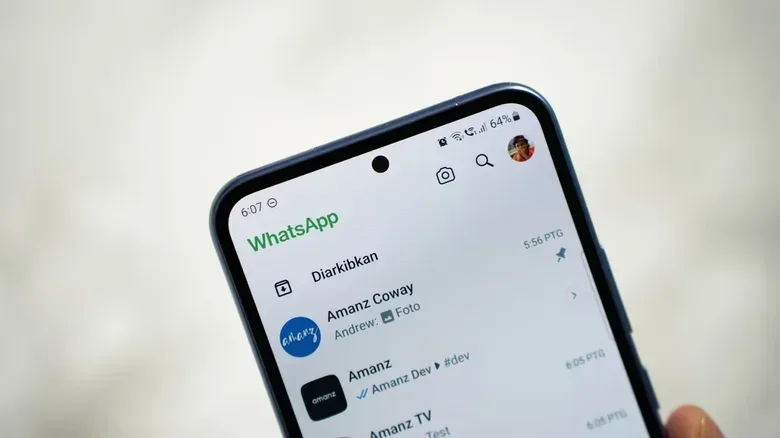
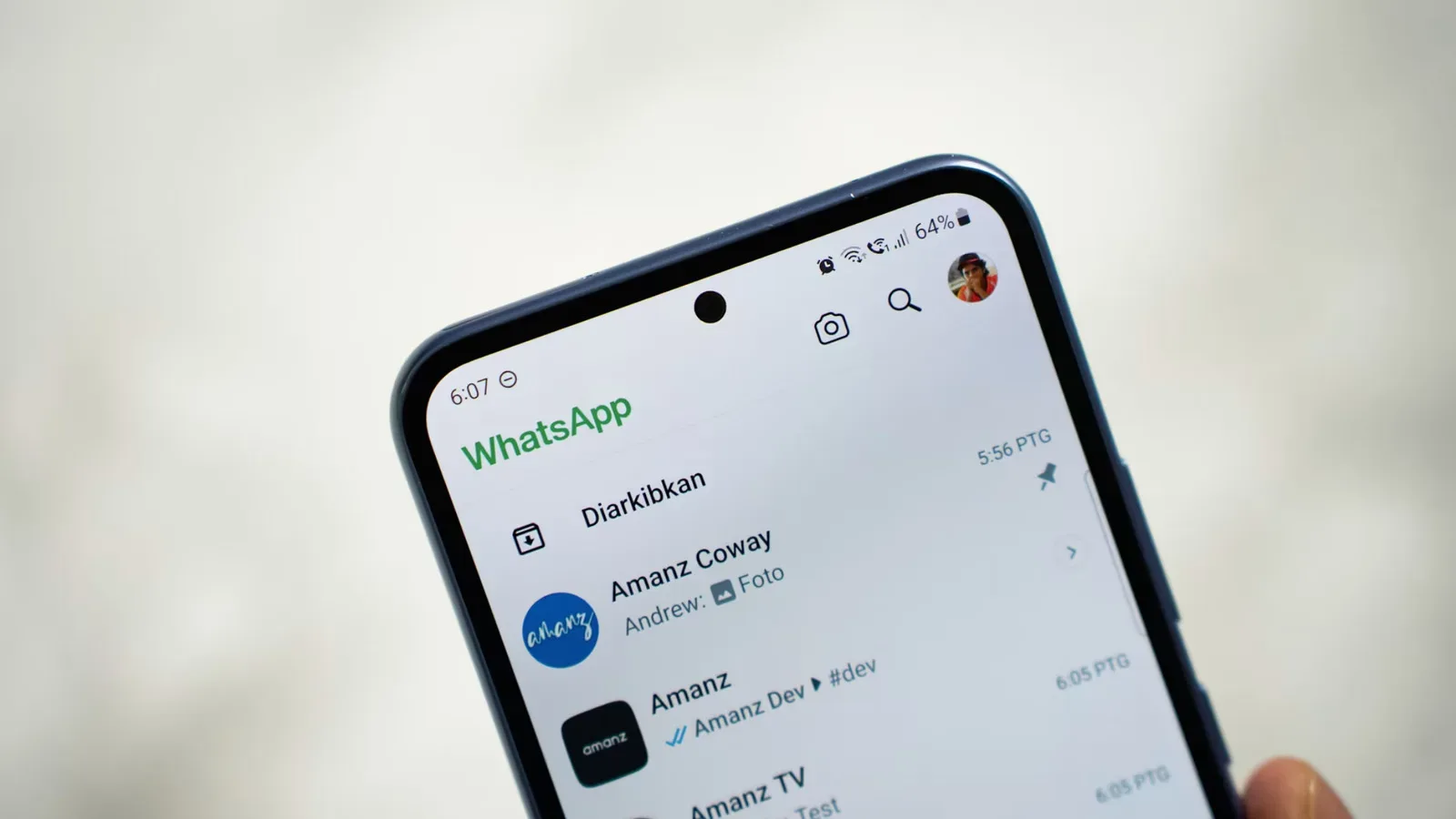
WhatsApp is preparing to add travel eSIM support directly inside its messaging app, creating a new route for travelers to buy mobile data without leaving the service they already use for chats and calls. The proposed feature centers on data-only digital eSIMs and is intended to help people stay connected abroad while avoiding the friction—and potentially high costs—of conventional roaming.
The most important practical promise is continuity. WhatsApp says people will be able to keep using the same phone number they normally use on WhatsApp, on the same phone, rather than changing their messaging identity while they travel. The company is also framing the purchase flow as simple and messaging-like, with the transaction handled through the official app.
That is a tidy pitch: land in another country, activate travel data, and keep the app’s familiar conversations, groups and contacts in place. But the initial outline leaves several consequential details unanswered, including supported destinations, pricing, data allowances, duration options and the precise mechanics of activation. The service is due to begin rolling out in select countries soon, rather than arriving everywhere at once.
What WhatsApp is actually adding
An eSIM is a digital version of a SIM arrangement. In this case, WhatsApp’s planned travel option is described as data-only: it is designed to provide the mobile data connection that apps need, not to replace a person’s existing WhatsApp account or require a new WhatsApp number.
That distinction matters. WhatsApp is not presenting this as a request for travelers to rebuild their contact list, abandon ongoing chats or circulate a temporary number to friends and family. The stated goal is the opposite: keep the regular WhatsApp number working as usual while the travel eSIM supplies a connection during the trip.
For travelers, the alternatives cited by WhatsApp are familiar inconveniences: finding a local SIM seller after arrival, locating Wi-Fi at a café, or relying on roaming. Bringing a purchase option into the app could reduce the number of separate steps between deciding that data is needed and having a way to get online.
The appeal is not a new WhatsApp identity. It is using a travel data connection while retaining the WhatsApp number people already know.
The company has partnered with telecommunications organizations including Verizon and Jio for the initiative. Those relationships are a material part of the plan, since WhatsApp itself is a messaging platform and the travel eSIM offering depends on telecom participation. However, the available information does not spell out which partner will serve which country, or whether the options shown in the app will differ by destination.
Related coverage includes WhatsApp plans to sell travel eSIMs inside the app.
The convenience argument is compelling, but travelers should read the limits
There is a clear usability advantage to placing an eSIM storefront inside an app that many people already open throughout the day. Instead of researching a separate provider and then working through an unfamiliar purchase flow, the traveler could begin within WhatsApp. That is especially relevant when travel planning is rushed or when the need for data becomes obvious only after arrival.
It could also make WhatsApp a more central travel utility. The app is already used for conversations; an integrated data purchase would make it part of the process that enables those conversations to continue when a person is outside their normal mobile plan’s coverage conditions.
Still, integration should not be mistaken for complete information. The announcement establishes the direction, not the commercial particulars. There is no confirmed price, no announced data tier, no identified subscription length and no list of initial countries. It is reasonable to expect a trip-duration model because that is common among other travel eSIM offerings, but WhatsApp has not confirmed those terms.
That uncertainty is important for anyone trying to decide whether this will be their travel-data option. “Avoiding roaming charges” does not automatically reveal the price of the replacement service, how much data it includes, or what happens once an allowance is used. Until WhatsApp publishes the specific plans available in each supported location, travelers will not have enough detail to make a direct cost comparison.
Questions that remain open
- Which countries will be in the initial select-country rollout?
- What data amounts and trip lengths will be offered?
- How much will individual plans cost?
- Which devices and account situations will be eligible?
- How will Verizon, Jio and any other telecom partners map to particular destinations or plans?
- What purchase, activation and support steps will appear in the app?
None of those omissions makes the concept less useful, but they determine whether it is merely convenient or genuinely competitive for an individual trip. A frictionless checkout is valuable; a traveler still needs to know what they are buying.
Why keeping the same WhatsApp number is the centerpiece
WhatsApp’s emphasis on using the same number is more than a minor setup note. Messaging accounts are social infrastructure: they sit inside family threads, friend groups, work chats and travel coordination. Replacing that number, even temporarily, can introduce needless confusion. Keeping the established account in place means the travel data plan is positioned as background connectivity rather than a new communications identity.
It also clarifies the role of a data-only travel eSIM. The purpose is to give WhatsApp an internet connection after arrival, allowing the traveler to use the service in the way they normally would. In simple terms, the eSIM is the connection layer; WhatsApp remains the familiar messaging layer above it.
This matters for group travel in particular. A group often depends on one running chat for changing meeting points, transit updates and the usual stream of photos and jokes. WhatsApp recently expanded group-chat capacity to as many as 1,500 people, a scale that makes its role as a coordination tool even more obvious—though it also makes one wonder whether any trip itinerary can survive a 1,500-person discussion.
A broader push to keep activity inside WhatsApp
The travel eSIM plan fits alongside other recent WhatsApp additions aimed at making the app a more capable space for everyday communication. The platform has introduced stickers with sound and message scheduling, while group chats can now hold up to 1,500 participants. The eSIM feature is different in kind: it is a connectivity purchase rather than a chat tool. Yet it follows the same broad logic of giving users another reason not to leave the app.
That makes the feature notable even before its missing details are filled in. Buying data is normally a separate travel task. Folding it into a messaging product means the service is moving closer to a transaction layer attached to a communications platform. The value proposition is direct: travelers may be able to handle both the connection and the conversations it enables from the same place.
For readers tracking consumer-tech changes beyond the travel context, the site’s coverage of Samsung’s 32-inch monitor listing with 75Hz and FreeSync support looks at a separate example of how specifications and practical value both matter before a purchase. The same principle applies here: an in-app buying experience can be appealing, but plan terms will be what determine the value.
What users should expect at launch—and what they should not assume
The safest expectation is a phased availability model. WhatsApp says the feature will arrive in select countries soon, so many users should not assume they will see it immediately or that every destination will be covered at the outset. They also should not assume a particular plan length or rate based solely on the fact that other travel eSIM services often use trip-based subscriptions.
Users can, however, understand the core intended experience now. WhatsApp wants travelers to buy a data-only eSIM from its official app, use the same phone and usual WhatsApp number, and avoid the need to seek out a local SIM seller, Wi-Fi connection or standard roaming arrangement after landing.
Whether that experience becomes genuinely seamless will depend on the details not yet announced. A travel-data product needs clear coverage, understandable allowances and transparent terms as much as it needs an easy purchase button. WhatsApp has established the first part of the equation. The next release of information needs to establish the rest.
Practical takeaway
WhatsApp’s travel eSIM initiative is a potentially useful convenience feature, not yet a fully specified travel plan. It could make it easier to get data abroad without disrupting the WhatsApp account people already rely on. Verizon and Jio are among the telecom partners involved, and the rollout is expected in select countries soon.
For now, travelers should treat the feature as one to watch rather than a plan whose value can already be calculated. The essential questions—where it works, what it costs and what the data plans include—remain unanswered. Once those details are available, the real test will be straightforward: does the in-app simplicity come with terms that make sense for the trip?