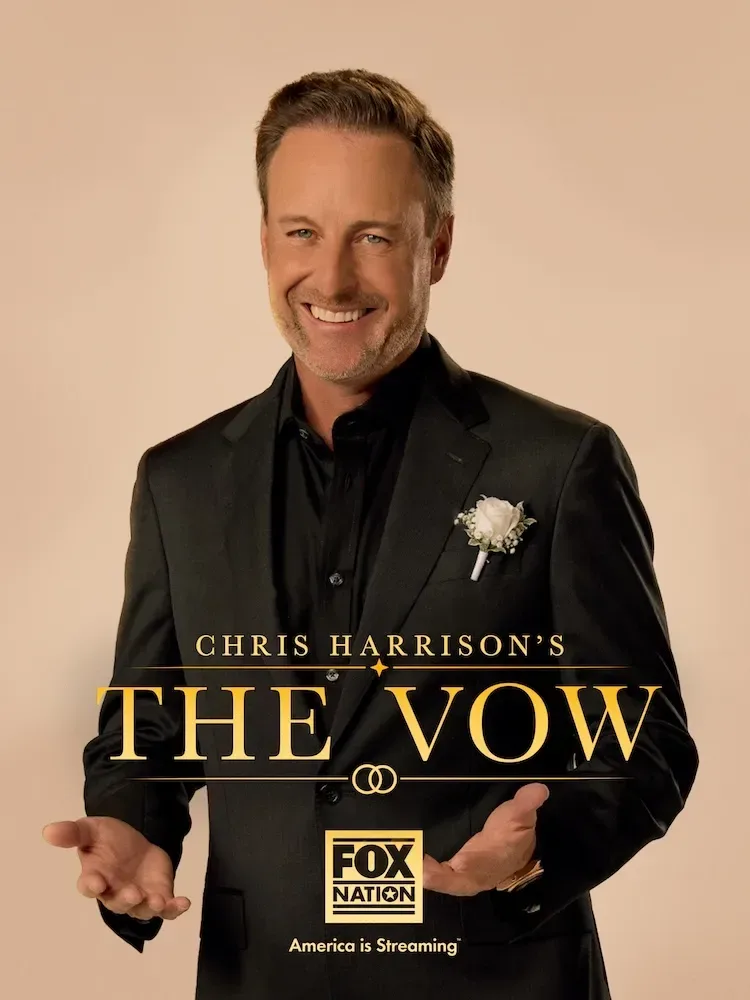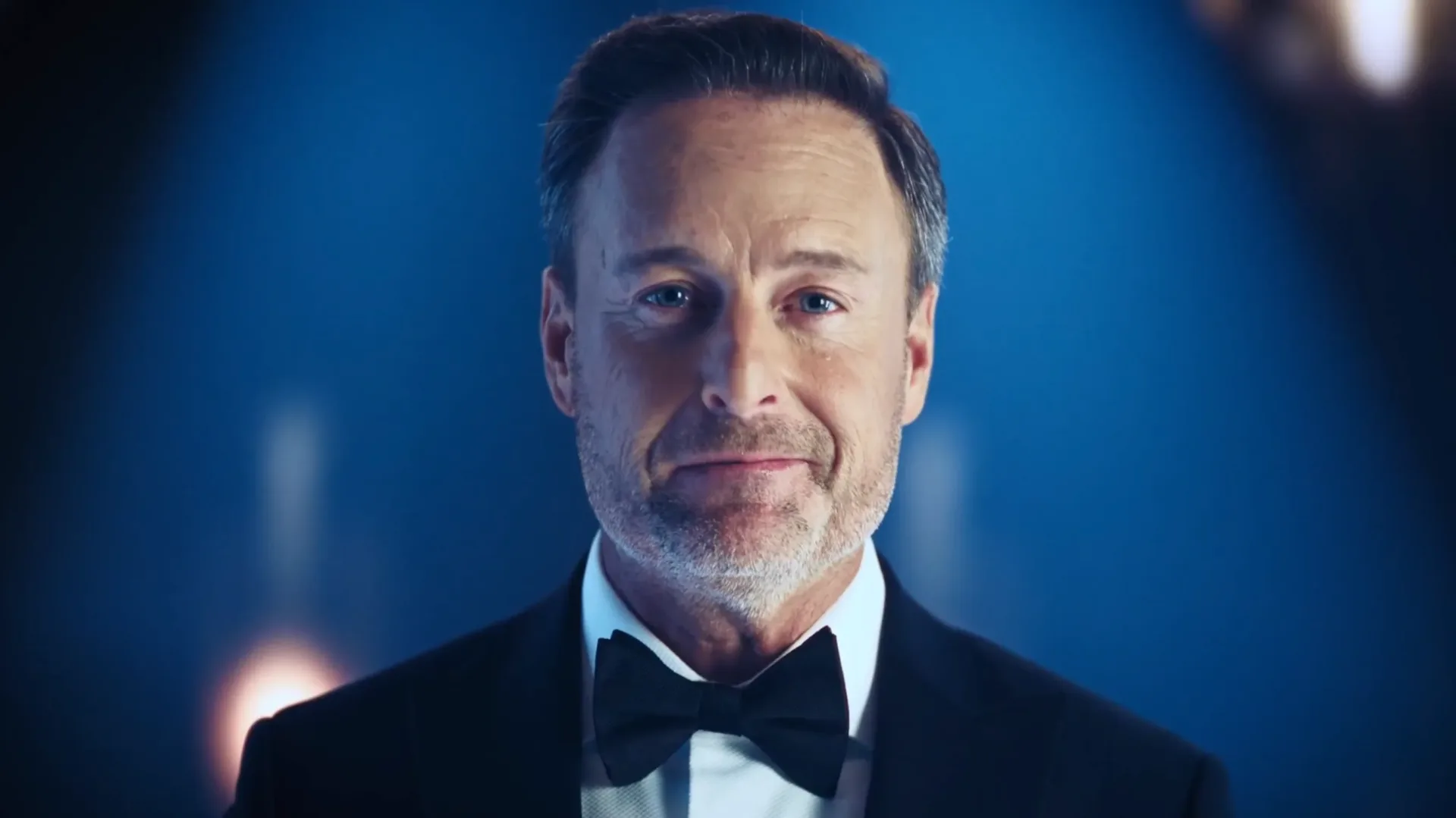
Warner Bros. Television and Fox Nation are in a marketing-focused legal dispute over The Vow, the forthcoming dating series hosted by former Bachelor franchise host Chris Harrison. The show is scheduled to debut on November 11, with six episodes set to roll out weekly.
The disagreement, at least based on the correspondence described so far, is not an attempt to block Harrison from hosting another dating program. Warner Bros. TV expressly distinguishes that issue from what it says is a broader promotional campaign that leans too heavily on the public recognition of The Bachelor franchise. Its September 18 cease-and-desist letter raises trademark, copyright and unfair-competition concerns, while also making clear that it had not viewed the completed series.
That distinction matters. A dispute over a finished television format, story structure or production would be one thing; a dispute about trailers, thumbnails and imagery is narrower, but still potentially consequential in the weeks before a launch. Marketing is often where an audience first decides whether a new program is a genuine alternative or simply a familiar brand with a revised label.
More details on the marketing dispute describe a clash that is likely to turn on context: what individual images appear in the promotional material, how they are combined, and whether viewers could take the campaign as signaling a connection to a franchise that Warner Bros. TV produces.
For more context, explore Escape From Playtime Open Beta Is Live Until Oct. 4 Ahead of Steam Early Access.
What Warner Bros. TV says is at issue
The Warner Bros. TV letter identifies multiple visual elements in The Vow advertising that it argues evoke the longstanding dating franchise. Among the examples are red roses in the teaser and a thumbnail with a mansion in the background. The studio characterizes red roses as an especially recognizable franchise symbol and argues that the new material copies the visual language of earlier promotional images.
Its core allegation is not merely that two reality dating shows share romantic imagery. Rather, Warner Bros. TV contends the advertising is trying to benefit from the goodwill associated with a recognizable entertainment property. In plain terms, goodwill is the audience awareness, reputation and commercial value that a brand builds over time. The company argues that the campaign seeks to borrow that value instead of introducing The Vow on its own terms.
The letter reportedly includes side-by-side screenshots from the The Vow teaser and older franchise images. That presentation is typical of a visual-identity dispute: it asks the recipient to consider not just whether a rose or a large house can exist in isolation, but whether the specific selections, framing and overall impression could cause an audience to draw a particular association.
Warner Bros. TV’s position also expressly leaves room for a different outcome if the promotion changes. It says it does not object, in itself, to Fox and Lionsgate releasing a dating show with Harrison as host. The objection is directed at the way the show has been promoted to date, and the company reserves its rights after seeing the series itself.
Fox Nation’s response: romance imagery is not exclusive
Fox Nation rejected the allegations in its September 24 response. It argues that Warner Bros. TV cannot claim ownership over falling roses as a general motif or over the ordinary, colloquial use of the term “the bachelor” to mean an unmarried man.
The response also says the promotional material conveys a substantive difference between The Vow and other dating shows. Its stated emphasis is on commitment, meaningful relationships and building a life together, rather than fleeting connections or social-media attention. Fox Nation argues that Warner Bros. TV’s letter focuses too narrowly on selected stills while overlooking that broader message.
A key term in Fox Nation’s reply is scènes à faire. The phrase refers to commonplace elements that naturally flow from a genre, setting or theme. Fox Nation’s argument is that rose petals belong to the familiar visual vocabulary of romance and cannot be reserved by a single company. The response points to rose imagery in films including American Beauty, Moulin Rouge and Beauty and the Beast to make that point.
That does not automatically settle a dispute, but it explains the divide clearly. One side says the campaign’s execution appropriates a specific franchise’s established identity; the other says the challenged motifs are standard romantic shorthand, used across entertainment for decades. The legal and practical question is usually less about whether roses exist in other works than whether this particular campaign, viewed as a whole, communicates an unauthorized association.
Trademark, copyright and unfair competition: the terms in practical context
The letter references several legal theories, and they are not interchangeable.
- Trademark concerns generally focus on brand identifiers and whether use of a name, symbol, design or overall commercial presentation could confuse consumers about affiliation, sponsorship or origin.
- Copyright concerns generally concern protectable creative expression, rather than general ideas or broad genre conventions. A romance show cannot own romance, but specific creative material may receive protection.
- Unfair competition is a broader category that can involve marketing conduct alleged to mislead consumers or improperly exploit another party’s marketplace reputation.
None of those labels alone proves that a violation occurred. Warner Bros. TV has laid out claims; Fox Nation has disputed them emphatically. There is no indication in the available material that a court has ruled on the competing arguments, and Warner Bros. TV’s own letter says it has not seen the finished program. Readers should therefore treat the dispute as an exchange of allegations and defenses, not an established finding that either party has prevailed.
The timing nevertheless gives the letters weight. Promotional assets are flexible compared with a completed season: thumbnails can be revised, trailers can be recut and copy can be rewritten. If the companies seek a business resolution rather than a larger legal fight, advertising may be the most direct place to make changes without altering the program’s central premise.
Why Chris Harrison’s involvement makes the campaign more sensitive
Harrison hosted The Bachelor and its spin-offs from the franchise’s 2002 beginning until his controversial exit in 2021. That history does not give Warner Bros. TV a blanket right to prevent him from working on another dating series; indeed, the company’s letter says it has no objection to the basic fact of a Harrison-hosted dating show.
But it does make the presentation of The Vow more commercially charged. The host is strongly associated with the earlier franchise, and an advertising campaign featuring familiar romance symbols can invite comparisons before audiences have seen a full episode. Warner Bros. TV’s complaint is fundamentally about that cumulative effect: Harrison’s public association with the franchise, combined with the teaser’s allegedly familiar visual cues.
Fox Nation takes the opposite view, portraying the complaint as an effort to restrict a rival dating show and to target Harrison. Its response argues that The Vow should be permitted to market its own relationship-focused concept without a competitor claiming control over commonplace romance imagery.
What ‘The Vow’ says it will offer
The Vow follows Jace Cates, described as an eligible bachelor, as he dates 10 women. The show’s official description frames the series around shared values, faith, communication and long-term goals, asking whether those qualities can build a relationship that lasts beyond production.
That stated premise is central to Fox Nation’s rebuttal. Rather than positioning the series solely through a visual callback, the company says the program is built around a different approach to dating television—one that foregrounds long-term compatibility and commitment.
For viewers, the immediate effect of the dispute may simply be closer attention to the campaign: its next trailer, its thumbnails, its wording and the way it describes Harrison’s role. For the companies, the stakes are larger. The case tests how much room exists between broadly shared dating-show and romance imagery on one hand, and a highly recognizable franchise identity on the other.
For now, the known facts are limited to the exchanged letters, the challenged promotional examples and the planned November 11 premiere. Whether the dispute ends with revised material, a negotiated resolution or further legal action remains uncertain.