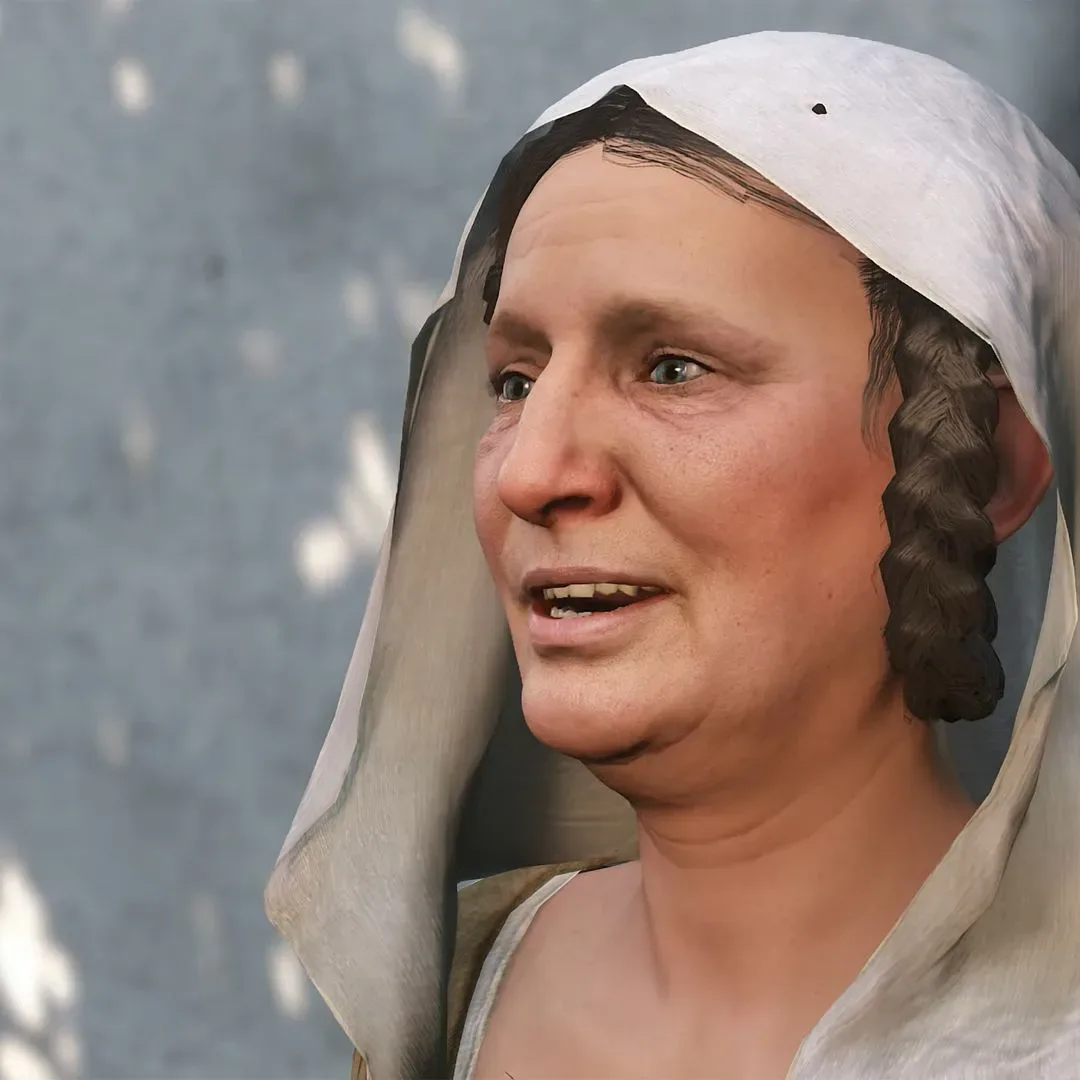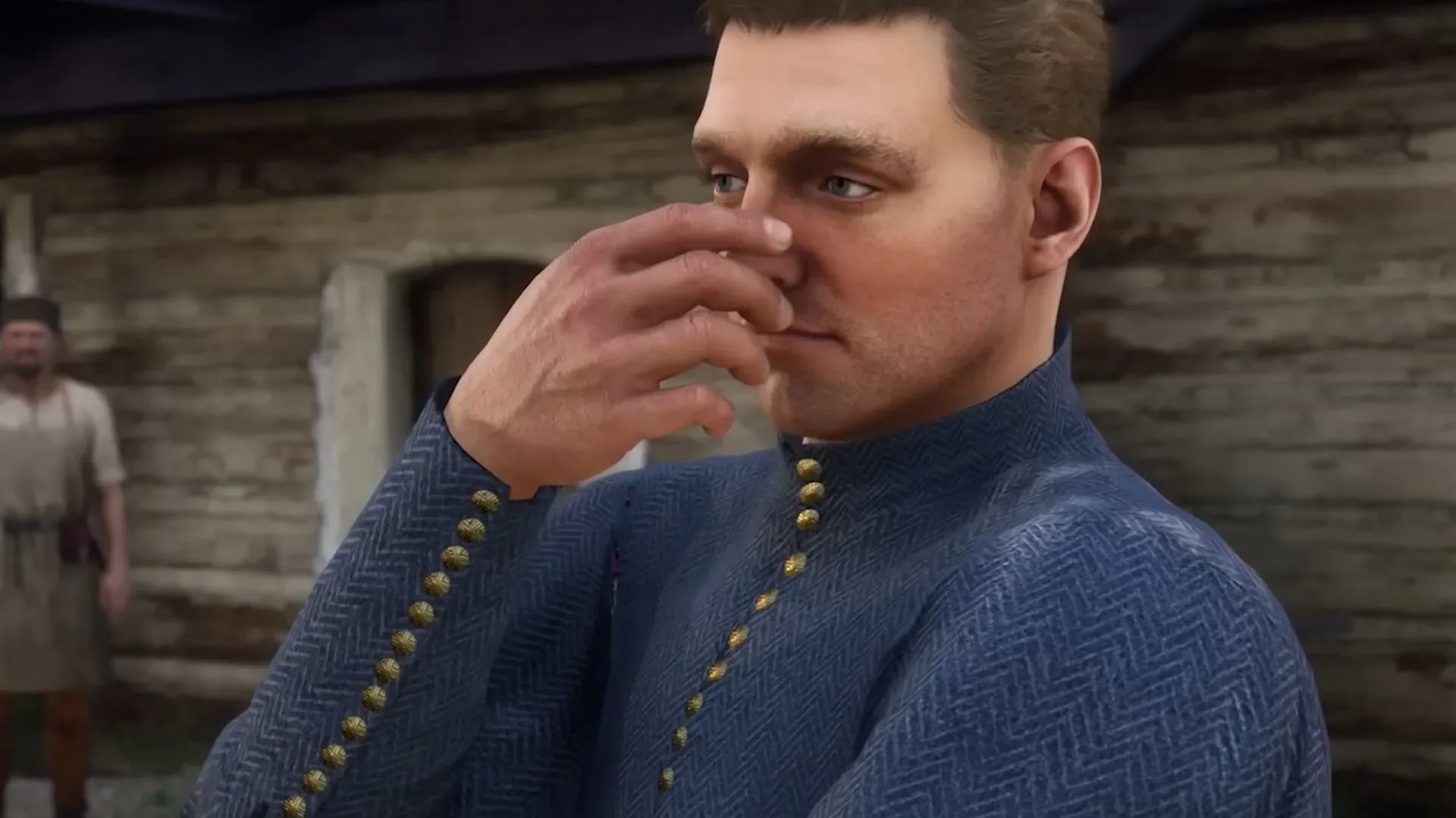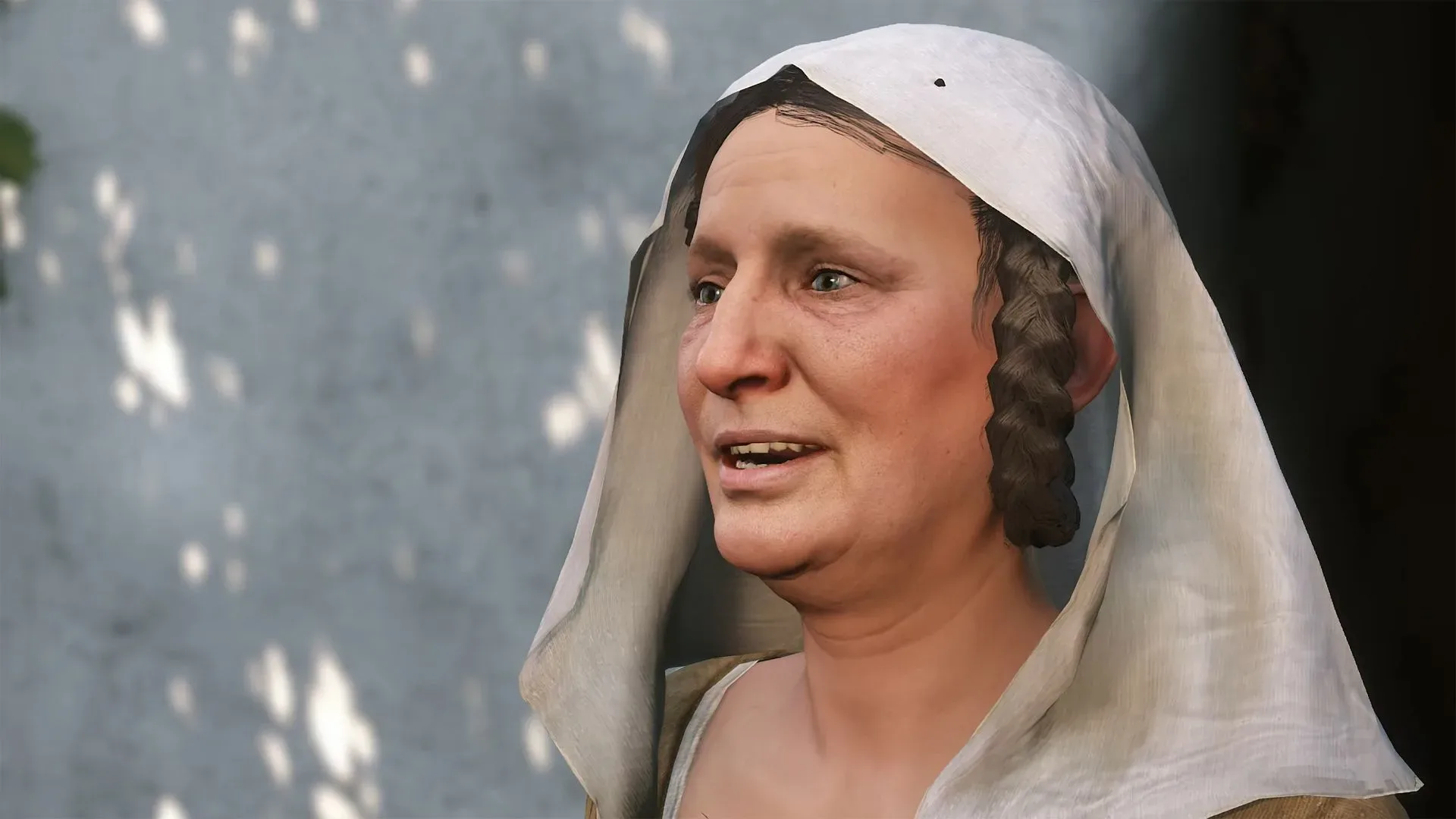
Generative AI may be one of the games industry’s most loudly discussed technologies, but Martin Klíma’s view is notably resistant to the simplest sales pitch. The CEO of Warhorse Studios, maker of the Kingdom Come: Deliverance games, has argued that treating AI as a way to replace game developers is a “fundamentally flawed idea.”
That does not amount to a rejection of the technology in every form. Klíma’s distinction is between substitution and assistance: AI is not, in his framing, a magic solution that can stand in for the people who make a game, but it could potentially help an existing team do more within an unchanged budget.
“AI is not a get out of jail free card,” Klíma said. He dismissed the idea that generative tools can simply replace developers, arguing that the premise depends on an overly simplified understanding of how game development works.
His alternative is less dramatic, and arguably more useful as a test of what AI is actually doing for a project. Rather than asking whether a tool lets a studio cut people or dramatically reduce costs, the question becomes whether it helps a creative team make a richer game: more branching content, more missions, or other additions players can feel.
“Bigger games for the same cost” is not the same as cheaper games
Klíma’s central point is easy to blur, so it is worth separating the two claims. He did not say AI will necessarily make games cheaper to create. His argument was that it may allow studios to make bigger games while spending the same amount.
That difference matters. A lower-cost game implies that the work, staff, or time required to reach a given result has been reduced. A bigger game for the same cost implies that any efficiency gained is being reinvested into additional scope. In Klíma’s examples, that could mean more branching paths or more missions for players.
“It can mean [the game] has more branching classes,” he said, before adding that it could mean “more missions to play.” The wording leaves the exact use cases open, but the intended outcome is clear: more player-facing material, rather than a promise that machines can independently construct a finished game.
There is a practical reason this framing will resonate with players. Scope is often visible. Extra missions can create more reasons to stay in a game world; branching content can give choices greater weight and support replayability. But those additions only matter if they fit the game and receive the same degree of creative judgment, editing, testing, and integration as the rest of it. Quantity by itself is not a substitute for a coherent experience.
Related coverage includes Warhorse CEO Says AI Cannot Replace Developers, but Could Help Teams Build Bigger Games.
What “generative AI” means in this debate
The phrase generative AI generally refers to systems that produce new material in response to prompts or inputs. In a games context, discussions often focus on generated images, video, audio, or text. That is distinct from the broader use of AI as a label for software systems, including systems designed to react to player behavior.
That distinction is important because the controversy around generative tools often centers on the replacement of creative assets or creative labor. Klíma’s comments push toward a more limited role: one that supports human work and makes processes more efficient, rather than wholesale generation standing in for the creative process.
It also helps explain why one statement about “AI in games” can conceal several different questions. A studio could be discussing administrative assistance, internal workflow support, content generation, or gameplay systems. Those uses carry different creative consequences and should not automatically be treated as interchangeable.
For instance, AI designed around moment-to-moment gameplay is a separate subject from AI used to create art, voice, or writing assets. The industry’s experimentation extends beyond production workflows; one recent patent discussion explored bosses that could respond to a player’s dodges, parries, and favored tactics. Whether such ideas improve games depends on implementation, but they illustrate why the umbrella term needs context.
The human role does not disappear when a tool becomes faster
Klíma’s position rests on a straightforward production reality: games are not a single asset or a single task. They are assembled from many interdependent parts, and a change in one part can affect others. Missions, branching choices, dialogue, art, audio, technical systems, and the final player experience must fit together.
That is why an apparent shortcut in one stage of work does not automatically remove the need for people elsewhere. Material still needs direction, review, revision, and integration. The work of deciding what belongs in the game remains creative work. So does making sure the result supports the game’s systems and feels appropriate for the world being made.
Klíma did not lay out a specific production pipeline or identify particular tools Warhorse uses. His comments should therefore not be read as an announcement of a defined AI feature for a future Kingdom Come: Deliverance project. They are a statement of principle about how the technology should be approached: as a tool that can help a team, not a replacement for the team.
The distinction is especially meaningful for a studio building a large role-playing game. More optional routes and missions sound attractive on paper, but each one can create further design and quality demands. A branch has to lead somewhere satisfying; a mission has to function within the rest of the game. More content can enlarge the job as well as the game. AI-assisted efficiency, if it exists, would not eliminate that need for oversight.
Why the cost question remains contentious
Klíma acknowledged the commercial pressure behind the conversation. Players still want larger games, he said, while those responsible for budgets may be drawn to a perceived reduction in costs. His response is that the better outcome is not necessarily spending less, but getting more game for the same expenditure.
That is a meaningful distinction for developers as well as players. A cost-cutting approach treats automation principally as a way to remove expense. An expansion-oriented approach treats it as a way to give a team more capacity while retaining the people responsible for the game’s creative direction.
Neither outcome follows automatically from adopting a tool. It depends on the choices made by the studio or publisher using it. Klíma’s comments do not claim that AI guarantees better games, more branches, or more missions. They present those as possible gains when technology is used to enhance an existing team’s work rather than displace it.
That cautious position fits the wider friction around generative AI in games. Recent use of generated assets has sometimes drawn pushback, followed by a return to human-created work. The underlying disagreement is not simply whether software can generate something. It is whether the way it is being used serves the game, the people making it, and the players who will spend time with it.
A tool-first standard is easier to judge
There is a useful standard embedded in Klíma’s argument. If a studio says AI helped, the meaningful follow-up is not merely that a tool was present. It is what the tool enabled and what the team remained responsible for.
- Did it ease a limited process so developers could spend more time on creative or production work?
- Did it make room for player-facing additions such as meaningful mission variety or branches?
- Were humans still directing, evaluating, and integrating the work?
- Or was the tool deployed chiefly as a rationale for replacing people and reducing the creative process to generated output?
Those questions do not require treating all uses of AI as identical. They instead focus on consequences. Klíma’s comments favor the version in which human developers remain at the center and any efficiency is used to broaden what those developers can make.
He is not alone in taking that line. Hideo Kojima, known for Death Stranding and Metal Gear, has similarly described AI as a tool while opposing its use to replace jobs. The shared idea is not that technology should be absent from game development. It is that a game’s creative work cannot be reduced to a shortcut button.
For now, Klíma’s remarks offer a grounded counterpoint to the biggest promises surrounding generative AI. The technology may have a role in helping teams work more efficiently. But “efficient” does not mean automatic, and it does not mean human judgment is optional. In his view, the most credible opportunity is not replacing developers—it is allowing developers to put more into the games they are already making.