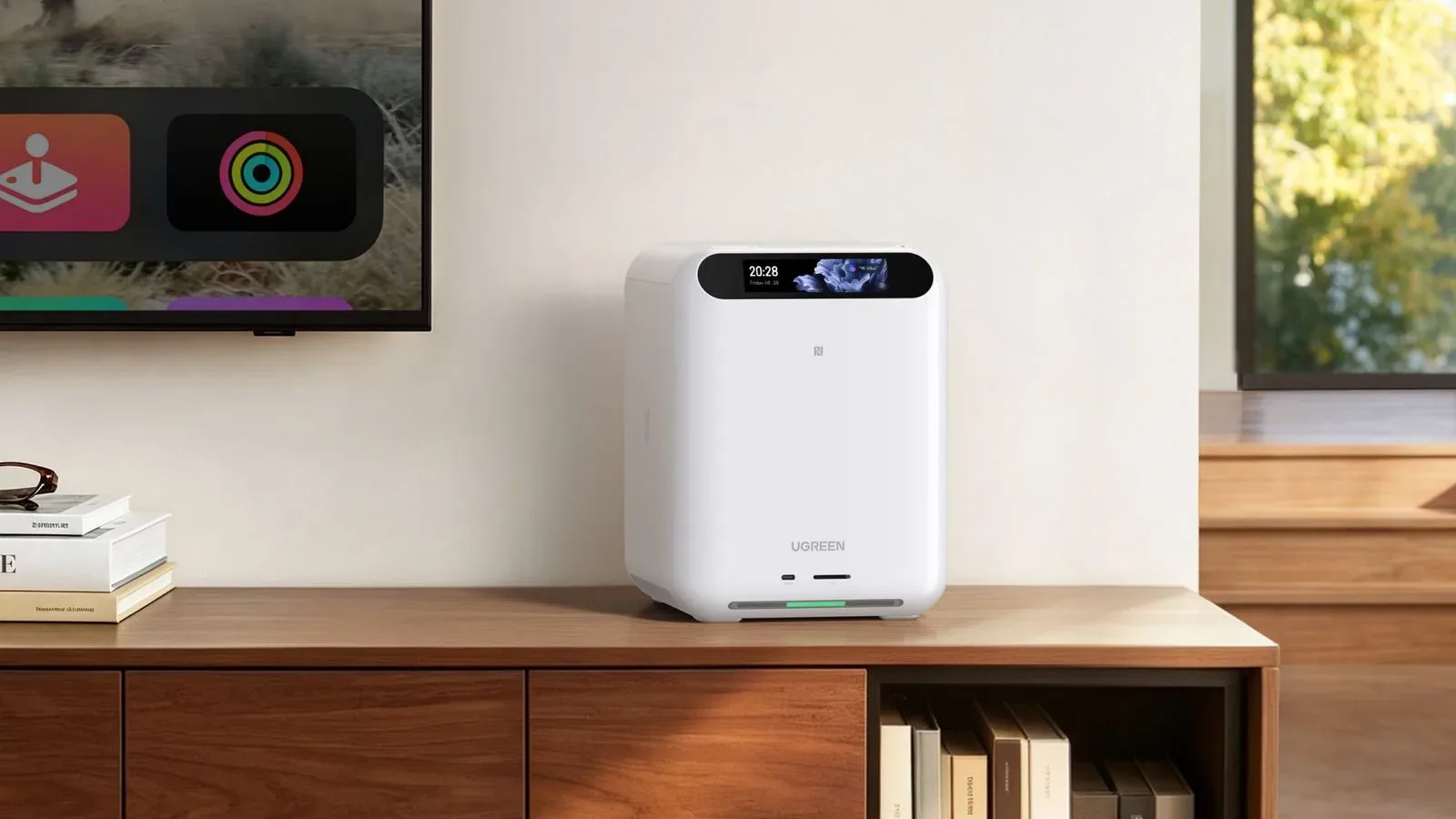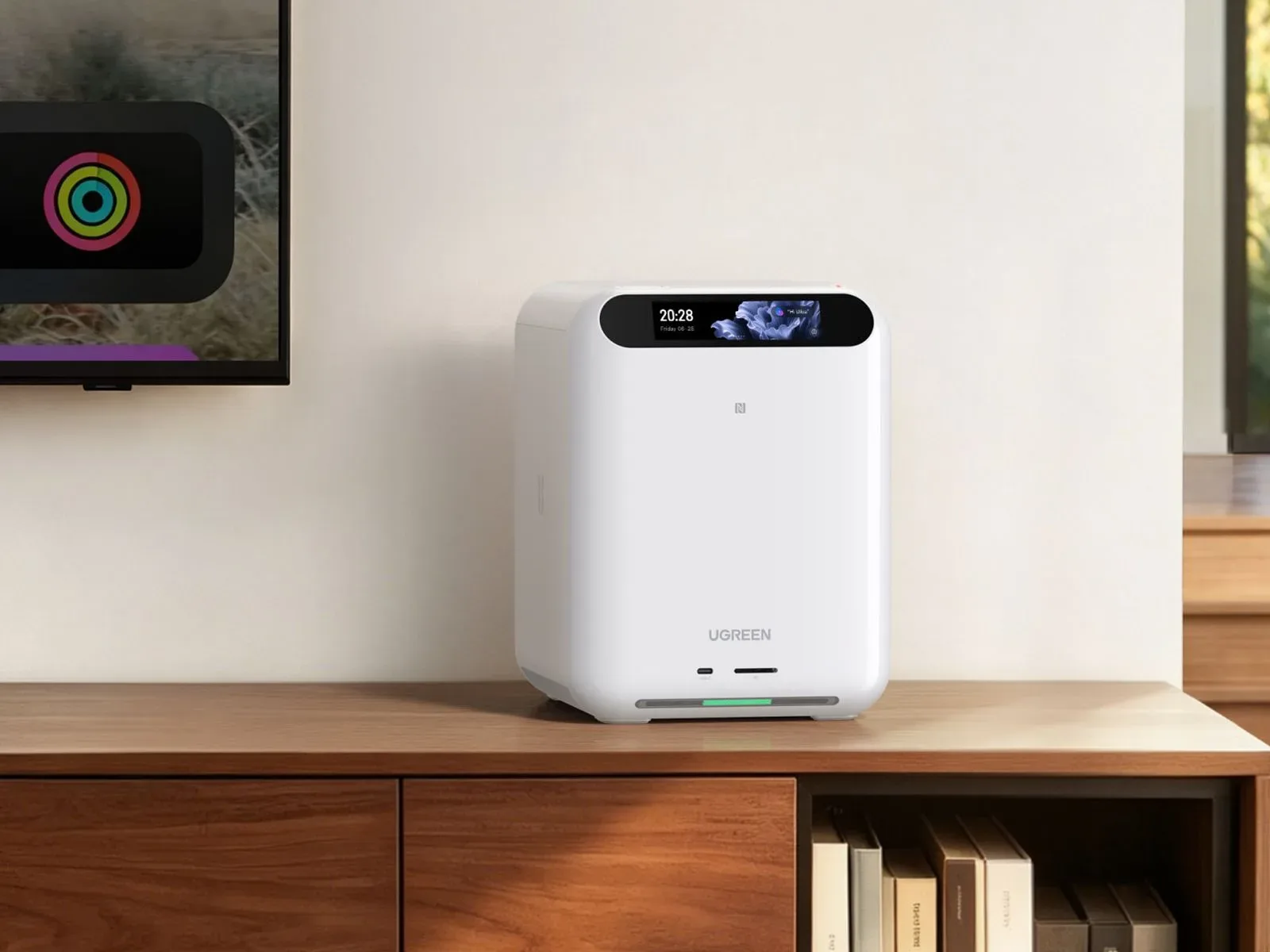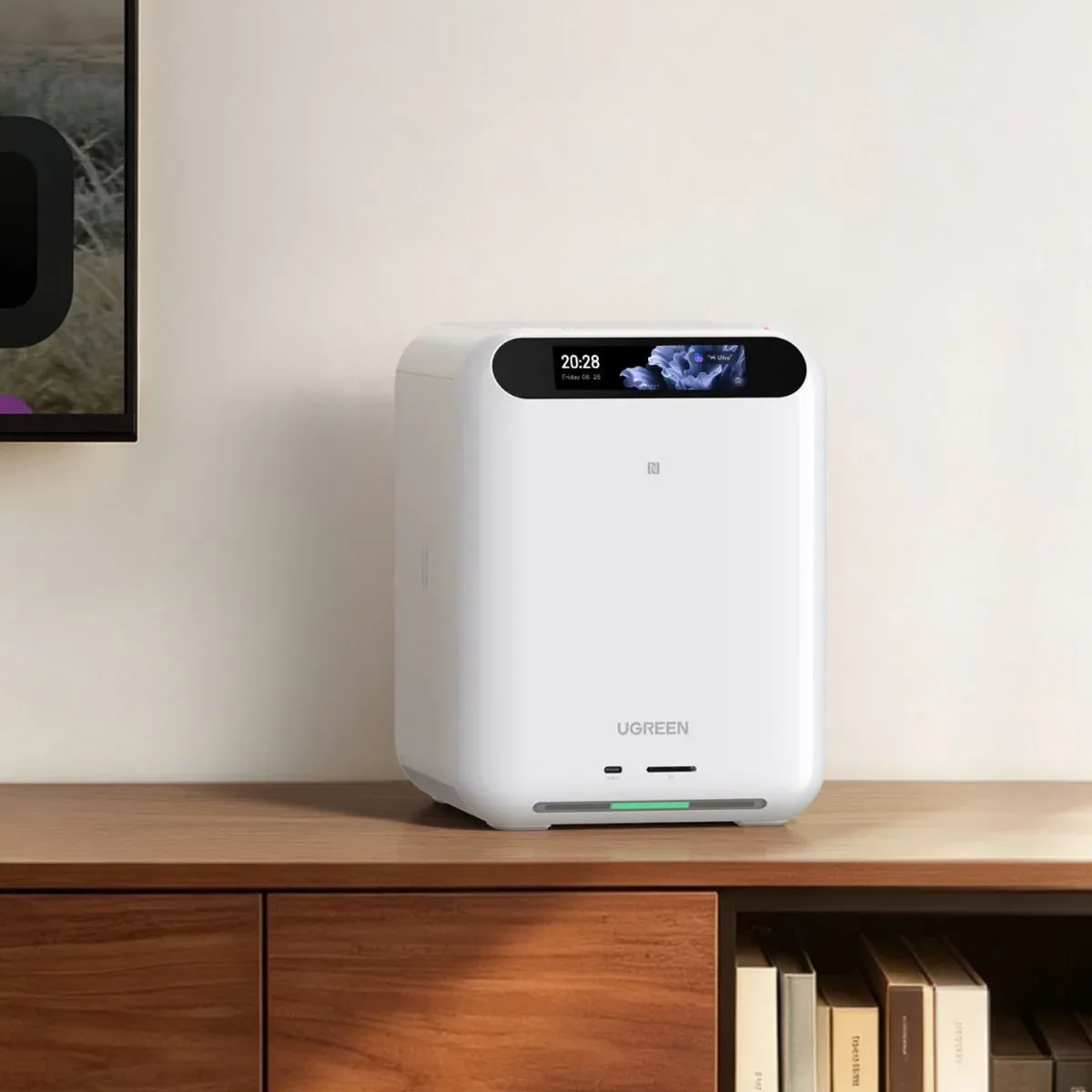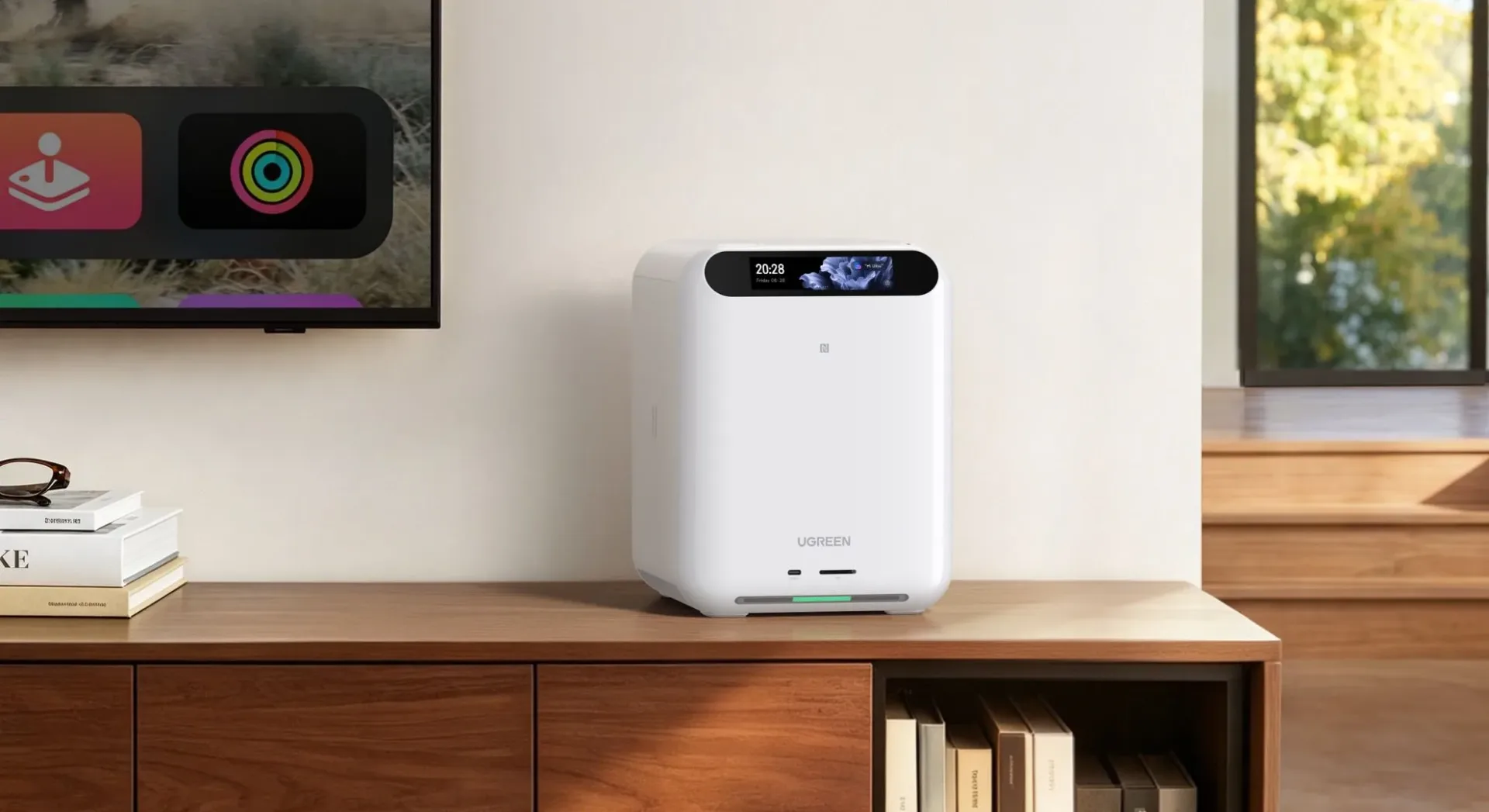
A smart-home hub is not usually the first gadget that gets discussed when people are deciding how to improve a game room. Screens, consoles, controllers, headsets, lights, charging docks: those tend to earn the limited shelf space. Ugreen’s newly announced HomeAgent platform makes a case for the hub as the quiet backstage operator, however. It combines local camera and media storage, on-device AI processing, home-device control, and Matter support in a single piece of hardware.
That is a broad remit, and its gaming relevance is indirect rather than a promise of magical frame-rate boosts or a button that immediately finds the controller swallowed by the couch. But a connected room with lights, sensors, cameras, displays, and a stack of expensive electronics does make local control and clear device status appealing. HomeAgent’s approach is also notable because Ugreen says the system can process and retain camera footage, files, and other media without a monthly storage fee.
The company has announced three hub configurations with increasing AI capability. Preorders are open through Ugreen’s website, with a $50 deposit said to secure a 50% discount ahead of a Kickstarter campaign scheduled to begin October 27. Listed early-bird prices are $899, $2,999, and $9,999, respectively. Those are substantial figures, particularly once the conversation moves beyond the entry model, so the details of what each version can handle will matter greatly for anyone considering the platform.
HomeAgent is built around local storage, analysis and control
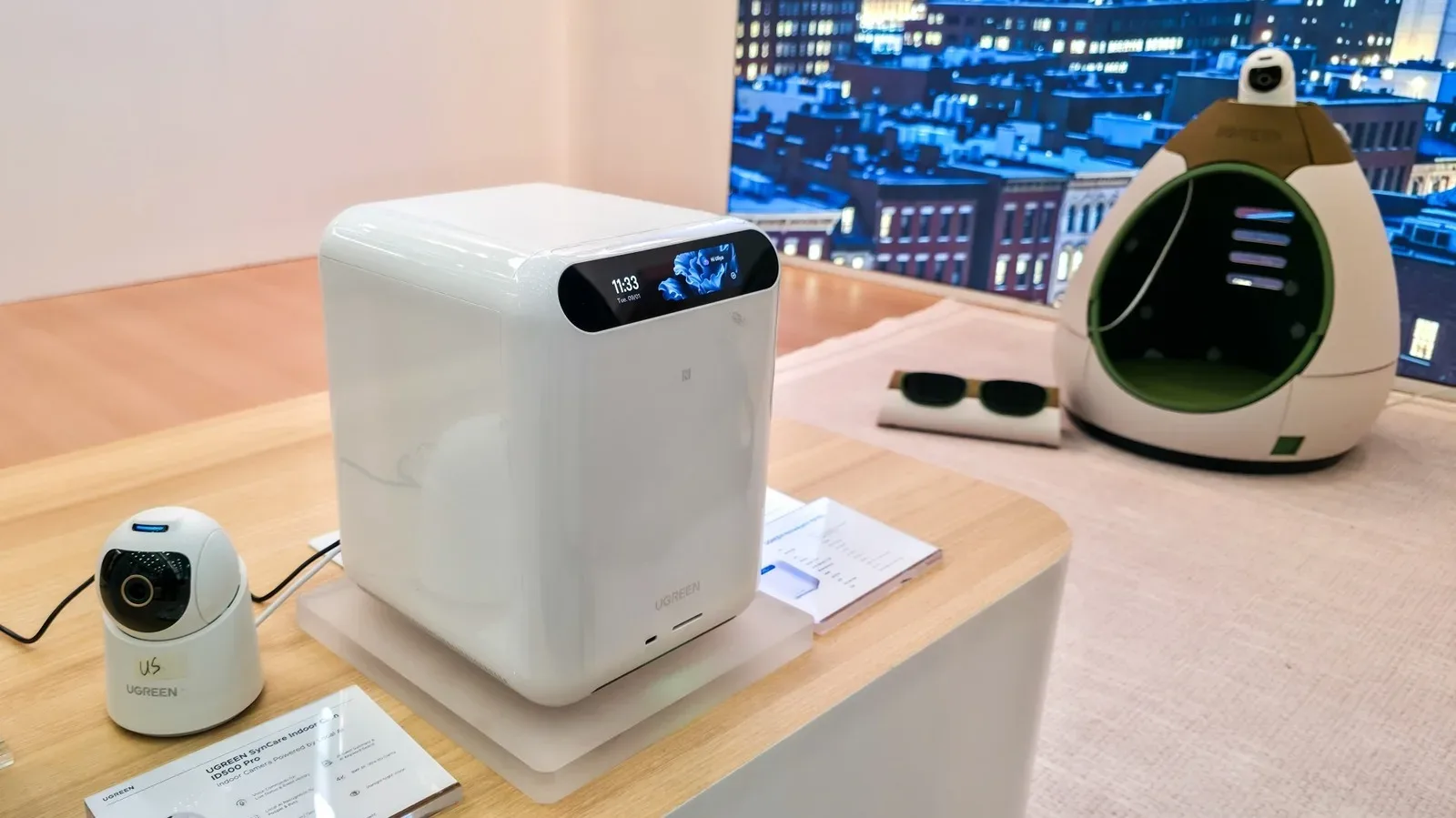
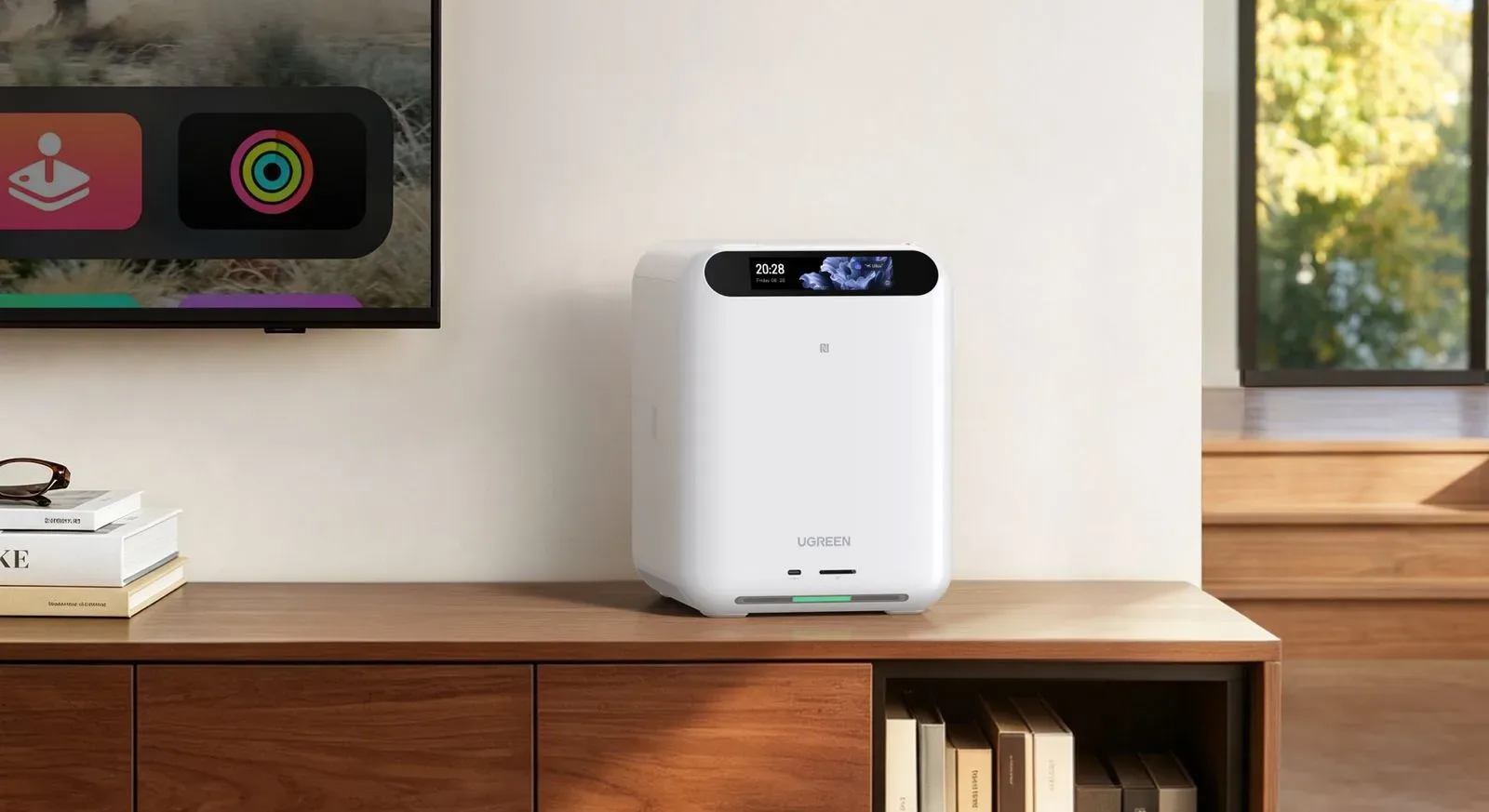
At the center of the announcement is Ugreen’s first smart-home platform, called HomeAgent. The pitch is less about adding one more app to a phone and more about placing multiple smart-home jobs in one hub. It is designed to store security-camera recordings and other media, run AI analysis locally, and act as a Matter controller for compatible devices.
Ugreen says the onboard AI can recognize people, vehicles, pets, and packages within recorded footage. It can also produce event summaries and search recordings with keywords. Those are familiar ambitions for modern camera platforms, but the local-processing emphasis is the important part of the stated design. For an enthusiast with cameras trained on a front door, a collection display, or the general entrance to a media room, searchable footage could be more useful than scrolling through a long, uneventful timeline.
There are obvious limits to keep in mind. Recognition features are tools, not guarantees of flawless identification, and the announcement does not establish how accurate the detection and search functions will prove across different lighting, camera placements, or device combinations. Prospective buyers should also distinguish between local storage with no monthly storage charge and the broader costs of building a smart-home setup, including cameras, storage capacity, networking, and any accessories required for a particular installation.
HomeAgent can additionally assemble highlight videos from security footage and stored photo libraries. Ugreen says those reels can be shown on its Gallery LCD Smart Frames. That feature sounds aimed at family photos first, but it could also make an ambient display out of a carefully organized game-room photo archive, convention pictures, or snapshots of a collection before it gets rearranged for the fifteenth time.
Matter support comes with a long list of connection methods
The platform is intended to work as a Matter controller. Matter is the interoperability standard meant to make it easier for smart-home gear from different brands to communicate, though real-world compatibility still comes down to particular devices and supported categories. Ugreen lists Wi-Fi, Zigbee, Thread, Bluetooth, NFC, ONVIF/RTSP, and PoE among HomeAgent’s supported communication options.
That is an unusually wide spread on paper. Wi-Fi and Bluetooth will be familiar to most buyers, while Zigbee and Thread are commonly associated with low-power smart-home accessories. ONVIF/RTSP and PoE support may be particularly relevant to people considering more traditional networked camera arrangements rather than only consumer wireless cameras. The practical attraction is the possibility of bringing several kinds of equipment under a single control system instead of asking every lamp, sensor, and camera to live in a separate software kingdom.
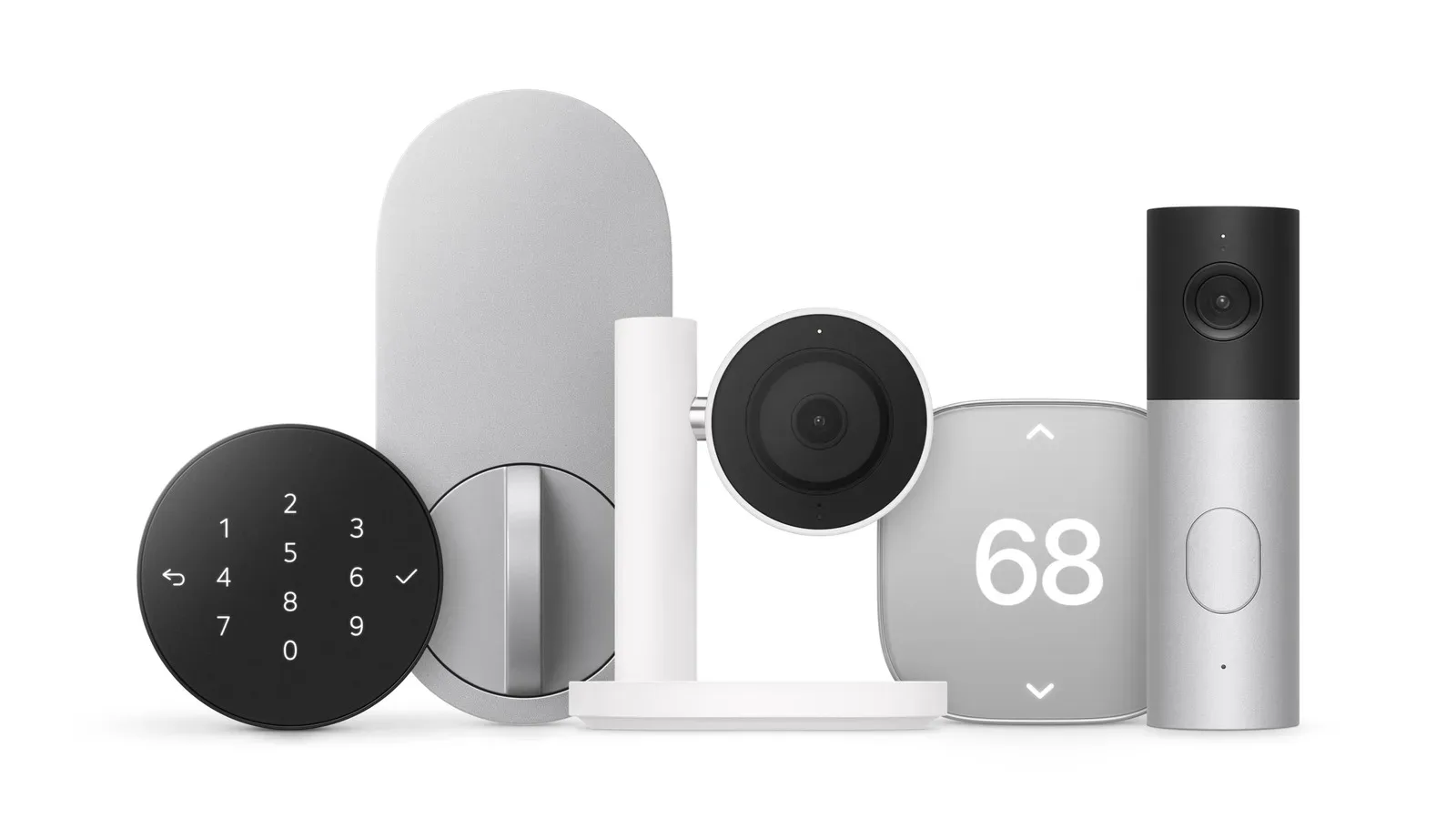
Ugreen’s current compatibility list includes products from Aqara, ThirdReality, SwitchBot, and Eve. The company says it plans to add further third-party support. Still, the initial scope is restricted to lights, switches, sensors, and curtains. That restriction deserves the same bold type as the compatibility logos: the announcement does not claim that every device from those brands, or every kind of smart appliance, will work immediately.
For a gaming setup, those early categories can nevertheless cover some of the less glamorous friction. Lights and switches can shape a room before a local co-op night. Sensors could provide status information. Curtains can help reduce glare on a television or monitor. None of that replaces checking cables, calibrating a display, or being considerate about who is sitting closest to the fan. It does fit the ritual around play, much like the social etiquette outlined in the unwritten rules of couch multiplayer: a good shared setup is often defined by small preparations that prevent petty chaos later.
Uliya is the resident voice assistant
Voice interaction comes through Uliya, HomeAgent’s onboard AI assistant. Ugreen says users can ask it to control connected devices, check live device status, and look up event history. Uliya can also create voice notifications for selected events, including a package delivery or the sound of a baby crying.
There is a potentially useful distinction here between a notification system that simply reports activity and one that can answer questions about it. In a home with multiple connected devices, being able to ask for a recent event or current status could be more convenient than drilling through menus. Exactly how naturally those interactions work, how much setup they require, and what requests are understood remains to be seen.
It is also worth approaching voice automation with common sense. Announcements for important events are valuable only if they are timely, comprehensible, and configured thoughtfully. Nobody needs a tense story-game scene interrupted by an urgent vocal bulletin because a curtain decided to move. The promise is flexibility; the final experience will depend heavily on what owners choose to automate.
Three hardware tiers, with major price differences
Ugreen has identified the HA100 as the entry-level HomeAgent model. It includes storage, camera security, device control, and voice-command response. The HA100 Pro steps up to faster networking and additional compute intended for more demanding workloads. The announcement says all three configurations rise in AI-processing power, although it does not provide the complete hardware specification picture in the information available so far.
The early-bird pricing runs from $899 through $2,999 to $9,999. That range puts HomeAgent in a different conversation from a simple smart speaker, light bridge, or off-the-shelf consumer camera. At the upper end, prospective backers will likely want precise answers about storage, supported camera counts, networking, third-party integrations, ongoing software support, and how each AI feature differs by model.
The preorder structure is also tied to a forthcoming crowdfunding campaign. A $50 deposit is being offered as the route to a claimed 50% discount, with the campaign set for October 27. As with any product still moving through a Kickstarter launch, buyers should review the campaign terms, final specifications, delivery estimates, and compatibility information closely before committing.
A transparent-window power bank puts the coolant on display
HomeAgent is not Ugreen’s only fresh hardware news. The company has also launched the MagFlow Pro Magnetic Power Bank 25W, a 10,000mAh model that supports Qi2 magnetic wireless charging. Ugreen describes it as the world’s first liquid-cooled Qi2 power bank.
The cooling system includes a micro-pump that moves coolant behind a transparent window, allowing the fluid’s circulation to be visible. It is the sort of design decision that makes a practical accessory look like it has wandered out of a tiny PC-mod showcase. Whether someone wants that visible mechanical flourish on a pocket-sized battery is a question of taste, but it is a far more tangible twist than another anonymous black charging brick.
Ugreen also lists a MagFlow Pro 3-in-1 Magnetic Wireless Charging Stand 25W at $159.99. It is available through Ugreen and Amazon. The company’s announcement does not provide a price for the 10,000mAh liquid-cooled power bank in the information outlined here, so buyers should avoid assuming the stand’s price applies to the battery.
Together, the launches show Ugreen tackling two very different kinds of modern tech anxiety: the sprawling connected home that wants one local brain, and the phone battery that is sweating through another long day. HomeAgent has the more ambitious proposition, but its premium pricing and initially limited device categories mean its real value will depend on execution, expansion, and the needs of a particular household. The MagFlow Pro power bank, meanwhile, makes cooling visible—because apparently even portable power has decided that a window into the machinery is part of the fun now.
Shop the products
Check current price, model and availability at the retailer.