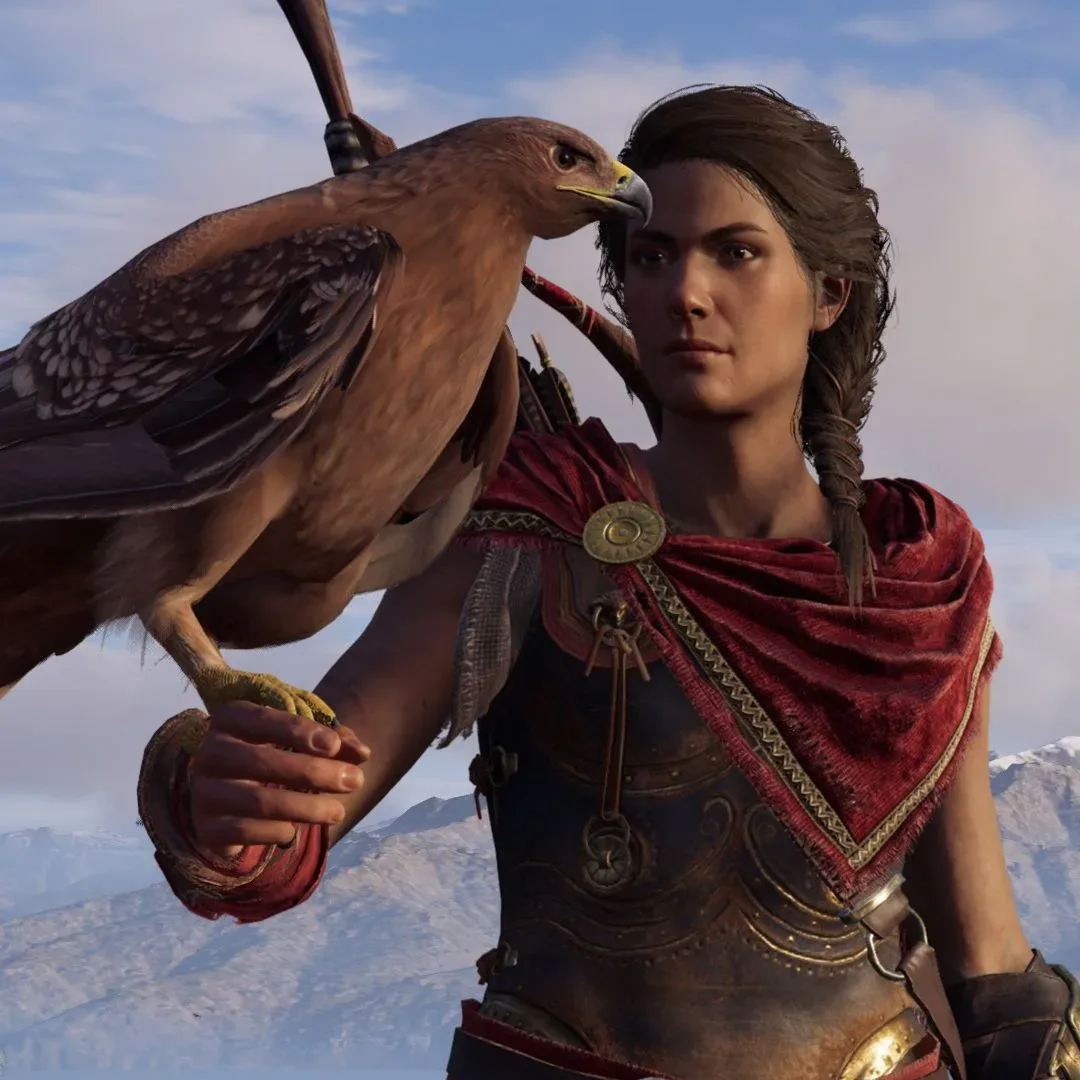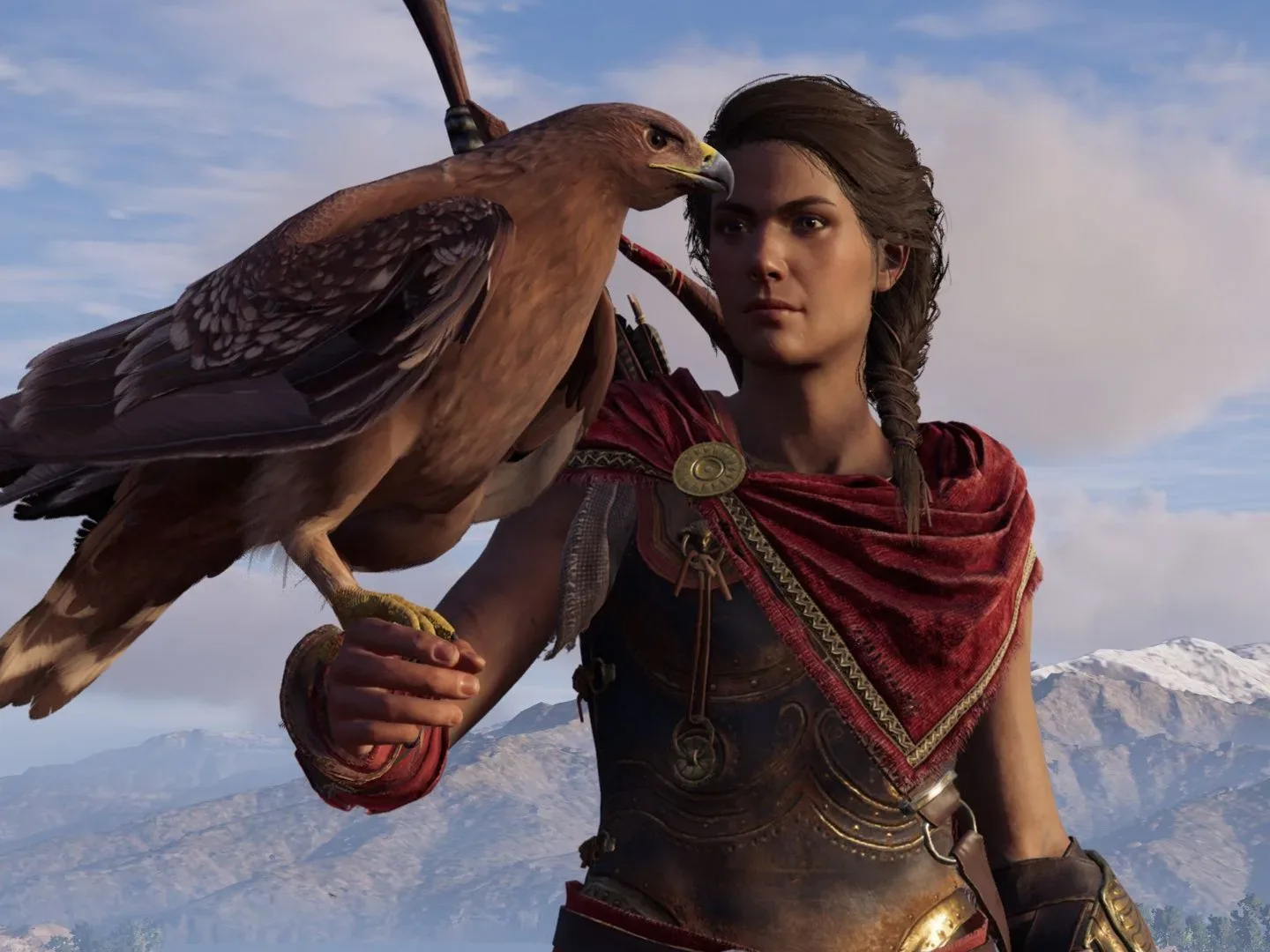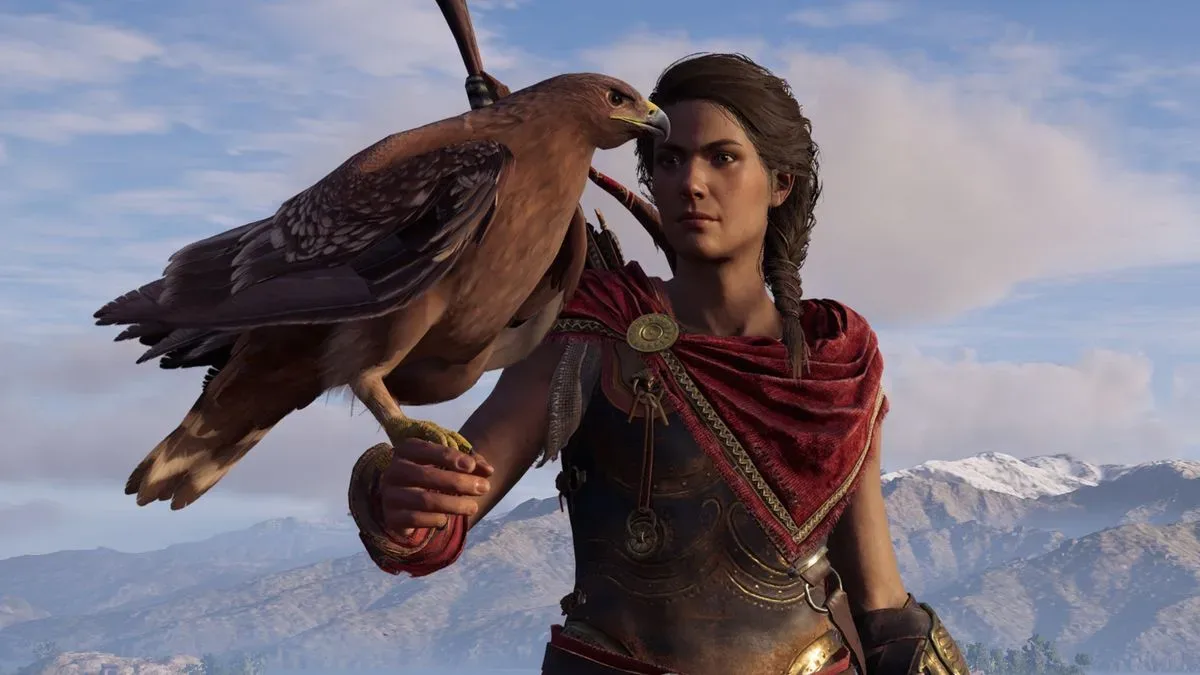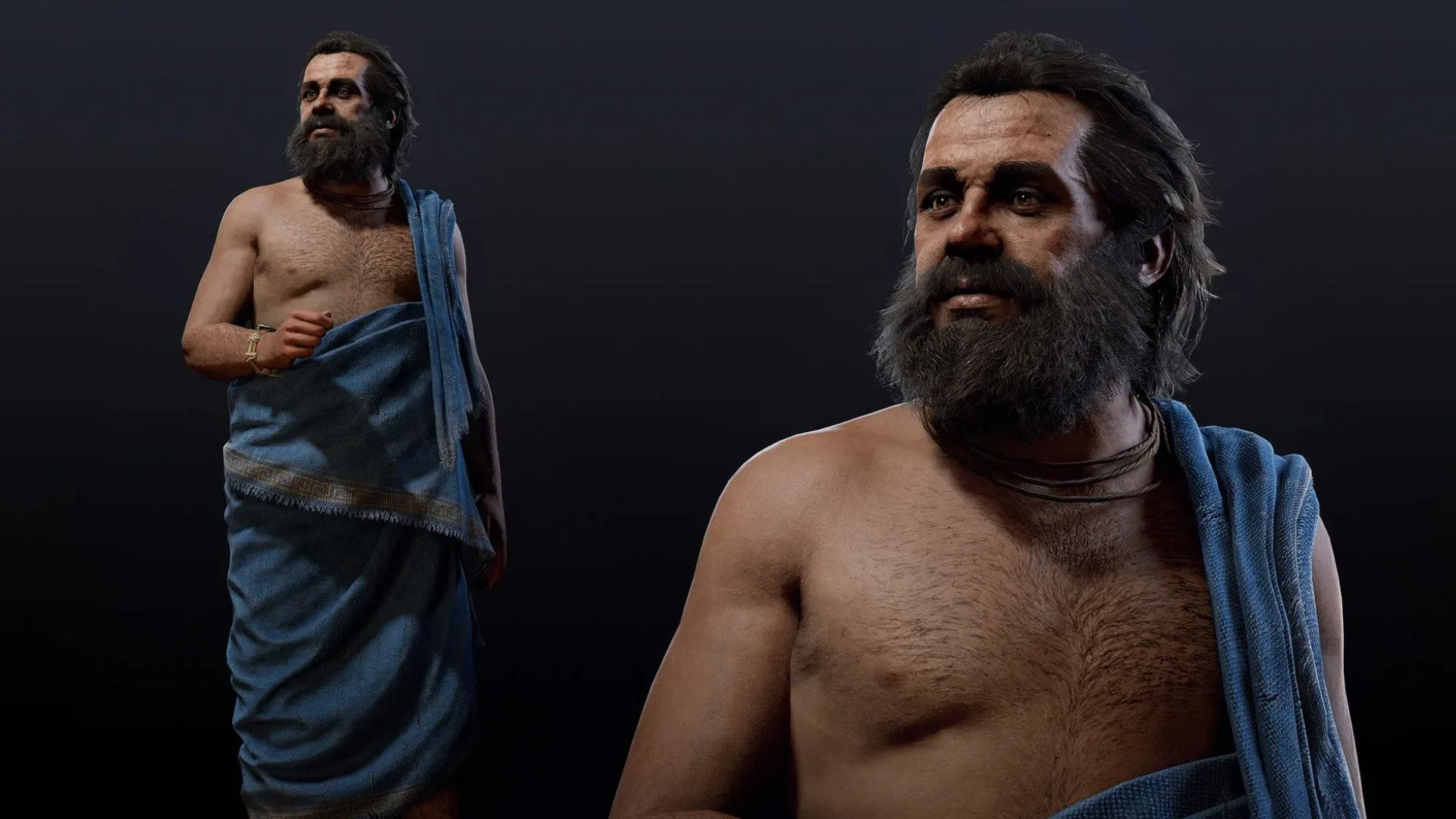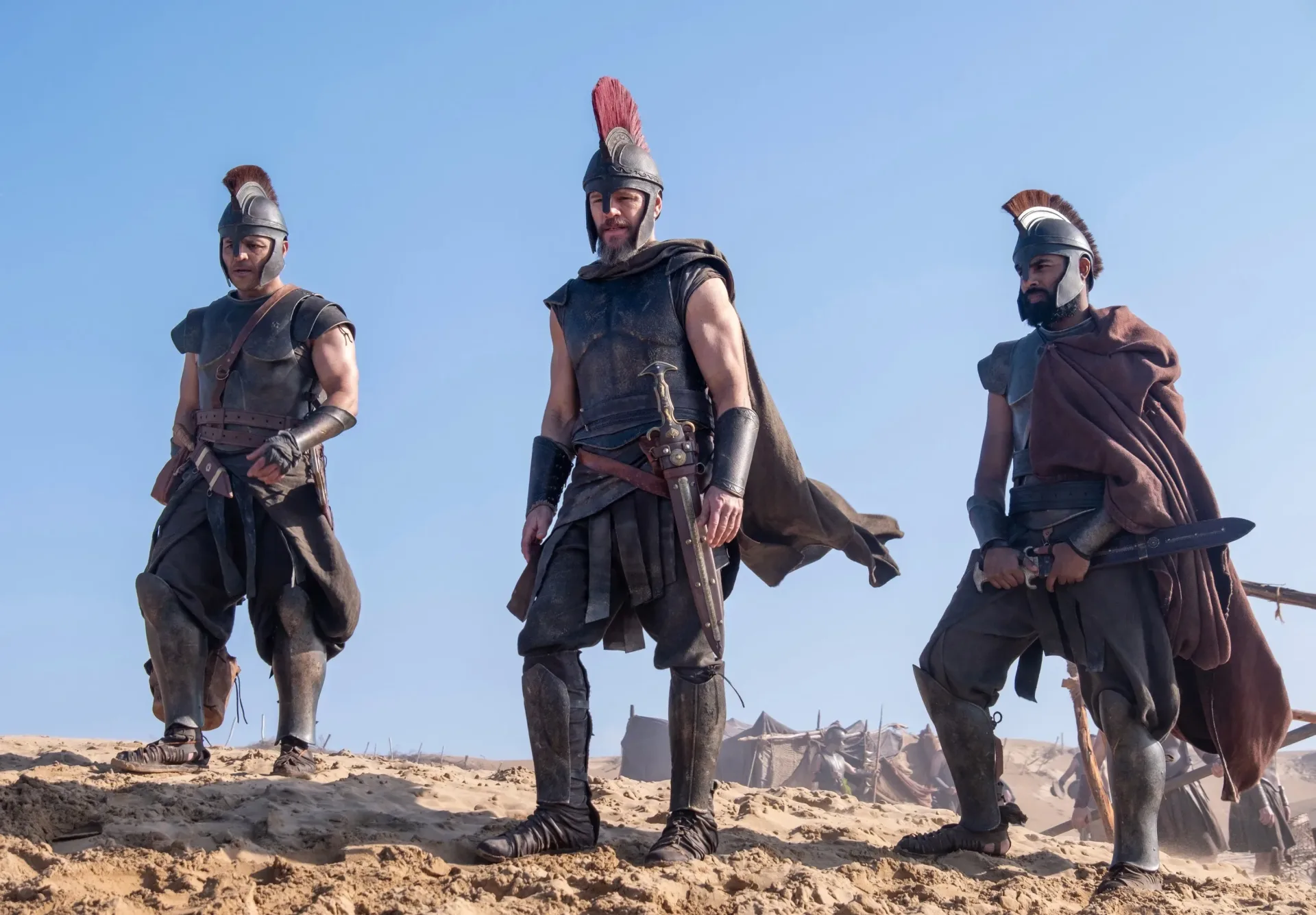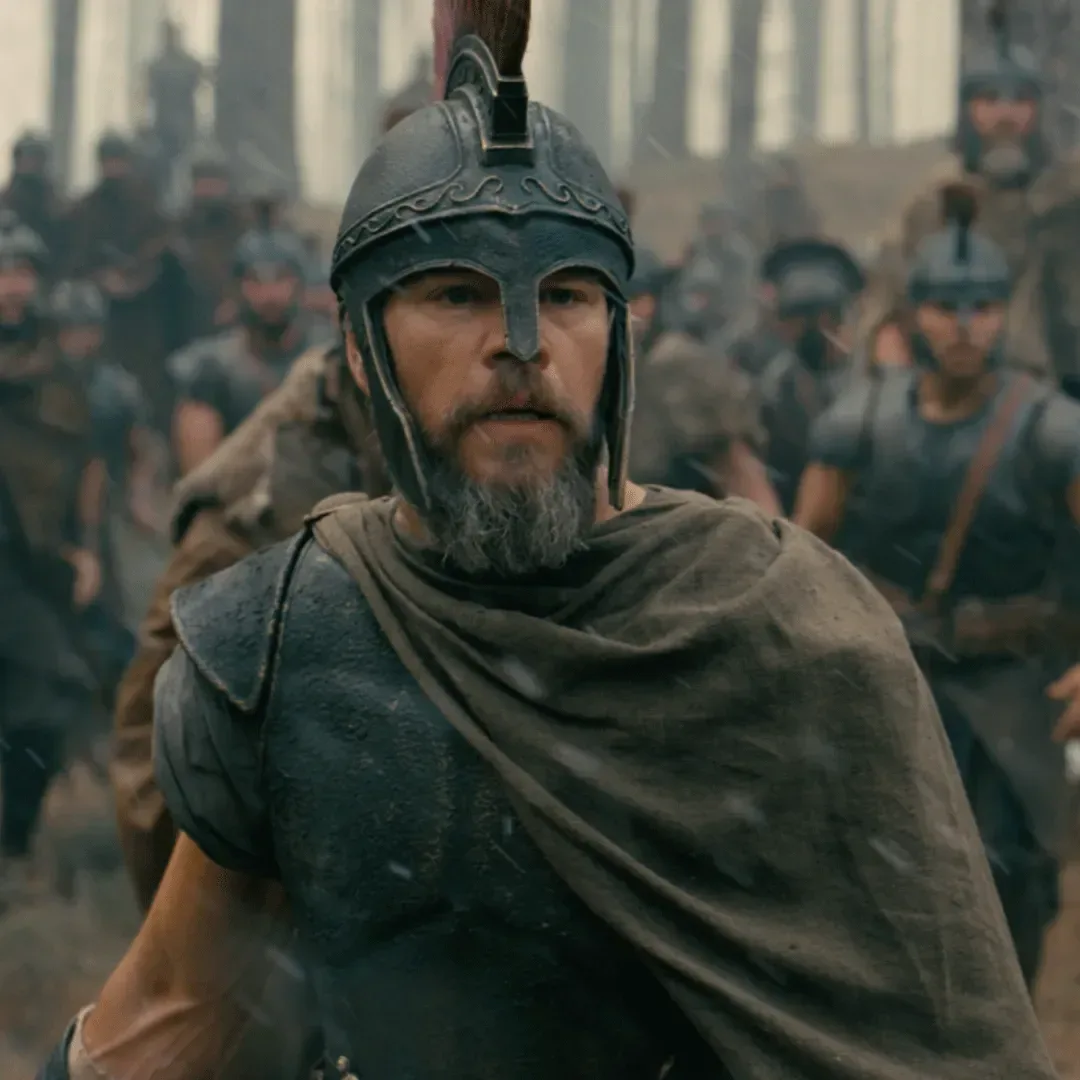
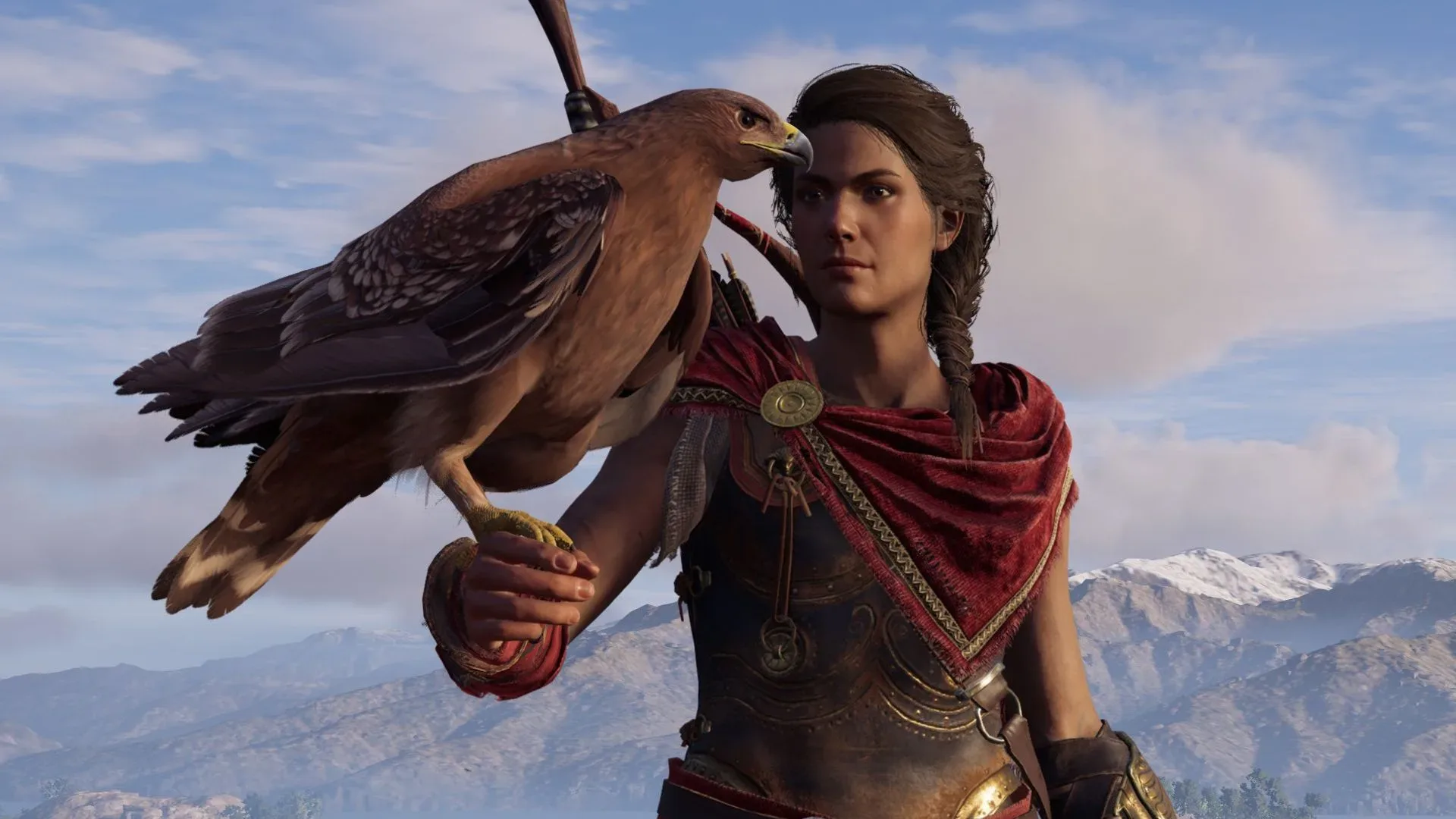
Assassin’s Creed Odyssey has received an unusually timely lift for a game released in 2018. Ubisoft says the open-world action RPG “materially benefited” from a major summer movie, a remark that follows widespread attention around Christopher Nolan’s The Odyssey and a reported jump in engagement for the Greek-set game.
In its latest financial report, Ubisoft did not name the film or its director. Its wording instead pointed to “a major summer movie” while discussing solid performance across the broader Assassin’s Creed back catalogue. But the timing and shared Greek backdrop make the connection clear: audiences newly interested in an Odyssey-flavoured epic appear to have found a natural interactive companion in Ubisoft’s vast ancient-Greece adventure.
The result matters beyond one successful catalogue title. It is a useful example of how a game can regain cultural momentum without a newly released expansion, sequel, or major content patch. A high-profile film can create renewed curiosity around a setting, a mythic tradition, or a particular visual world. In this case, that curiosity seems to have travelled from cinemas to digital storefronts and backlogs.
What Ubisoft actually said
Ubisoft’s report framed the effect as part of a larger healthy period for older Assassin’s Creed releases. The company said the rest of the catalogue performed strongly, aided by promotional activity, then singled out Assassin’s Creed Odyssey as having materially benefited from the summer movie’s arrival.
“The rest of the Assassin’s Creed catalog also performed strongly, supported by effective promotional campaigns. Assassin’s Creed Odyssey also materially benefited from the release of a major summer movie...”
That is meaningful language, even if Ubisoft has not supplied a precise sales figure or a public breakdown showing exactly how much of the uplift came from the film rather than promotions. “Materially benefited” indicates the company considers the impact significant enough to flag in an investor-facing update. It should not, however, be read as proof of a one-to-one relationship or as confirmation that every player who returned did so because of the movie.
Earlier in the summer, Alinea Analytics reported a 90% increase in player engagement after the blockbuster’s release. Engagement is not the same measure as sales: it generally describes player activity, whereas sales track purchases. Still, the two can reinforce one another. A larger active audience can improve a game’s storefront visibility and social conversation, while fresh purchases can increase the active-player total. Ubisoft’s later statement adds corporate weight to the idea that the renewed attention had commercial consequences.
A shared setting, not a film adaptation
Anyone approaching Assassin’s Creed Odyssey expecting a strict playable version of Nolan’s film should set expectations carefully. Ubisoft’s game is not presented as a direct adaptation. It is an original Assassin’s Creed story and uses ancient Greece as a huge action-RPG playground rather than following a film’s scene-by-scene structure.
Related coverage includes Ubisoft Says Christopher Nolan's The Odyssey Boosted Assassin's Creed Odyssey Sales.
That distinction is central to why the crossover can still work. The connection is thematic and atmospheric, not licensed narrative continuity. Viewers energized by Greek landscapes, maritime adventure, legendary figures, and the broad idea of an odyssey can find a game built around adjacent interests—even if its plot, characters, and interpretation of the era are its own.
An open-world action RPG combines exploration and combat with role-playing systems such as character progression and player-directed choices. “Open world” means the game offers a large navigable environment rather than moving players only through a fixed linear route. For a renewed audience looking to spend time in a Greek-inspired world rather than merely revisit a two-hour film experience, that structure makes Odyssey an obvious catalogue candidate.
There is an amusingly straightforward logic to it: if one Odyssey ends and the urge to roam sunlit islands, chase mythic stakes, and sail across the Aegean-like waters remains, Ubisoft already has an enormous digital map waiting. It is not the same Odyssey, but it speaks a familiar cultural language.
Why an older single-player game can suddenly move again
Eight years after launch, a single-player game producing this kind of visible resurgence is notable. New releases normally dominate attention because marketing, reviews, and conversation concentrate around launch windows. Catalogue games, often called back-catalogue or backlog titles, have a different path: they can sit quietly for years and then benefit from an outside event that makes them newly relevant.
Hollywood exposure is particularly powerful when the film and game overlap in subject matter. The movie does not need to advertise the game directly for the association to form in the audience’s mind. A viewer interested in a setting can search for related games; platform recommendation systems, community discussion, sales promotions, and a game’s own existing reputation can then make that discovery easier.
That is also why Ubisoft’s mention of promotional campaigns deserves attention. The report describes strong catalogue performance as being supported by promotions, while separately noting the movie-related benefit to Odyssey. The available information does not establish which factor did the most work. More likely, the interest generated by the cultural moment and the company’s efforts to surface its older games were mutually helpful.
For players, the practical implication is simple: a renewed player base can make an older title feel less like a solitary archaeological dig. More people are likely to be discussing the game, sharing discoveries, comparing choices, and recommending a route into its enormous world. That does not alter the game’s core single-player design, but it can make the surrounding conversation livelier.
There is evidence of that visibility translating into a reputational bump, too. Following the summer surge, Assassin’s Creed Odyssey became the highest-rated game in the series on Steam. Steam user ratings are community feedback rather than a uniform editorial score, so they represent the opinions of participating players and can change as additional reviews arrive. Even so, the placement underscores just how strongly the old game re-entered public discussion.
Odyssey’s place in Ubisoft’s wider Assassin’s Creed plan
The financial update pairs the Odyssey observation with another major series milestone: Ubisoft says Assassin’s Creed Valhalla has passed 40 million players. A player total is broader than a unit-sales total and should not be treated as an identical metric, but it indicates the continued reach of the franchise’s recent releases.
Ubisoft also says the series will mark its 20th anniversary next year with a year of reveals, updates, rewards, and community moments in preparation. No specific reveal, update, reward, or event was detailed in the provided information. The key takeaway is that Ubisoft is positioning the anniversary as a franchise-wide moment, not merely a nod to a single new game.
That makes the Odyssey revival strategically interesting. A thriving catalogue gives a long-running series more entry points. A person can encounter Assassin’s Creed through the latest instalment, an older favourite, a seasonal promotion, a historical interest, or—in this case—a separate movie with a similar ancient-Greek appeal. Each route increases the chance of bringing someone into the wider franchise ahead of planned anniversary activity.
The company has also been exploring how technology may shape its games, including its work discussed in Ubisoft’s Motherbrain initiative. That is a separate subject from the Odyssey bump, but together the stories illustrate a company balancing future-facing development ideas with the enduring value of games already in its library.
Analysis: relevance can be as valuable as new content
The clearest lesson is not that every film will revive every similarly themed game. A shared title or setting alone does not guarantee attention. Assassin’s Creed Odyssey already had an established identity, an expansive Greek setting, and an accessible fit with people seeking a game after a major mythology-adjacent movie. Ubisoft’s promotional support also formed part of the backdrop.
But the episode does show how cultural relevance can extend a game’s commercial life. The crucial ingredient was not a new mandatory reason to return inside the software. It was a new reason outside the software to care about ancient Greece and the concept of an odyssey. Once that interest existed, a large, recognizable game built in the same broad territory was ready to catch it.
For publishers, that suggests catalogue stewardship is more than keeping an old game technically available. It means recognizing when outside cultural events create a legitimate new audience pathway. For players, it is a reminder that a game’s best time to play is not always its release week. Sometimes an old map becomes newly inviting because another medium has put its world back in the imagination.
Assassin’s Creed Odyssey may not be Nolan’s story in controller form. Yet Ubisoft’s own financial comments indicate that the proximity was enough to matter—giving an eight-year-old Greek sandbox a second wind and demonstrating that, occasionally, the most effective DLC is public fascination with the thing your game was already about.