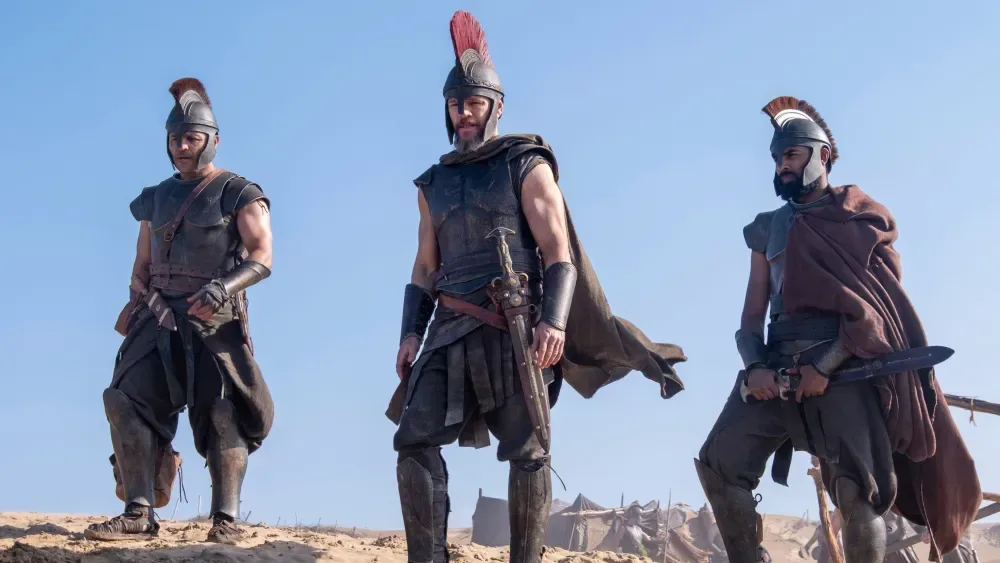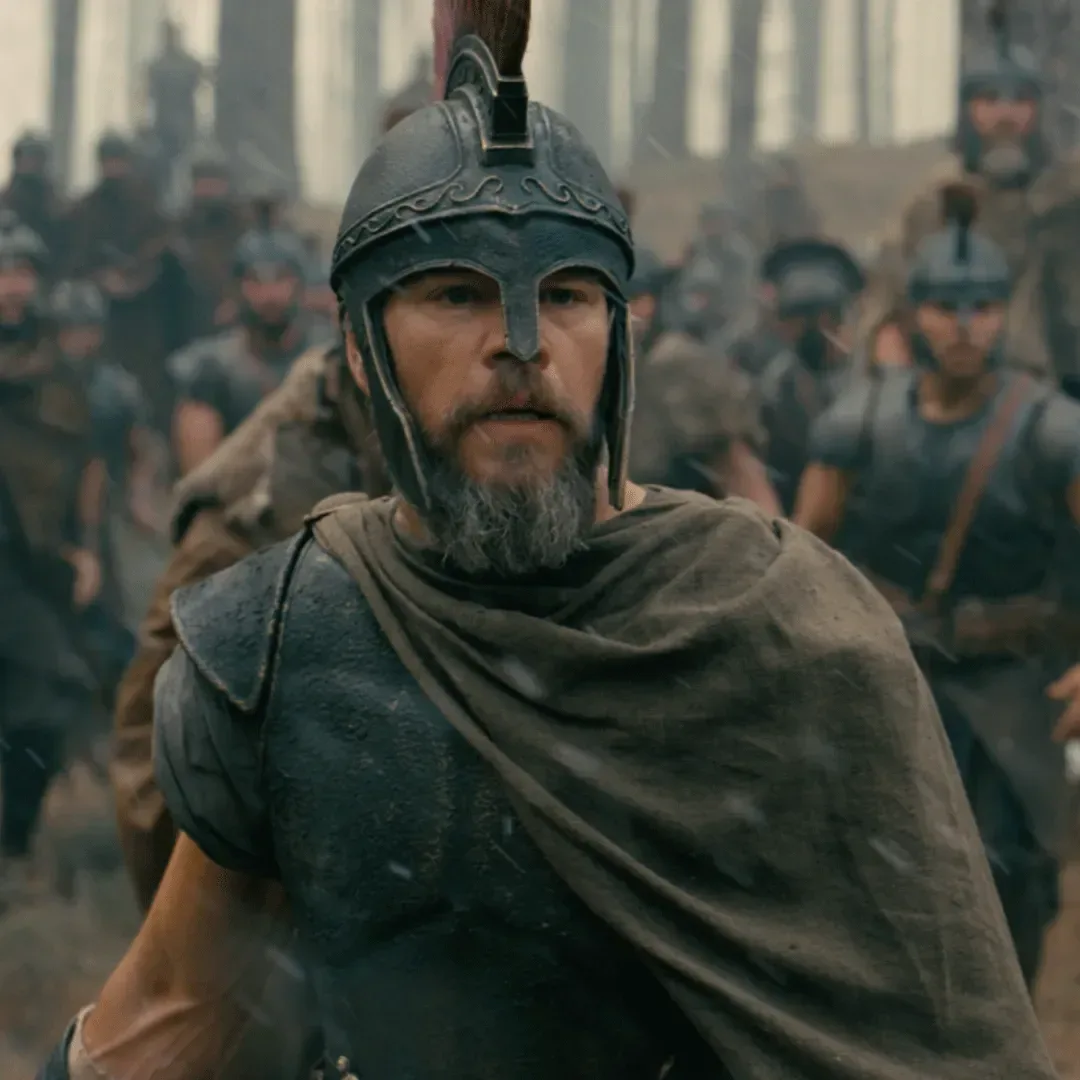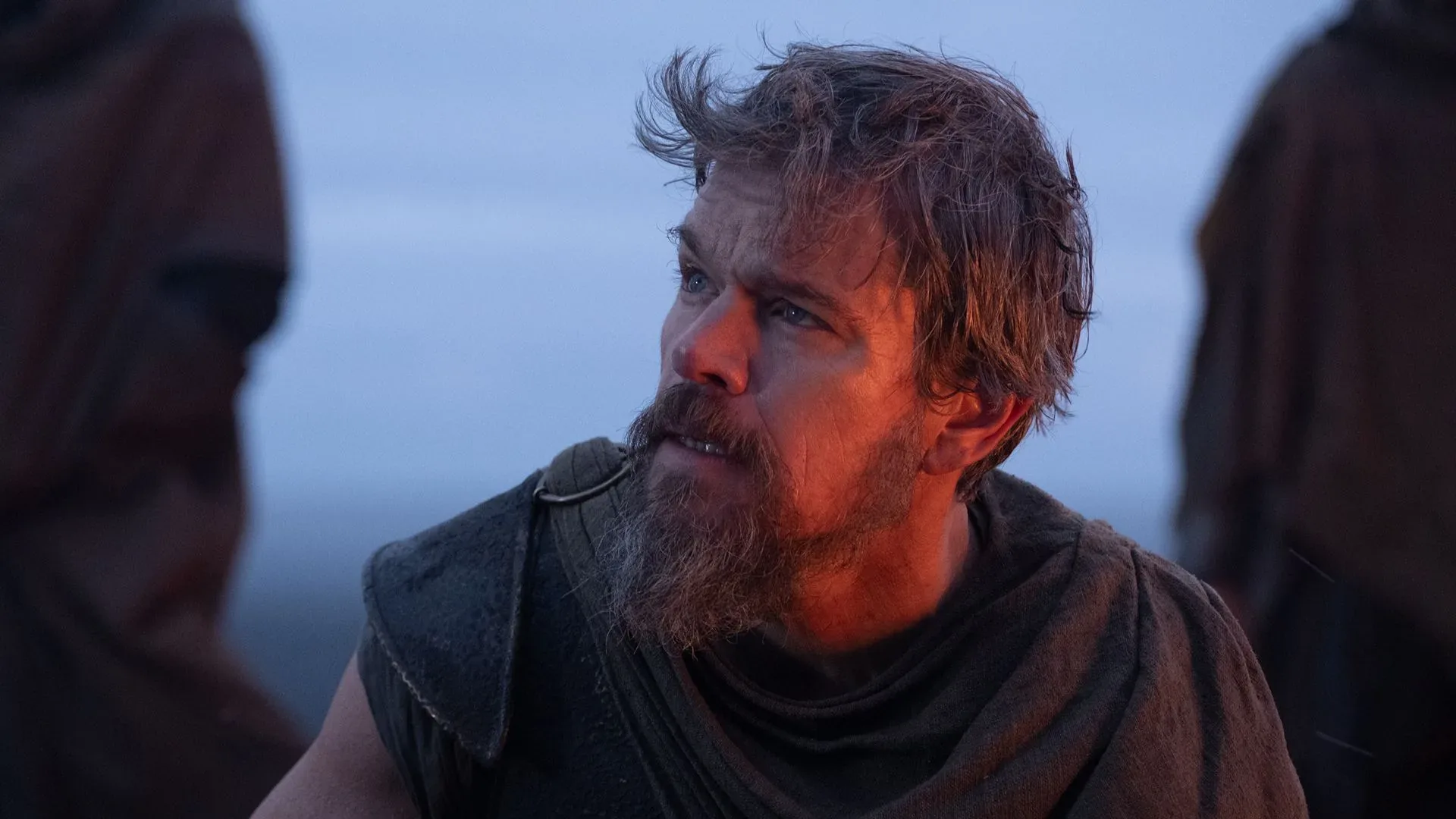
Christopher Nolan’s The Odyssey has sailed into a new tier of blockbuster history. Less than two months after reaching theaters, the Matt Damon-led epic has become the highest-grossing film ever released by Universal Pictures, passing the studio’s previous record holders with a worldwide total projected at $1.68 billion.
The numbers behind the milestone are enormous: roughly $601.2 million domestically and $1.083 billion internationally. For Universal, a company with 114 years of film history behind it, the achievement is especially notable not simply because of the total, but because it was reached by an original cinematic interpretation of ancient material rather than a modern franchise sequel.
It is a result that makes a strong case for Nolan as one of theatrical exhibition’s most reliable event filmmakers. His films can be dense, technically elaborate and unapologetically large in scale, yet audiences have repeatedly treated them as reasons to leave the couch and seek out the biggest screen available. The Odyssey appears to have turned that tendency into its most spectacular commercial form yet.
A record book with very little room left
Universal’s all-time studio record is only one part of the film’s run. The Odyssey is now Nolan’s highest-grossing movie, surpassing the lifetime results of his previous releases. It also delivered the largest opening weekend of his career, moving ahead of The Dark Knight Rises on that measure.
Its other reported milestones underline how unusually broad the audience response has been:
- The highest-grossing R-rated film in history.
- The biggest IMAX earner ever.
- The first non-sequel film to make more than $1 billion outside North America since 2009.
- A return to the No. 1 box-office spot in its eighth weekend in theaters.
Each of those records measures a slightly different kind of strength. A massive opening can reflect anticipation; a climb past $1 billion internationally requires global appeal; an eighth-weekend return to the top spot suggests that demand has not been confined to the first burst of curiosity. Put together, they describe a theatrical run that has kept finding audiences well after its debut.
The IMAX figure is particularly fitting for a filmmaker whose work has become closely associated with premium-format presentation. The format has long been a meaningful part of Nolan’s theatrical identity, and The Odyssey has pushed that relationship into historic territory. A movie becoming the format’s highest earner is more than a footnote: it indicates that moviegoers repeatedly chose the higher-scale option for a film built to make scale feel essential.
An old story, presented as a modern event
The material behind The Odyssey is hardly new. Homer’s epic poem has existed for roughly 3,000 years, which makes calling it “intellectual property” a little funny in the corporate sense. Still, the distinction matters at the box office. The film is not a sequel, and its unprecedented overseas result arrives in an era when continuing installments and established cinematic brands are frequently assumed to be the safest commercial bets.
That does not mean Nolan was working without recognizable ingredients. He is a major filmmaking name, Damon is a major star, and the production assembled a high-profile cast. Yet those assets are different from the immediate shorthand of a numbered sequel or a franchise logo. The apparent draw here was the promise of a vast, carefully constructed movie experience based on a foundational tale, delivered by a director audiences associate with spectacle and ambition.
The production was shot around the world, a globe-spanning approach that aligns naturally with the story’s legendary journey. Nolan and producer Emma Thomas made the film through their Syncopy banner, while Thomas Hayslip served as executive producer. The project’s scale was clearly part of its identity from the beginning, but the box-office run shows that scale became a selling point rather than a barrier.
Universal entertainment chairman Donna Langley described the movie as an exceptionally ambitious and accomplished work, calling it a generational event capable of energizing moviegoing itself.
That is bold language, but the commercial evidence explains why the studio is celebrating. A global total approaching $1.7 billion represents not merely a hit but a result large enough to shift the conversation around what adult-skewing, non-sequel theatrical releases can accomplish.
Why the eighth weekend matters
A movie’s opening weekend receives the loudest headlines, but longevity is often where its true cultural reach becomes visible. Reclaiming the top position during an eighth weekend is an unusual achievement, especially at the size The Odyssey has already reached. It suggests that the film maintained conversation, attracted viewers who waited through the initial rush and continued to benefit from repeat interest.
The R rating makes that staying power more striking. Ratings do not determine a movie’s fate on their own, but they can narrow the available audience compared with family-oriented releases. Becoming the top R-rated film ever while simultaneously setting the IMAX benchmark means The Odyssey broke through two perceived constraints: it was made for mature audiences, and it was positioned as a premium large-format event.
There is also a useful contrast in how audiences encounter major screen projects now. Streaming premieres and online releases can create enormous attention quickly, as illustrated by the separate YouTube-focused rollout teased in Drake’s “not so short” film project. The Odyssey, however, demonstrates the continuing ceiling for a release built around the cinema itself. Theaters remain capable of producing cultural occasions when audiences believe the format is part of the attraction.
A major validation for Universal and Nolan
The film is also the latest chapter in Nolan’s relationship with Universal. He moved to the studio following his departure from Warner Bros. in 2021, and that partnership first produced Oppenheimer, which won the Academy Award for Best Picture. Now The Odyssey has delivered a historic commercial result while also being positioned as a major awards-season contender.
That sequence is important because it combines two ambitions studios often struggle to unite: prestige and broad commercial power. Oppenheimer became an awards winner and a massive hit; The Odyssey has raised the commercial bar further. The two projects do not prove that every challenging film will generate blockbuster numbers, but they reinforce the value of filmmakers whose names have become a trusted signal for theatrical audiences.
For Langley, the milestone is a particularly visible marker of that strategy. Bringing Nolan to Universal has resulted in a Best Picture winner followed by the studio’s biggest box-office release ever. Few executive decisions receive such immediate, numerical validation.
Universal’s larger 2026 lead
The Odyssey is not operating in isolation within Universal’s year. The studio has reached nearly $5 billion worldwide in 2026 and is leading competing studios with a reported 26% market share. It was the first studio to pass $4 billion globally this year and the first to move beyond $3 billion in international revenue.
Those results place the studio in a commanding position, while the Nolan epic serves as its largest and most headline-grabbing engine. A single title cannot explain an entire yearly slate, but one release with $1.083 billion from international markets gives Universal extraordinary momentum and visibility across territories.
The key fact remains simple: The Odyssey has now surpassed every other Universal release in the company’s long history. Its route there was not the usual one. It drew from a story thousands of years old, arrived with an R rating and asked audiences to embrace a grand, big-screen journey. They did—at a scale that has rewritten Universal’s record books, Nolan’s own commercial standing and the all-time IMAX chart.