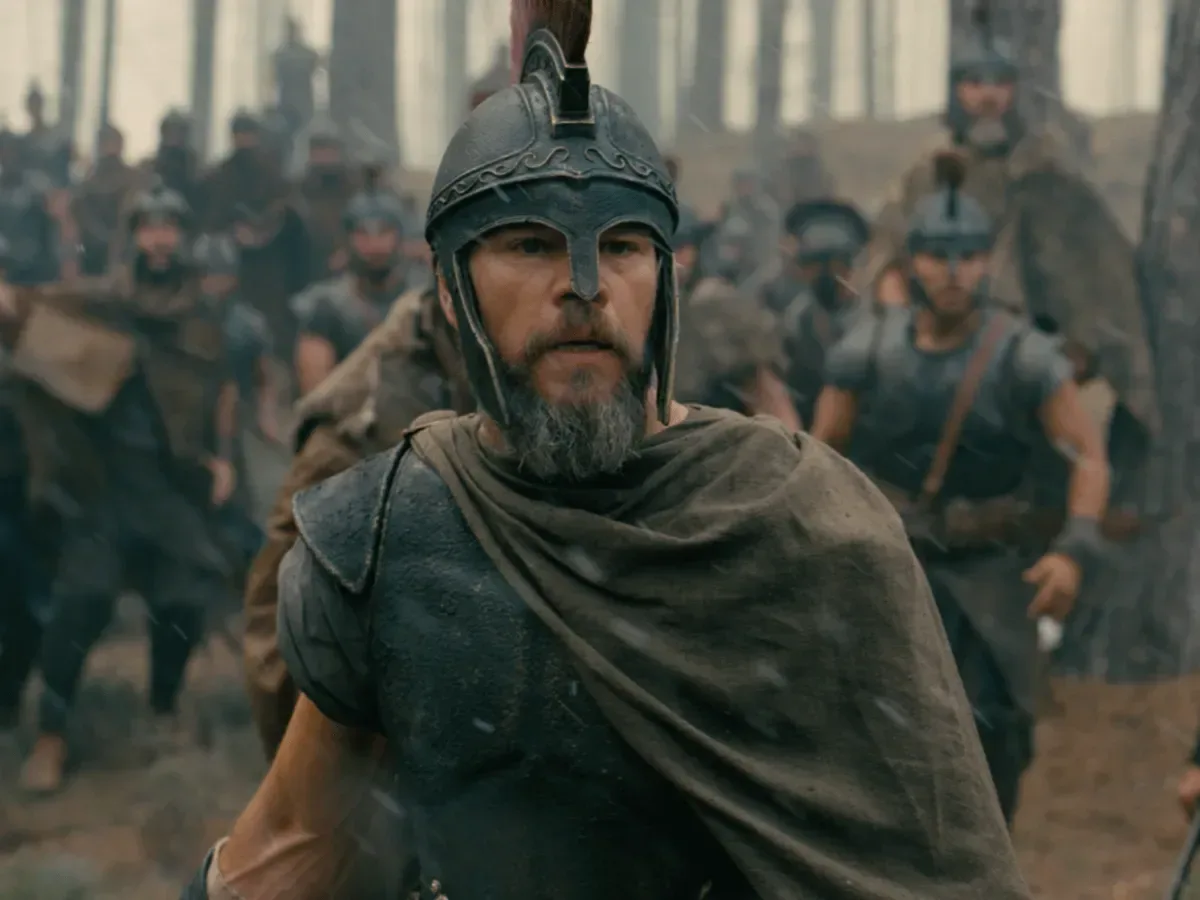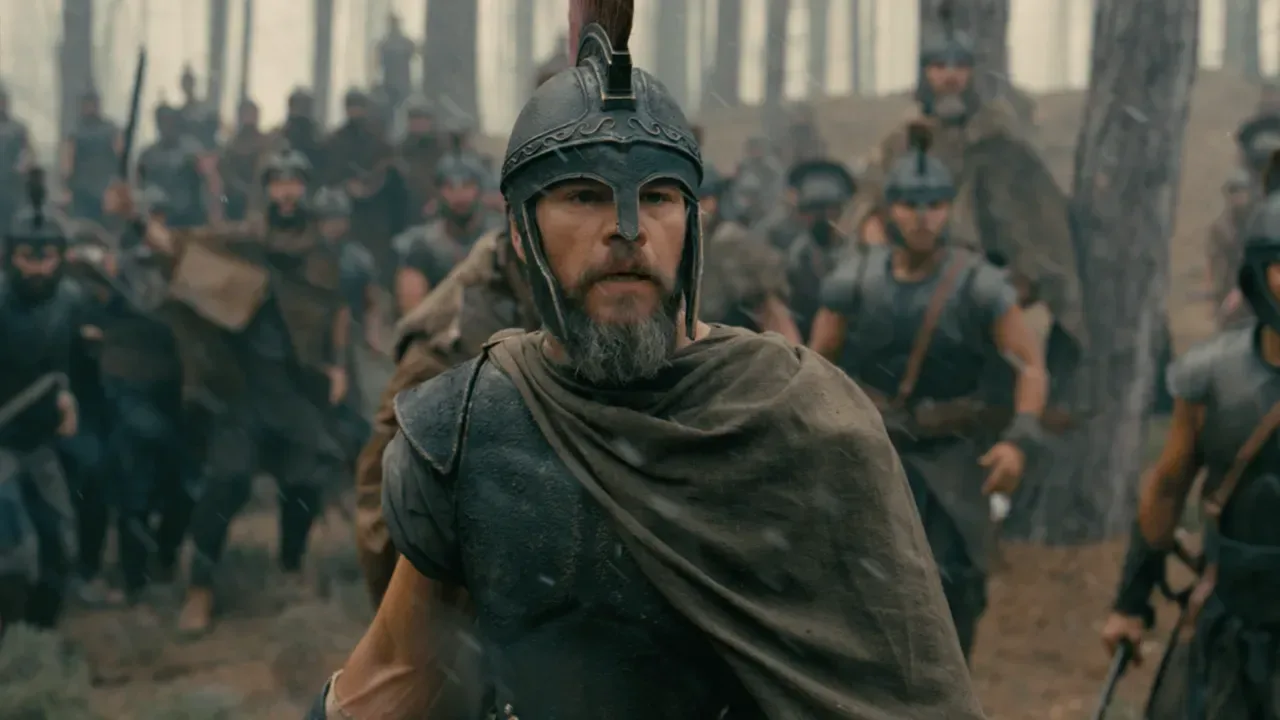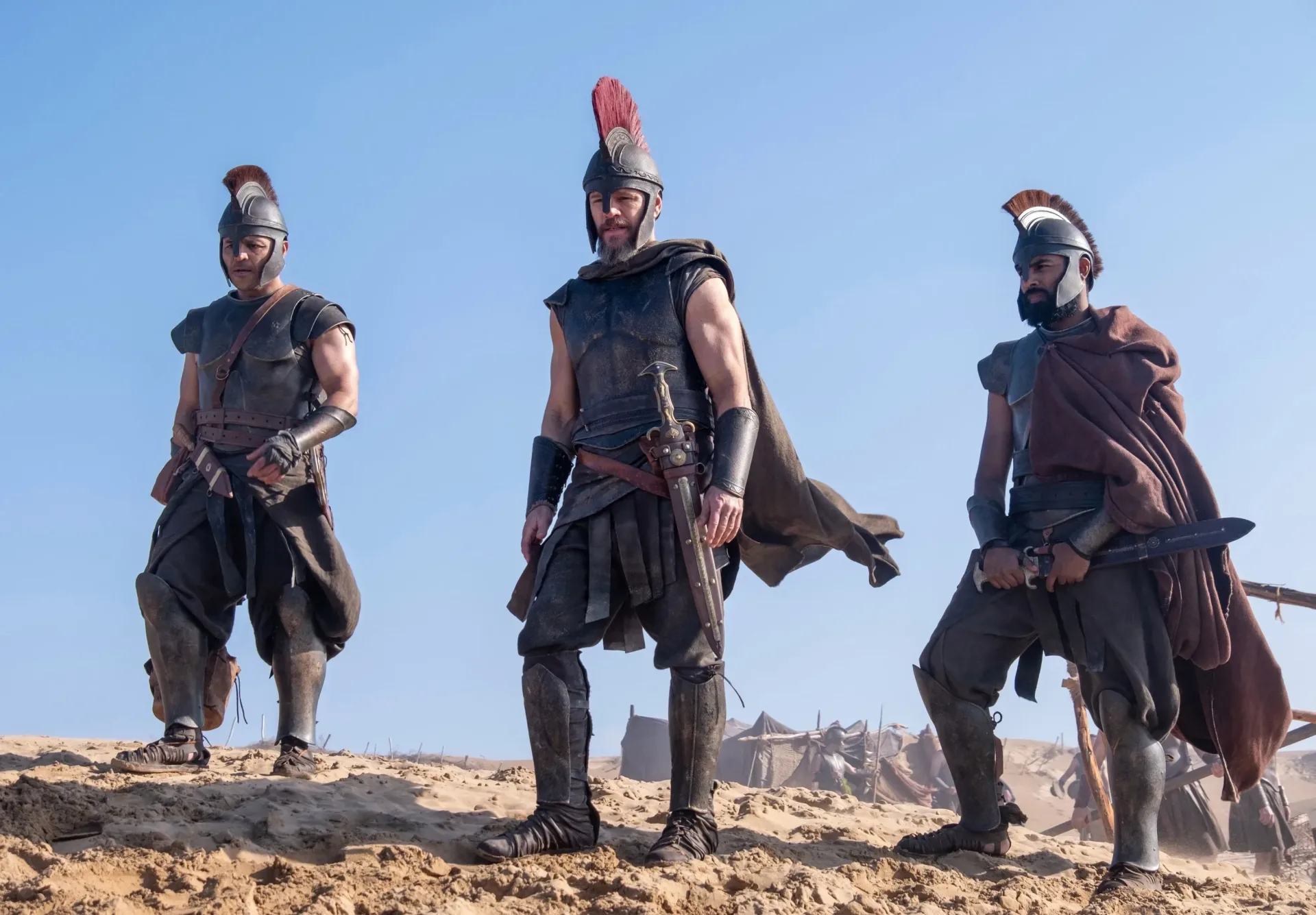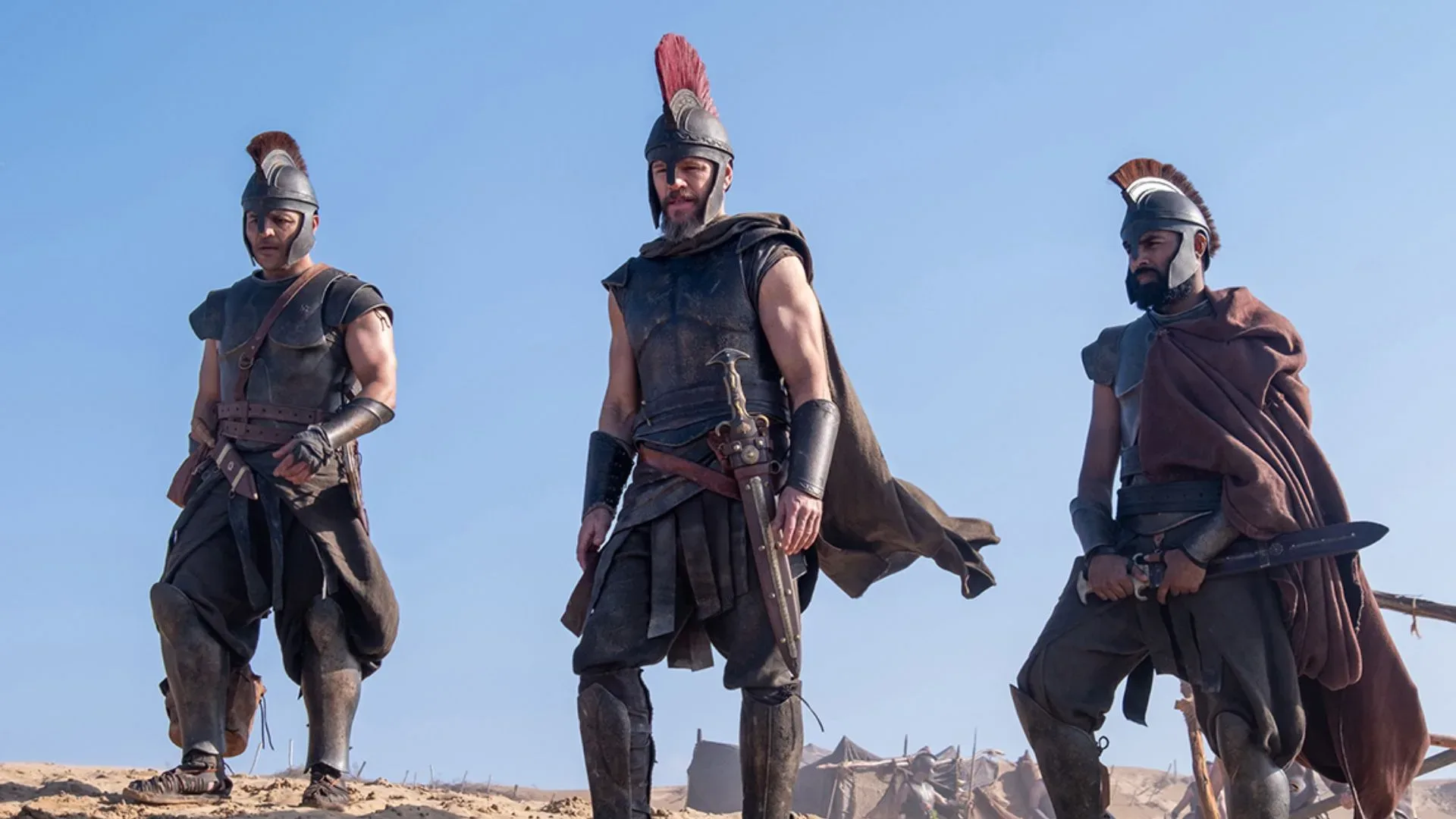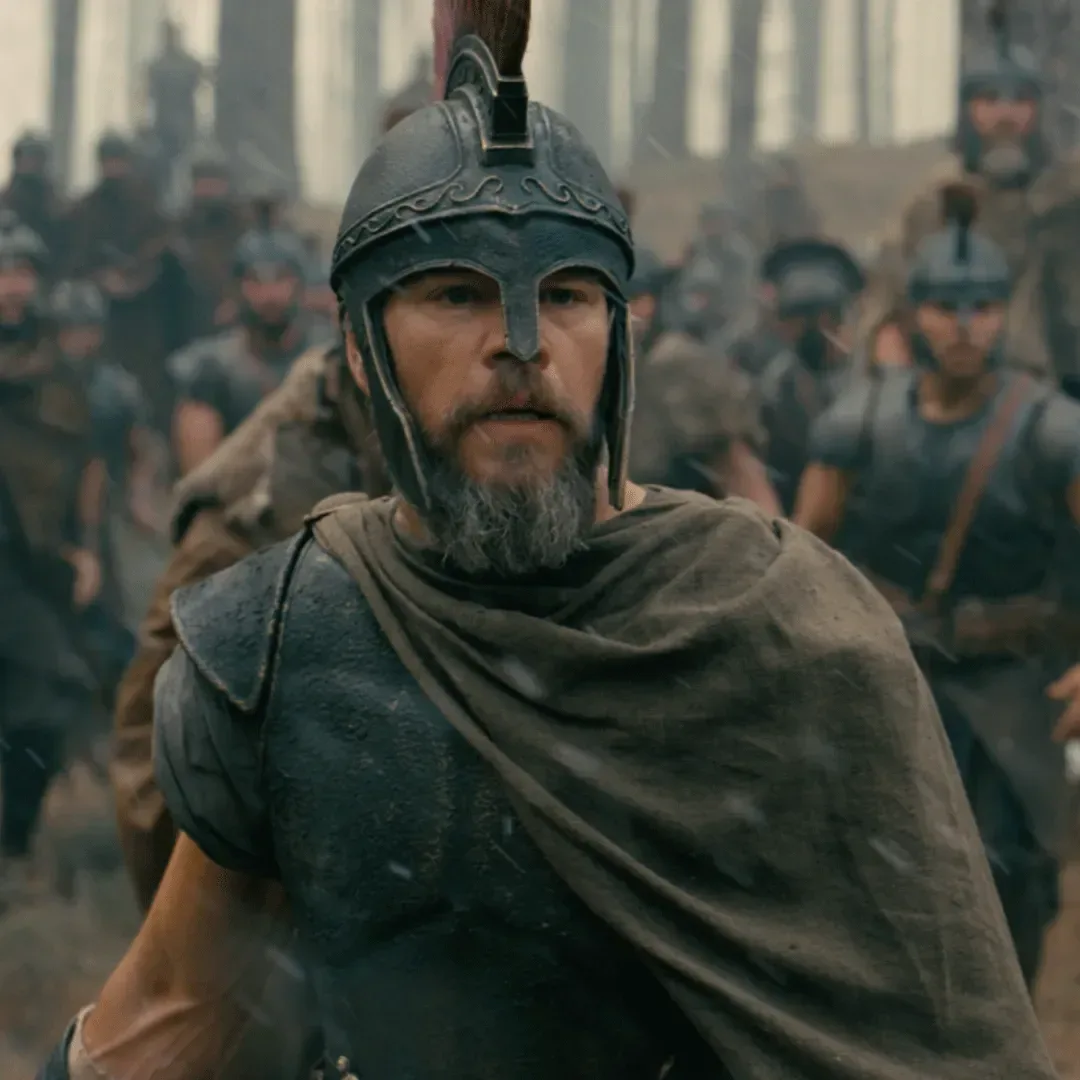
Christopher Nolan’s The Odyssey has reportedly sailed beyond another enormous box-office marker, reaching $1.59 billion worldwide during its theatrical run. The figure includes more than $1 billion from markets outside North America, placing the ancient Greek epic among a very small group of films to clear that international threshold.
The distinction matters because “worldwide” and “international” are not interchangeable box-office labels. Worldwide grosses combine North American revenue with every overseas market, while the international total counts territories outside North America. By both measures, though, The Odyssey has become a major theatrical event—and the reported $1.59 billion worldwide tally makes it Nolan’s most commercially successful film to date.
There is still time for that number to rise. The movie’s 70mm IMAX engagements have been extended through September 30, marking the second extension for the premium-format run. With relatively few venues equipped to project 70mm IMAX, those screenings have become an especially notable part of the release’s long theatrical tail.
A rare result for an original-scale blockbuster
Big franchise brands tend to dominate the billion-dollar conversation. Sequels, remakes, superhero crossovers, and long-running cinematic universes come with built-in awareness that can turn an opening weekend into a global event. The Odyssey, by comparison, is a standalone adaptation of an ancient Greek epic rather than a direct sequel or a remake.
Reportedly, it is the first film fitting that standalone, non-sequel, non-remake description to surpass the relevant billion-dollar benchmark since James Cameron’s Avatar in 2009. That comparison illustrates how unusual this outcome is. While Avatar launched a continuing franchise, its original release arrived as a new world and a new story for moviegoers. Nolan’s film has similarly been positioned as a large-scale event built around a familiar myth but a distinct cinematic interpretation.
The company it keeps is formidable. Modern billion-dollar performers include Avengers: Endgame, Star Wars: The Force Awakens, and Spider-Man: Brand New Day. Each demonstrates a different route to massive worldwide turnout: a blockbuster finale, the return of an intergenerational franchise, and a superhero property with remarkable cultural staying power. The Odyssey reaching this level underscores the remaining pull of director-driven spectacles when audiences see a reason to make the trip to a theater.
That is particularly significant in an era when moviegoing is often discussed through the lens of streaming windows, shrinking attention spans, and opening-weekend pressure. A sustained theatrical run, especially one strong enough to warrant repeat extensions of a specialized format, suggests that the film has maintained interest beyond its first wave of viewers.
The 70mm IMAX factor
The September 30 extension is more than a calendar update. 70mm IMAX is a limited resource: only a small number of screens worldwide can present the format. For audiences who value large-format exhibition, that scarcity turns individual screenings into destination showings rather than routine multiplex sessions.
Nolan has long been associated with theatrical presentation and large-format filmmaking, so the continued availability of The Odyssey in 70mm IMAX aligns closely with the way the film has been framed for audiences. The extension also gives latecomers and repeat viewers a longer opportunity to seek out the premium presentation, potentially adding further revenue after the ordinary release window might have begun to slow.
The reporting does not establish exactly how much of the film’s overall gross comes from those 70mm IMAX engagements, and it would be unwise to treat the format as the sole explanation for the movie’s performance. Still, premium screenings can play an outsized role in the cultural identity of an event film. They offer a version of the movie that is both comparatively scarce and perceived as intentionally designed for the cinema.
That perception can help keep a title in the conversation. A theatrical release is not just competing with other movies; it is competing with every at-home entertainment option available on any given evening. A distinctive format provides one straightforward answer to the question of why someone should leave the couch now rather than wait.
Another record already on the chart
The box-office story had already reached historic territory in late August, when The Odyssey reportedly overtook Deadpool & Wolverine to become the highest-grossing R-rated film of all time. The milestone prompted a playful response from Ryan Reynolds, whose social-media video combined footage of Deadpool and Wolverine fighting inside a Honda Odyssey with scenes of Odysseus and his crew moving through a forest of giants.
The joke worked because the shared “Odyssey” name did the heavy lifting, but the response also acknowledged a meaningful achievement. R-rated films can become major hits, yet they operate with an automatic audience restriction that many four-quadrant blockbusters do not face. Passing an established superhero hit in that category demonstrates the scale of the reported turnout for Nolan’s adaptation.
Reynolds also praised Nolan as a singular filmmaker and highlighted the broader value of people attending cinemas together. His remarks point to the unusually communal nature of a giant theatrical success. Box-office totals are financial measurements, but they also reflect millions of separate decisions to watch the same work in a shared environment, often during the same concentrated period.
For readers interested in how large-scale screen spectacle can sometimes clash with the heavier ideas underneath it, Joking Joystick recently looked at that tension in Everest: The Other Side Review — Spectacle Can’t Outrun Its Tragedy. In the case of The Odyssey, the enormous box-office response suggests spectacle itself has been one of the film’s central draws, alongside the stature of Nolan and the enduring appeal of Homeric adventure.
A summer defined by giant theatrical releases
The Odyssey was not the only title making extraordinary claims this summer. Spider-Man: Brand New Day reportedly surpassed the domestic record previously held by Avengers: Endgame, became the highest-grossing Spider-Man movie, and crossed $2 billion in theaters. Taken together, the performance of those two films made the season feel defined by event releases rather than modest successes.
That does not mean every lesson from their results can be neatly generalized. Spider-Man is one of entertainment’s most recognizable characters, while The Odyssey is rooted in an epic that has been read, adapted, taught, and reinterpreted for centuries. Their commercial paths are different, even if both culminated in unusually large ticket sales.
What they share is a scale that audiences could understand immediately. One offered a famous superhero in a franchise context. The other offered a celebrated filmmaker’s rendering of a foundational adventure, backed by a cast that includes Matt Damon and Tom Holland. In an overcrowded media landscape, clear event status remains valuable.
Why the reporting needs careful reading
The headline numbers around The Odyssey are substantial, but box-office language can become confusing when milestones are summarized too quickly. The reported worldwide total is $1.59 billion. The international total refers only to the revenue outside North America and is said to have passed $1 billion. Those are complementary figures, not competing ones.
Likewise, claims about ranking should be read with the measurement attached. A film can be the highest-grossing R-rated release, hold a domestic record, achieve a worldwide position, or reach a particular international threshold; each is a separate comparison. The available reporting identifies The Odyssey as Nolan’s biggest commercial film and as the 17th movie to cross the stated international billion-dollar mark.
Even with that terminology in mind, the core story is simple: an epic adaptation has reportedly become one of the biggest theatrical releases ever associated with its director, and its specialized 70mm IMAX showings are still running for several more weeks. Whether audiences are returning for the format, the scale of the myth, Nolan’s reputation, or the chance to participate in a shared cultural event, the film’s voyage has clearly not reached its final port yet.