Ubisoft is cutting 166 positions across its Montréal and Québec City operations in another restructuring move affecting two of the company’s most important development hubs. The reductions land at studios closely associated with major Assassin’s Creed and Far Cry releases, and arrive while questions remain over the next phase of Ubisoft’s release slate.
The company said the changes reflect an evolving portfolio and changing production requirements. It did not specify which projects the affected employees had been supporting, whether particular teams were reduced, or whether any games have been cancelled. That absence of detail is significant: a staffing change can mean anything from a project reaching a different production phase to an unrevealed game being reshaped or discontinued.
“As our portfolio evolves, our production needs are changing, requiring us to adjust the size of some teams to ensure our resources are aligned with current production priorities and business needs,” Ubisoft said.
What Ubisoft has confirmed
The confirmed figure is 166 eliminated roles spread between Montréal and Québec City. Ubisoft said employees affected by the reductions are being offered severance, extended health-care benefits, career-transition services, and other resources.
The company framed the decision as an effort to align staffing with current priorities. In game development, that language generally describes resource allocation: a publisher deciding which active projects receive people, funding, and support as its planned lineup changes. It does not, by itself, identify a specific game, studio discipline, or cause for an individual departure.
Information available about the restructuring indicates that the roles include people working on projects that were cancelled or refocused, along with staff who could not be reassigned as the number of active projects fell. “Reassigned” matters here. Large publishers can sometimes move developers between teams, but that depends on an open role matching an employee’s skills, location, timing, and the needs of the receiving project. Fewer active productions mean fewer possible landing spots.
Why the Montréal and Québec City cuts stand out
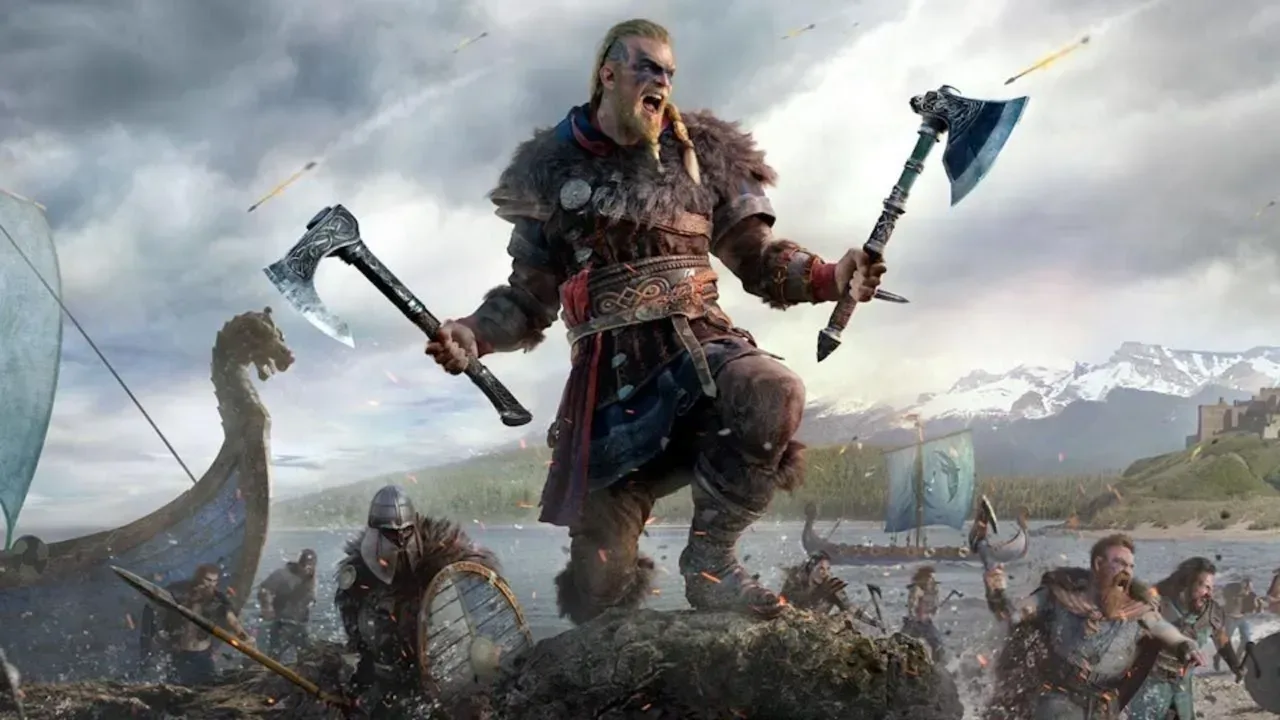
Ubisoft Montréal has long served as a major development center for the company’s biggest franchises, including Assassin’s Creed and Far Cry. Québec City is also a key Assassin’s Creed studio and most recently launched Assassin’s Creed Shadows last year. Reductions at either location have wider importance than a simple headcount change because these are teams tied to marquee series rather than peripheral operations.
That does not mean every affected employee was making Assassin’s Creed or Far Cry. Ubisoft has not named the projects involved, and it would be inaccurate to attach the 166 roles to any one franchise. The practical takeaway is narrower: two studios with deep connections to Ubisoft’s biggest games are now operating after a fresh reduction in staff and after an apparent contraction in the number of projects underway.
Related coverage includes Ubisoft Cuts 166 Jobs Across Montreal and Quebec City Studios.
For players, layoffs are often read immediately as a release-date signal. The available facts do not establish one. A reduced team can affect timelines, post-launch support, or the scope of future work, but it can also reflect work that was already ending or a project changing direction. Until Ubisoft identifies affected titles or publishes a roadmap update, claims about a particular game being delayed, cancelled, or untouched would be speculation.
Assassin’s Creed Hexe remains an unanswered question
Montréal is currently working on Assassin’s Creed Hexe, a future mainline entry expected to be set during the European witch trials. The game was announced years ago, but Ubisoft has not provided a release date.
Hexe also underwent a leadership change earlier this year when creative director Clint Hocking departed during a broader Assassin’s Creed leadership shake-up. That background makes the new reductions especially notable, although there is no confirmation that the game’s team was among those affected.
A creative director helps set and maintain a game’s overall creative vision, often spanning tone, player experience, narrative direction, and the way individual departments work toward a coherent final project. A leadership change and a separate staffing reduction can each be consequential, but neither reveals the other’s direct impact. Ubisoft has not connected the 166 eliminated roles to Hexe.
The cautious reading is that Hexe remains in development, with its launch timing still unknown. The more important question for the months ahead is whether Ubisoft offers a clearer view of the project’s status, its leadership structure, or the studio’s broader role in the Assassin’s Creed pipeline.
Québec City and the post-launch picture for Shadows
Québec City’s recent work on Assassin’s Creed Shadows puts the studio in a different position. The game sold well at launch, but its post-launch content was curtailed relatively quickly compared with earlier Ubisoft blockbusters. No additional expansion plans for Shadows were announced for this year, and it is unclear what the studio’s next major assignment is.
“Post-launch content” is the work delivered after a game releases, such as expansions, updates, and other additions. The scale of that work can determine how long a release team remains staffed at a particular size. But it should not be treated as a simple measure of a game’s quality or launch success: companies make post-launch plans around their own commercial expectations, production schedules, and portfolio priorities.
Shadows had an especially prominent premise for the franchise, taking Assassin’s Creed to feudal Japan after years of community interest in that setting. Yet a strong launch does not automatically settle how long a publisher supports a game or how it staffs the studio after release. Ubisoft has not said that the changes in Québec City stem from Shadows, nor has it revealed the team’s next project.
What “portfolio” changes can mean — and what remains unknown
A publisher’s portfolio is its active and planned selection of games: projects in development, titles preparing to launch, games receiving ongoing support, and concepts still moving through early planning. If that portfolio changes, the company may shift staff away from one project and toward another. When projects are cancelled, refocused, or reduced, that process becomes more difficult because the available roles shrink as well.
- Confirmed: 166 positions are being eliminated across Ubisoft’s Montréal and Québec City operations.
- Confirmed: Ubisoft attributes the cuts to changing production needs and business priorities as its portfolio evolves.
- Confirmed: Affected workers are set to receive severance, extended health-care benefits, career-transition assistance, and additional resources.
- Reported but not title-specific: The reductions include staff connected to cancelled or refocused projects and people who could not be reassigned as active-project numbers declined.
- Unknown: Which teams, disciplines, and games are directly affected.
- Unknown: Whether any unannounced Ubisoft projects have been cancelled or whether the cuts alter the schedule for Assassin’s Creed Hexe.
Separating those categories is important. Layoff announcements frequently create a vacuum that fans fill with assumptions about individual games. Here, Ubisoft’s statement explains the company-level rationale but leaves the project-level consequences undisclosed.
A familiar concern in a volatile industry
The news also reinforces a difficult reality for game workers: high-profile franchises and big releases do not necessarily insulate studios from restructuring. A company may continue developing major games while simultaneously narrowing the set of projects it funds and changing team sizes to fit its updated plans.
That tension has been visible across the industry, including concerns that even blockbuster launches do not automatically remove job-security fears, as explored in coverage of why a major release may not end layoff concerns. Ubisoft’s latest cuts are a concrete example of the same basic issue: the status of a famous franchise and the security of every role connected to a large publisher are not the same thing.
For Ubisoft, the immediate measure of this restructuring will be whether it brings greater clarity to the company’s production plans. For the people losing their roles, the effect is much more immediate. The company’s support commitments matter, but they do not erase the disruption of an involuntary exit from an industry where large, specialized projects and stable openings can be difficult to line up at the same time.
For now, the clearest facts are the size and location of the cuts, Ubisoft’s explanation that they follow portfolio and production changes, and the uncertainty surrounding specific games. Montréal remains at work on Assassin’s Creed Hexe; Québec City’s next assignment has not been identified; and Ubisoft has not said which projects were cancelled, refocused, or left unaffected.