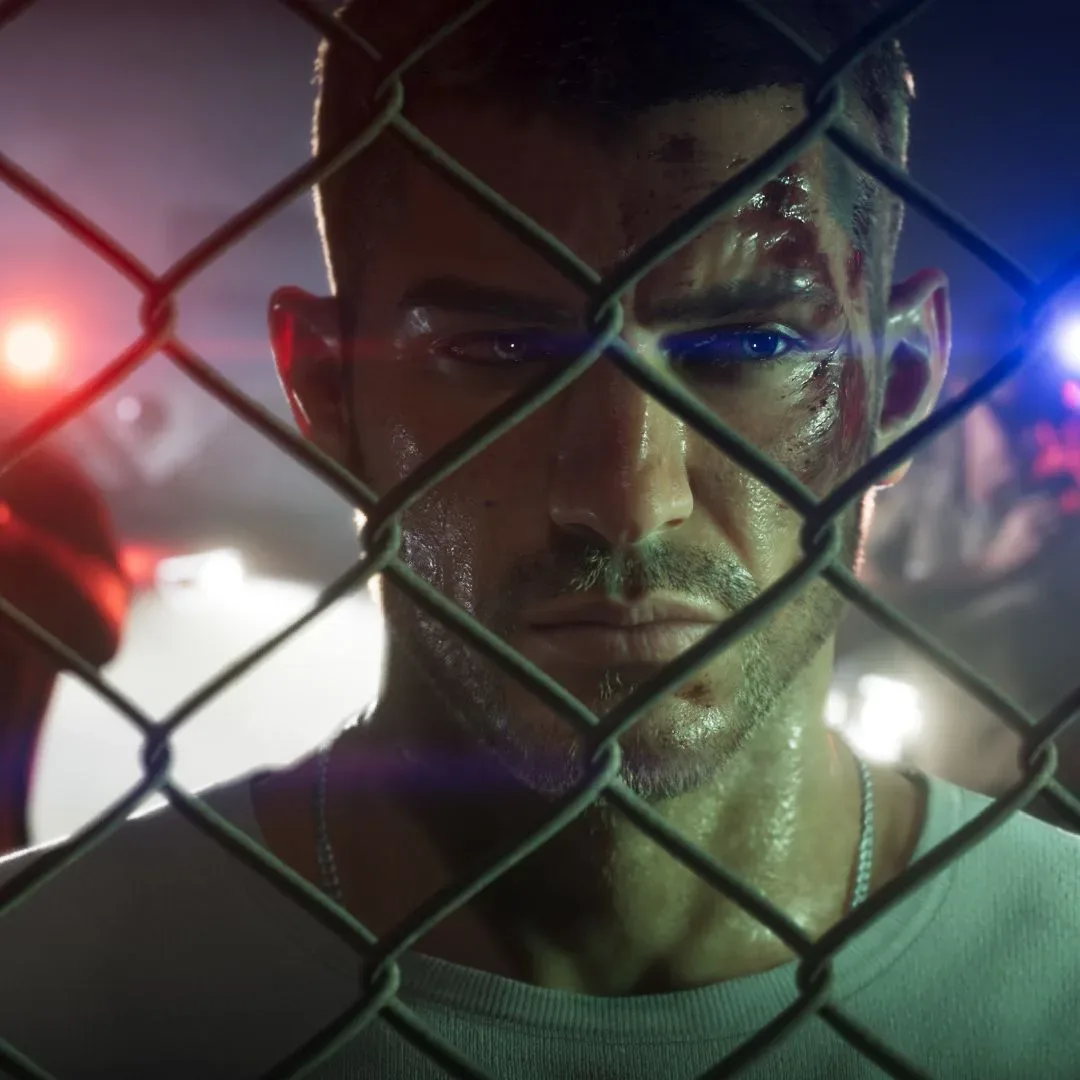

Grand Theft Auto 6’s record-setting opening has not stopped fresh concern about Rockstar Games employees. The game is being described as the highest-rated release of all time after its first day, but one former Square Enix financial lead, Jacob Novak, argues that an enormous launch does not necessarily mean an enormous development team will remain intact afterward.
That is an important distinction in a discussion that can quickly become muddled: GTA 6’s commercial and critical momentum is one question; Rockstar’s future headcount is another. Novak has predicted major layoffs following the game’s release, reasoning that a studio staffed to complete what he calls the biggest and most expensive game ever made may not need the same number of people for its next phase.
There is no confirmed Rockstar announcement of a new layoff round in the information available here. Novak’s timeline, which points to early 2027 and a possible UK consulting period, is his assessment rather than established fact. Still, the argument has drawn attention because it reflects a harsh, familiar pressure within large-scale game development: the workforce needed to finish a massive production is not always the workforce a company chooses to retain once the product is out.
The post-launch staffing argument
Novak’s central claim is not that GTA 6 will suddenly lack work. Instead, he expects the work to change shape. In his view, some staff would move onto the game’s online component, while others would contribute to downloadable content, commonly shortened to DLC. DLC is additional game content released after launch, which can range from small additions to much larger expansions.
His contention is that continuously supporting an online game and making DLC requires a different team size from building and shipping a giant new game in the first place. That is the logic behind his warning: a project can remain successful and demand ongoing support while still employing fewer people than it did at the point of peak production.
The practical difference is substantial. Shipping a major game can involve many overlapping specialties working toward a fixed launch target. Once it is released, the priority can shift toward maintaining updates, creating new content, resolving issues and planning longer-term work. None of that proves that jobs will be cut at Rockstar. It does explain why a blockbuster’s success does not, on its own, settle questions about staffing.
For players, this can sound counterintuitive. A game with huge attention, strong reviews and presumably major revenue may appear to be in the safest possible position. But a publisher’s staffing decisions can be driven by budget structure, forecasts and the work it expects to need next—not simply whether a newly released game is popular.
Why the timing is part of the claim
Novak has suggested Rockstar may wait until after launch so that potential layoffs do not distract from reviews or the news cycle around release. He has guessed at early 2027, with a consultation process in the UK. A consultation period generally refers to a formal process in which an employer discusses proposed workforce changes with affected employees or representatives. It is not, by itself, proof that layoffs have been decided, and no such process has been independently established here.
Related coverage includes GTA 6's Record Start May Not End Rockstar Layoff Fears.
The timing matters because GTA 6 is only at the start of its post-release life. Its online plans and DLC ambitions are referenced as likely destinations for some members of the development team, but the precise scale, staffing plan and schedule for that work have not been detailed in the supplied information. Any prediction that attempts to turn those unknowns into a definite headcount outcome should therefore be treated as a forecast, not a report of a completed corporate decision.
There is also a human reason to be precise with the language. “Layoffs are coming” is much stronger than “a former executive thinks staffing could fall after launch.” The first implies knowledge of a decision; the second describes an interpretation of industry economics and a public prediction. The available evidence supports the latter.
Take-Two’s finances are part of the debate, but not a complete answer
Novak has tied his outlook to Take-Two Interactive’s finances, pointing to a search result that characterized the company’s most recent profitable quarter as occurring in 2022. He also argued that Take-Two chief executive Strauss Zelnick would seek to recoup losses rather than allow profits to be absorbed by maintaining headcount.
That framing helps explain Novak’s position, but it should not be mistaken for a complete financial analysis. A screenshot of a search result is not the same thing as a full account of a company’s financial reporting, plans, obligations or internal workforce decisions. Nor does it establish that a particular Rockstar team is scheduled for redundancy. The available material does not provide a confirmed roadmap for job cuts, a number of affected employees, or an official statement from Rockstar or Take-Two.
What it does show is the theory being advanced: expensive, long-duration development can create pressure after release, especially when a parent company is focused on profitability. The theory may be plausible to observers, but plausibility and confirmation are not interchangeable.
A record launch does not answer every business question
The GTA 6 launch has immediately produced extraordinary claims of success, including its standing as the highest-rated game of all time after a day. That achievement signals enormous player and critical interest. It does not reveal how Rockstar will allocate staff across post-launch development, its online mode, potential DLC or future games.
This is the key takeaway behind the layoff discussion. A hit game can create opportunities for more content, support and investment. At the same time, management may decide that the launch-period workforce is larger than the post-launch workforce. Those outcomes are not mutually exclusive, which is why celebrating a game’s performance and worrying about developer job security can occur at the same time.
For those following GTA 6 itself rather than the business story around it, Rockstar’s huge open-world project is already generating discussion beyond its score. Reports about features, missions and player discoveries will continue to dominate the conversation. One early question concerns the game’s approach to replaying story content; readers can see why manual saves may matter if story mission replay is unavailable.
Rockstar’s 2025 layoffs give the concern added weight
The prospect of more job losses resonates particularly strongly because Rockstar was already associated with layoffs in 2025. That earlier episode means the current concern is not being raised in a vacuum. It also helps explain why speculation around a post-launch reduction is receiving so much attention even amid GTA 6’s overwhelmingly positive early reception.
However, past layoffs are context, not proof of another round. They show that workforce cuts have been part of Rockstar’s recent history; they do not verify Novak’s predicted date or establish that a new consultation is imminent. The most responsible reading is that his comments have revived an existing anxiety, not resolved it.
What is known, what is predicted and what remains unknown
- Known from the available information: GTA 6 has launched to exceptionally strong early critical results, and discussion of potential Rockstar redundancies has resurfaced.
- Known: Jacob Novak, described as a former Square Enix financial lead, believes Rockstar could face major layoffs after release.
- Predicted by Novak: A portion of the team could move to online and DLC work, while overall staffing could decline because ongoing content production may require fewer employees than full game development.
- Predicted by Novak: Any process could begin in early 2027, potentially involving UK consultation.
- Unknown: Whether Rockstar has approved layoffs, when any such action might occur, how many roles could be affected, and which teams would be involved.
That final category is the most important one. A successful launch cannot by itself guarantee job security, but neither can an outside prediction establish that layoffs are inevitable. GTA 6’s debut may be historic; Rockstar’s staffing plans remain unconfirmed.