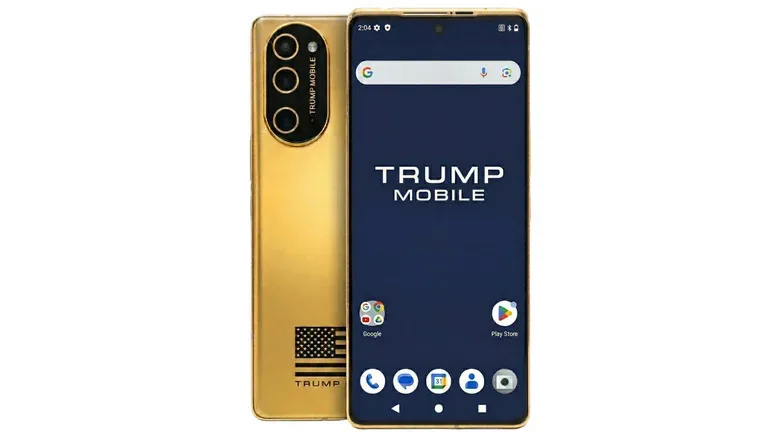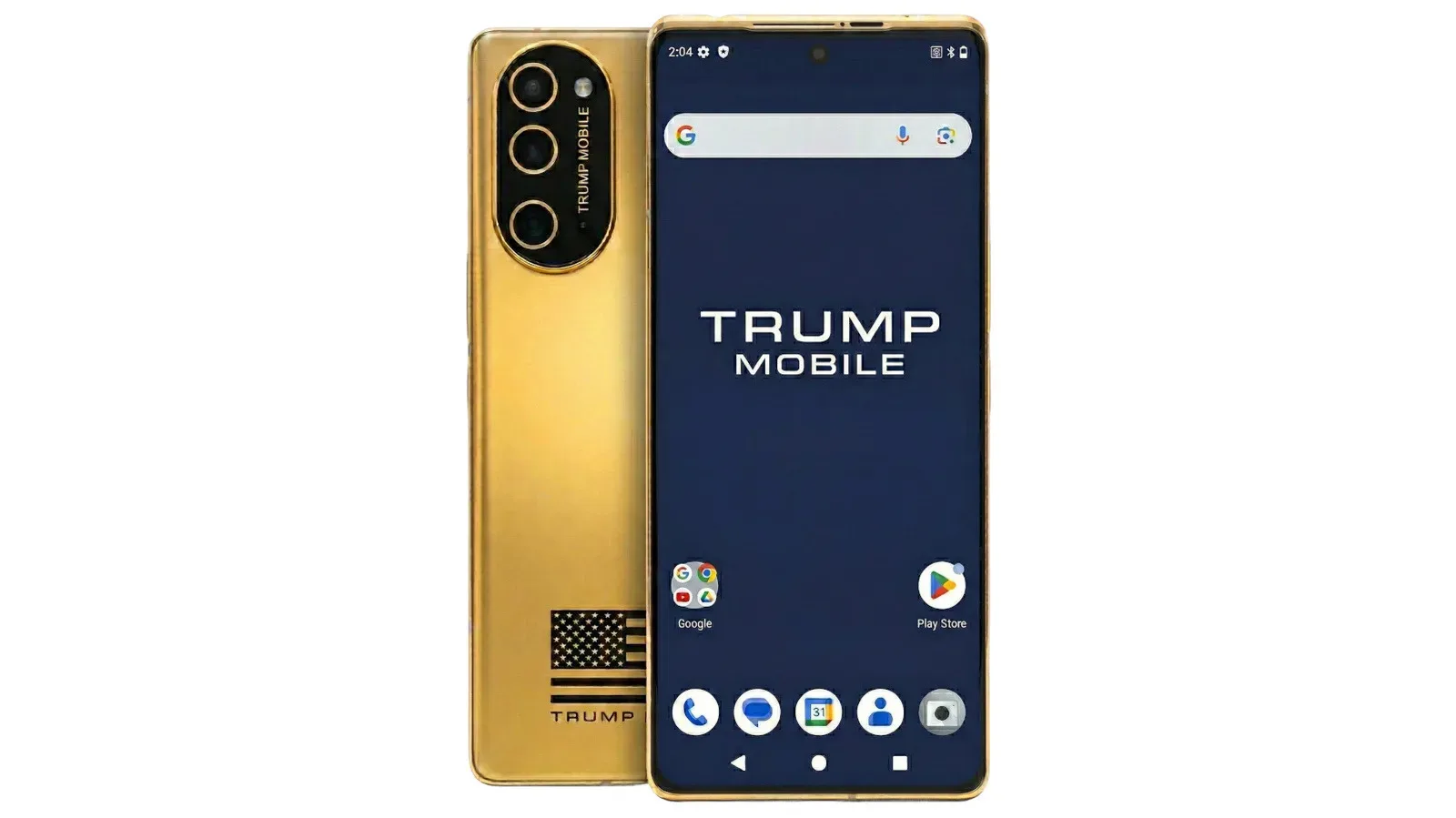
Trump Mobile’s gold-colored T1 Phone has received a substantial price increase. The handset is now listed at $749, a $250 jump from the $499 introductory price previously associated with the device. That is a 50 percent increase over the original figure, and it moves the T1 into a very different conversation for shoppers comparing it with mainstream phones.
At $749, the T1 costs more than Apple’s iPhone 17e. The revised figure also lands well short of a price that Trump Mobile executives had previously indicated could eventually reach $999. In other words, the first price may have been a launch-stage proposition rather than a permanent promise, while the current price appears to be another stop on a road the company had already suggested might lead higher.
The update did not arrive with a stated explanation from Trump Mobile. The listed price changed without a public announcement laying out the reason, whether it reflects component costs, supply arrangements, positioning, or something else entirely. That absence matters: the existence of a broader electronics-cost squeeze can provide context, but it does not establish the reason for this particular increase.
A $250 change that reshapes the pitch
Price is not merely a number on a product page, especially for a smartphone entering a crowded market. At $499, the T1 occupied a more accessible midrange-style bracket. A buyer could still weigh its branding and particular appeal against a range of established alternatives without immediately entering the pricing territory usually occupied by more premium devices.
At $749, the calculation changes. The difference is enough to buy a lower-cost phone outright in some lineups, cover a meaningful chunk of a carrier plan, or pay for accessories and protection plans. It also makes straightforward comparisons harder for the T1, because consumers have more established options to assess once they are spending this much.
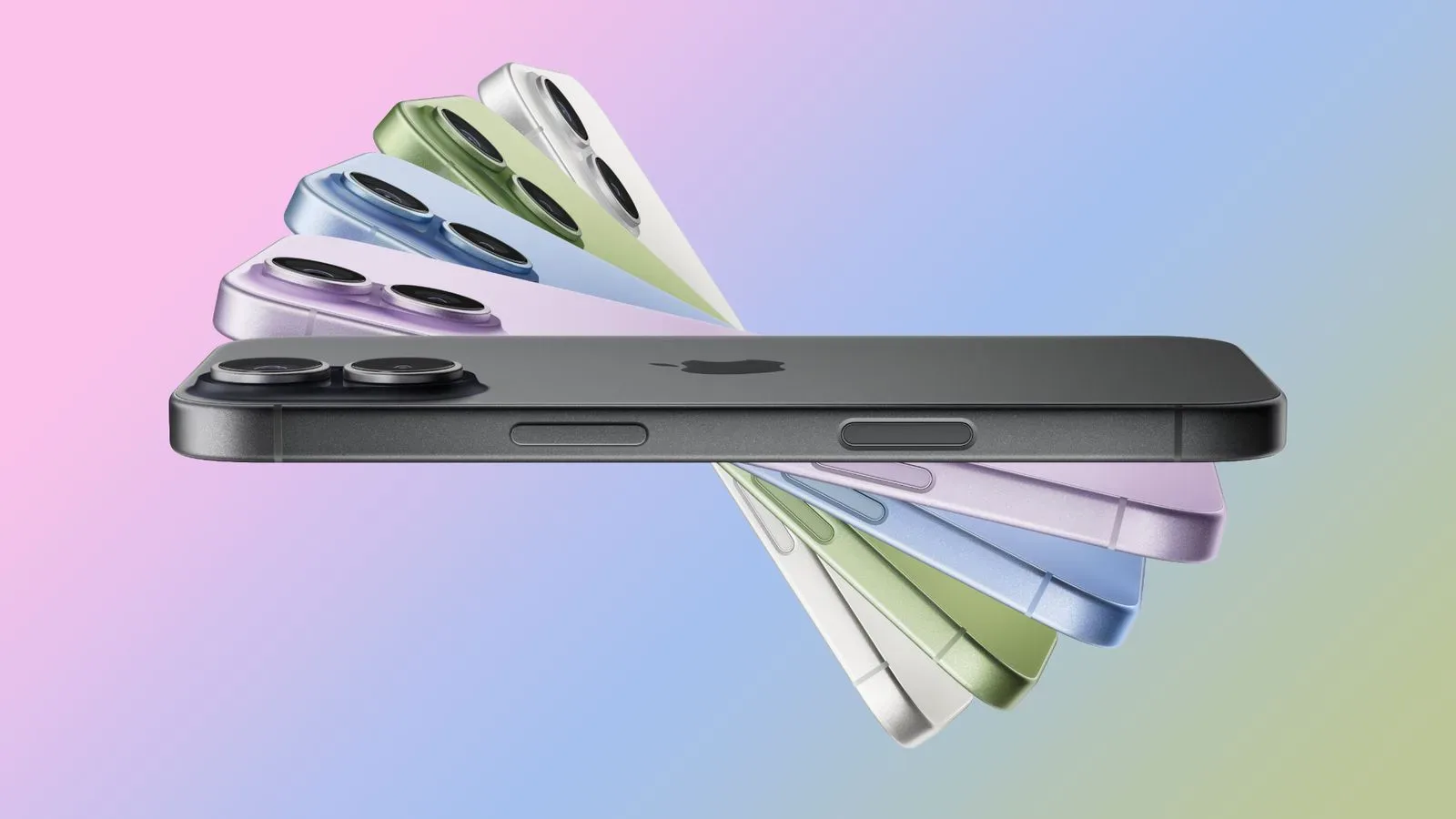
Apple’s iPhone 17e is one such benchmark, since the T1 now sits above it in price. That does not by itself tell shoppers which product is better for their needs; price alone cannot settle questions of software support, repairability, camera performance, network compatibility, storage, service arrangements, or long-term ownership. But it does establish a clear market fact: the T1 is no longer positioned below that Apple entry point on price.
For a branded device, perceived value rests on more than the exterior treatment and the name attached to it. Buyers will likely look closely at the full package: exact hardware specifications, what is included, the terms of any mobile service, warranty details, expected shipping timing, software-update expectations, and how easily the phone can be serviced if something goes wrong. A $250 increase puts additional pressure on every one of those details to be clear.
The broader RAM squeeze is relevant context, not a confirmed cause
Trump Mobile has not publicly tied the T1’s new price to the cost of memory. Still, the increase arrives while electronics makers are dealing with sharply rising RAM costs amid a memory-chip shortage associated with extensive AI infrastructure buildouts. The industry-wide issue has earned the playful nickname “RAMageddon,” but its effects are not a joke for companies sourcing parts and planning product pricing.
Related coverage includes Trump Mobile T1 Phone Price Rises to $749.
RAM is a core part of phones, computers, tablets, servers, and many other electronics. When memory becomes more expensive or harder to secure, manufacturers and brands can face a difficult mix of higher bills, revised production plans, fewer favorable component contracts, and pressure to pass some costs to customers. The consequences can show up as price increases, changes to configurations, reduced promotions, or narrower availability depending on the product and company.
Apple has also increased pricing on a number of older products in this environment. Older iPhones went up by $100, following earlier price increases that reached up to $200 for iPads, up to $500 for MacBooks, and up to $1,300 for the Mac Studio. Those changes show how broadly component and supply pressures can affect consumer technology, from pocket-sized devices to desktop systems.
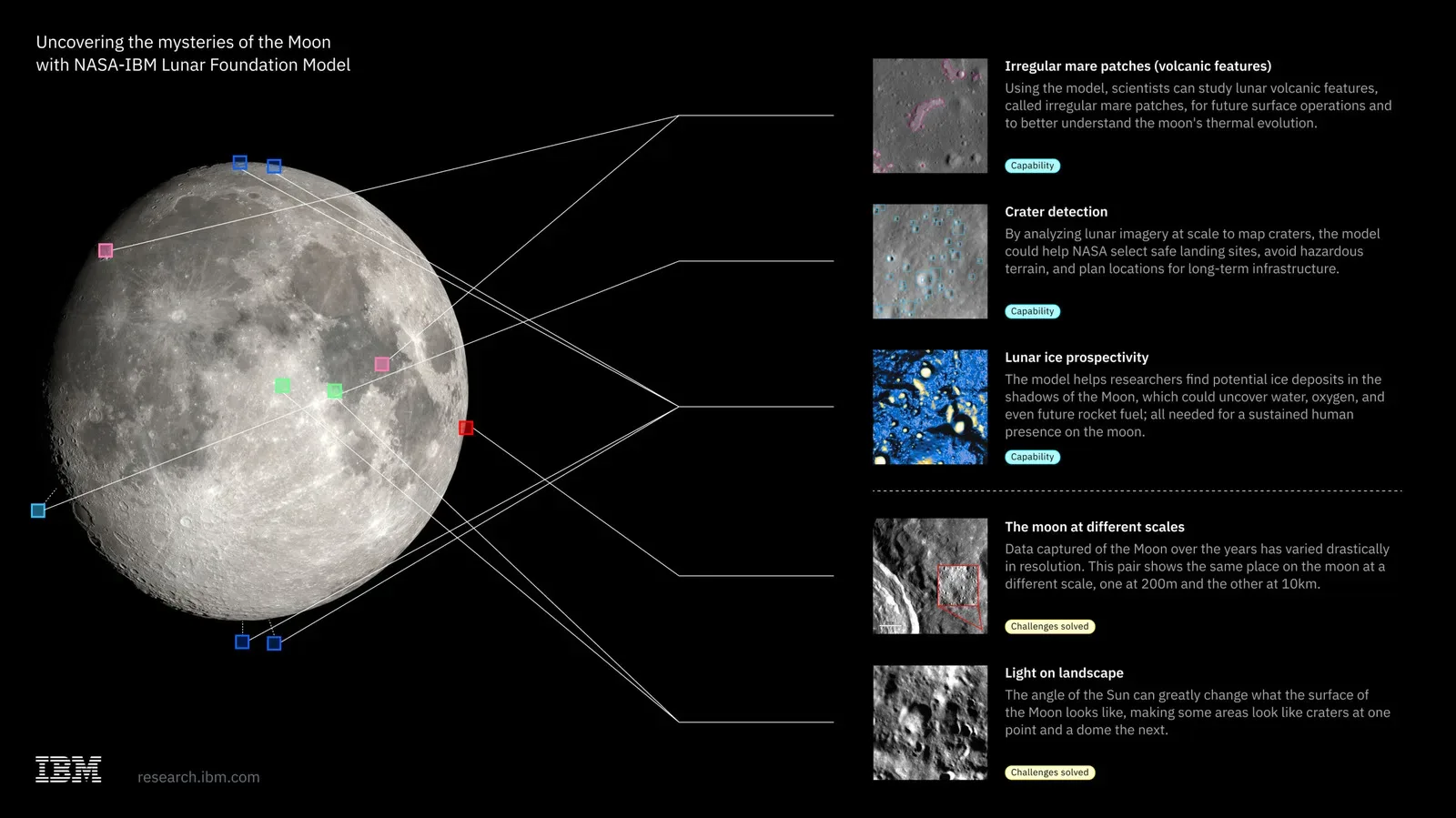
AI’s connection to the situation is primarily about demand for computing infrastructure. Large-scale AI development depends on vast data-center capacity, and that capacity requires memory alongside other components. For a look at AI work reaching beyond consumer gadgets and into scientific applications, see NASA and IBM’s open lunar AI model project. Such projects are very different from commercial data-center expansion, but together they illustrate how widely AI-related computing has spread.
None of that proves the T1’s price was raised because of RAM. Trump Mobile has not offered that rationale. The responsible reading is narrower: memory-market disruption is a plausible part of the wider backdrop for electronics pricing, while the specific cause of the T1 change remains unstated.
The original price was described as introductory
The move from $499 to $749 may surprise anyone who saw the early price as the device’s fixed cost. Yet Trump Mobile executives had previously said the $499 figure was introductory and that customers could eventually pay $999. That earlier framing makes a later increase less unexpected, even if it does not answer why the listed price changed at this particular moment or why it landed at $749.
“Introductory” pricing can mean different things in practice. It can be a limited-time launch price, a number tied to a first production run, a promotional target intended to attract attention, or a figure subject to later revision as plans change. Consumers generally benefit when the terms are explicit: whether the introductory rate has an end date, whether preorders are treated differently, and whether the price is connected to a device-only purchase or a broader service arrangement.
In this case, the new listing is $749, while $999 remains a previously discussed possible future amount rather than the current listed price. Keeping those two numbers distinct is important. The current increase is real and concrete; the higher figure indicates prior expectations set by executives, not a confirmation that another increase will happen.
Questions about origin and the underlying handset remain part of the story
The T1 has already faced scrutiny over its manufacturing claims. Trump Mobile initially said the phone was made in the United States. An iFixit teardown later found that it was not made in the US and that the device was essentially a reskinned HTC handset.
That finding is central context for anyone evaluating the T1 as more than a logo or a colorway. Product origin and device lineage can influence how shoppers judge a phone’s branding, price, parts availability, repair prospects, specifications, and overall distinctiveness. A reskinned device is not automatically a bad device, but it raises fair questions about what buyers are receiving for the premium attached to the finished product.
It also means prospective customers should separate several issues that can easily become blended together: where a product is assembled, who designed its underlying hardware, who provides software and support, and what branding or cosmetic modifications distinguish it from an existing model. Those are separate facts, and each may matter differently to different buyers.
What prospective T1 buyers should verify
With the price now set at $749, careful comparison becomes even more useful. A prospective buyer does not need to treat the price hike as a verdict on the phone, but should make sure the offer being considered is the offer actually listed at checkout.
- Confirm the current device price: The listed T1 figure is $749, rather than the earlier $499 introductory price.
- Check what the purchase includes: Determine whether the price covers only hardware or comes with any particular service, accessories, or conditions.
- Read warranty and return terms: These details take on greater importance as the upfront cost rises.
- Compare hardware and support information: Look at the complete specifications and the available information on updates, repairs, and compatibility.
- Keep the origin question in view: The earlier made-in-US claim conflicts with the iFixit teardown’s finding that the handset was not made in the US and is based on an HTC phone.
- Distinguish present facts from possible future pricing: $749 is the current listing, while $999 was previously presented as a potential later price.
The T1’s new price gives Trump Mobile a more demanding value proposition than the one attached to its $499 introduction. It now sits above the iPhone 17e, arrives amid an unusually turbulent memory market, and carries prior questions about the product’s manufacturing and hardware identity. The only confirmed change here is the shift to $749. Why it happened has not been explained publicly, and whether the phone ultimately rises further toward $999 remains uncertain.