USB-C is so familiar now that it is easy to forget how recently charging a phone could feel like opening a loot box with the wrong key inside. Before a broadly shared connector became the goal, phone makers built ports around their own hardware priorities: thinner handsets, accessory support, wired audio, data transfers, charging, or all of the above if enough pins could be squeezed into one unusually shaped opening.
That fragmentation had a real downside. Changing phone brands often meant retiring a perfectly functional cable and buying another. The result was an expanding pile of incompatible chargers and accessories, along with the e-waste created when each proprietary ecosystem was abandoned. USB-C’s reversible plug, higher-speed data capability and improved power delivery made it a far more practical endpoint for a market that had spent years treating cables as brand-specific artifacts.
Yet the older ports are more than obsolete plastic. They document an era when companies were trying to make a single physical connection handle several jobs. Data transfer means moving files between a phone and another device. Audio output lets the port carry sound to headphones or speakers. A connector that combines those functions with power can reduce the number of openings on a handset—but it can also make a broken clip, rare adapter or missing cable much more painful.
Here are five ports that illustrate the road from bespoke phone hardware to USB-C’s comparatively peaceful rule.
Motorola CE Bus: the enormous multi-tool
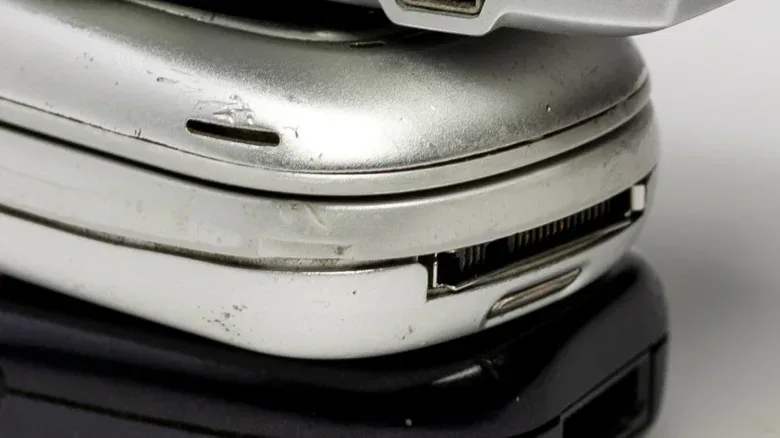
Motorola’s 17-pin CE Bus connector appeared on its phones in 2000. It was large, not reversible, and retained by hooks, all characteristics that make it feel dramatically distant from today’s slim, symmetrical plugs. But its size was tied to ambition: CE Bus could carry power, data and audio through the same connector.
The port appeared on the Motorola V60, a recognizable clamshell-era device, and on the Motorola ROKR E1, identified as the first phone with iTunes support. In a period when large-file transfers depended on plugging in a cable rather than using modern wireless-sharing features, a port designed for more than charging had obvious value.
Its downfall was less mysterious than mechanical. As phones became thinner, connectors such as Mini-USB presented a smaller and increasingly common alternative. Motorola’s Razr V3 moved to Mini-USB, and wider industry movement toward that format helped reduce the cost and inconvenience of maintaining separate proprietary charging and transfer systems. CE Bus could do several jobs; Mini-USB increasingly made that kind of one-company solution difficult to justify.
Nokia Pop-Port: accessory ambition meets worn plastic
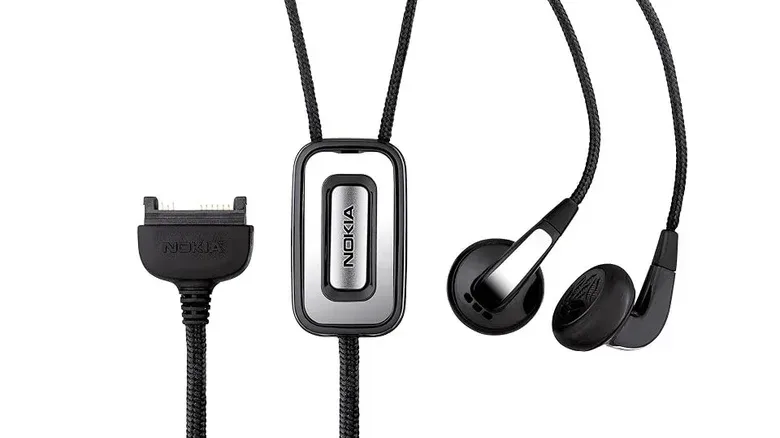
Nokia’s 14-pin Pop-Port was built with accessories in mind. The Nokia 7210, released in 2002, used it for more than a cable connection: the port supported camera add-ons, car kits, earphones and data-transfer accessories. That makes Pop-Port a useful reminder that old phone connectors were often ecosystem anchors, not merely places to feed a battery.
There was a catch. Its plastic clips could wear down, reducing the security of the connection. For anyone relying on the port for music while moving around, that weakness could turn an otherwise useful multipurpose interface into an exercise in keeping a plug seated.
Pop-Port could support charging, but Nokia phones of the period generally used a separate 2.0 mm thin-tip barrel connector for that role. A barrel connector is the cylindrical power plug familiar from many older electronics; it is a dedicated power solution rather than a broad data-and-accessory interface. The two-port arrangement shows that “versatile” did not always mean “one cable does everything.” As Mini-USB gained wider use, Pop-Port gradually disappeared.
Apple’s 30-pin connector: one dock to rule the desk
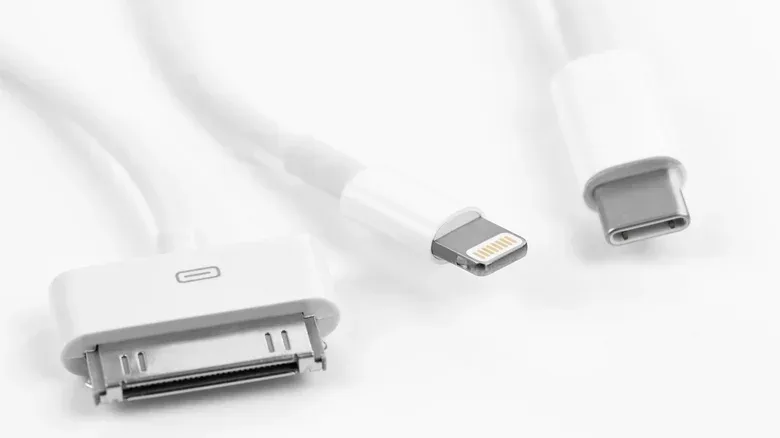
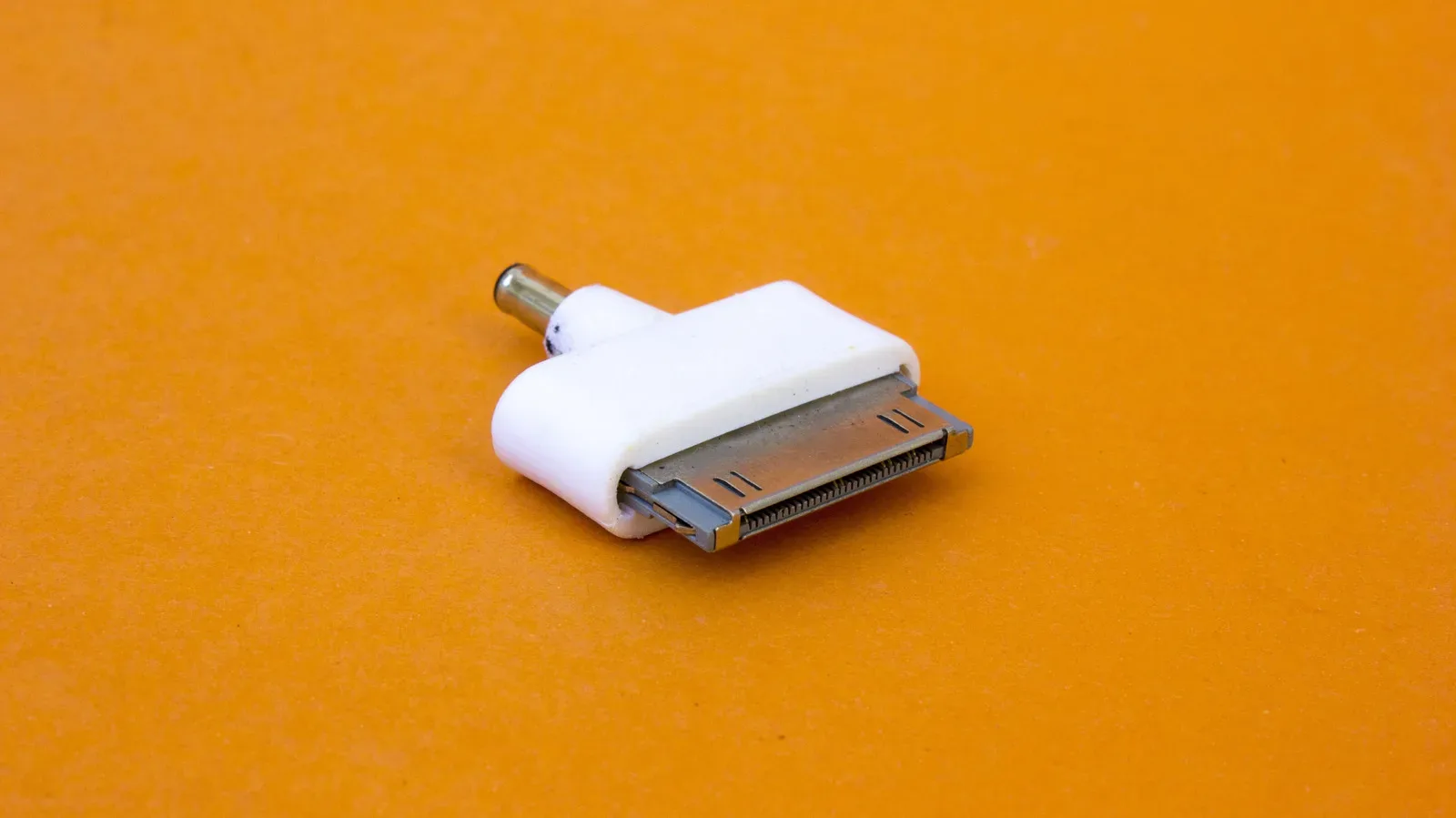
Apple introduced its flat, wide 30-pin connector with the third-generation iPod in 2003. It later reached early iPhone and iPad models, while also becoming the physical foundation for a substantial accessory world. Bose’s SoundDock and Apple’s iPod Hi-Fi are among the speaker systems built around it.
The port’s many pins accommodated FireWire support in its earlier use. FireWire was Apple’s legacy charging standard in this context, and the connector’s pin count reflects a design that was doing more than creating a simple power path. It was designed to connect players and phones to docks, speakers and cables in a tightly integrated ecosystem.
Apple replaced the 30-pin connector in 2012 with Lightning, a smaller reversible eight-pin proprietary connector. Lightning improved the physical experience of plugging in: no more checking which side was facing up. But it also maintained separation between Apple accessories and the chargers commonly used by Android phones. The connectors included small chips used to regulate voltage, and third-party accessory makers using the system paid licensing fees.
Apple’s transition eventually reached USB-C: the iPad Pro moved in 2018, and the iPhone 15 lineup followed in 2023. That change is part of the larger shift toward standardized hardware—even as companies continue to build distinct services and software layers around otherwise common devices. That broader technology tension is visible in areas such as user controls over AI memory summaries: the basic interface may be shared or familiar, while the experience behind it remains product-specific.
Sony Ericsson FastPort: clever, capable and clip-dependent
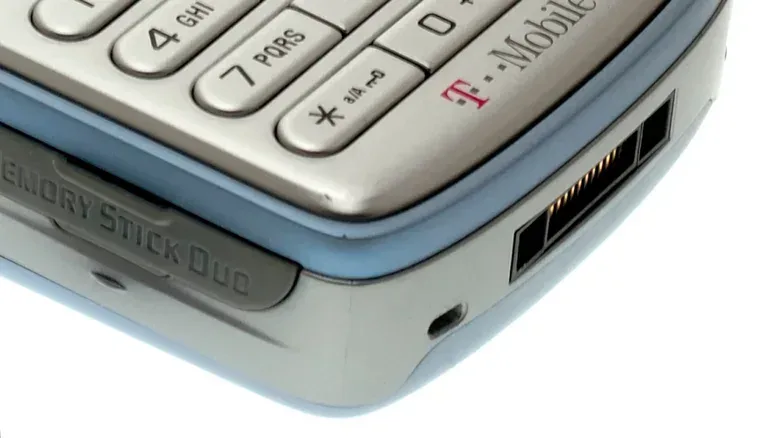
Sony Ericsson’s FastPort arrived in 2005 on the K750i. Its 12-pin connector handled charging, data transfers and audio output, again pursuing the all-in-one port ideal. Physically, it used plastic hooks on both sides that snapped into matching holes on the phone. The arrangement was distinctive, but it was also vulnerable: break a hook and the plug could no longer snap into place properly.
That flaw matters because a connector’s usefulness depends on repeated ordinary use, not just its list of capabilities. A port can carry power, sound and files, but a fragile retention method creates a single point of frustration for every one of those tasks. FastPort’s physical design has been compared to a VGI port’s screw-like retention approach, though its hooks were far less reassuring than actual screws.
FastPort was replaced in 2010 by a combination of Micro-USB and a 3.5 mm audio jack. The division of duties may look less elegant on paper, but it avoided making a proprietary phone port the required route for headphones. Its roughly five-year run was short, yet its unusual shape remains an instantly recognizable piece of mid-2000s mobile design.
HTC ExtUSB: Mini-USB, but with bonus pins
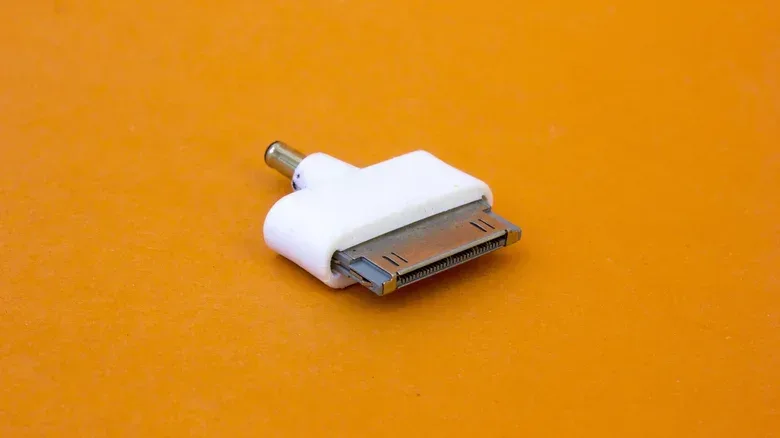
HTC’s Extended USB, or ExtUSB, is perhaps the clearest example of a manufacturer trying to extend an existing standard rather than start entirely from scratch. The 11-pin connector, recognizable by its slanted corner, combined the five pins of Mini-USB with additional pins for data, power and audio.
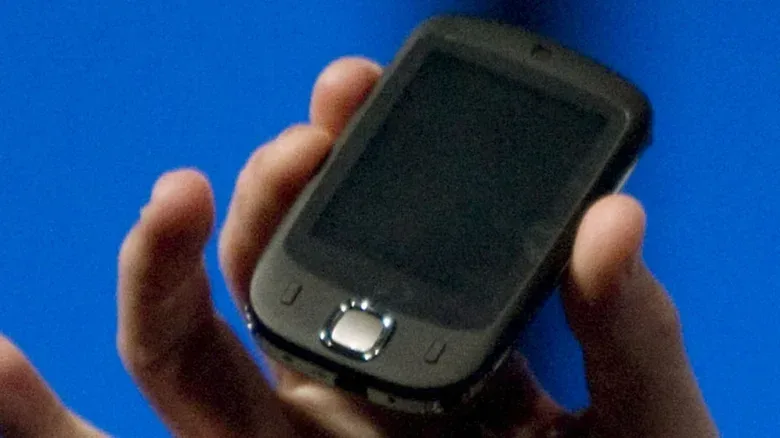
It appeared on the HTC Dream, described as the first commercially available Android phone, and was used on HTC’s early Android and Windows Mobile devices. Its most consumer-friendly detail was compatibility with ordinary Mini-USB chargers. In practical terms, that meant an ExtUSB phone could still accept a more common charger for power, even if its extra functions depended on the HTC-specific connector and accessories.
There was still a trade-off. HTC devices using ExtUSB dropped the 3.5 mm headphone jack for a time, forcing headphone users to obtain ExtUSB adapters. This was an early example of a familiar hardware compromise: reducing or combining ports can make a device seem cleaner, but it can move inconvenience onto the owner who needs an adapter. HTC later shifted to Micro-USB, leaving ExtUSB as a short-lived branch in the road toward common phone connections.
Why these ports matter now
It would be easy to dismiss these connectors as quaint relics from an era of clamshell phones, docking speakers and cables with alarming amounts of molded plastic. But their stories explain why USB-C’s success is meaningful. The earlier designs repeatedly sought the same destination: one port capable of managing power, data and sometimes audio, without forcing a separate connector on every manufacturer’s customers.
What changed was interoperability. Reversibility makes USB-C less fussy in daily use. Improved power delivery and faster data transfers make it more broadly useful. Standardization lowers the odds that a household drawer becomes a museum of orphaned charging leads. The EU mandate cited as reinforcing USB-C’s position reflects the same practical concern: fewer unnecessary cable changes mean less waste and less friction.
There is still room to appreciate the weirdness. CE Bus was a huge 17-pin statement of intent. Pop-Port wanted to turn a phone into an accessory hub. The 30-pin connector built an extensive dock ecosystem. FastPort and ExtUSB tried to pack charging, data and audio into unusual shapes with very particular compromises. They are reminders that today’s convenient cable was not inevitable—it was the survivor of a long, awkward, hook-snapping connector war.