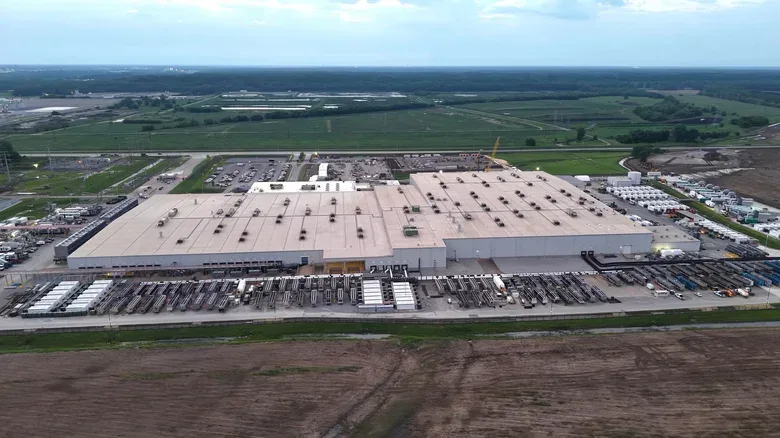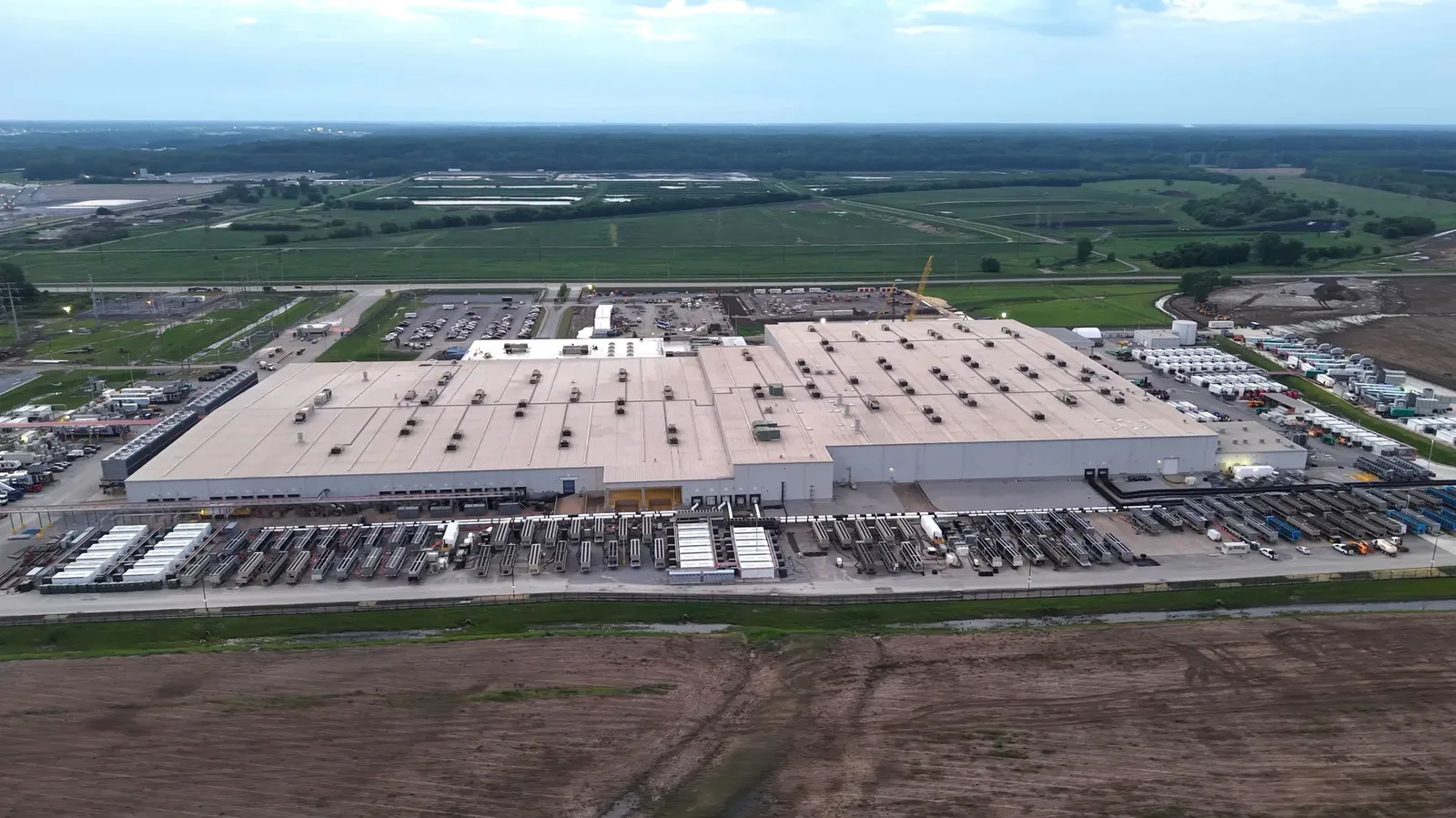
A federal judge has denied xAI’s attempt to throw out an NAACP lawsuit over the power infrastructure supporting its data center operations in the Memphis, Tennessee, area. The ruling means the case can proceed, leaving the underlying claims—rather than deciding them at this early stage—to be tested through the legal process.
The NAACP filed suit in April, alleging that xAI operated methane-gas turbines without required permits and violated the Clean Air Act. The dispute centers on turbines supplying electricity to data centers in southern Memphis, an issue that places the fast-growing energy demands of artificial intelligence infrastructure beside longstanding environmental-permitting rules.
The dismissal request turned on whether the equipment was truly mobile
xAI argued that its turbines did not require the permits alleged in the lawsuit because they were mobile. That argument was central to its request for dismissal: if the equipment fell within a mobile-equipment exemption, the plaintiff’s permitting theory could fail.
US District Judge Debra M. Brown did not accept that position at this point in the litigation. Her decision found that the power plant providing electricity to xAI’s data center was not mobile and therefore was not exempt from the permitting process on that basis.
That is an important procedural distinction. The ruling does not itself establish that xAI violated the Clean Air Act, nor does it decide every factual or legal question in the complaint. It says the lawsuit has cleared xAI’s requested dismissal and may continue. The NAACP will still need to substantiate its allegations as the case moves ahead, while xAI will have the opportunity to contest them.
What the case alleges
The lawsuit alleges that unpermitted methane-gas turbines were used to power data centers in the Memphis area. Methane gas is commonly referred to as natural gas when used as a fuel; turbines can generate on-site electricity by burning that fuel. In this dispute, the key question is not simply whether turbines existed, but whether the particular installation and its operation were subject to permitting requirements.
Environmental permitting generally functions as a regulatory check before or during operation of equipment that may create air emissions. A permit can define what equipment is covered, which standards apply and what operating conditions must be followed. In a court fight like this one, classification matters: an operation treated as a fixed power facility may face a different regulatory framework than equipment legitimately considered mobile.
Judge Brown’s rejection of the mobility argument, as described in the ruling, focuses on the overall power plant serving the data center rather than treating each turbine’s possible ability to be moved as the end of the inquiry. For communities near large computing campuses, that distinction could be consequential. Data centers may be digital facilities in purpose, but their power supply can involve very tangible industrial equipment.
Related coverage includes Judge Allows NAACP’s xAI Data Center Turbine Lawsuit to Proceed.
Southaven expansion is part of the broader dispute
The litigation also arrives as xAI has continued adding gas turbines at another AI data center site in nearby Southaven, Mississippi. The NAACP’s complaint concerns the Memphis-area operations, while the reported addition of turbines across the state line underscores the regional scale of the company’s computing-power buildout.
That does not mean the Tennessee lawsuit automatically resolves the regulatory status of every facility or turbine in Mississippi. Permitting is tied to particular sites, equipment and rules. Still, the overlap in geography and technology illustrates why the case is being watched as more AI companies expand data-center capacity and nearby residents question the effects of those projects.
Why AI’s physical footprint is becoming a local issue
AI products can feel detached from geography: a person enters a prompt, receives an answer and never sees the computers processing the request. The systems behind those interactions, however, depend on data centers that need substantial and reliable electricity. When operators turn to on-site generation, the questions move beyond software and into land use, energy infrastructure, air quality and regulatory compliance.
The Memphis case is therefore not only about a company’s characterization of turbines as mobile. It also highlights a broader collision between rapid infrastructure deployment and the oversight communities expect around facilities with potential emissions. The supplied reporting notes that neighbors are increasingly resistant to data-center development even as AI companies are accelerating construction.
For readers thinking about AI as consumer technology, the practical takeaway is that the infrastructure race will increasingly be shaped by decisions made far from app stores and chatbot interfaces. Court rulings, permits and local concerns can influence how quickly projects proceed and what power arrangements operators can use.
That broader question also overlaps with ordinary technology habits. The energy footprint of a device is not always obvious, but its physical capabilities still matter—much as hardware specifications matter when evaluating something as mundane as a phone accessory. Our guide to what IP67 and IP68 ratings mean for USB-C cables is a reminder that technical labels have specific definitions, rather than being interchangeable marketing shorthand. The same principle applies in this case: “mobile” is not merely a description; it is a legal claim with regulatory consequences.
Federal support did not end the lawsuit
xAI’s motion to dismiss received support from the Justice Department, which argued that the company’s operations are important to US military operations. The judge nevertheless denied the request to dismiss. That outcome shows the case was not decided simply by the asserted strategic importance of the data center work.
The ruling instead kept attention on the legal issue raised by the complaint and the claimed permitting exemption. Strategic or national-security arguments can be relevant in policy discussions, but they do not by themselves erase the need for a court to assess the legal basis of a citizen suit and the applicability of environmental requirements.
What happens next
With dismissal denied, the NAACP’s case remains active. The next stages can involve arguments over the factual record, the precise requirements that applied to the equipment, and whether the alleged conduct supports relief under the Clean Air Act. No final liability finding has been described in the ruling.
The immediate result is narrower but meaningful: xAI has not succeeded in ending the case through its mobile-turbine argument. For the NAACP and residents concerned about the facilities, that preserves a path to have the allegations heard. For xAI, it means continuing to defend its operations in court while the company expands AI-related infrastructure in the region.
As data-center construction continues, this dispute offers a clear example of why the conversation around AI cannot stop at models, chips and user-facing products. The underlying systems require land, facilities and power. When the power comes from fuel-burning equipment, the details of permits, placement and regulatory definitions can become as decisive as the technology being built inside the building.