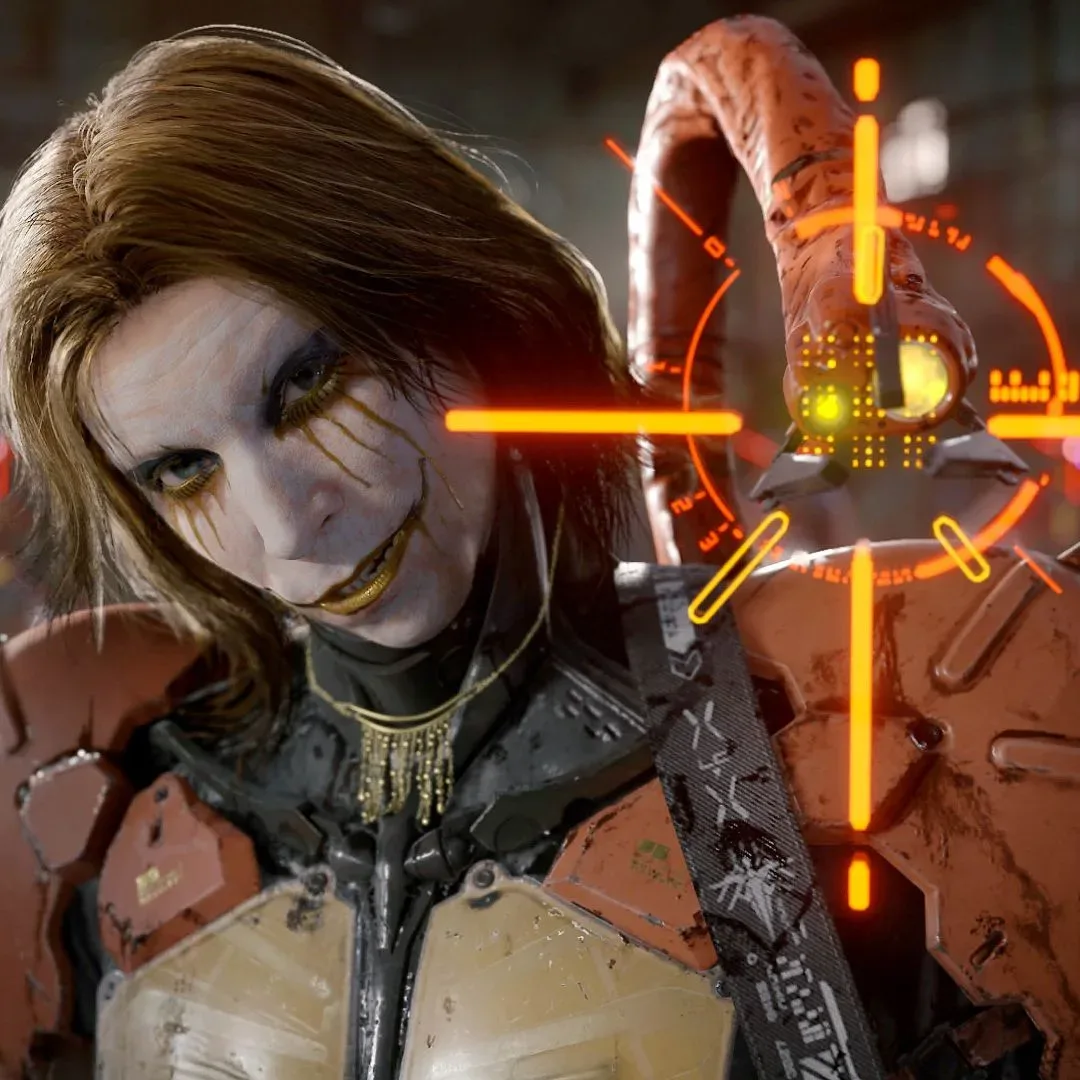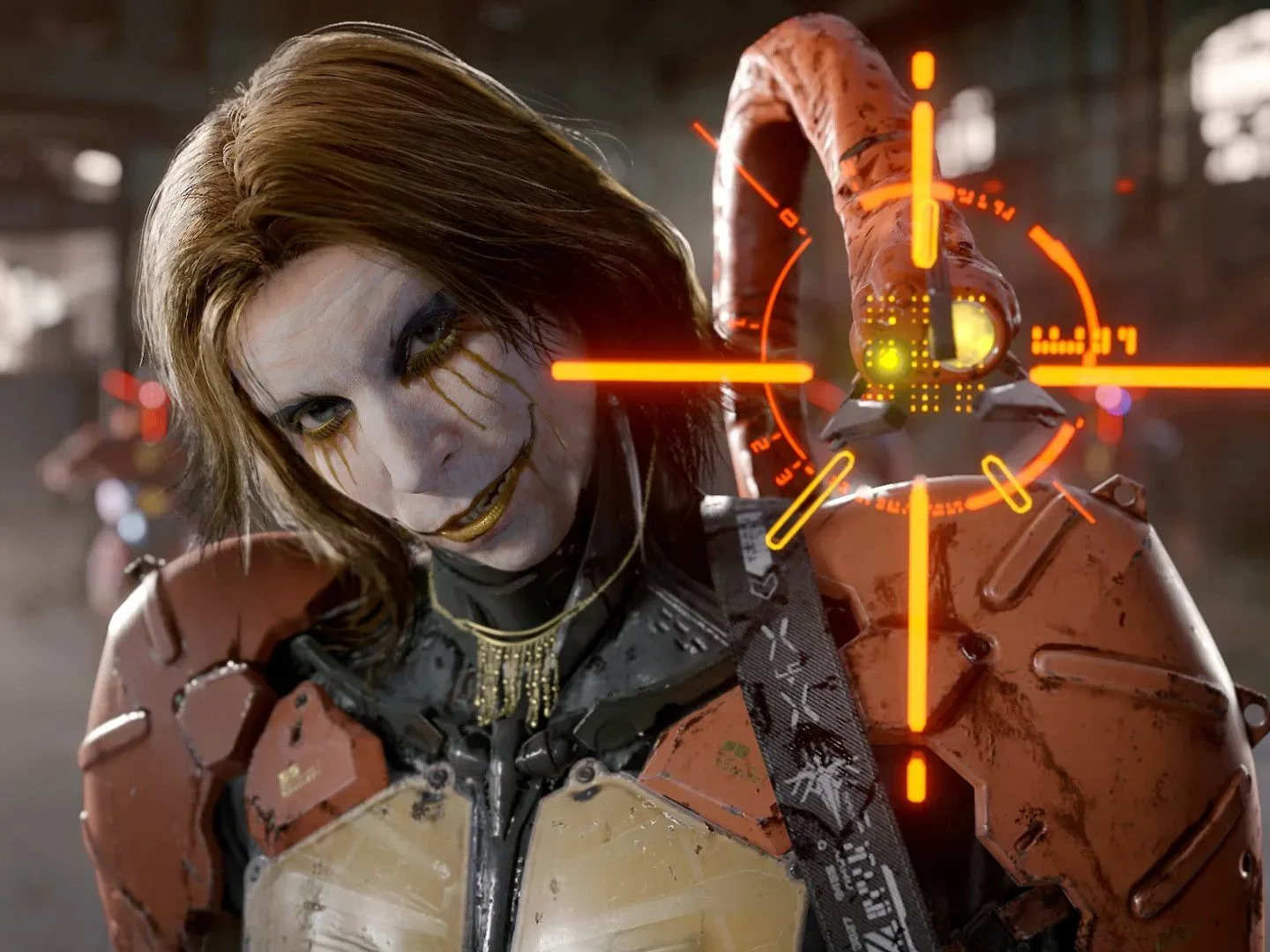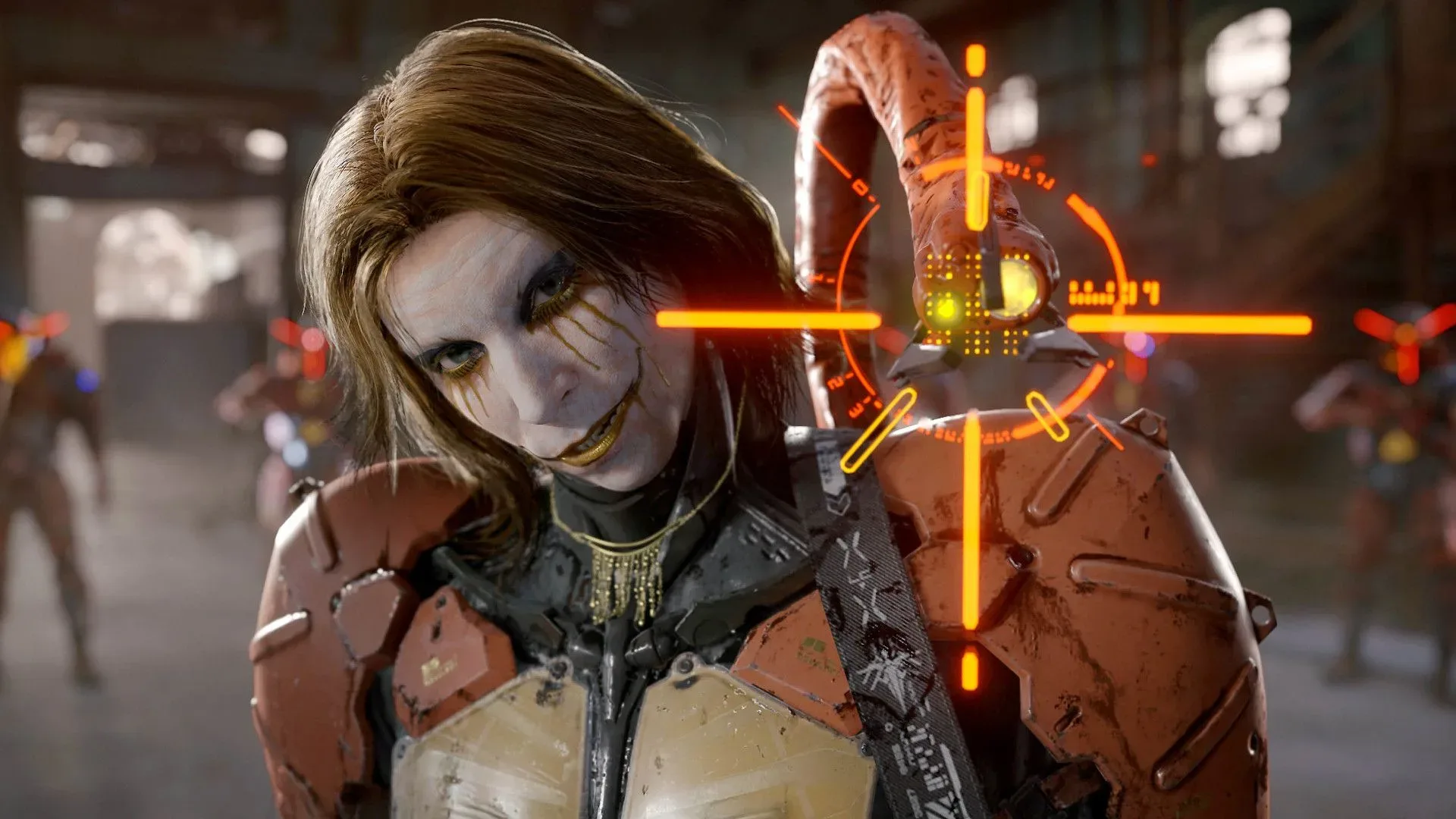
Troy Baker has described Hideo Kojima writing the role of Higgs in Death Stranding specifically for him as “one of the kindest things” the creator has done for him. The actor’s memory adds a revealing creative detail: Higgs’ musical side was reportedly inspired by Kojima watching Baker’s acoustic Instagram Live performances during the pandemic.
It is an unusually personal route into a character who is anything but understated. Higgs is a central antagonist in the dystopian science-fiction series, pursuing protagonist Sam Porter, who is portrayed by Norman Reedus. Baker characterizes Higgs as a figure intent on ending what remains of humanity; the character also leads a cult devoted to that goal. In performance terms, he is built for a large presence: theatrical dialogue, an unnerving manner of arrival, and a tendency to float rather than simply enter a scene like everyone else.
That makes the origin of Higgs’ guitar playing and singing especially striking. A villain with apocalyptic ambitions is not the obvious place to put an intimate detail drawn from an actor’s casual online performances. Yet that contrast can make a character feel more specific. It gives an otherwise imposing antagonist a creative signature that belongs to the performance, not just the plot function.
A role created with Baker in mind
Baker said Kojima told him directly that the part had been written for him, an offer he called a remarkable kindness. Writing a role for a particular performer does not merely mean handing over an existing script to a familiar voice. At its best, it can mean building the cadence, temperament, physicality and expressive range of the part around what that performer can uniquely bring.
That distinction matters for Higgs. The character’s heightened presentation gives Baker space to push beyond naturalistic villainy. His theatrical lines and surreal movement suggest a character designed to command attention before the player has fully worked out what he will do next. A performer known for flexibility can turn that kind of material into something deliberately stylized rather than simply loud.
Baker’s wider body of work includes roles in The Last of Us, BioShock: Infinite, Final Fantasy XIII and Mass Effect 3. That track record offers useful context for why a creator might develop a part around his strengths, but it does not diminish the gesture. A prolific actor can be hired for a role; being told a role was created for you is a different kind of professional vote of confidence.
Why the guitar detail landed differently
Baker said he only learned the reason behind Higgs singing and playing guitar after production had wrapped, when Kojima explained that he had watched Baker’s acoustic streams while feeling down during the pandemic. Baker said he had not realized those broadcasts meant that much to Kojima.
“One of the kindest things that Hideo Kojima has ever done is say, ‘Hey, I wrote this part for you,’ and he held up to his end of the deal,” Baker said.
Related coverage includes Troy Baker Says Hideo Kojima Creating Higgs for Him Was an Extraordinary Act of Kindness.
The anecdote is small in scale but significant in what it says about creative observation. A performance choice can originate from a script, a director’s concept, a performer’s improvisation, or a detail noticed outside the production itself. Here, the reported inspiration was not a formal audition or a studio session. It was Baker sharing music online, without knowing that a future character choice might grow out of it.
It also helps explain why the musical element is more than a random flourish. Kojima’s explanation connects it to an image of Baker performing acoustic music for an audience during a difficult period. When that observation becomes part of Higgs, the fictional character gains a trait that is rooted in something real about the actor rather than an arbitrary list of villain eccentricities.
What “written for” can mean in game performance
In games, character creation is collaborative by necessity. Writers establish the role; directors shape scenes and tone; actors supply voice, movement and interpretation; and development teams build the character’s place in the game. A character written for an actor can therefore be understood as a starting advantage, not a finished result. The script may be better positioned to use a performer’s timing or intensity, but the performance still has to make those qualities readable in the final game.
Higgs is a strong example of why that approach can be valuable. The part apparently accommodates a broad performance style, including highly theatrical delivery and music. Those traits might be difficult to balance if they were assigned to a performer without a clear sense of how they would be embodied. Designing them around Baker gave the production a more direct connection between the role’s unusual qualities and the person playing it.
For players, the practical outcome is straightforward: memorable supporting characters often depend on choices that are not strictly required by the story outline. A villain can oppose the protagonist without singing, playing guitar or arriving in a manner that feels detached from ordinary physics. Those choices are instead about identity. They make a character recognizable in a series where atmosphere and personality are central to how scenes land.
Higgs’ return and Baker’s next known project
Baker returned to play Higgs in Death Stranding 2, extending a role that began as a creator-performer match into a continuing part of the series. The return also gives added weight to the original anecdote: Higgs was not a one-off experiment, but a character with enough presence to come back.
Separately, Baker is working with Naughty Dog on an undisclosed role in Intergalactic: The Heretic Prophet. No details about that character’s identity or traits have been provided here, so any attempt to connect it to Higgs’ music or performance style would be speculation. Still, Baker’s comments offer a useful reminder of what players can listen for when a game gives a performer room to leave a personal imprint: not necessarily a familiar voice, but a role whose unusual details feel chosen rather than accidental.
That conversation also sits within a larger industry question about who retains meaningful creative control as technology changes. The debate around games’ changing production and distribution models is much broader than any one character, but Baker’s story underscores the enduring value of human creative relationships: a creator noticing an actor’s music, an actor discovering that it mattered, and that observation becoming part of a fictional person.
There is no grand technical breakthrough in that process, and that is the point. The memorable element is attentiveness. Higgs’ guitar and singing were reportedly born from Kojima watching Baker play acoustic music at a time when it brought him comfort. For a character defined by spectacle and menace, that is a surprisingly gentle creative origin—and a fitting explanation for why Baker regards the role as such a generous gift.