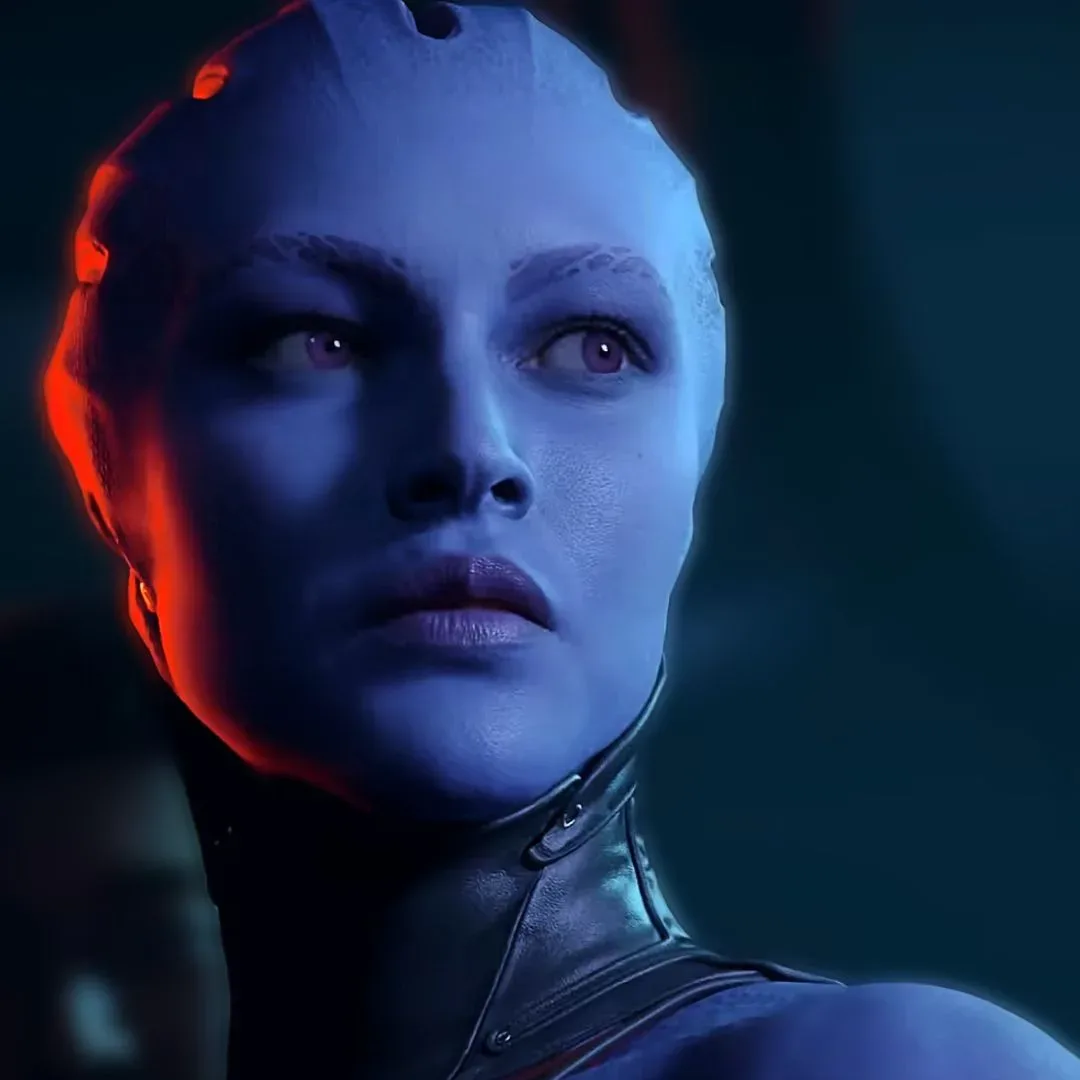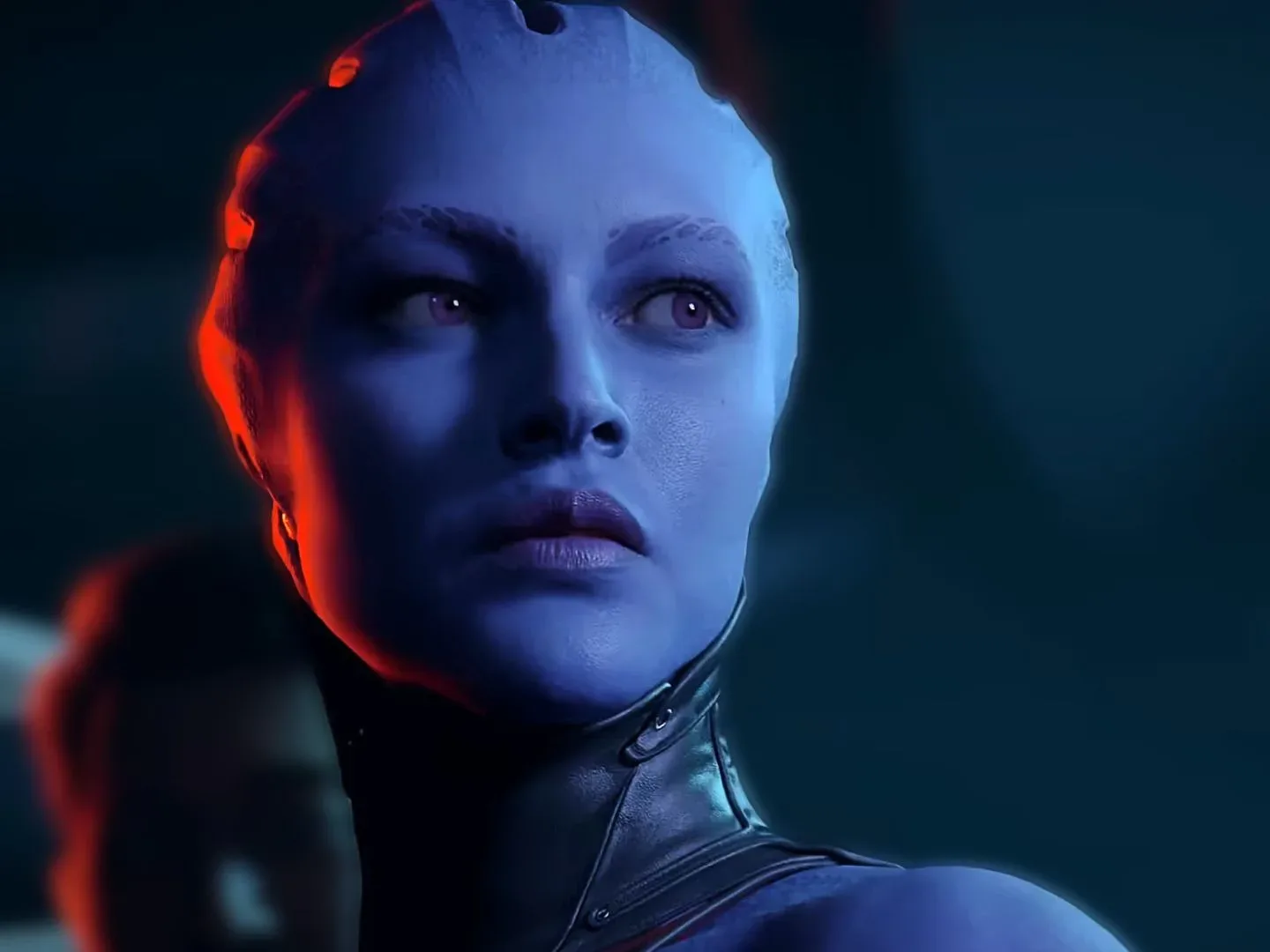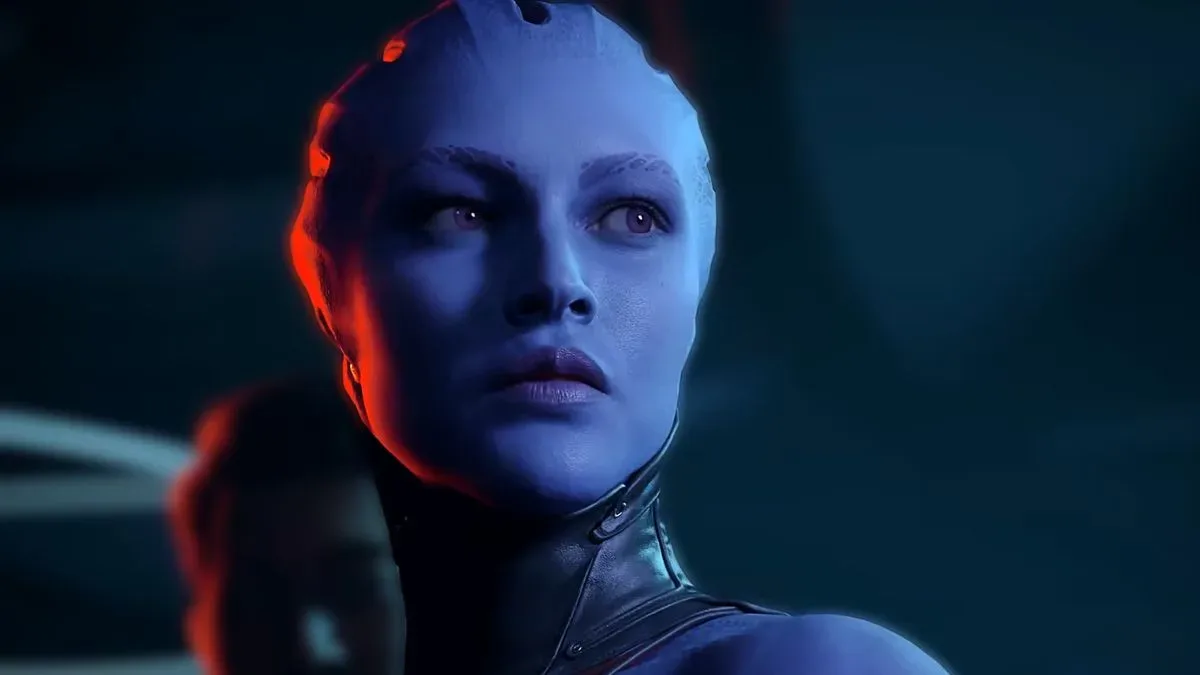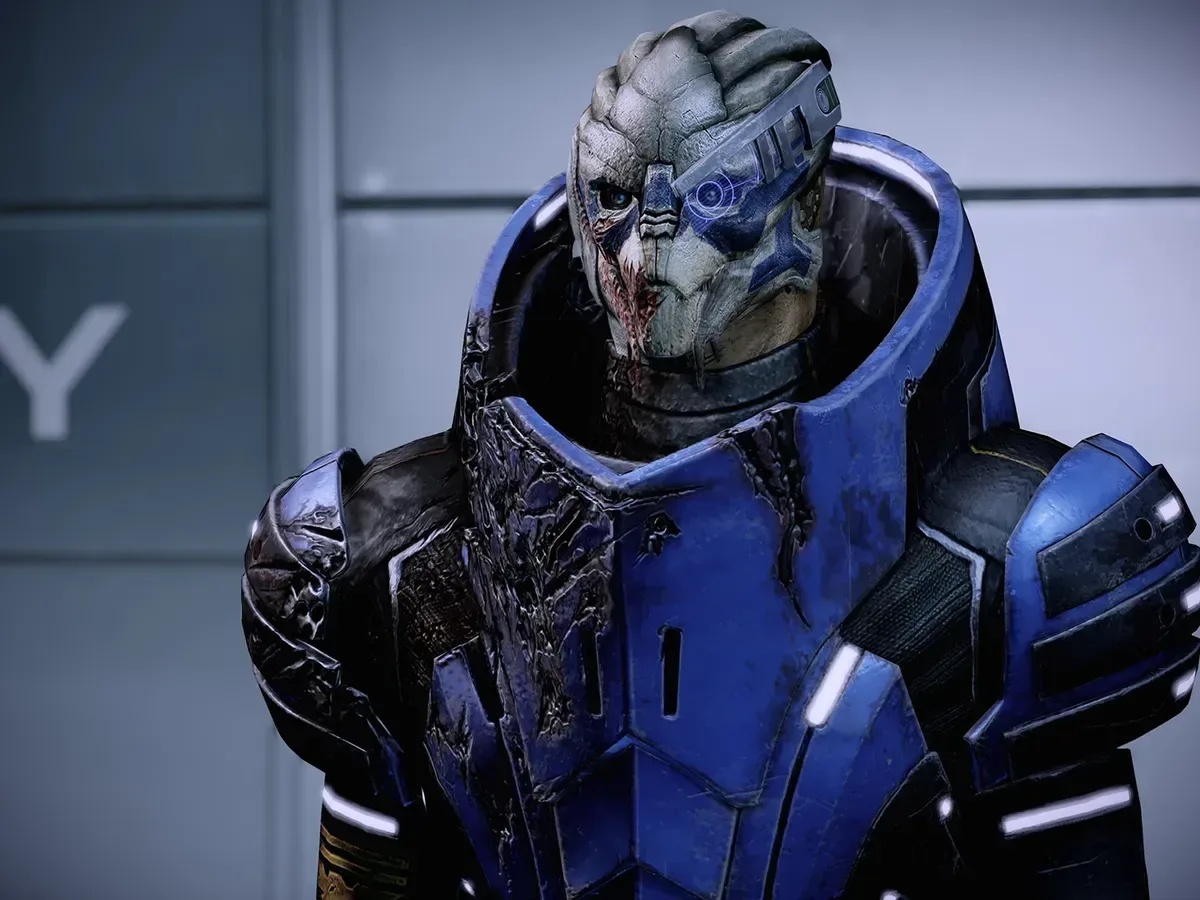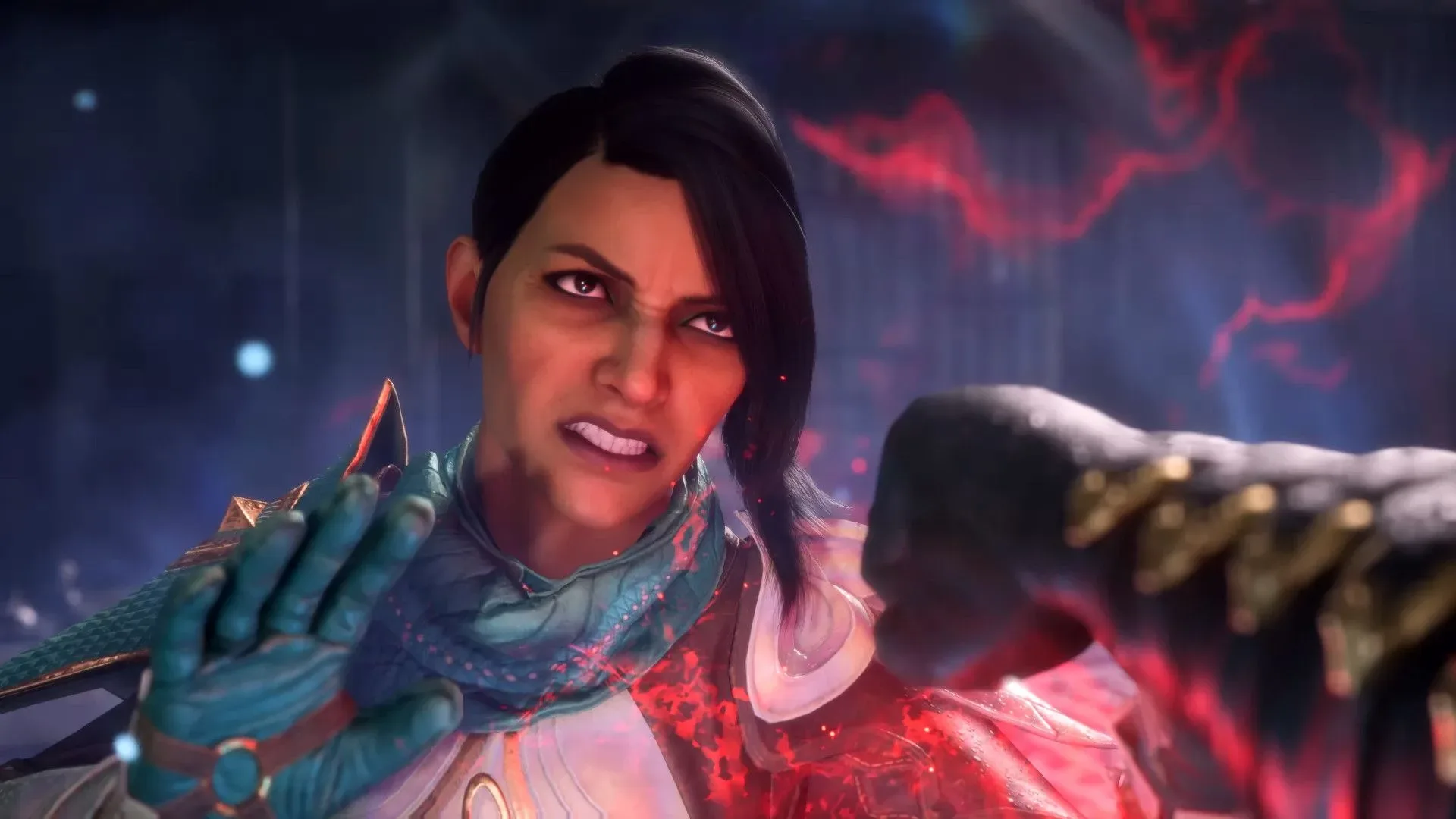
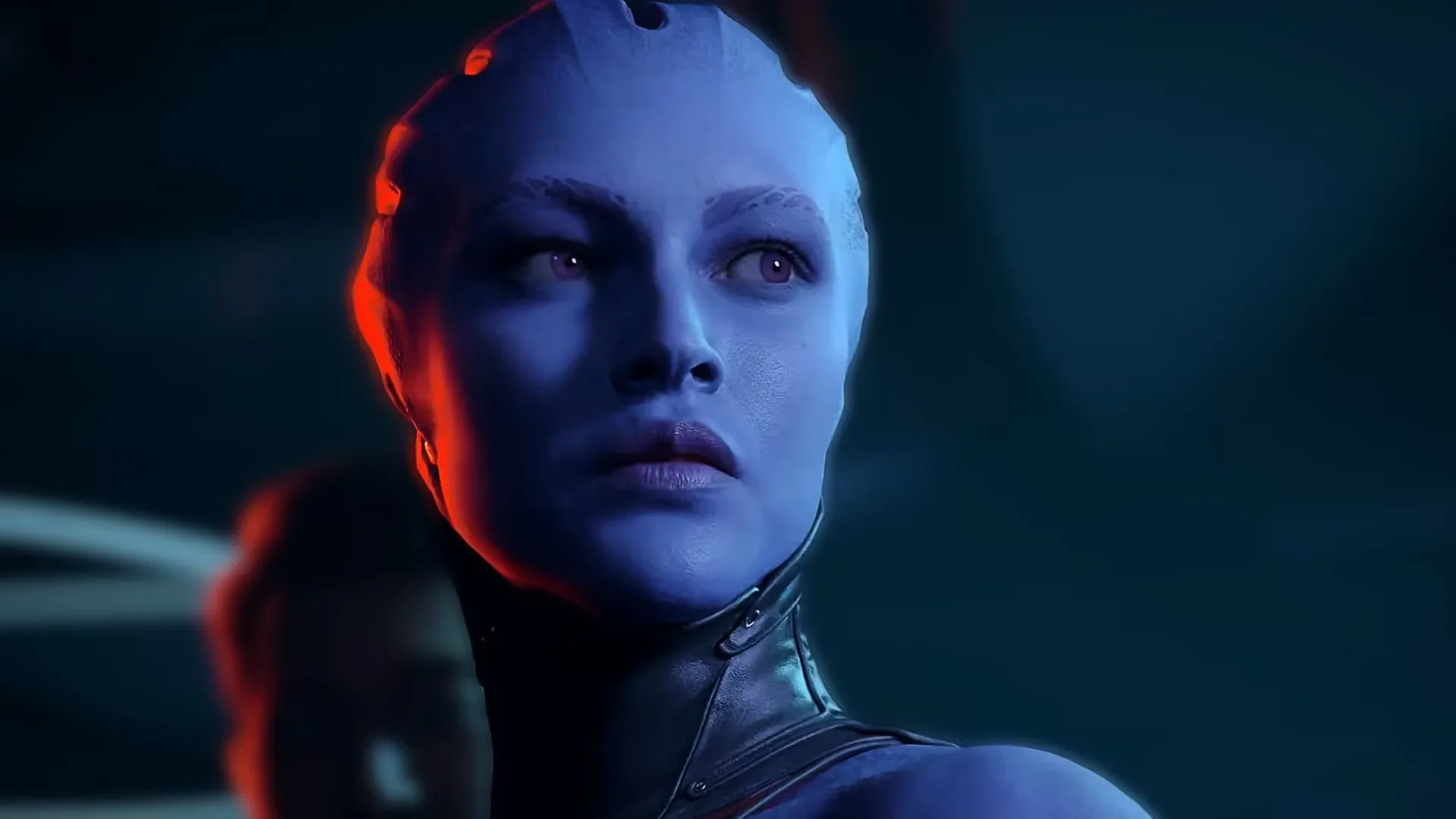
Trent Oster, a BioWare co-founder whose work spans formative studio RPGs and the original Mass Effect era, has given the #SaveMassEffect campaign a notable boost. His response to the fan-led effort follows the cancellation of Mass Effect 5, a sequel first revealed in 2020 and later shelved amid EA’s latest layoffs and BioWare’s shutdown.
Oster’s message is encouraging for fans who want the series to return, but it is important to separate support from a concrete revival plan. No new studio, development agreement, acquisition, or rights deal has been announced. EA owns the Mass Effect property, meaning any official continuation, revival, or licensing arrangement ultimately depends on EA’s decision.
What Oster actually said about #SaveMassEffect
Responding to the online campaign, Oster wrote: “I love seeing all the energy around #SaveMassEffect.” He added that he still sees “a great thesis for a well-funded RPG developer who can deliver,” then said the momentum made him want to “get some of the original band back together.”
That is a meaningful sentiment coming from someone with deep ties to BioWare’s earlier identity. Oster was BioWare’s director of technology by the time the first Mass Effect launched in 2007. He is also associated with early BioWare role-playing games including Baldur’s Gate and Neverwinter Nights, which he directed. His professional profile credits him with helping establish practices that expanded RPG development into franchises including Mass Effect and BioWare’s wider catalog.
For fans, the appealing part of Oster’s wording is obvious: it raises the possibility, however speculative, that veterans from the company’s past could collaborate again. But “makes me want to” is not the same as “we are doing this.” The statement expresses enthusiasm for the idea of experienced developers working together, rather than identifying a team, funding, project, or route back to the franchise.
The central obstacle is ownership, not fan interest
Fan energy can demonstrate that an audience still cares about a dormant or canceled series. It can organize attention, gather names, and frame a public case for a game’s commercial and cultural relevance. It cannot, on its own, transfer the intellectual-property rights required to make an official sequel.
Intellectual property, often shortened to IP, is the legal ownership of creative material such as a game’s name, setting, characters, story world, and associated branding. In this case, EA controls the rights to Mass Effect. A developer wanting to make an authorized sequel would need EA’s approval, whether that came through internal production, an external partnership, or a licensing arrangement.
That distinction matters because a reunion of former developers and a revival of Mass Effect 5 are separate propositions. Former BioWare staff could potentially work together on a new RPG concept without possessing the ability to make it a Mass Effect game. Conversely, EA could choose to revisit the franchise without bringing back any particular former staff. A revival that combines the two would require both business alignment and a development structure capable of delivering a large, modern RPG.
Related coverage includes BioWare Co-Founder Backs Save Mass Effect Push, Sees Room for Major RPG Comebacks.
That uncertainty is particularly relevant after the job losses connected to the shutdown. The human impact comes first: a canceled game is also a disrupted workplace and a lost role for the people who were building it. The game’s cancellation has become a rallying point precisely because players are responding not only to a missing sequel, but to the loss of a studio associated with character-driven RPGs.
Broader industry instability has made those concerns familiar across major studios. Recent reporting on an extended hiring freeze and jobs at risk around another high-profile project underlines how corporate staffing decisions can reshape games long before players see the final result. That situation offers a separate example of how employment pressures can affect major game development.
What the petitions show—and what they do not
Organizers behind #SaveMassEffect have launched a Change.org petition that was nearing 300,000 signatures. The same group has also run a separate petition seeking acknowledgment from the Canadian government, which reached a significant milestone on the same day Oster’s comments drew attention.
Those figures demonstrate organized interest, and they provide a visible focal point for a community campaign. Petitions can be especially useful when a group wants to show that its concern extends beyond scattered posts or individual accounts. They create a public tally, simplify outreach, and give supporters a shared action to take.
Still, a signature count is not a production commitment. It does not establish a budget, determine a publisher’s strategy, grant access to the property, or confirm that a viable project can be assembled. Large RPG development requires sustained financing, leadership, technology, staffing, scheduling, and a publisher willing to accept the risk. Oster’s own phrasing centers that final requirement: a developer must be both well funded and able to deliver.
That is why the movement’s near-term significance is best understood as visibility rather than confirmation. It has made clear that the canceled sequel has a motivated constituency and has attracted attention from a veteran connected to BioWare’s legacy. Whether that changes EA’s plans remains unknown.
Why Baldur’s Gate 3 is part of the conversation
Oster’s comments were not limited to the fate of one science-fiction series. He pushed back against the idea that BioWare’s closure proves large RPGs no longer have a place in the market. In response to the suggestion that the genre is experiencing a resurgence, he pointed to the sales performance of Baldur’s Gate 3, saying it “may have had an effect.”
The point is not that one game guarantees another game’s success. Rather, strong sales for a prominent RPG can influence how publishers, investors, and developers assess audience appetite. It can make the argument for ambitious, choice-focused role-playing games easier to articulate—especially games built around long-form storytelling, worldbuilding, party relationships, and consequential decisions.
RPG means role-playing game, a broad label that can cover very different formats. In the context of Oster’s remarks, the relevant idea is a large-scale narrative RPG: a project that asks a developer to maintain complex dialogue, player choice, character progression, lore, and systems across a substantial game. Such games often require major investment because their scope creates many connected development demands. A choice in one storyline may need to be tracked across later scenes; a companion character may need responses to several possible player decisions; and a world with deep lore needs consistency across its writing, art, design, and audio.
That complexity helps explain why the business case matters so much. A beloved name and a receptive audience are advantages, but they do not eliminate the logistical challenge. Oster’s observation is better read as an argument that successful RPGs can strengthen confidence in the category, not as evidence that Mass Effect 5 is secretly back in production.
What a “well-funded RPG developer” implies
Oster’s phrase carries more weight than a generic call for another sequel. Funding affects how long a studio can remain in pre-production, how many disciplines it can support, and how much time it has to revise a game when its interconnected systems create problems. For a modern narrative RPG, those disciplines can include writing, narrative design, programming, art, animation, audio, quality assurance, production, and community-facing work.
“Can deliver” is the equally important second half. A developer needs the capacity to turn an attractive premise into a finished game. That means more than having veterans with relevant credits. It requires a stable organization and a workable production process. Oster’s experience in technology leadership and foundational RPG development gives his assessment context, but it does not remove the practical demands of building a new team or obtaining the rights to an established universe.
For that reason, the most grounded takeaway is cautiously optimistic rather than celebratory. There is clear fan enthusiasm. There is public encouragement from a BioWare co-founder. There is also a current example that Oster believes demonstrates continuing appetite for major RPGs. Yet the decisive conditions remain unconfirmed: EA’s willingness to return to Mass Effect, the structure of any prospective development effort, and the funding required to make it happen.
Where that leaves Mass Effect fans
Fans can fairly view Oster’s post as validation that the campaign has reached people with real historical ties to the series. The campaign’s petition momentum and social-media presence have given a canceled project a public afterlife, rather than allowing it to disappear quietly from discussion.
But expectations should stay calibrated. There is no announced rescue, no indication that EA plans to sell or license the series, and no verified effort to assemble a former BioWare team around Mass Effect 5. The strongest confirmed development is that a respected veteran sees a continuing case for big-budget RPGs and likes the energy surrounding the movement.
That may not be the definitive answer supporters want, but it is a useful signal in a difficult moment for the genre’s creators and fans alike. The #SaveMassEffect campaign has shown that the appetite for the series remains visible. Whether that attention becomes an official future for the franchise is still a question only the rights holder can answer.