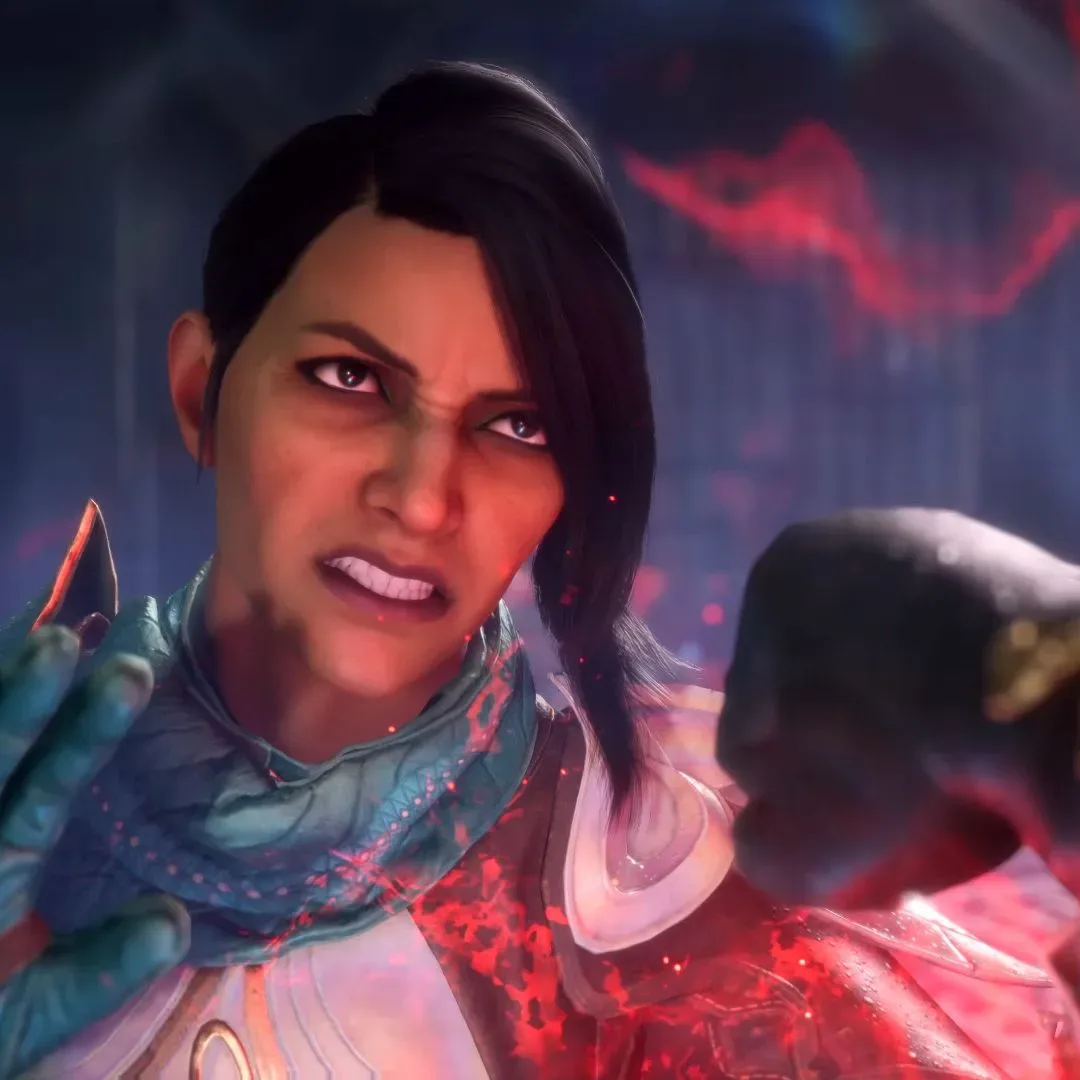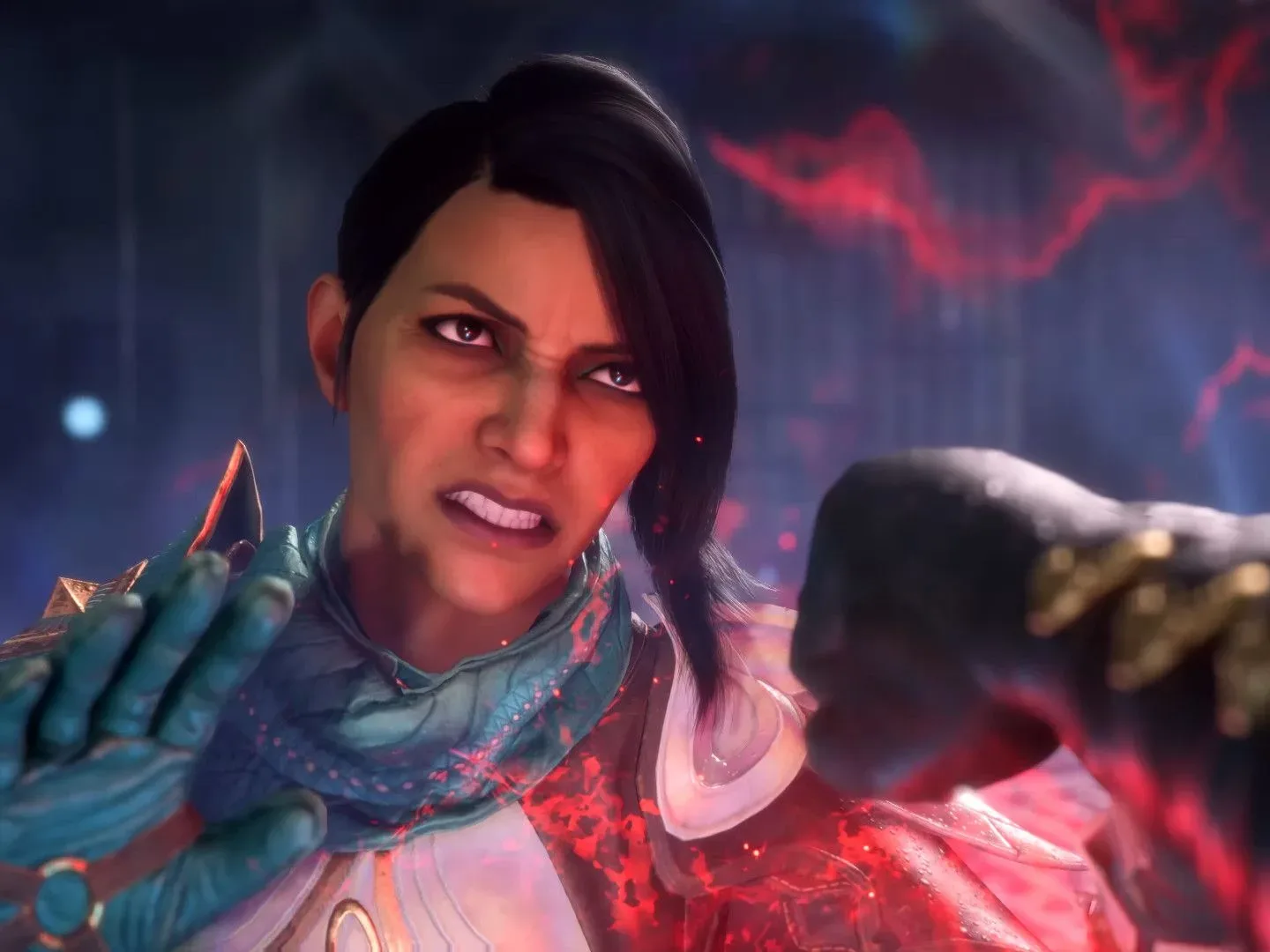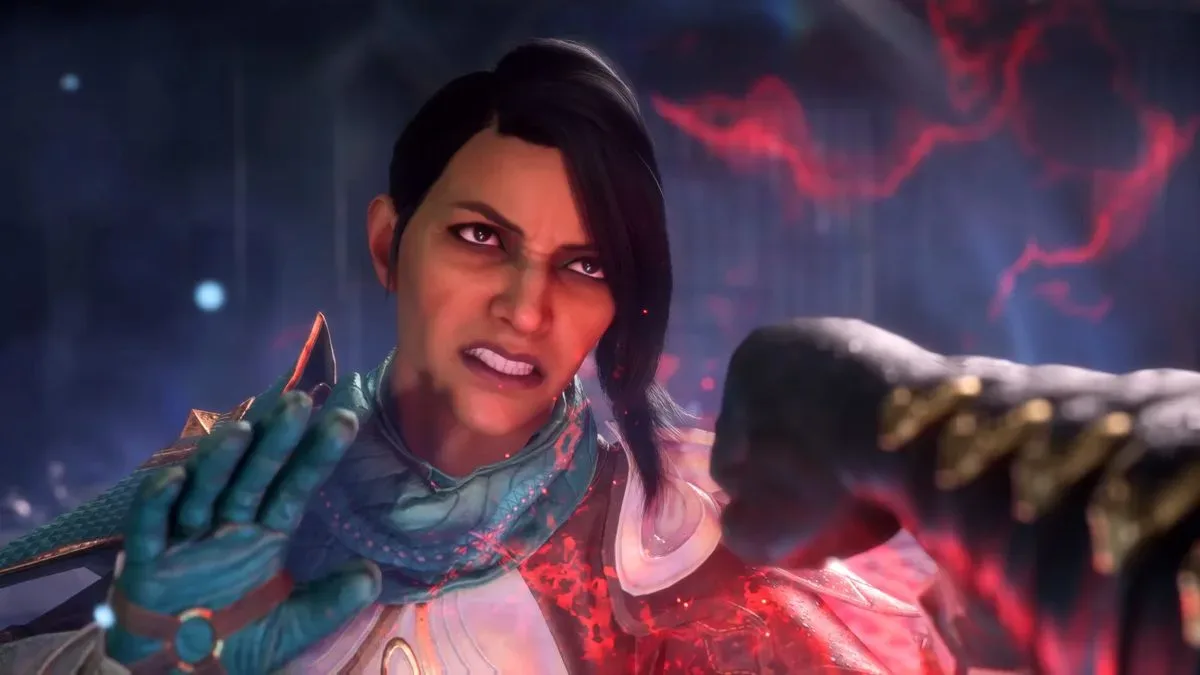
Former Dragon Age series lead Mark Darrah has offered a notably blunt description of his work as a freelance consultant during the final stretch of Dragon Age: The Veilguard’s development: he says many of his recommendations were not taken on board.
Darrah left BioWare in 2021 and was not one of The Veilguard’s project leads. That distinction is central to understanding his comments. A consultant can bring experience, flag risks, and propose alternatives, but does not necessarily hold decision-making authority. The development team was entitled to reject his proposals, and Darrah says that happened repeatedly.
“There were lots of things that I made recommendations on that were not listened to,” Darrah said. “And in fact, in some cases, I would make a recommendation, it was ignored, and then a different group that was also helping would make the same recommendation, and then it was listened to. So it was definitely a frustrating experience for me.”
It is a revealing account not because it supplies a simple answer for why players disagree over The Veilguard, but because it shows how difficult it can be for a large game team to turn feedback into action—particularly when that feedback comes from someone outside the project’s formal leadership structure.
A consultant can advise, not decide
“Consultant” can sound like a position of broad influence from the outside. In practice, it often means the opposite: the consultant is invited to assess part of a project, offer informed criticism, and recommend a direction, while the people accountable for schedules, budgets, production realities, and the final game retain the call.
Darrah’s account does not establish that every ignored suggestion was correct, nor does it identify the recommendations at issue. It does, however, describe a familiar organizational problem: feedback can carry different weight depending on who delivers it, when it arrives, and how it fits a team’s existing priorities.
The most striking part of his statement is not merely that ideas were declined. Development requires teams to decline ideas all the time. It is his claim that similar recommendations were later accepted after being raised by a different supporting group. If that sequence occurred as described, the frustration is understandable. It suggests the disagreement may not always have been solely about the substance of a proposal; process, timing, ownership, or internal alignment can also determine whether an idea makes it into a game.
That is especially consequential in the late stages of development. A “final stretch” is generally the point when teams have less room for sweeping changes. The game’s larger direction has already been established, and proposed adjustments must compete with the work needed to finish, test, and ship what is already planned. Even well-founded advice may be judged too disruptive, too late, or insufficiently compatible with the work underway.
Related coverage includes Mark Darrah Says Many Dragon Age: The Veilguard Recommendations Were Ignored.
Why the comments will resonate with Dragon Age fans
Dragon Age: The Veilguard has been a polarizing entry in the RPG series, even as it received largely positive reviews. Its writing and story have been especially contested among fans. That makes any comment from a longtime figure associated with the franchise unusually charged: readers may be tempted to treat it as confirmation of their own view of the game.
But Darrah’s statement is narrower than a complete verdict on The Veilguard. He describes his own working experience, not a detailed postmortem of the game. Without knowing what he suggested, which people were involved, why each idea was rejected, or what constraints existed at the time, it would be a mistake to convert his frustration into proof that one specific creative decision caused every point of disagreement around the release.
That limitation matters. Games are made by large groups, and a single narrative, combat, progression, or companion-system decision can pass through many hands. “Writing and story” also covers a wide range of work: character arcs, dialogue, worldbuilding, pacing, choices, quest structure, editing, cinematic presentation, and the way players encounter information. A complaint about one of those areas is not automatically an explanation for all of the others.
The broader conversation around The Veilguard has also sometimes reduced a vast team’s work to a small group of visible decision-makers. That is unfair to the many people whose roles offered little or no control over the elements critics disliked. The distinction is worth retaining even when discussing Darrah’s remarks. His complaint concerns how recommendations were handled at a decision-making level; it should not be used as a blanket judgment of everyone who worked on the game.
The accessibility debate behind the criticism
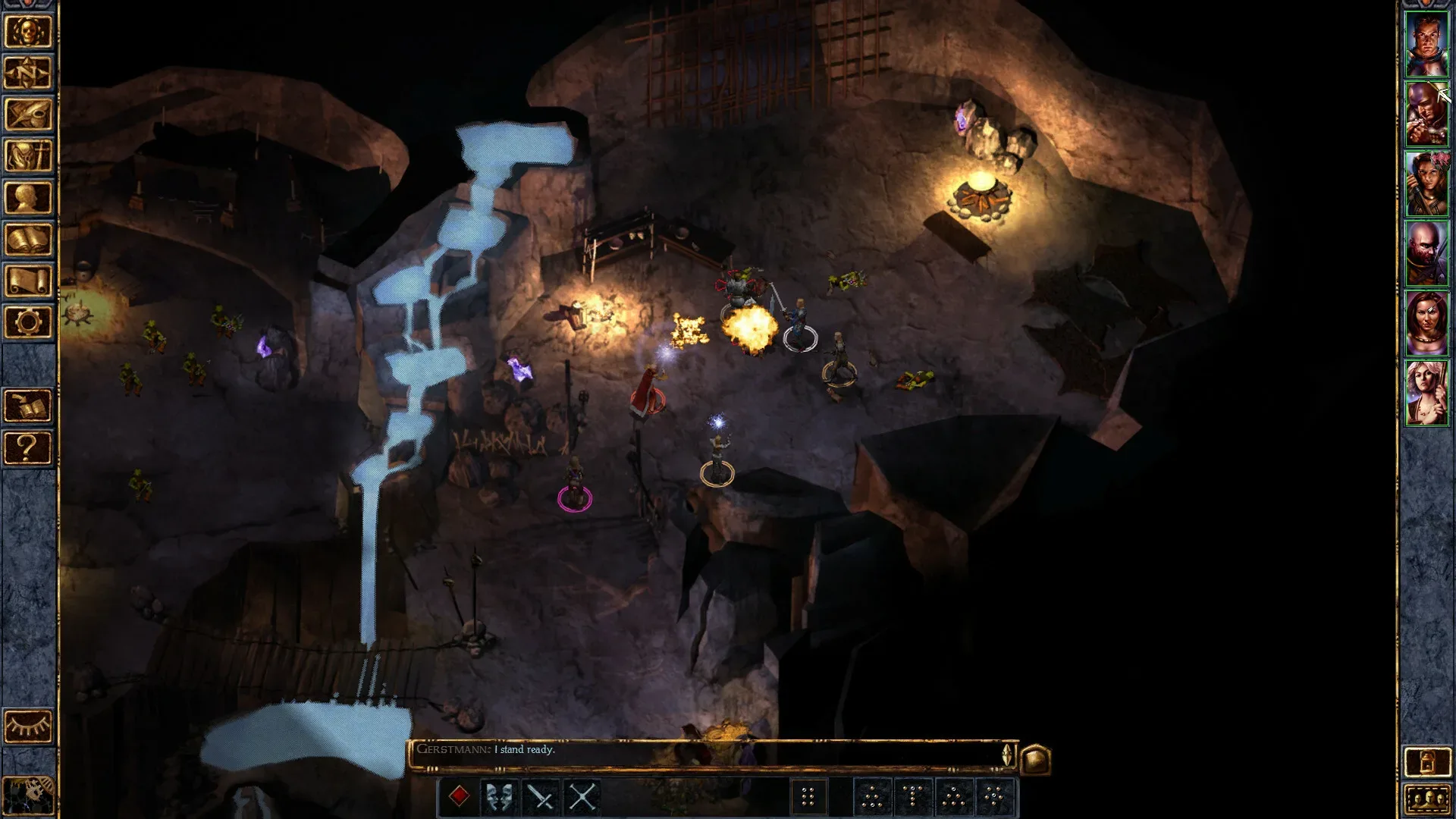
Darrah has previously linked Dragon Age’s difficulties to what he characterized as a preference for making RPGs simpler and more accessible. In his view, that approach prevented the series from landing a major hit on the scale of Baldur’s Gate 3.
Accessibility is often used imprecisely in game discourse, and it is important not to collapse several separate ideas into one. It can refer to reducing barriers to play, making systems easier to learn, clarifying user interfaces, or supporting a wider range of player needs. “Simpler,” meanwhile, can refer to fewer systems, less demanding decision-making, a more streamlined structure, or reduced complexity in rules and consequences. These are related concepts, but they are not interchangeable.
A game can pursue accessibility while preserving depth. Likewise, a more elaborate RPG is not automatically better simply because it asks more of players. The real creative question is whether a game’s systems, story presentation, and choices support the kind of experience it intends to deliver. Darrah’s criticism is therefore best understood as a perspective on series direction: he believes the push toward a more approachable form of RPG came at a cost to what made Dragon Age distinct or capable of a larger breakthrough.
That perspective is meaningful because of his experience with the franchise. It remains a perspective, though—not a conclusive measurement of why any given game connected with some players and divided others. Player response is shaped by expectations, genre preferences, individual tolerance for complexity, and the particular features they value in an RPG. The fact that The Veilguard prompted strong disagreement says as much about the varying ideas of what Dragon Age should be as it does about any one design philosophy.
What the remarks say about creative development
Darrah’s comments offer a useful reminder that creative authority is rarely distributed evenly, even among highly experienced contributors. A former leader returning in an advisory capacity may have deep knowledge of a series’ history, tone, and audience, yet still lack the mandate to set the direction of a new project. That is not inherently a failure; a current team needs room to own its work. But it can become difficult when the consultant believes key risks are being missed and cannot move the project toward a different answer.
There is also a practical lesson in the part of Darrah’s account involving duplicated recommendations. Large productions benefit when feedback has an explicit path: who evaluates it, what criteria they use, what decision is reached, and why. Clearer processes cannot erase creative disagreement, but they can reduce the chance that valuable feedback disappears because it arrived through the “wrong” channel, only to reappear later with a different messenger.
For players, none of this changes the version of The Veilguard they played. It does add context to the long-running debate over its identity. The game’s disputed writing and story were not shaped by a single person’s approval or disapproval. They emerged from a team process in which a former series leader says he had limited influence, despite being brought in to advise.
A franchise conversation during a difficult period
These comments arrive while Dragon Age, Mass Effect, and BioWare more broadly are again under scrutiny following EA’s closure of the studio and the cancellation of Mass Effect 5. The situation should not be pinned on one game, one developer, or one team. The business backdrop also includes EA’s completed $55 billion leveraged buyout by Saudi Arabia’s Public Investment Fund, Silver Lake, and Jared Kushner’s Affinity Partners.
Those events make retrospective debates around individual projects feel more urgent, but they also make oversimplified blame especially unhelpful. A studio’s output, its internal creative processes, corporate ownership, and decisions about future projects are different subjects, even when they intersect in public discussion.
For a wider look at what the studio’s games have meant to audiences and creators, read BioWare’s legacy beyond the studio itself.
Darrah’s description of consulting on The Veilguard does not settle the arguments around the game. What it does provide is a concrete account of a former franchise leader feeling sidelined: recommendations were made, many were not accepted, and the experience was frustrating. For a series whose fans care intensely about voice, choice, and continuity, that is likely to keep the discussion going—not as a definitive diagnosis, but as another important piece of context.