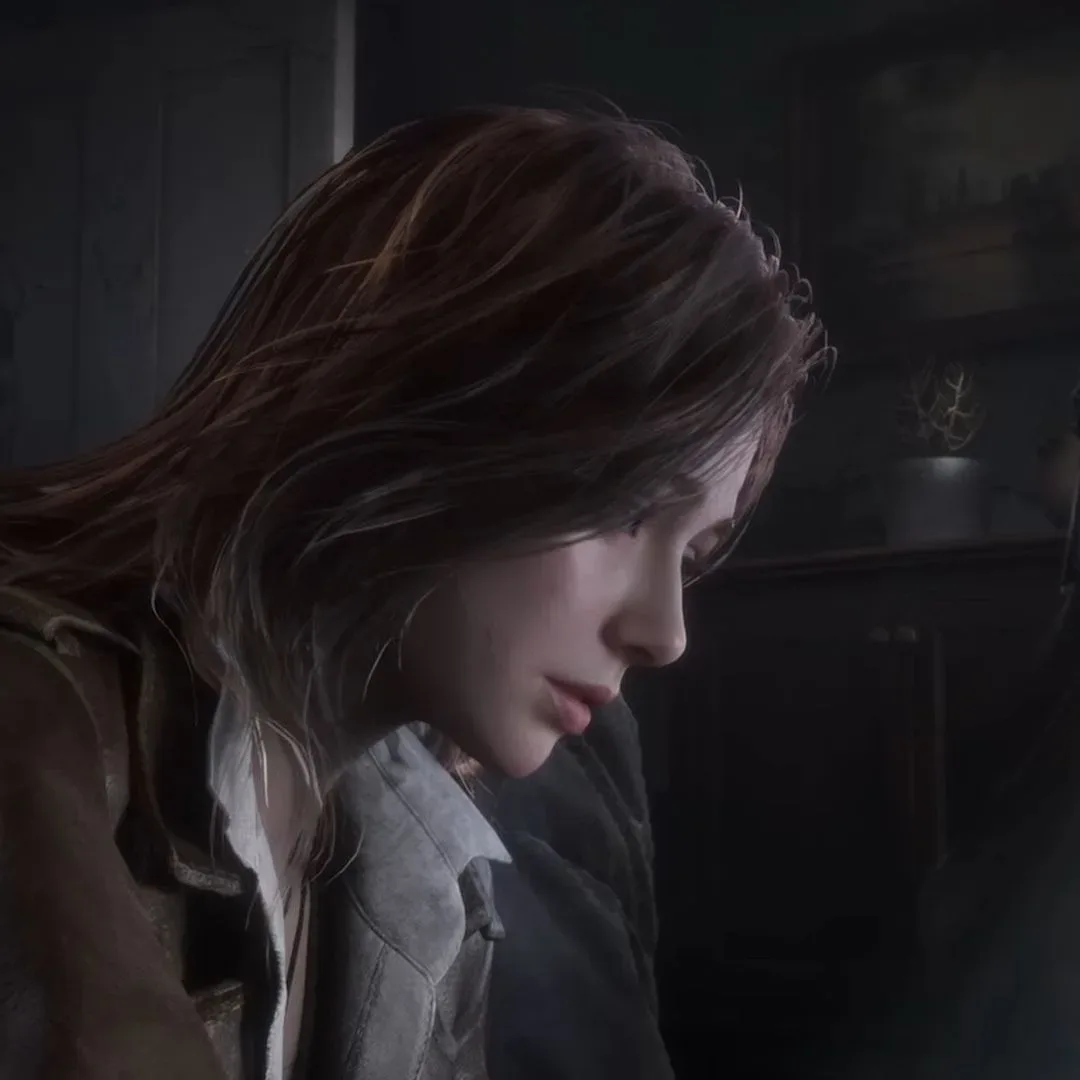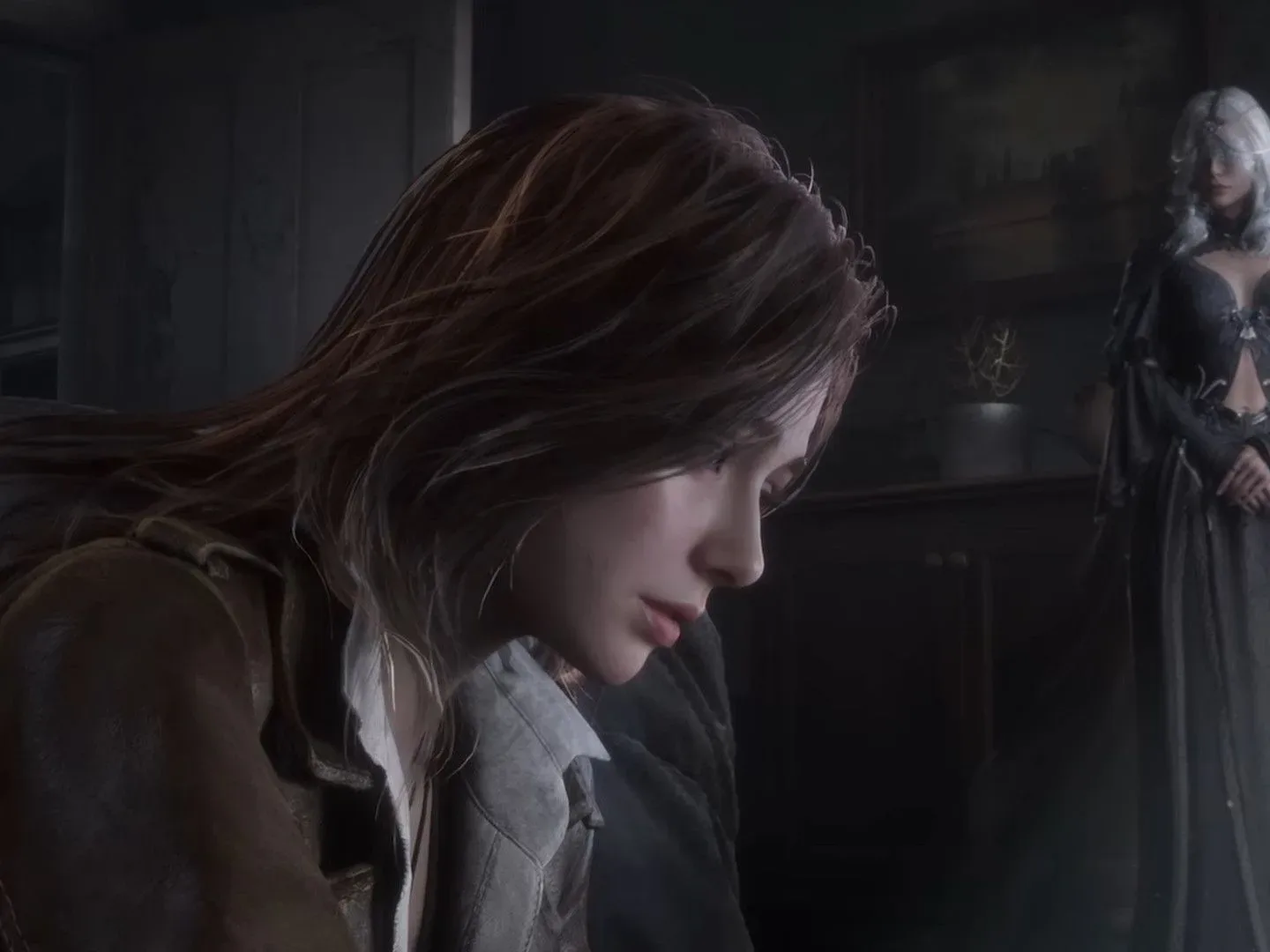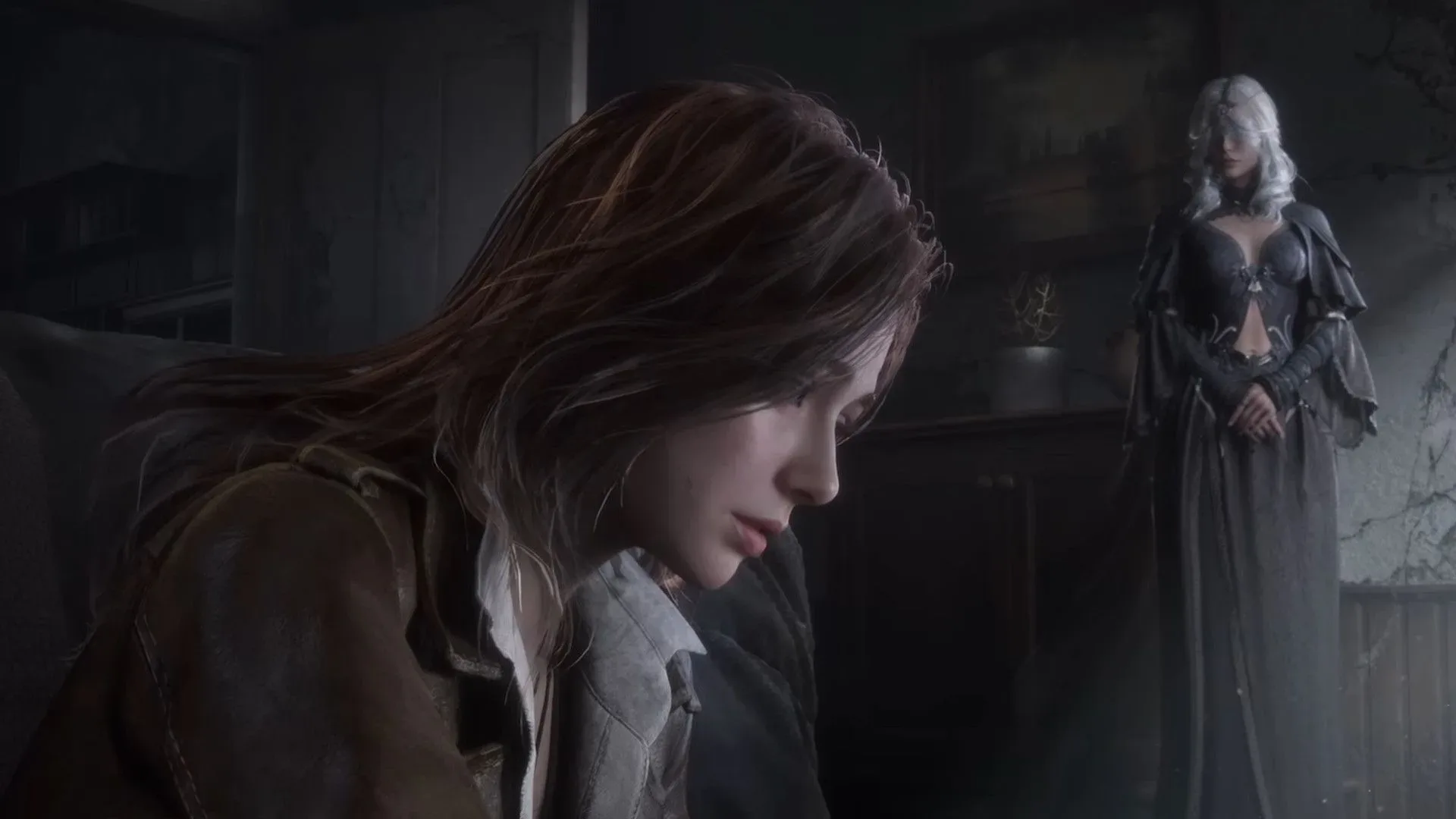
Tides of Annihilation is handling its lead-voice transition by making room for a new performance rather than trying to recreate the old one. Eclipse Glow Games director and co-CEO Ary Chen says Angela Sant’Albano, who has taken over the role of protagonist Gwendolyn, is not being treated as a sound-alike replacement for Jennifer English.
That distinction matters. English had originally been announced as Gwendolyn in early 2025, but stepped away from the lead role in July because of her health. Sant’Albano is now voicing the character. Rather than pretend a major creative change has not happened, the studio’s stated approach is to recognize that the two actors have different strengths and different ways of interpreting the same heroine.
“We believe both of them have their own unique style, and we respect and we appreciate their different styles,” Chen said through an interpreter at Gamescom 2026.
It is a sensible answer to the awkward question that hangs over any recast: will the replacement be asked to reproduce what came before? Chen’s comments point in the other direction. The goal is not imitation. It is an understanding of Gwendolyn that can survive a change in performer while allowing Sant’Albano’s own voice and instincts to shape the role.
Jennifer English remains part of the project
English has not completely departed from Tides of Annihilation. She remains involved as an advisor, providing a bridge between the character work established during her time on the game and Sant’Albano’s incoming performance.
That advisory role is especially notable because English had been attached to Gwendolyn for a substantial period. Her original casting dates back to early 2025, so the character was not merely a name on a casting sheet when the change became necessary. The studio has indicated that English’s continued participation can help Sant’Albano understand the protagonist and the team’s interpretation of her.
“We think their communication will also help Angela better understand or have her understanding of the protagonist,” Chen said.
The phrasing leaves important room for collaboration. An advisor can share context: the character’s place in the story, the intended emotional direction, or the creative ideas that were already taking shape. But that does not mean the finished performance has to be an imitation of another actor’s cadence, delivery, or personality. A character can retain continuity while the performer brings a different texture to it.
For players, that is arguably the healthier expectation to take into the eventual release. Recasting is inherently noticeable, particularly when the first actor is closely associated with beloved roles. Yet trying to erase the difference can often make the new work feel constrained. The stated plan here is to preserve understanding of Gwendolyn while letting Sant’Albano interpret her in her own fashion.
Two established actors, two distinct paths into Gwendolyn
English is widely known in games for playing Shadowheart in Baldur’s Gate 3, and her credits also include Elden Ring and Clair Obscur: Expedition 33. That body of work inevitably made her original casting a point of interest. It also means some players may have arrived at Tides of Annihilation with assumptions about what Gwendolyn might sound like.
Those assumptions now need recalibrating. English’s experience and established screen presence are not something another actor can—or should—be expected to duplicate. The game’s production has changed, and the studio is emphasizing that the replacement is not there to chase an existing vocal blueprint.
Sant’Albano brings her own recent game credit to the role: Grace in Resident Evil Requiem. The available details do not reveal precisely how Gwendolyn will sound or how the role will develop across the game, so it would be premature to draw direct comparisons between the two characters. What is clear is that Sant’Albano is coming into a high-profile role with a distinct body of work, while English’s advisory support gives the project continuity behind the scenes.
There is a broader lesson here about voice performance in games. A protagonist is not only a set of spoken lines. Performance is tied to timing, characterization, scene partners, direction, and the actor’s own decisions. When a lead changes, the aim cannot realistically be to preserve every microscopic quality of what might have been. The better objective is to protect the character’s purpose in the larger work while treating the incoming actor as an artist rather than a human audio patch.
That is not a criticism of audiences who are disappointed that English had to leave the lead part. Her departure was tied to health, and it is understandable that fans of her previous performances would feel the loss. But the studio’s comments frame Sant’Albano’s casting as a continuation built on communication, not a competition to reproduce English.
What remains unknown about Tides of Annihilation
There is still no launch window for Tides of Annihilation. The casting change is a meaningful production development, but it does not come with a date, platform update, or detailed timeline. As a result, any attempt to infer a release period from the recast would be speculation.
That uncertainty makes the team’s choice of messaging more important. Instead of offering a release target to redirect attention, Eclipse Glow Games is explaining the creative philosophy behind the transition: respect both performers, allow each to have an individual style, and use English’s familiarity with Gwendolyn to support Sant’Albano’s understanding of the character.
It is a measured approach, and one that puts the focus where it should be: on the wellbeing of an actor who had to step back, and on giving the new lead room to do a credible job. The gaming world is full of familiar voices, but a recast works best when nobody is pretending that distinct performers are interchangeable. For a reminder that games also thrive on the personalities people bring to shared experiences, revisit the unwritten rules of couch multiplayer.
The studio is also watching AI developments
Chen has additionally said the developers are continuously monitoring new developments in AI technology. At the same time, the studio says it plans to use the techniques it is best at during development. That is a deliberately limited statement, and it does not provide a breakdown of specific tools, workflows, or how any technology could affect the game.
For now, the relevant human element is considerably clearer than the technological one. English remains an advisor after leaving the lead role, Sant’Albano is now Gwendolyn’s voice, and the studio says it values the different styles each performer brings. In a production moment where a game could easily reduce a performer to a replaceable component, Tides of Annihilation is presenting the change as a collaboration between two interpretations of the same protagonist.
That choice will not eliminate curiosity about the final performance, and it cannot supply the missing launch window. It does, however, set a fair expectation: Gwendolyn is continuing, but her voice is entering a new chapter. For a wider look at how creative technology is being discussed across immersive media, see the conversation around shared spaces, smart glasses, and storytelling in XR.
Until Eclipse Glow Games shares more, the most concrete update is not a trailer beat or release-date clue. It is a production principle. Sant’Albano will not be asked to become Jennifer English, and English’s continued advisory involvement may help make that transition more informed without denying either actor her own creative identity.