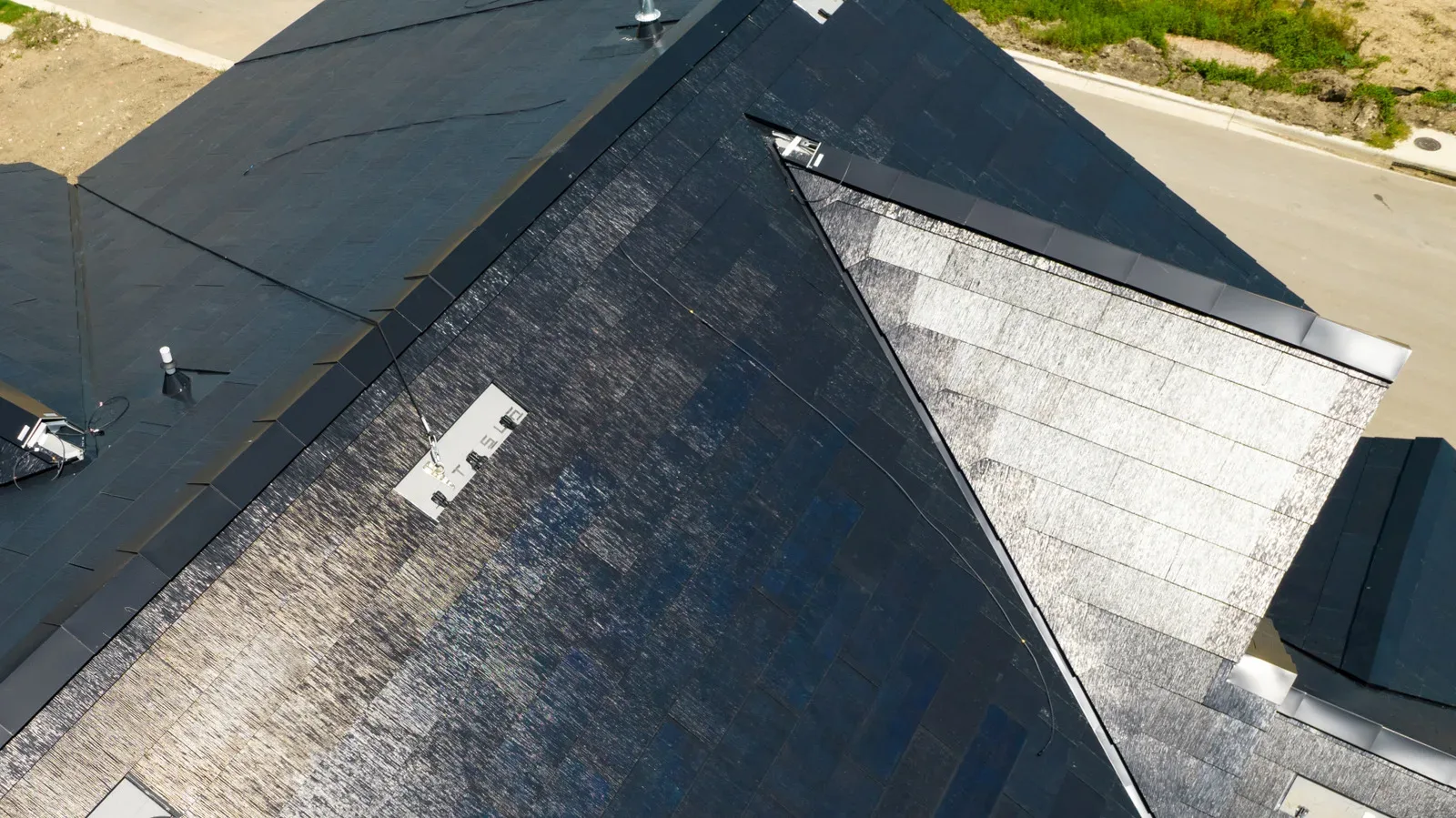
Tesla’s Solar Roof appears to be reaching the end of its unusually long and difficult run. The company’s dedicated Solar Roof page now directs visitors to its conventional solar-panel offering, the product no longer appears in its Energy navigation, and the online flow previously used to request a Solar Roof quote now routes customers toward standard panels instead.
The change matters because Solar Roof was never meant to be merely another solar-panel package. Its pitch was architectural: replace the familiar exposed panel array with roof tiles designed to resemble ordinary shingles from the street. Tesla was trying to sell electricity generation and curb appeal in the same product. That remains a compelling idea, particularly for homeowners who dislike the appearance of conventional rooftop panels.
But the available evidence points to a product caught between an ambitious visual concept and the much harsher economics of roof construction, manufacturing and installation. Tesla’s move toward conventional panels suggests that, for now, the simpler approach has won.
What Tesla was trying to build
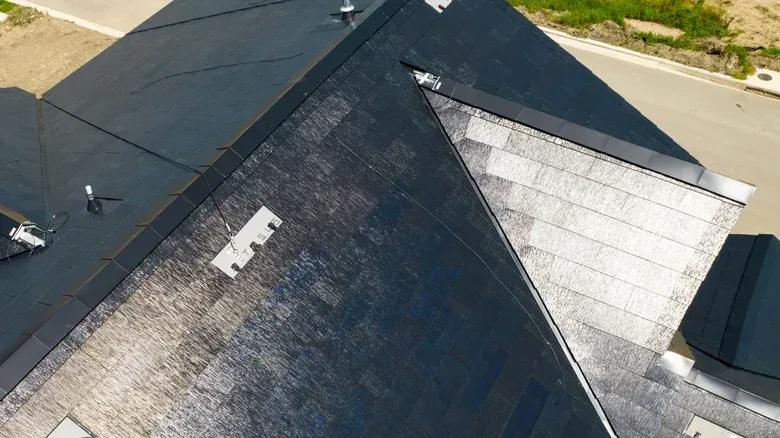
A traditional residential solar installation generally adds photovoltaic modules above an existing roof. Photovoltaic refers to the process by which solar cells convert light into electricity. Tesla’s Solar Roof pursued a different path: solar-generating tiles would function as part of the roof surface itself, rather than as a separate layer mounted over shingles.
The visual trick behind the product was important to its identity. The tiles were designed to obscure the photovoltaic cells when viewed from a side angle, while allowing sunlight through from above. Tesla’s patent material described louvers intended to block a street-level view of the cells without significantly limiting the solar energy reaching them.
That design addressed one of the most common aesthetic objections to rooftop solar. A roof is a large, conspicuous part of a house; for some buyers, the appearance of a dark panel array is an acceptable trade-off for generation, while for others it is a deal-breaker. A solar roof promised a less visibly technological answer.
It also created a more demanding product. A conventional panel is primarily an energy device. A solar tile needs to participate in the work of a roof while also generating electricity: it must fit into a broader roofing system, be installed correctly across a particular home, and support the expectations buyers have of a long-lived exterior surface. That combination raises the stakes when design, supply, scheduling or pricing goes wrong.
A sleek premise ran into a costly reality
The central problem appears to have been cost, compounded by unreliable expectations around cost. In 2021, an example involving a 3,947-square-foot roof and a 12.3 kW Solar Roof system showed an estimated price rising from $54,966 before incentives to a range of $79,938 to $100,621 within a year.
kW, or kilowatt, is a measure of power. In this context, a 12.3 kW system describes the rated generating capacity of the solar installation, not a guarantee that it will constantly produce that amount. Actual output varies with daylight, weather, roof orientation and other real-world conditions. Still, the scale of the quoted price change is clear: a project that already occupied a premium category became dramatically more expensive.
That volatility is particularly damaging for a roof replacement. Homeowners cannot always treat a roof as a casual upgrade. If replacement is driven by age, damage or a construction schedule, major repricing can turn a carefully planned project into one that is no longer viable. It can also make comparing options more difficult, because Solar Roof was not simply competing with panels; it was competing with the combined price of a normal roof plus a conventional solar installation.
Meanwhile, standard panels benefited from efficient modules and mass production that lowered their cost over time. Tesla was therefore asking buyers to pay for a more complex integrated design just as the more familiar alternative was becoming cheaper and easier to justify.
This is the practical distinction at the heart of the apparent retreat. A conventional array may not disappear into the roofline, but it is a mature format with a clearer division of labor: roofing materials protect the building, and panels produce electricity above them. Solar Roof attempted to blend those roles. The result had aesthetic upside, but it also created more ways for a project to become expensive or complicated.
Sales never approached the stated ambition
Tesla had set an extremely high installation ambition of 1,000 Solar Roofs per week. The reported reality was much smaller. Data for the product’s 2022 peak placed installations at roughly 21 to 32 roofs per week. A later assessment found that just 3,000 U.S. homes had installed the product.
The gap is not a matter of a target being missed by a modest amount. It illustrates how difficult it was to turn an eye-catching demonstration into a repeatable national construction business. Solar installations require site assessment, product delivery, labor and electrical work. Integrated roofs add roofing coordination to that list. Scaling a product like that is about far more than making enough tiles: every home has its own roof size, layout and conditions.
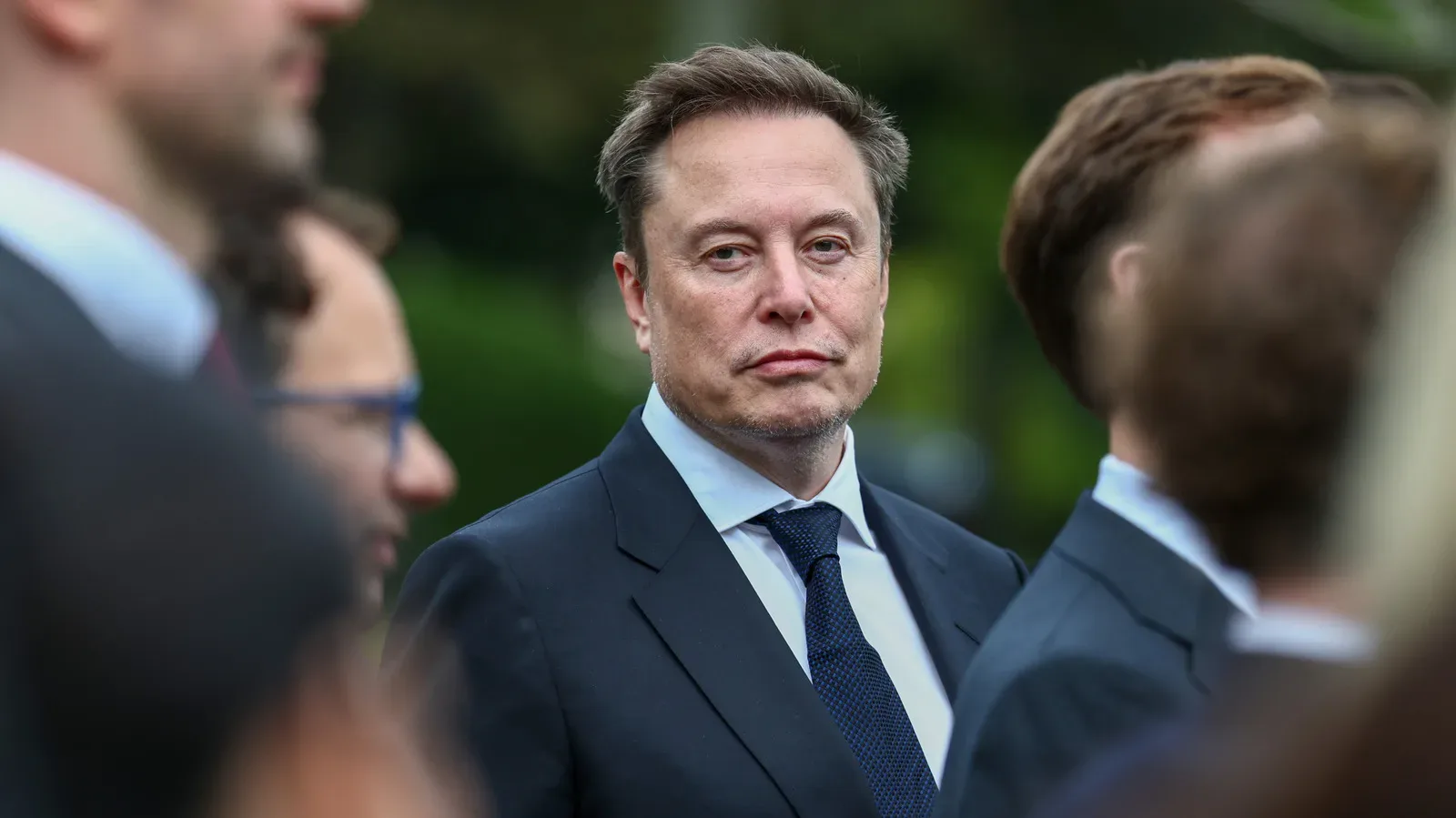
Tesla acknowledged the difficulty itself. During a 2021 first-quarter earnings call, Elon Musk said the project had involved “significant mistakes,” along with substantial overspending and delays. Multiple redesigns followed, but the reported installation pace remained far below the goal.
The product’s early presentation has also remained part of the story. Tesla showcased the concept at homes used in Desperate Housewives, then acquired SolarCity for $2.6 billion shortly afterward. SolarCity had been the largest U.S. solar provider at the time and was founded by Musk’s cousins. Shareholder litigation relating to the acquisition later indicated that the tiles displayed at the launch event were not operational.
That history does not erase the underlying appeal of integrated solar. It does, however, show why launch imagery and a polished concept should be separated from a scalable, installable consumer product. A roof is not a prototype-friendly purchase for most households. Buyers need predictable pricing, dependable scheduling and confidence that the finished installation will perform its two basic jobs: shelter the home and produce the expected energy.
Performance concerns added to the pressure
Cost and low installation volume were not the only issues associated with Solar Roof. There were user reports that systems produced less electricity than expected, as well as reports of roof underlayment melting. Underlayment is a protective layer used beneath the outer roofing material. Because it is part of the roof assembly rather than a cosmetic extra, any concern involving it is especially serious for a product sold as an integrated roof solution.
These reports should be kept in proportion: the available information does not establish that every installation had either problem, nor does it provide a complete rate of occurrence. But a complex, premium product does not need a universal failure to sustain reputational damage. For prospective customers weighing a very expensive home project, even a limited set of widely discussed performance complaints can make the conventional alternative feel safer.
It is also worth avoiding a broader conclusion that integrated solar itself has disappeared. Flexible solar panels from Merlin Solar remain on sale, demonstrating that companies are still pursuing less conventional forms of photovoltaic integration. Tesla moving away from Solar Roof is better understood as a verdict on this particular product’s commercial execution than a final technological verdict on every integrated-solar design.
What the apparent discontinuation means for homeowners
The most immediate takeaway is simple: people considering a Tesla solar project should be prepared to encounter conventional panels rather than a tile-based roof offering. Third-party installers may still offer Solar Roof on projects already moving through their timelines, so the transition may not be perfectly uniform. But the redirection of Tesla’s own product pages and configurator makes the company’s direction difficult to miss.
For anyone already navigating a major home purchase, this is a useful reminder to distinguish the function of a product from its presentation. A solar roof may look more cohesive than a panel array, but the important questions include the installed price, expected generation, roof work required, scheduling, maintenance responsibilities and what happens if a component needs attention later. The same practical mindset applies to other high-cost home technology decisions, including choosing and safely placing a big gaming display; this guide to TV size, viewing distance and stand safety is a useful example of matching a flashy upgrade to the realities of a room.
There is an important analytical lesson here as well. Tesla’s initial proposition was not irrational. Many buyers genuinely value a roof that looks conventional, and an energy-generating building surface remains an attractive long-term idea. But aesthetics have to survive contact with the rest of the project: installation pace, manufacturing, service, construction complexity and a price that remains competitive with alternatives.
On those terms, conventional panels appear to have offered Tesla a more sustainable path. They may be less visually seamless, but their lower-cost trajectory and established installation model make them easier to sell at scale. Solar Roof’s apparent sunset is therefore not just a story about one discontinued-looking product. It is a case study in how a bold hardware concept can be undermined when its premium design cannot overcome the practical advantages of a simpler rival approach.