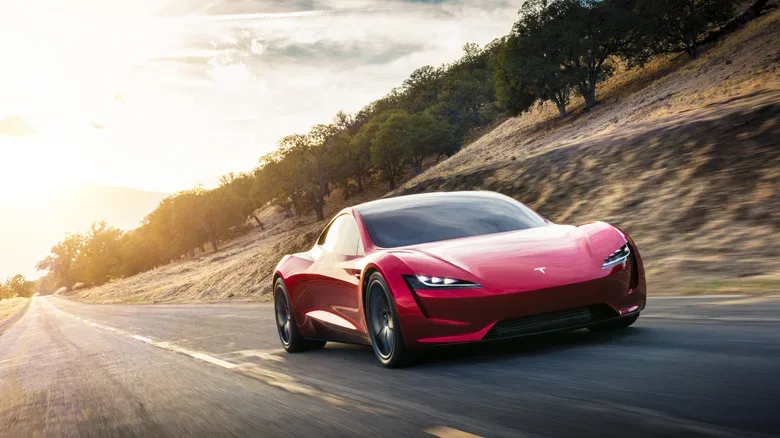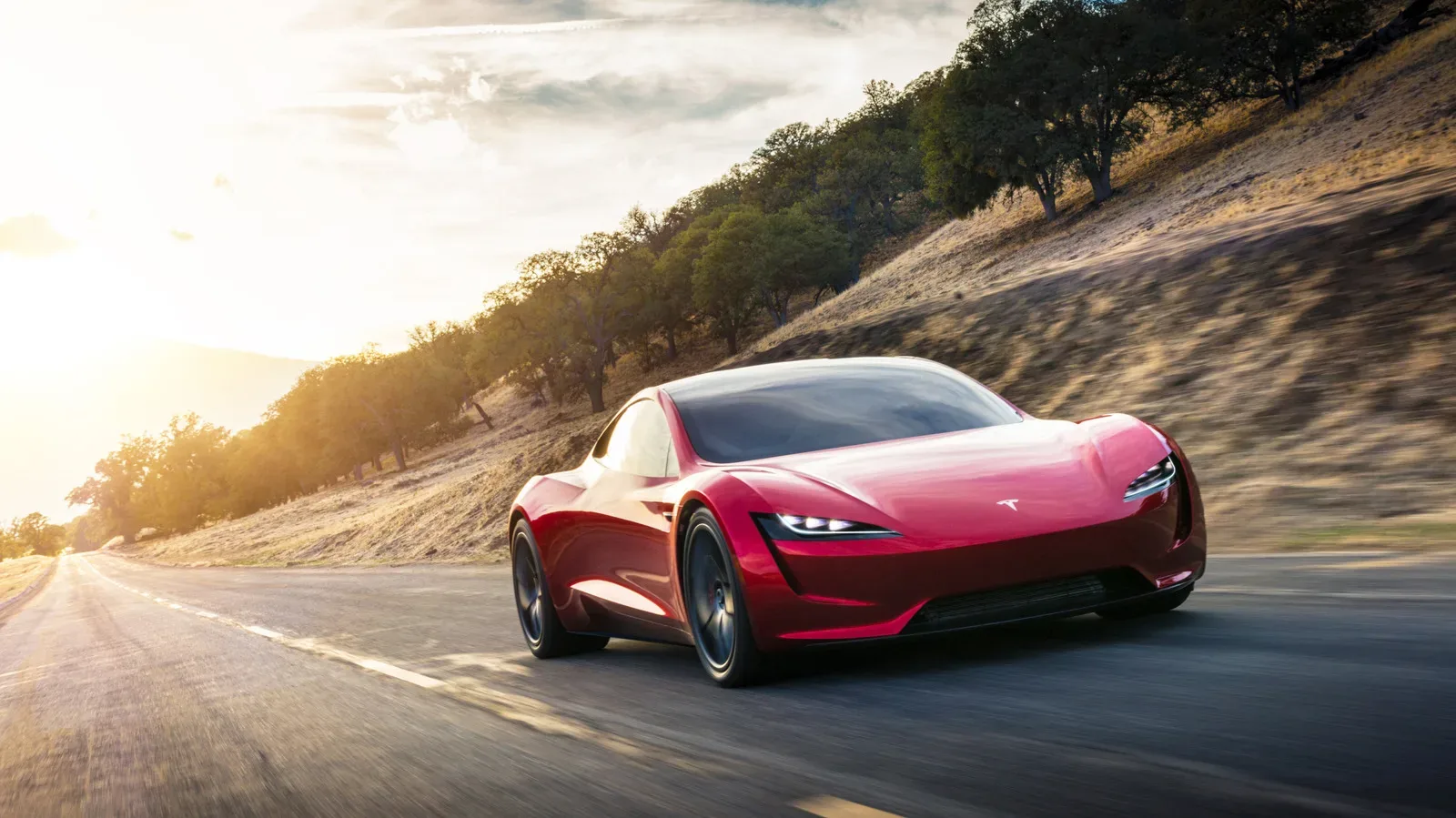
Tesla has put a date on one of the longest-running promises in modern car culture: the second-generation Roadster is slated to debut on October 10. The company shared the date through its official X account, while a countdown on Tesla’s own website points toward the same event.
That is a meaningful change for a vehicle that has spent years hovering somewhere between spectacular concept, customer reservation, and future-tense legend. The Roadster prototype first emerged in 2017, and the years since have brought repeated delays rather than a finished production car. An October 10 debut does not, by itself, establish when buyers will receive a Roadster, what it will cost, or whether every past performance target remains intact. It does, however, give observers a concrete appointment after nearly a decade of waiting.
For anyone who treats technology reveals like game trailers, this is the familiar moment where the logo appears, the music swells, and the community starts pausing frames. The difference is that this is a hypercar with deposits, old specification claims, and an unusually large gap between its first reveal and its next major showing. Tesla now has an opportunity to replace a long-running collection of questions with actual details.
What Tesla promised when the Roadster appeared in 2017
The original second-generation Roadster presentation set expectations at an extreme level. Tesla said the all-electric sports car would be capable of reaching 60 mph from a standstill in under two seconds, traveling at more than 250 mph, and covering more than 600 miles on a charge. Those were headline-sized numbers in 2017 and they remain enormous claims for any road-going EV.
At that time, Tesla listed a $200,000 starting price for the base Roadster and $250,000 for a Founders Series version. The reservation process involved a $50,000 payment for some customers. Those figures are part of the Roadster’s history, not confirmation of its pricing for October’s presentation. After such a long interval, prospective customers will be watching closely for an updated trim structure, final ordering terms, production timing, and any changes to the performance targets.
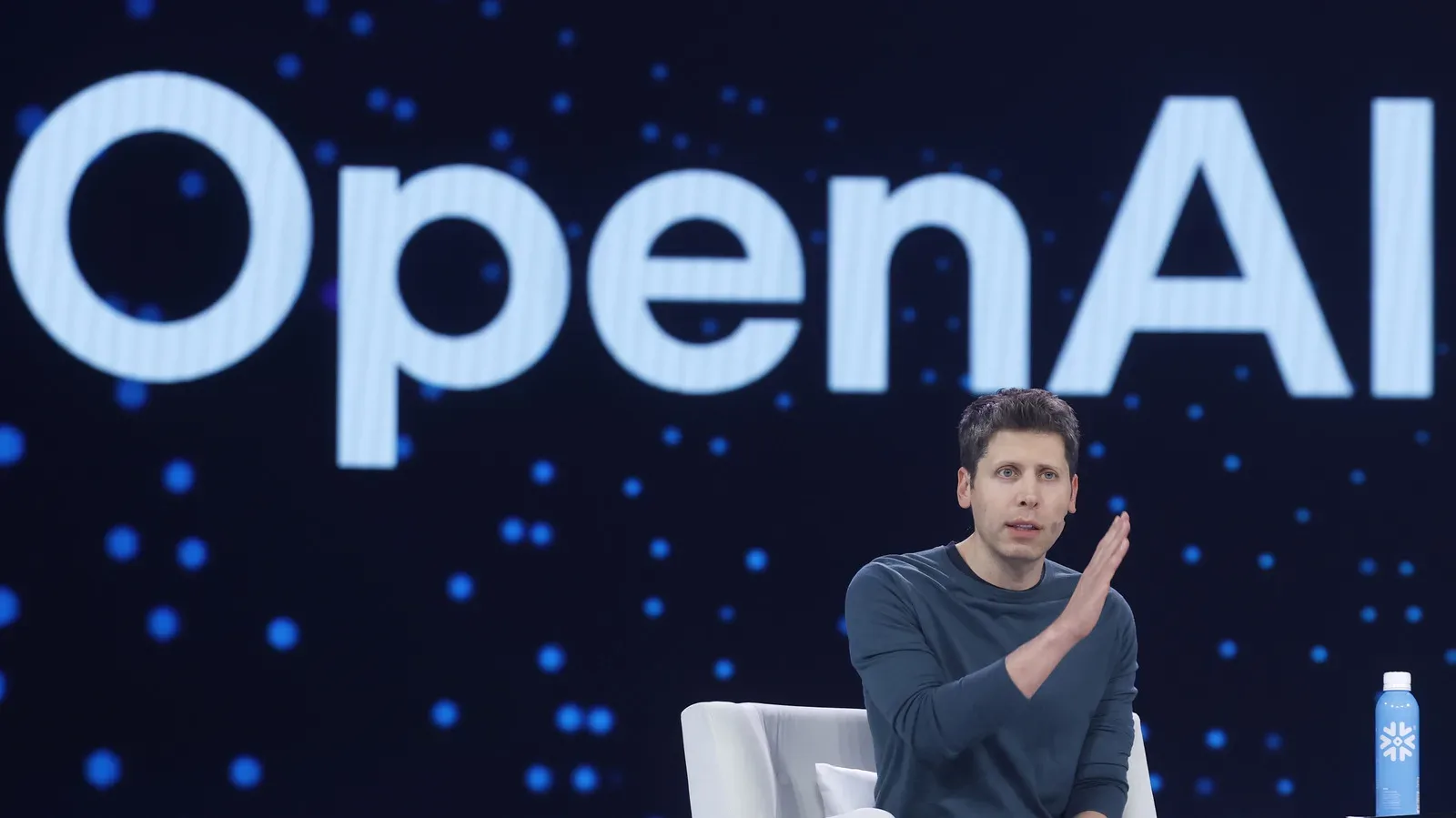
The long wait has not been consequence-free. Some reservation holders have canceled, including OpenAI chief executive Sam Altman and technology creator Marques Brownlee. Altman remains a central figure in the wider tech conversation, including in recent reporting on OpenAI’s 2026 IPO position and AI safety concerns, but the Roadster reservation story is a separate example of how patience can expire when a product remains unlaunched for years.
That matters because the Roadster is not simply a new model name. Tesla’s first Roadster helped establish the company’s identity as an EV maker willing to put performance ahead of the assumption that electric cars had to be slow, small, or strictly practical. Its proposed successor has been positioned as the next-level statement piece: a machine intended to turn acceleration, range and speed into a single spec-sheet flex.
The thruster question is the biggest wild card
The October tease has also revived the most unusual part of the Roadster conversation: the proposed SpaceX package and its cold-gas thrusters. Tesla’s website imagery associated with the countdown appears to hint at hardware related to that concept. Reporting in August had also suggested a Roadster launch was approaching, with the possibility that the vehicle could fly.
At present, the crucial word is possibly. Tesla has not yet laid out the final technical system, its operating limits, its legal status, its availability, or exactly what “fly” would mean in the context of a road car. A brief hop, enhanced acceleration, aerodynamic control, a showpiece prototype, and a literal practical flying-car experience are wildly different things. Until Tesla gives specifics, the imagery and prior discussion should be treated as a teaser rather than a verified feature list.
Cold-gas thrusters are not ordinary automotive equipment. Introducing any system of that kind raises immediate practical questions: where it fits, how it is refilled or serviced, what safeguards are involved, whether it affects luggage capacity, and whether it is standard equipment or a niche option. The October event could answer those questions, or it could leave the SpaceX idea in the realm of an aspirational engineering add-on.
There is also a difference between a reveal and a customer-ready production plan. A reveal can show exterior design, cabin features, revised specifications, or a dramatic technology demonstration. It does not automatically mean final homologation, large-scale manufacturing, regional availability, or deliveries. Given the Roadster’s timeline, that distinction is especially important. A remarkable presentation would be newsworthy; a transparent manufacturing roadmap would be just as significant.
Why the calendar date carries so much weight
Tesla’s decision to use both a social post and a website countdown gives the October 10 date more visibility than another vague future-facing statement. Still, the company’s history with the Roadster encourages a measured response. The vehicle has previously been expected much earlier, and its initial prototype debut is now almost nine years in the past.
That makes the event a test of clarity as much as spectacle. The most useful answers would be straightforward ones:
- Is the car shown on October 10 a production-intent vehicle, a prototype, or something between the two?
- Do the sub-two-second 0-to-60 mph, 250-plus-mph top-speed, and 600-plus-mile range targets still stand?
- What does the SpaceX package actually include, if it is still planned?
- What is the current price, and how are existing reservation holders treated?
- When does production begin, and when could deliveries plausibly follow?
Those questions are not nitpicks. They are the practical scorecard for a project with an enormous reputation and equally enormous expectations. A clean answer to even a few of them would move the Roadster beyond the familiar cycle of old prototype clips, remembered promises, and social-media speculation.
A hypercar reveal in a different EV landscape
The Roadster is returning to attention in an EV market that looks very different from the one it entered in 2017. Electric performance is no longer a novelty, and quick acceleration has become a standard selling point across far more affordable cars. That puts extra pressure on Tesla to explain why the Roadster is special beyond a single eye-catching sprint number.
Range remains a key differentiator if the earlier 600-plus-mile claim remains part of the plan. So does sustained high-speed ability, which is much harder to communicate than a launch-control statistic. Design, charging, battery capacity, thermal management, tire requirements, cabin usability, and the everyday compromises behind a hypercar all have room to matter. The Roadster may be aimed at a tiny audience compared with Tesla’s mass-market models, but halo products are judged on whether their engineering story feels complete.
There is a cultural angle, too. The second-generation Roadster has become a recurring symbol of the gap between a dazzling tech ambition and its eventual arrival. That does not predetermine the October event’s outcome. It simply means Tesla is stepping onto a stage built from its own earlier claims. The bigger the ambition, the more carefully every detail will be examined.
October 10 is therefore best viewed as a scheduled reveal, not a completed comeback. The event may finally put fresh visuals and hard specifications around Tesla’s electric hypercar. It may clarify the status of the thruster concept. It may also establish how the company plans to handle customers who have spent years waiting. Until then, the confirmed facts are narrow but notable: Tesla says the second-generation Roadster will debut on October 10, and one of the automotive world’s most delayed projects is once again approaching a public checkpoint.