Supermassive Games has cut more than 70 roles less than six months after releasing its sci-fi horror game Directive 8020. The number was shared by Frank Tindle, the studio’s departing IT & Facilities Director and a member of its senior leadership team, who said the reductions extend beyond his own position.
In a public post dated October 5, Tindle said that developers, artists, producers, quality-assurance staff and operations employees are among the people leaving. The studio had previously warned in August that layoffs were coming, describing the move as necessary for the company’s sustainability.
The scale matters both because it affects a broad range of disciplines and because Supermassive has long been associated with a particular kind of game: cinematic, branching horror where player decisions can alter relationships, survival outcomes and story paths. Losing staff across creative, production, testing and operational functions can affect much more than the headcount on a credits roll. It can change how a studio plans projects, supports a recently released game and builds its next one.
A reduction spread across the studio
Tindle said he joined Supermassive in 2010 when he effectively constituted its entire IT department. He described the studio’s growth from a small group to more than 400 people during his 16 years there. His departure is therefore not simply another role affected by the reduction: it also marks the exit of a long-serving leader whose job covered the technical systems and facilities that let a development team work day to day.
His account places the number of people leaving at more than 70. It also identifies several affected areas:
- Development: the disciplines responsible for making the game itself, from systems and implementation to the many connected elements of a playable build.
- Art: teams that contribute visuals and atmosphere, especially central considerations in cinematic horror.
- Production: staff who coordinate schedules, teams, milestones and the practical delivery of a project.
- QA: quality assurance, the work of identifying, documenting and helping teams address bugs and other issues before and after release.
- Operations: the business and practical support work that enables a studio to function.
That mix makes it difficult to describe this as a narrowly isolated change. A studio can reorganize in many ways, and the available information does not set out what each individual team will look like afterward. Still, a cut that reaches both game-making roles and the support systems around them suggests a company-wide contraction rather than a change confined to a single project discipline.
Tindle used his post to encourage prospective employers to contact him about affected staff. That is a practical reminder of what a layoff announcement represents. “More than 70” is a business figure, but it also means more than 70 people moving into a difficult hiring market, across specialties that do not necessarily have interchangeable openings.
The timing after Directive 8020
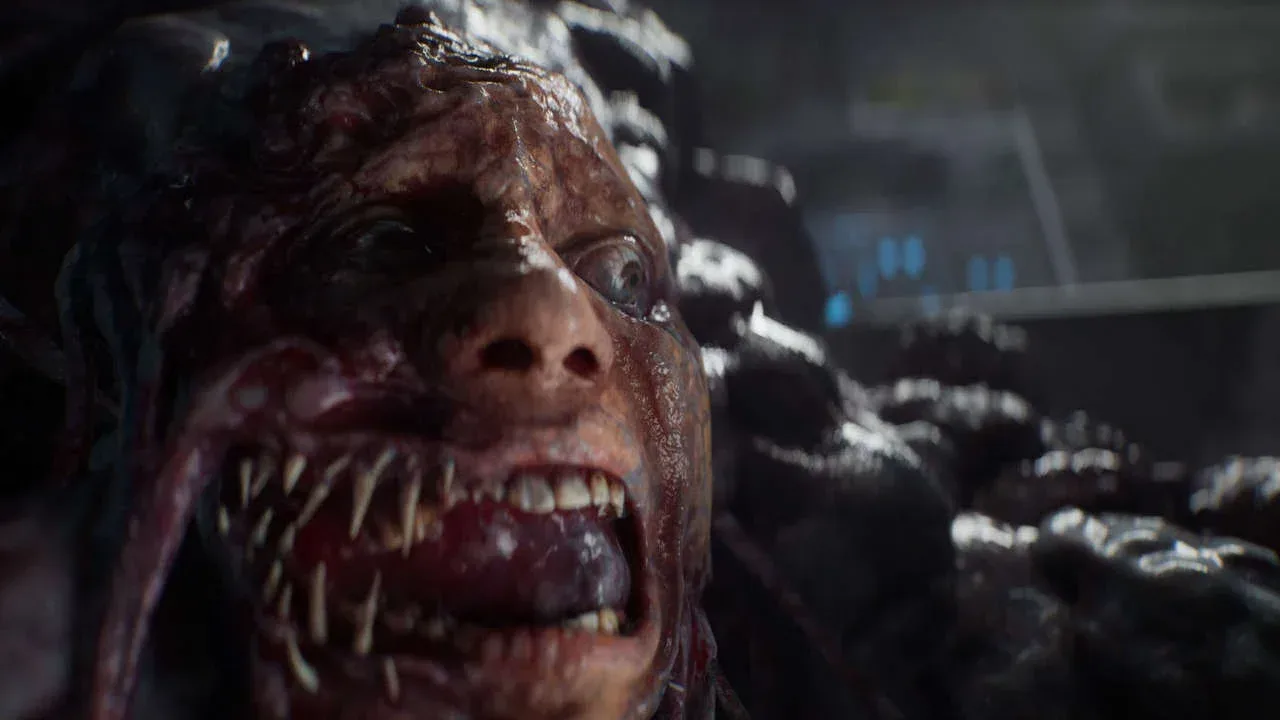
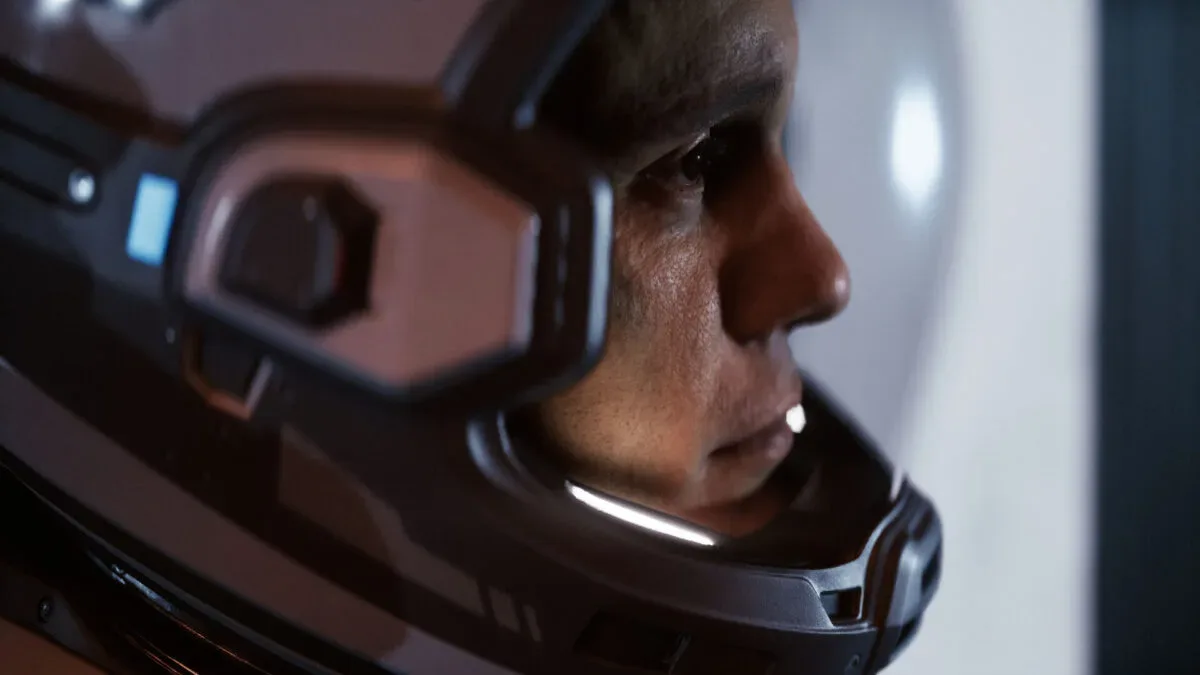
Directive 8020 arrived earlier this year as Supermassive’s latest horror release. Its release was followed by an unresolved feature gap: online multiplayer was not available at launch. Supermassive said last week that online multiplayer would be added through a patch sometime in October, nearly five months after the game launched.
Related coverage includes Supermassive Games Cuts More Than 70 Jobs After Directive 8020 Release.
Online co-op means players can participate together over the internet rather than sharing a local setup. For a game built around consequential choices and horror set pieces, that feature can be part of how groups experience and discuss alternate outcomes. Its absence does not tell us why the layoffs occurred, and it should not be treated as proof of a direct cause. The studio’s stated rationale for the planned reductions was sustainability. But the patch timing makes the staffing news particularly notable for players who are still waiting on a prominent post-launch addition.
The available assessment of Directive 8020 was mixed: it had strong horror moments, while criticism focused on its writing and lack of online co-op at release. That distinction is important. A game can have effective scenes, technical ambitions or a strong genre premise without every major part landing equally well. It is also not possible to turn that mixed reception into a complete financial explanation for the job cuts from the information available here.
What can be said is simpler: the studio is carrying out significant reductions while it also has a newly released game awaiting an online multiplayer update. Players should separate those two facts from speculation about individual teams, patch plans or unannounced projects. No specific changes to the October multiplayer plan were provided in the information available.
Supermassive’s place in choice-driven horror
Supermassive is known for interactive horror stories in which choices influence the narrative. Its work includes The Dark Pictures Anthology, 2022’s The Quarry and 2024’s The Casting of Frank Stone. These games are often discussed within horror communities even when they do not reach the scale of the industry’s biggest commercial successes or earn uniformly strong reviews.
The premise behind this format is relatively easy to understand, but demanding to produce. A conventional linear story generally moves through one primary sequence of events. A branching narrative has to account for decisions, consequences and the possibility that a character or relationship will be in a different state when a later scene begins. The more meaningful those choices are meant to be, the more combinations a team may need to write, build, test and preserve for players.
That is where the list of affected disciplines becomes especially relevant. Narrative ambition is not only a writing matter. Art teams must support environments and scenes; development teams must implement conditions and outcomes; QA must test varied routes and states; production must coordinate work that may diverge and reconnect. This is an explanation of the craft involved, not a claim about the precise development process used on any one Supermassive title.
For fans, the concern is not merely whether another horror game exists someday. It is whether the studio can retain the experience needed to make choice-driven stories feel responsive and coherent after a major reduction. There is no basis yet to declare an outcome. The factual picture is limited to the scale and range of the departures, the prior August warning, and the studio’s recent release and pending multiplayer patch.
What the Until Dawn sequel does—and does not—mean
Supermassive’s best-known horror release, Until Dawn, is due to receive a sequel in 2027. However, that project is being handled by PlayStation studio Firesprite rather than Supermassive. The existence of that sequel should therefore not be read as evidence that it will provide work or continuity for the Supermassive team affected by these layoffs.
That distinction matters because franchises and studios are not always inseparable. A recognizable game series may continue under a different developer, while the original studio pursues different projects or faces its own business pressures. In this case, the 2027 sequel is a future installment in a franchise strongly associated with Supermassive, but it is not identified as a Supermassive production.
It is also a useful reason to resist an overly tidy reading of the situation. A familiar brand remaining active does not erase the impact on the people leaving the studio that made the earlier game. Nor does it reveal the status of Supermassive’s future plans. Those are separate questions, and the supplied information does not answer them.
What players can watch next
The most immediate player-facing item is the promised October online multiplayer patch for Directive 8020. Until Supermassive provides further detail, it is sensible to treat the timing as an announced target rather than assume changes to scope, support or availability. The staffing reduction itself has been described publicly, but details such as the studio’s post-layoff structure, project slate and longer-term support plans have not been established here.
For the people leaving, Tindle’s message emphasizes that the cuts include experience across many parts of game development. For the studio, the next challenge is maintaining a sustainable operation after shrinking from the more-than-400-person organization he described. For horror fans, the story underscores the fragility behind games that can look seamless on screen: the choices, scares, performances and alternate paths rely on a large group of specialized people.
The industry’s broader shift toward tougher sustainability decisions has been visible in other discussions about how large games are made and distributed. Changing priorities around major game releases are one part of that larger conversation, but Supermassive’s news is most immediately about its workforce: more than 70 people are now leaving the studio, shortly after its latest game arrived.