Suno is moving from AI-generated music into images and short video with Visuals, a feature introduced on November 17 that lets users create visual material around songs. But the expansion arrives with a conspicuous guardrail: the company says Visuals is designed to stop users from making unauthorized depictions of named performers, public figures and copyrighted material.
That distinction matters. Generative tools can make a song, image or video from a written prompt, but the creative convenience also creates a direct route to material that looks like a real celebrity or imitates protected work. Suno’s stated approach is to place checks at several points in the Visuals process rather than rely on a single warning or a user-facing policy page.
The company says it screens both prompts and uploads before generation. It also says completed images and clips are reviewed before they reach the user, with outside tools used alongside Suno’s own filters. Watermarks are intended to remain attached when Visuals creations are shared elsewhere.
At the same time, Suno is facing a separate legal fight over the music side of its platform. Eight Mile Style and Martin Affiliated have filed a federal complaint alleging that Suno used protected compositions from Eminem’s catalog without permission to build its music-generation system. The complaint identifies 269 works, including Stan, Lose Yourself and Without Me.
The two subjects overlap in a broader debate about generative AI and music, but they are not the same dispute. One is about the use and reproduction of musical compositions. The other concerns a recognizable person’s likeness in an image or video. Suno’s new Visuals rules address the latter risk; they do not resolve the allegations made in the publishers’ complaint.
What Suno says Visuals will block
Visuals is intended to generate images and short videos connected to a user’s songs. Suno’s chief product officer, Jack Brody, described filters aimed at requests for depictions of particular performers, public figures and copyrighted material. The company has made clear that a prompt accepted by another AI-video product may be rejected in Visuals, deliberately.
In practical terms, that means the system is meant to assess more than a final upload. A user could be stopped at the prompt stage if the request expressly asks for a known person or protected material. The company also says uploads receive checks, an important point for anyone attempting to use an existing image as a starting point for a generated clip.
The additional output screening is a separate layer. Prompt filters can miss indirect wording, while upload checks cannot necessarily predict every recognizable result that a generation might produce. Screening completed visuals is therefore intended to catch material after it has been made but before the user receives it.
Why several filters are more meaningful than one
These safeguards can be understood as a layered moderation system:
- Prompt screening: checks the written request before generation begins.
- Upload screening: checks media supplied by a user as input.
- Output screening: checks generated images or video before display or delivery.
- Watermarking: is meant to carry an indicator with the media when it is shared.
Each layer addresses a different route by which problematic content could enter or leave a tool. It does not mean every unwanted result will necessarily be detected, nor does it establish a legal conclusion about a particular use. It does show that Suno is framing restricted celebrity depictions as a product-design limitation rather than merely a rule users are expected to follow on their own.
That can affect ordinary creative workflows. Someone making original artwork for an original track may need to describe mood, setting, lighting, characters and visual themes without anchoring the request to a real singer, actor or other public figure. A request that relies on a recognizable individual may fail even if the user’s intent is tribute, parody or simple stylistic shorthand, because the supplied information says the filters target requests involving specific performers and public figures.
Watermarks provide a trail, not a complete answer
Suno says Visuals watermarks are intended to travel with creations when they are shared on other services. A watermark is information associated with a piece of media that can signal its origin or that it was generated. In this case, its practical purpose is traceability: viewers and platforms may have a way to recognize that a visual came from Suno’s tool.
However, a watermark should not be confused with permission, ownership or a guarantee that content is safe to use in every context. It can identify or label an item, but it does not itself decide whether a person’s likeness was properly authorized or whether copyrighted material appears in a work. Those questions depend on facts and rights beyond the supplied material.
The company’s plan to use third-party tools along with internal filters also signals that moderation is not being presented as a one-system solution. It does not disclose the precise operation, accuracy or limits of those tools. Users and audiences should therefore avoid treating a generated video’s availability as proof that it passed every possible copyright or likeness question.
The Eminem publishing complaint is about compositions
On November 6, Eight Mile Style and Martin Affiliated sued Suno in federal court in Northern California. The plaintiffs say they control licensing rights to the Eminem compositions identified in the filing and that they never authorized their use for Suno’s training.
The complaint alleges that Suno copied protected material to develop its music-generation system. It further alleges that the service can produce lyrics and musical elements drawn from the compositions at issue. The claims include copyright infringement, circumvention of technological protections and removal of copyright-management information.
Copyright in a musical composition generally concerns the underlying songwriting: elements such as lyrics and the musical work. That is the category of rights described in this complaint. It is different from the question of making a video that portrays a recognizable artist, even though either issue can arise around the same AI product.
The publishers seek a jury trial, an injunction and an accounting related to the training data, scraping activity and datasets involving works they say they control. An injunction is a court order that can require conduct to stop or be limited. An accounting, in the context described by the complaint, would seek information about the relevant data and activities. These are requests in the plaintiffs’ case, not established findings.
That procedural distinction is essential. The allegations have been made against Suno; the supplied information does not state that a court has ruled on them. Nor does the Visuals launch answer whether the music system used any particular work. It instead creates a newly stated moderation framework for visual requests and outputs.
Why the visual safeguards and music lawsuit should not be collapsed into one issue
It is tempting to view every AI-related dispute as one broad question of whether a tool is allowed to exist. The facts here are more specific. The publishers’ complaint centers on compositions, alleged training use and allegedly generated lyrical or musical elements. Visuals’ filter policy centers on depictions of performers, public figures and copyrighted material in images and short videos.
A generated portrait that resembles a performer can raise concerns about identity and unauthorized depiction. A generated track that allegedly draws on protected songwriting can raise copyright concerns about the musical composition. The rights, evidence and remedies may differ, even where a famous musician is central to both conversations.
For creators, the clearest practical lesson is to keep those categories separate while being cautious about both. Do not assume that avoiding a celebrity’s face makes every music prompt acceptable. Likewise, do not assume that creating an original song guarantees an unrestricted right to place a known artist in the accompanying video. Suno’s stated Visuals restrictions are an explicit example of a product drawing that boundary.
MiniMax model reported for the video feature
Visuals reportedly runs on MiniMax’s H3 Move model. MiniMax is an AI company based in Shanghai and listed in Hong Kong. That reported technical relationship adds another layer to the feature: Suno is offering Visuals within its music-focused product experience, while the underlying visual-generation model is attributed to MiniMax.
The supplied information does not set out the model’s capabilities, training data, terms or moderation responsibilities beyond Suno’s own statements about Visuals filtering. It would be premature to infer any more detailed arrangement from the model attribution alone.
What is clear is that AI music platforms are increasingly becoming audiovisual creation platforms. When a song generator can also produce an image or short video around a track, the questions facing users expand from sound and lyrics to faces, visual references, upload inputs and sharing labels.
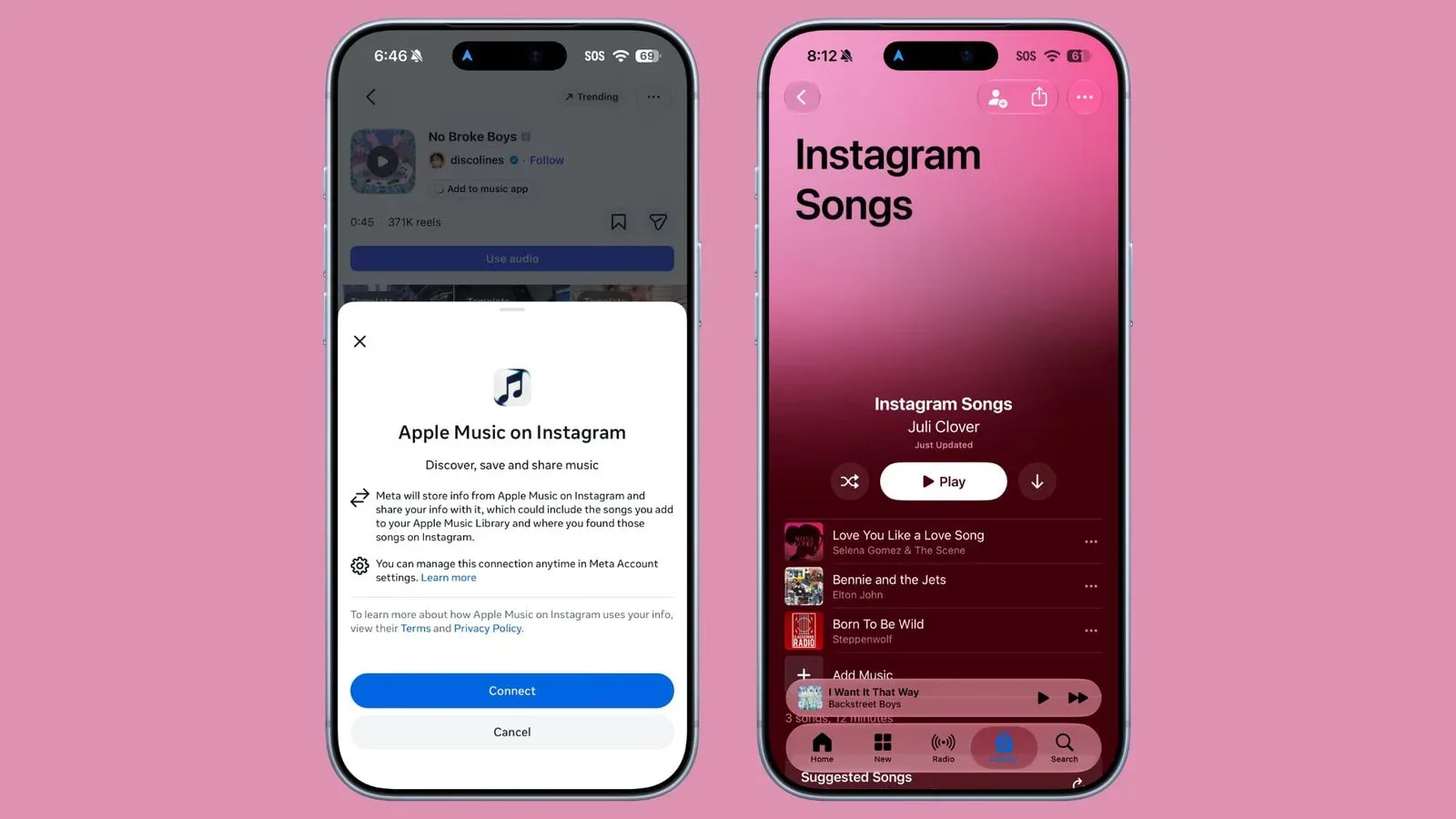
For readers tracking the industry side of media platforms, this development sits alongside ongoing changes in how music moves across social and streaming services, including Instagram’s option to save songs directly to Apple Music playlists. The common thread is that technical features increasingly shape how music is discovered, packaged and circulated.
What to watch next
The important near-term questions are practical as well as legal. Will the prompt, upload and output checks consistently distinguish generic creative direction from requests for a particular person? How will watermarks behave when content is reposted? And what information, if any, will emerge through the publishers’ requested accounting concerning the music system’s training data and datasets?
For now, Suno’s Visuals launch comes with a clear declared limitation: the feature is not meant to be a route for users to generate unauthorized visual depictions of performers and public figures. Meanwhile, the copyright case brought by Eight Mile Style and Martin Affiliated continues to focus on alleged unlicensed use of songwriting material from Eminem’s catalog. They are connected by the same fast-moving AI music landscape, but they remain distinct questions with distinct stakes.