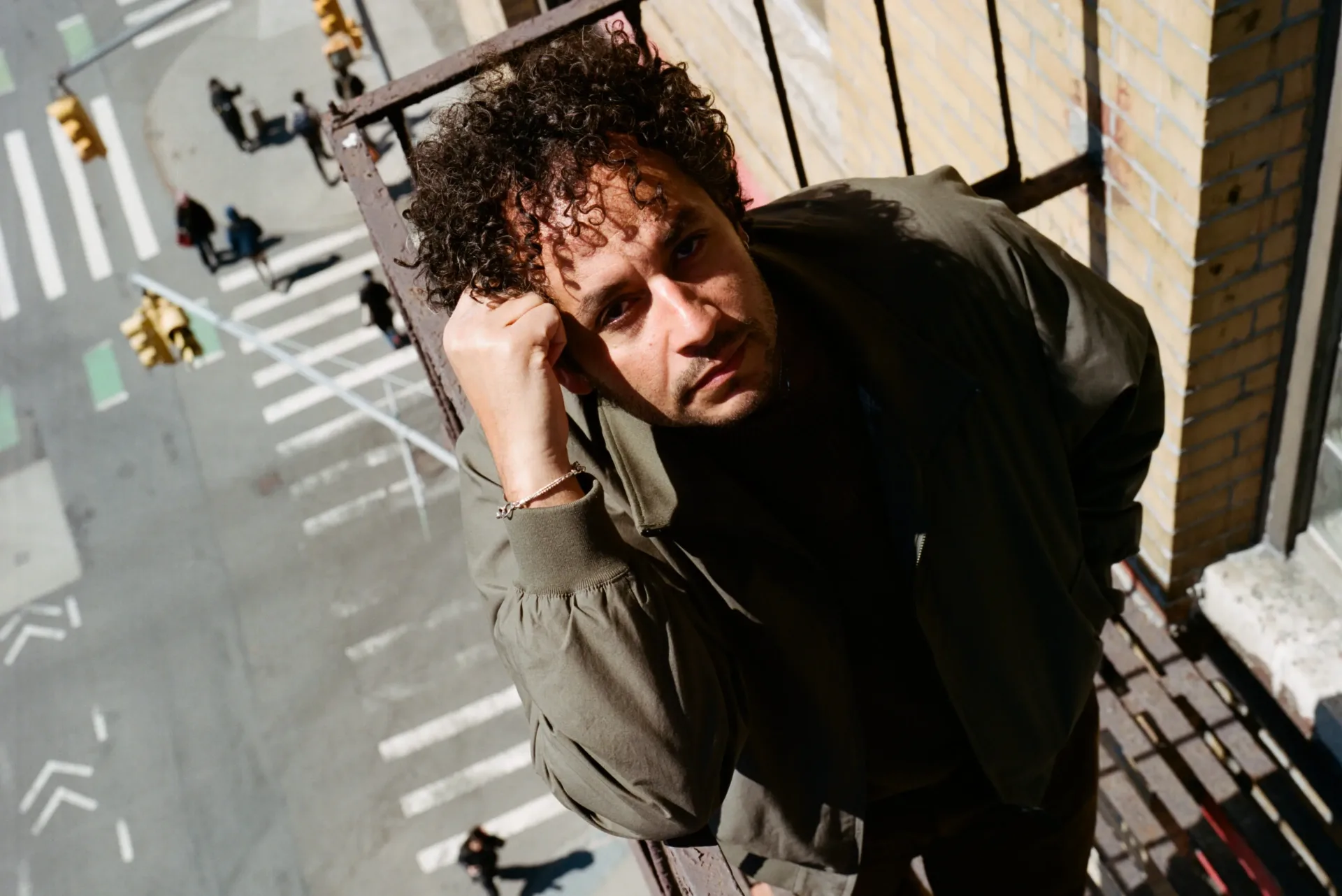
Kareem Rahma’s SubwayTakes is making a northern detour. YouTube Canada has revealed SubwayTakes Toronto, a 2027 version of Rahma’s long-form, street-level interview series that will shift its setting from New York City subway cars to the Toronto Transit Commission system.
It is part of a wider Canadian creator-programming slate that gives established online personalities room to make more structured series without abandoning the subjects and presentation styles that made their audiences show up in the first place. The announced projects range from a food-format collision between an acclaimed chef and viral recipe culture to a dark comedy, a farm series, a home makeover, sports skill-building, a video podcast on mastery and a job-based reality comedy.
That breadth matters. This is not one house style imposed on creators. It is a collection of formats built around recognizable hosts, specific premises and direct audience familiarity. The common thread is creator-led programming: shows shaped around people who already have a relationship with viewers rather than casts introduced from scratch.
What SubwayTakes Toronto is bringing to the TTC
Rahma’s existing SubwayTakes is built on conversations and strong opinions gathered aboard the New York City subway. The channel has more than 1.1 million subscribers and has accumulated 800 million views to date. For the Toronto edition, the stated plan is to retain the unfiltered, long-form interview approach while putting iconic Canadian guests inside a TTC subway car.
The promise is not simply that the show is changing transit networks. The location is part of the format’s identity. A subway interview carries built-in movement, noise, proximity and the sense that a polished conversation could suddenly turn strange. That is what the announcement means by unscripted mayhem: not a guarantee that every exchange will become chaos, but a setting where the host and guest do not have the insulation of a conventional studio.
For viewers, the practical distinction is worth underlining. A long-form interview generally gives a guest and host time to move beyond a single clip-ready response. Yet the series’ subway premise also preserves the quick, immediate energy associated with short-form social video. Toronto therefore appears positioned as an adaptation rather than a replacement for the core formula: a local setting, Canadian guests and a familiar conversation engine.
Rahma also hosted the Toronto event where the slate was unveiled. Elsewhere, his announced programming includes Keep the Meter Running, a project previously included among creator-led shows revealed at YouTube’s 2026 Brandcast presentation, alongside programs involving Alex Cooper and Trevor Noah.
A slate built around clear format hooks
The other Canadian projects are notable for how quickly their premises communicate what viewers can expect. That is not a trivial production choice in an online-video environment. A clear hook tells a returning audience why a new series belongs to a creator they already follow, while giving potential newcomers a simple entry point.
Food trends meet professional technique
Iron Chef Dad vs. The Internet pairs chef and restaurateur Susur Lee with his son, Jet Bent-Lee. Jet introduces his father to recipes, hacks, snacks, restaurant items and food trends circulating online. The episodes can move across fast food, grocery-store products, challenges and international dishes, with Lee reacting to the food and, where appropriate, reconsidering or remaking it using his own approach.
The useful tension in the setup is generational and culinary rather than adversarial. Internet food culture often rewards novelty, speed and visual impact. A chef’s perspective can instead focus on what works, what does not and how a dish could be approached differently. That gives the show a repeatable question: what happens when a respected cook encounters the rapid churn of viral food through his son’s lens?
Family, heritage and the move beyond sketches
Jeenie and Johnny, known as Jeenie Weenie to an audience of 13 million subscribers, will make Roots around their experience as new parents. The pair will explore reconnecting with Korean heritage and passing culture, food, language and traditions to their daughter, Nari. Episodes are expected to include trips, recipes, family rituals and everyday discoveries.
This is a substantial pivot in emphasis from sketch comedy to a more intimate family-focused series. “Creator-led” does not have to mean every project resembles the material that first went viral. Here, the existing audience is being invited into a different mode of storytelling, one centered on identity and the practical, ongoing work of making cultural traditions part of family life.
Julie Nolke takes a heightened comic turn
Julie Nolke’s Becky and Miranda is a dark comedy starring Nolke and Nicole Power. Its two millennial leads contend with dating burnout, career pressure and modern womanhood while sharing a considerably less ordinary hobby: serial killing. The series uses that deliberately exaggerated setup to explore friendship and loyalty, including the grimly comic mechanics of concealing their crimes and avoiding detection.
The premise should not be mistaken for a factual crime series. Dark comedy is a comic form that uses uncomfortable, taboo or grim subject matter for humor and commentary. In this case, the extreme criminal scenario functions as the heightened frame around more recognizable pressures and the bond between the central friends. Nolke created the show; Power is known for Kim’s Convenience, while Nolke is associated with Run the Burbs.
A farm project and a home transformation return
Matty’s Farm comes from Matty Matheson, Ricky Staffieri and Super Athletic Film Co. Set in rural Ontario, the series follows Matheson as he builds, grows and expands a farm project. The available details emphasize the scale and personal commitment of turning that farm ambition into reality, rather than setting out a competition or makeover structure.
Alexandra Gater, meanwhile, will return with season three of Dream Apartment Makeover. The concept is a complete, multi-room apartment overhaul for a deserving subscriber, but its stated interest reaches beyond décor. Each makeover considers how intentionally designed living space may help someone navigating a major life change.
The series’ prior story of Kate, nominated by friends after an MS diagnosis, established the emotional stakes behind the room-by-room transformations. That context explains why the project is described as more than an aesthetic refresh: the show’s format connects design choices to the needs and circumstances of a specific person.
Sport as learning, and mastery as conversation
Two shows on the slate use athletic achievement as a starting point but go in different directions. Sarah Nurse’s Sarah’s Side Quests follows the Olympian and professional hockey player during her offseason as she learns skills from athletes, specialists and creators. Each episode partners Nurse with a guest who can teach the essentials of their craft, with their conversations opening space for personal journeys, mindsets and experiences.
The word “side quests” is a useful gaming-adjacent shorthand for optional pursuits outside a person’s main mission. In this setting, it describes trying new disciplines beyond Nurse’s primary sport. The appeal is not just whether she masters each skill; it is the access to people explaining how they think about their own field.
Tessa Virtue’s Virtuoso takes a more conversational route. The video podcast will explore the pursuit of mastery through discussions with athletes, artists, entrepreneurs, scientists, leaders and creators. Virtue, a retired ice dancer, is a five-time Olympic medalist and three-time World Champion. Her own career in a discipline defined by partnership and precision informs the show’s focus on decisions, relationships, discipline and experiences behind excellence.
A video podcast is a podcast format presented with a visual component, rather than audio alone. In Virtuoso, that format is intended to make the exchanges feel less like tightly formal interviews and more like peer conversations. The distinction is important because the show’s subject is not a single sport or industry. Its organizing idea is mastery across fields.
That larger trend toward creators making ambitious work on digital platforms has also been part of the industry conversation around online filmmaking. Creators do not necessarily need the traditional Hollywood system to find an audience, and this slate illustrates a related model: established creators developing projects around their own communities and creative identities.
Hardly Workin’ turns inexperience into the premise
The Kalogeras Sisters — Sunday, Demitra and Eliana — will star in Hardly Workin’, a reality series that drops the trio into full work shifts for jobs they are not prepared to do. The concept is explicitly inspired by The Simple Life and reframed for a Gen Z audience. The sisters will enter unfamiliar industries with no advance preparation or shortcuts, allowing their personality-driven comedy to play out under real job demands.
That is a familiar reality-comedy mechanism: put recognizable personalities into an environment that denies them their usual comfort and expertise. The job is not merely a backdrop. It supplies the episode’s immediate stakes, rules and potential mishaps. The format’s success will hinge on the interplay between the sisters’ chemistry, the people teaching or supervising them and the unpredictability of each workplace.
Why this Canadian slate stands out
The projects share a platform and a national focus, but they are deliberately varied in genre and scale. Rahma’s transit interviews rely on a public-space setting. Virtue’s show is built on sustained conversations. Lee and Bent-Lee bring food trends into a father-son format. Jeenie and Johnny approach heritage and parenthood. Nolke moves into scripted dark comedy. Matheson’s project centers on rural Ontario, while Gater’s uses apartment redesign as a vehicle for personal stories.
That range is the meaningful part of the announcement. It suggests an investment in Canadian creative entrepreneurs without requiring them to fit a single template. Some projects extend well-known creator voices; others give those voices a new structure, whether that means a video podcast, serial storytelling, a family series or workplace reality comedy.
Viewers should also separate what has been specifically dated from what has not. SubwayTakes Toronto is set to premiere in 2027. The broader group of shows was announced as upcoming programming exclusive to YouTube, but no individual release timing was provided here for the rest of the slate.
For now, the most concrete picture is of a programming push that treats creator recognition as a foundation, not the whole pitch. Each show still needs a reason to exist beyond its host’s subscriber count. The announced concepts provide those reasons: a subway car full of conversation, a chef confronting internet food, heritage shared with a daughter, friends bonded by a wildly heightened secret, a farm taking shape, homes remade around real changes, athletes learning unfamiliar skills, conversations about excellence and sisters attempting jobs with no preparation.