The inevitable elevator pitch for Palworld: Palfarm has already arrived: Palworld, but Stardew Valley. It is quick, understandable, and apparently not especially accurate.
John “Bucky” Buckley, Pocketpair’s publishing and communications lead, has said the farming game is expected to be “a little bit different” from what players anticipate. More specifically, he pushed back on the notion that it is simply Stardew Valley with Pals. That does not tell us exactly what Palfarm’s day-to-day play will be, but it is a useful correction to the assumptions that tend to fill a vacuum when a game has been announced with only limited detail.
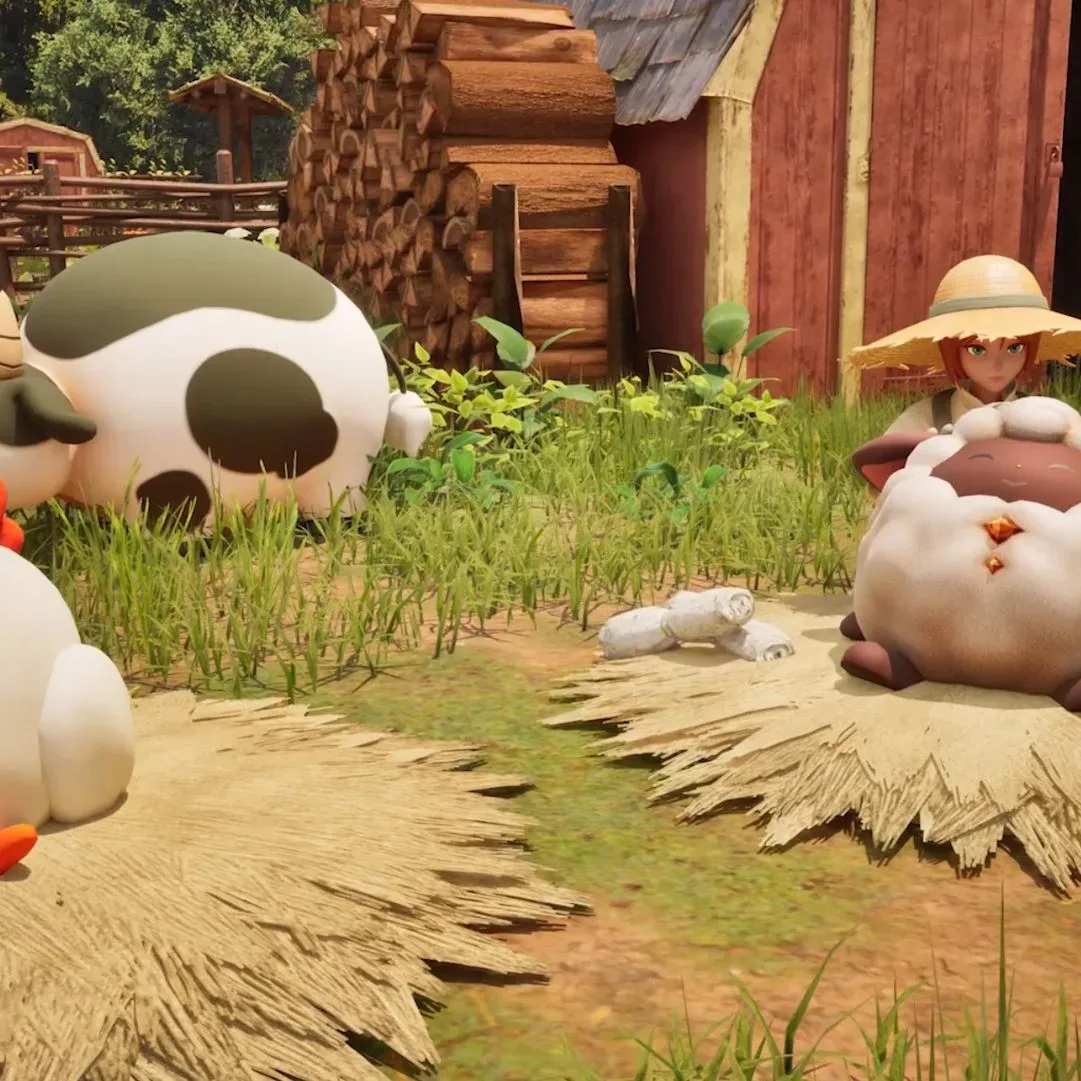
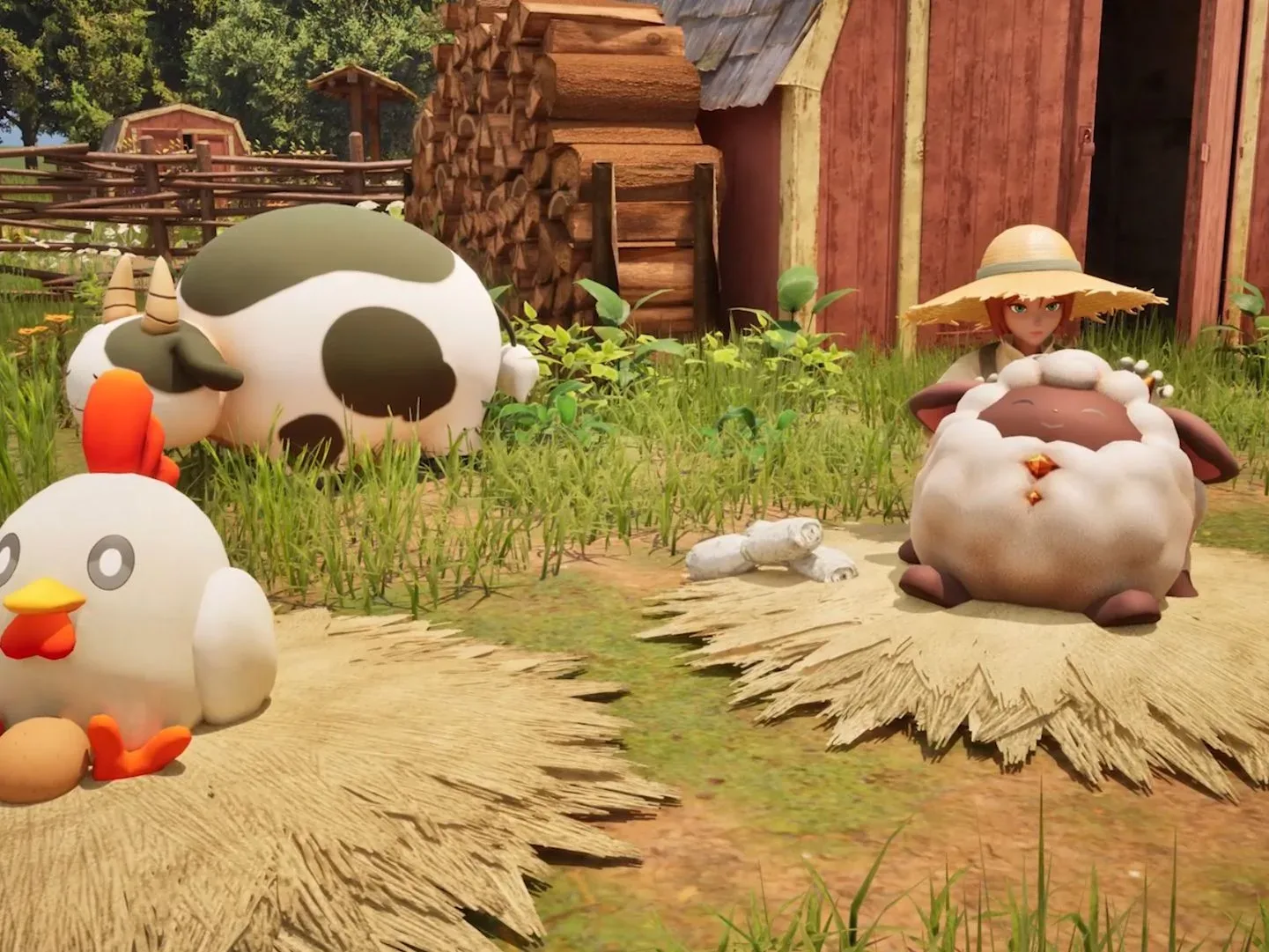
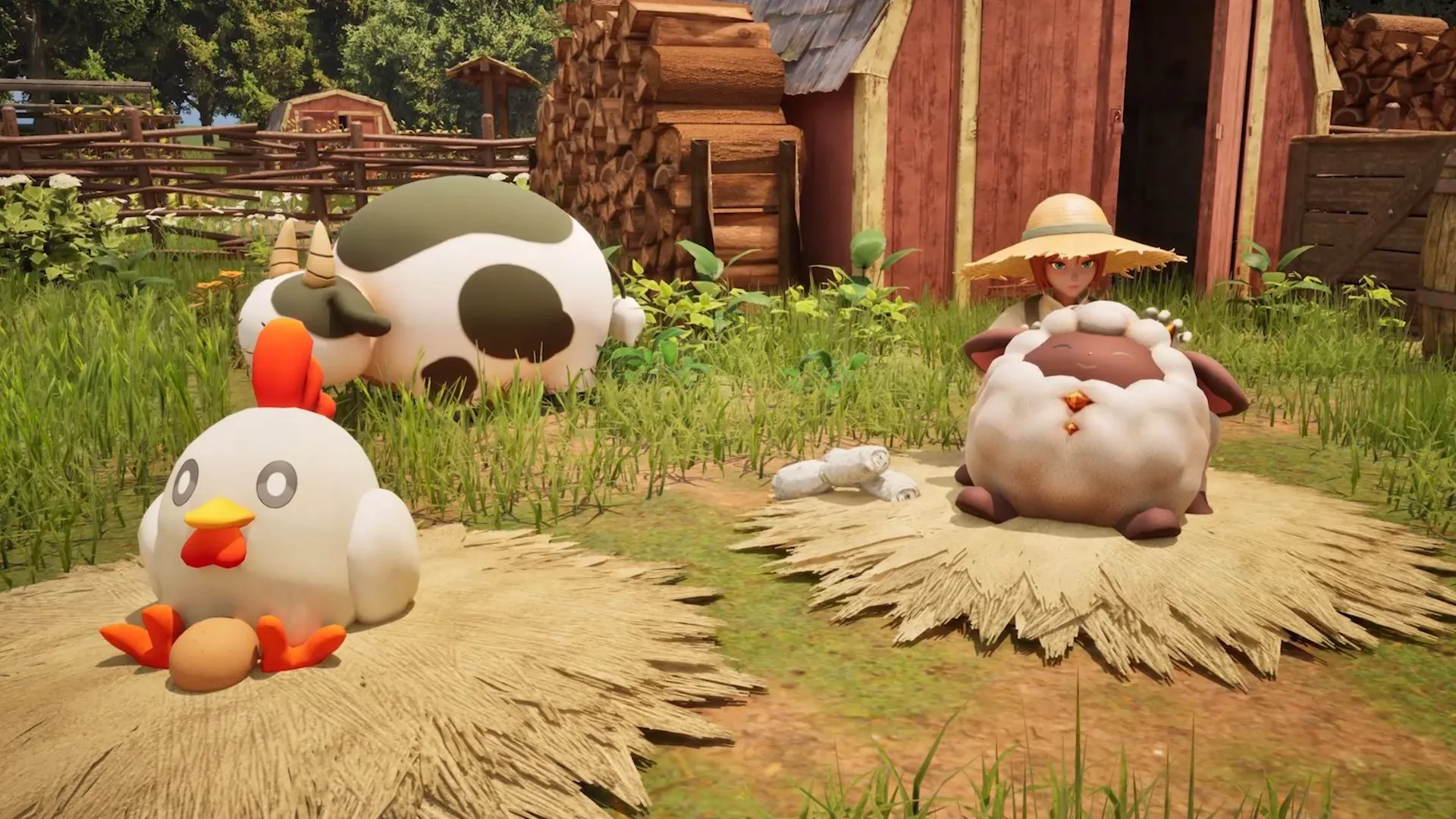
The firm details currently available are modest. Palfarm remains in development; Buckley says its team has grown substantially. He characterizes the project as more cozy and less violent than the original survival game, while retaining Palworld’s tongue-in-cheek sensibility. He also repeatedly emphasizes its visual appeal, calling it a very pretty game.
Everything else—including specific farming systems, Pals’ jobs, progression, combat, multiplayer, platforms, and release timing—remains unconfirmed in the supplied information. That distinction is important. A farming-game label says something about theme, but not necessarily about structure.
“Cozy” is a tone, not a complete feature list
In games, cozy generally describes mood and player pressure rather than a single mechanical genre. It can suggest a calmer rhythm, friendlier presentation, domestic or community-focused activities, and less emphasis on threat. But it does not automatically establish how crops work, whether time advances on a strict schedule, whether there are relationships to manage, or how much freedom players have to build and automate.
That is why Buckley’s wording is meaningful but narrow. Saying Palfarm is on the cozier side than Palworld establishes a direction: players should not assume the new game reproduces the survival title’s level of violence. Saying that it retains a tongue-in-cheek Palworld character establishes another direction: this is not necessarily a wholly gentle, solemn rural fantasy either.
Those two ideas can coexist. A game can reduce violent elements and still make room for comic absurdity, mischievous creature behavior, or playful satire. What cannot yet be responsibly inferred is the precise form that humor will take. Pocketpair has not detailed Palfarm’s systems beyond its farming-game framing and the involvement of Pals.
Why the Stardew Valley shorthand is not enough
Players use comparisons because they are efficient. If someone says “Palworld Stardew Valley,” the likely message is easy to grasp: a farm-centered game starring the colorful creatures associated with Palworld, with a more relaxed feel than the survival game. That is a reasonable first impression from the premise.
Related coverage includes Palworld: Palfarm Won't Simply Be 'Stardew Valley With Pals,' Pocketpair Lead Says.
But a comparison can become misleading when it graduates from shorthand to a presumed design document. Buckley’s response indicates that players should not treat the label as an accurate explanation of Palfarm’s full identity. It may share an accessible surface-level category with familiar farming games without following their expected template.
There are several broad questions the comparison leaves unanswered:
- How central are Pals to farm work, if they perform farm work at all?
- Will farming be the main progression loop or one activity among several?
- Does “cozier” mean fewer hostile encounters, a different structure around conflict, or simply a lighter tone?
- What does Palworld’s tongue-in-cheek character look like in a farm-focused setting?
- How do the game’s visuals support the “very pretty” description Buckley offered?
At present, none of those questions has a confirmed answer. They are the questions to keep in view, rather than features to place on an unofficial checklist.
The Pals are the clearest point of difference—and still a mystery
The premise’s most obvious distinguishing element is the Pals themselves. A game titled Palworld: Palfarm naturally invites the idea that its creature cast could shape the farming loop. Yet Buckley did not confirm a particular system for assigning Pals to tend crops, harvest materials, care for animals, construct buildings, or perform any other task.
That restraint matters because it keeps the reporting aligned with what has actually been said. The presence of Pals is not in doubt; their exact role within the farm is. The studio’s warning against an overly neat comparison makes it especially unwise to assume that familiar creature-helper mechanics will appear in a familiar way.
There is a practical lesson for players following early game reveals: separate premise from mechanics. A premise is the high-level promise—here, a Palworld-associated farming game with a cozier direction. Mechanics are the rules and activities that make that premise playable. Pocketpair has communicated the former far more clearly than the latter.
A growing team, with no promise of imminent specifics
Buckley says the Palfarm team has expanded considerably and describes its members as highly humorous people. It is a small glimpse behind the project, but it should not be converted into a release-window signal or proof of a particular production milestone. A team growing while a project is in development says that work is ongoing; it does not reveal how close that work is to completion.
That kind of boundary is worth maintaining in a news cycle where sparse announcements often generate confident speculation. Development language can be encouraging without being a timetable. Likewise, aesthetic praise can communicate a creative priority without revealing the game’s hardware targets, performance goals, or final art direction.
For a broader example of why expectations, intended systems, and what developers can actually deliver need to be kept separate, see this look at the difference between a memorable player story and a system’s intended behavior.
What players can reasonably take away now
The safest read is not that Palfarm has abandoned the ideas people associate with relaxed farming games. Rather, Pocketpair is signaling that the game’s identity should not be reduced to one comparison. It aims for a softer, less violent experience than Palworld, appears to preserve some of that series’ comedic edge, and is being presented as a visually appealing project.
That is a narrower but more useful expectation than assuming a feature-for-feature analogue to any existing farming game. It leaves room for Palfarm to use Pals, humor, farming, and a cozy tone in a combination that is recognizably connected to Palworld without being a simple genre conversion.
Until Pocketpair provides a closer look at the actual play loop, the responsible position is straightforward: Palfarm is a developing farming game with a cozier stated tone, not a fully explained Palworld sequel or a confirmed Stardew Valley-style clone. The studio wants the difference to be noticed. Now it needs to show what that difference is.