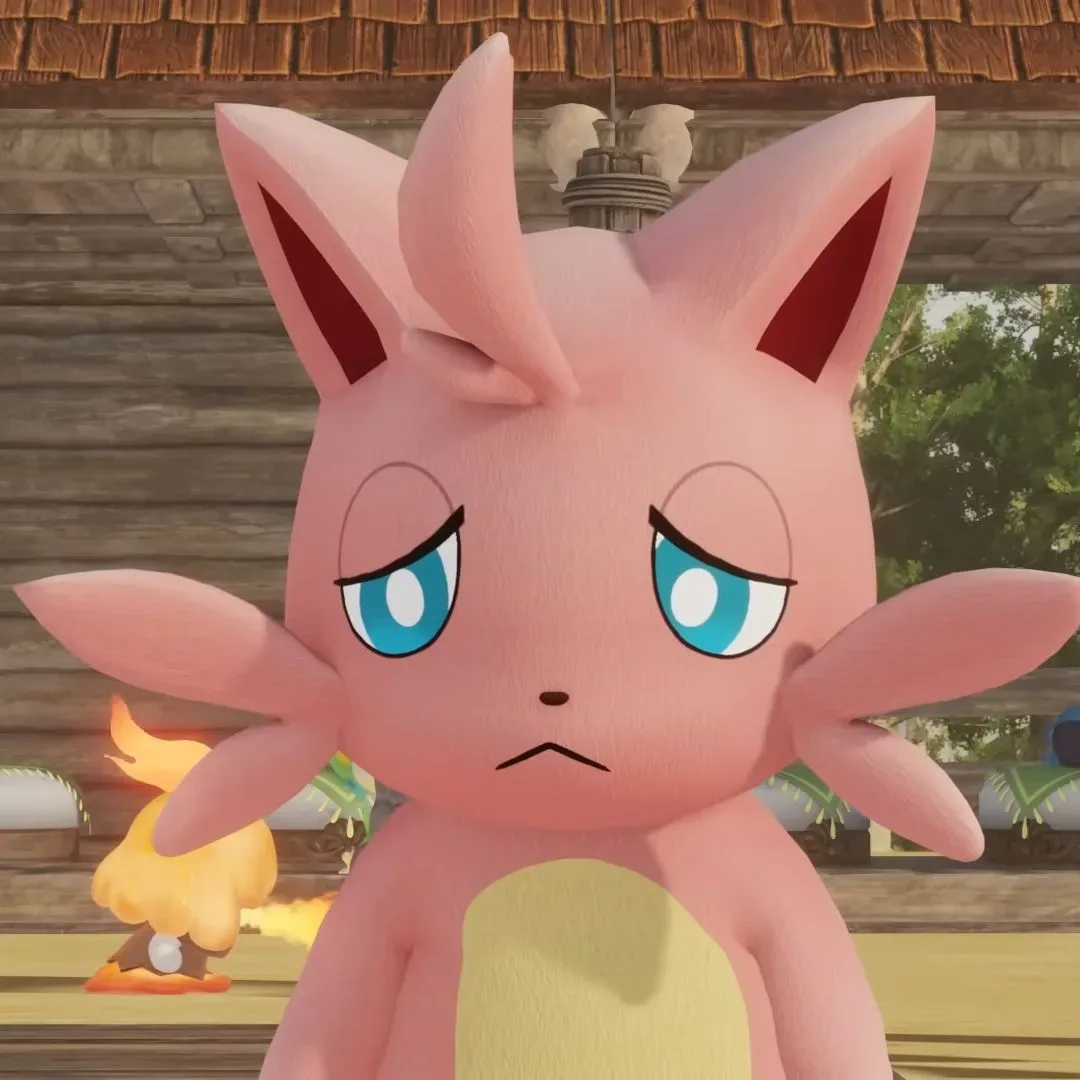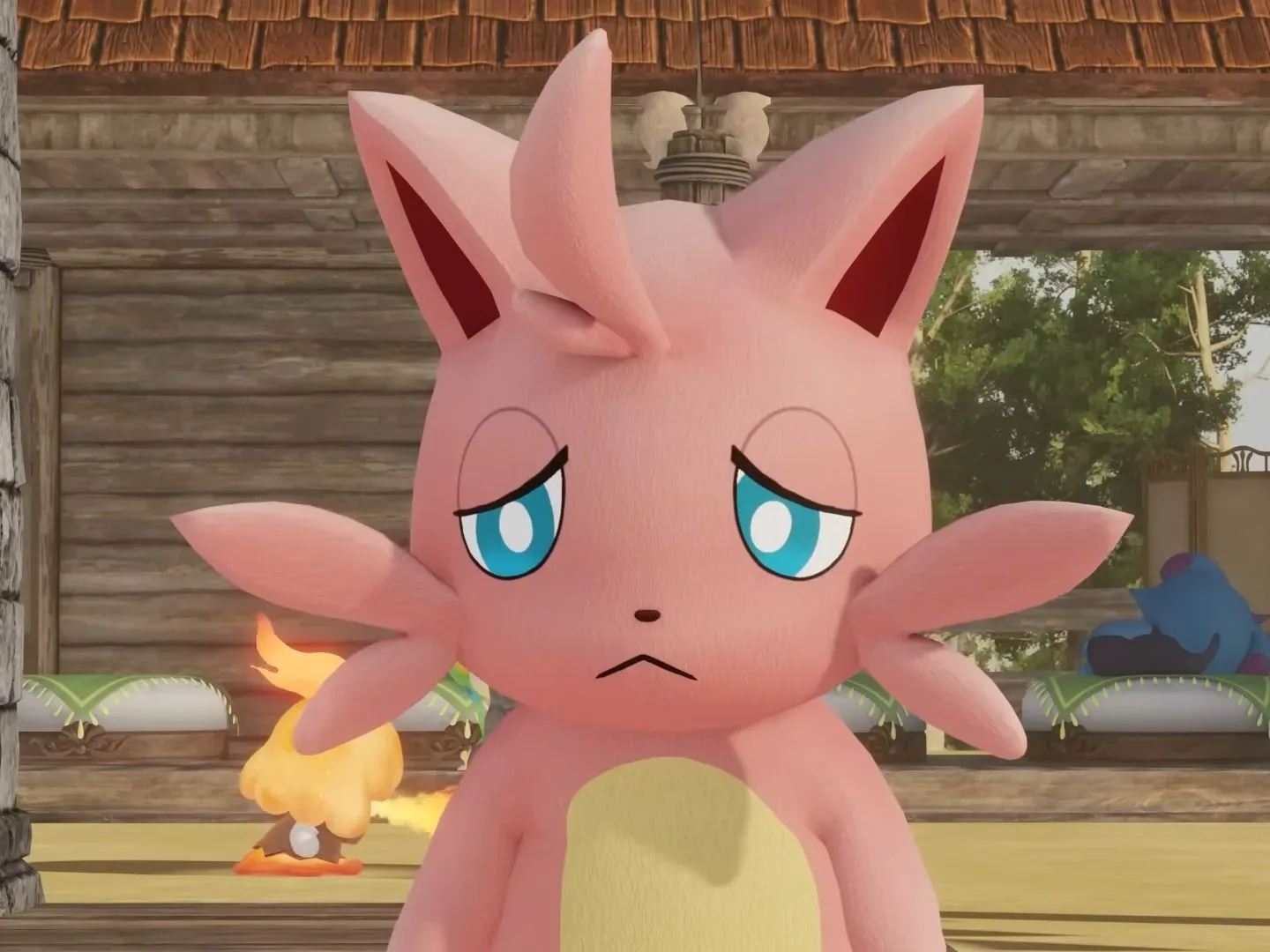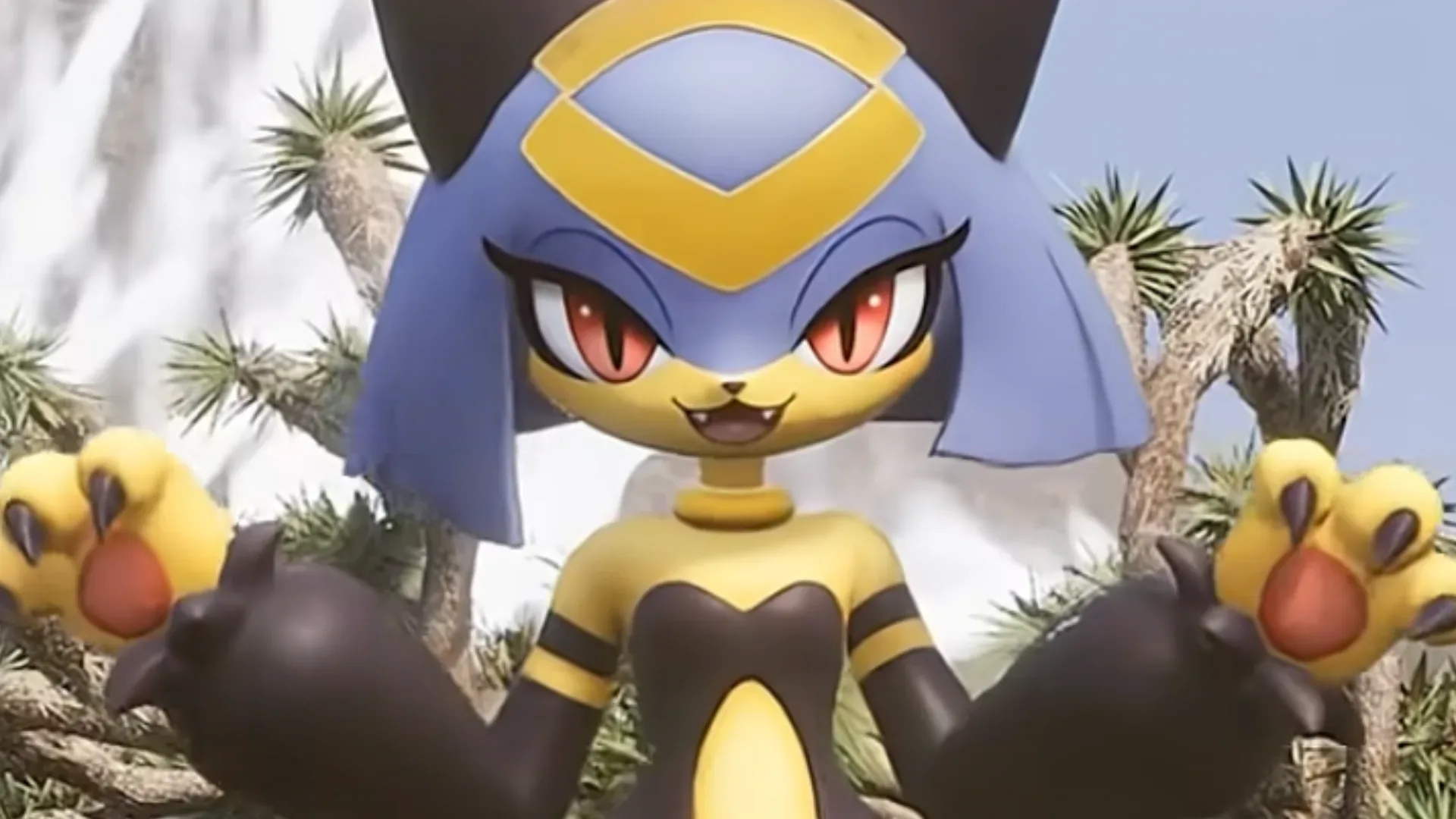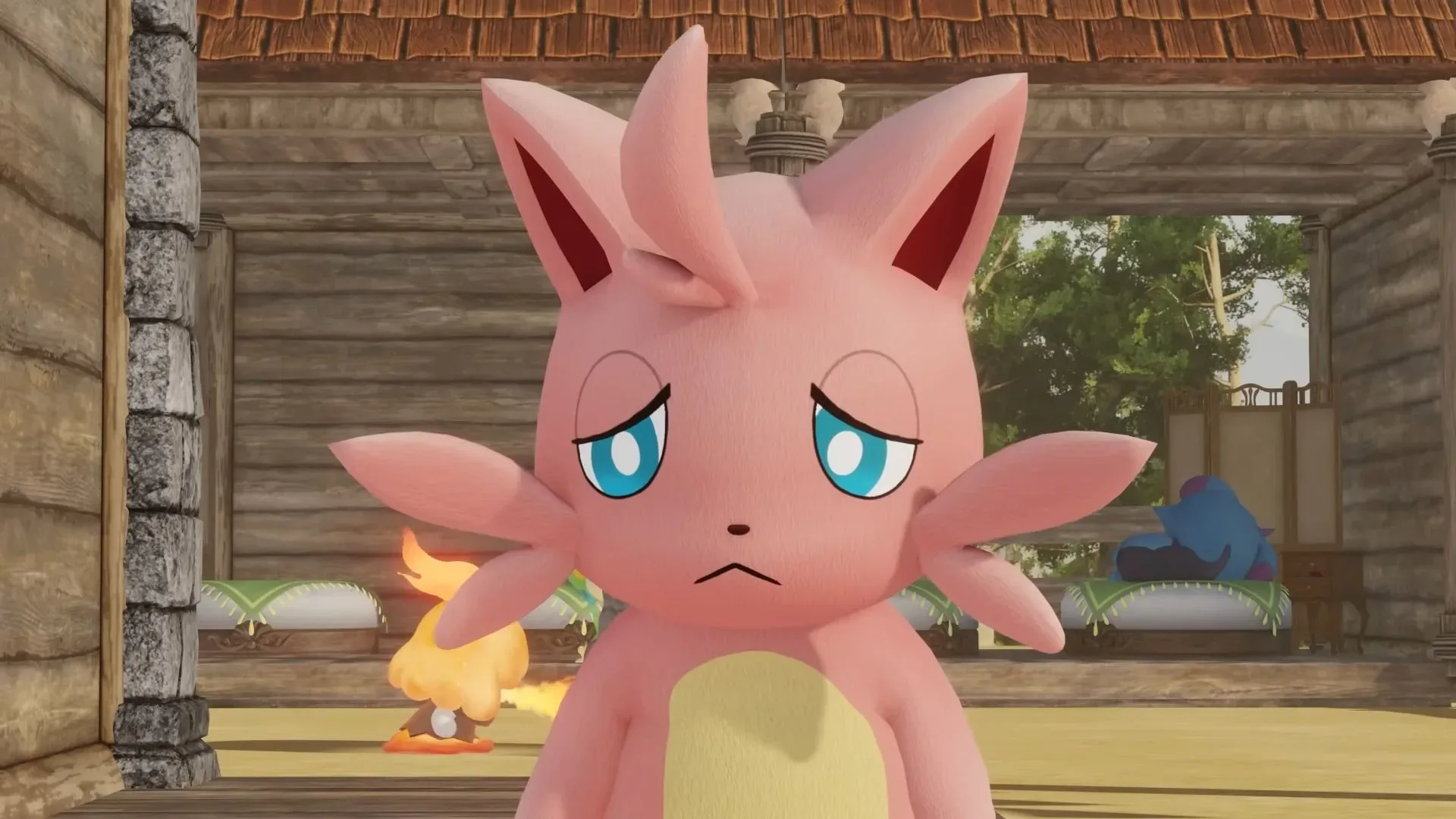
Some game mascots are engineered like corporate infrastructure: unmistakable silhouette, simple name, prominent placement, and enough charm to survive a thousand profile pictures. Then there is Cattiva, the pink, smirking feline Pal that Pocketpair communications and publishing lead John “Bucky” Buckley did not expect to break through at all.
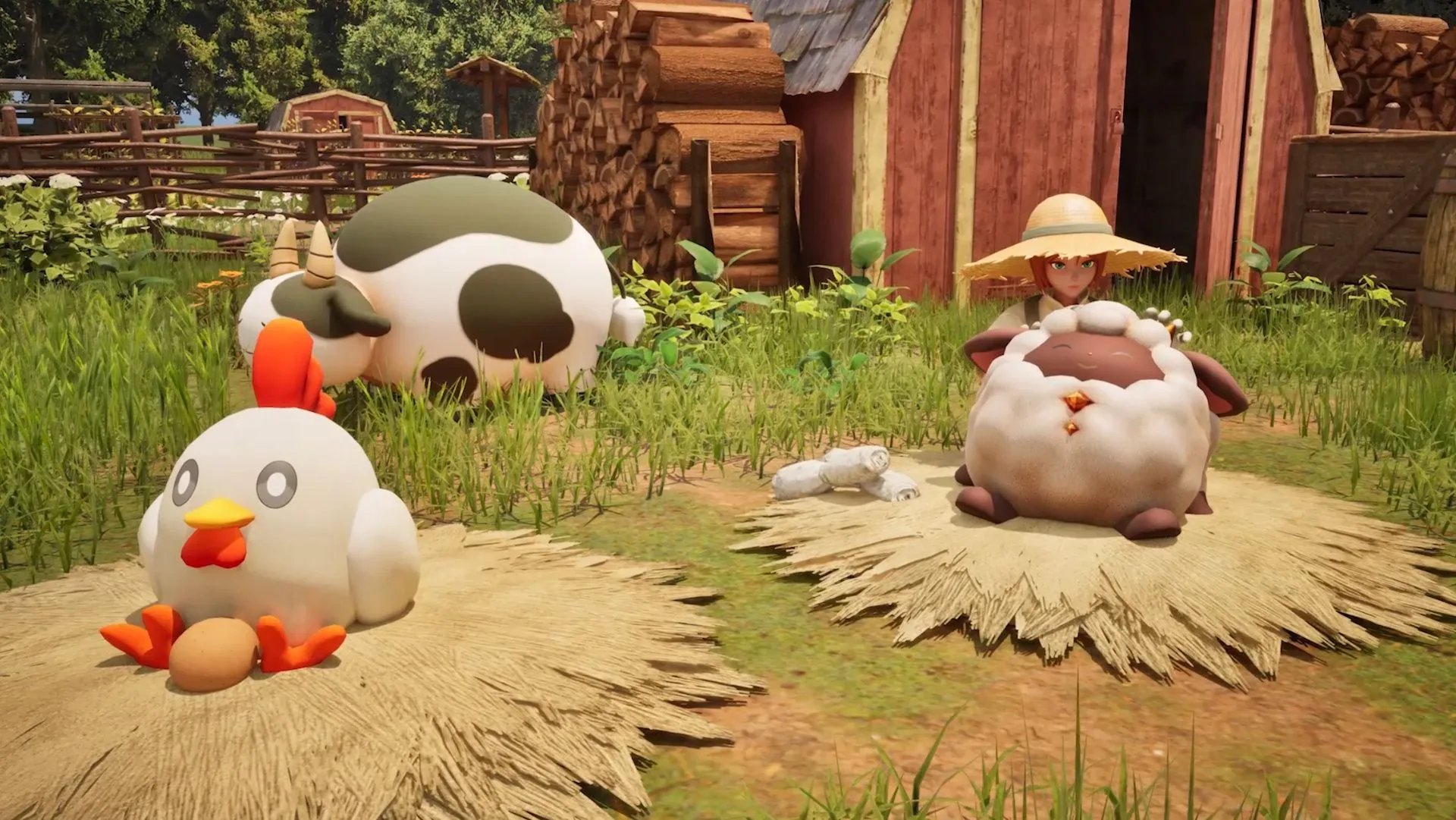
Buckley has described Cattiva’s rise as a personal surprise rather than a formal company position. In his view, Cattiva, Chikipi, and Lamball were the trio players encountered at the beginning when waking on the beach. He was confident Lamball would connect. Cattiva and Chikipi, however, seemed more likely to blend into the larger cast than become stars.
That prediction did not hold for Cattiva. Buckley now calls it Palworld’s mascot, and says it is particularly ubiquitous in China. Alongside Chillet, Cattiva has gradually become one of the survival game’s most recognizable Pals. The gap between the intended read of a creature and the public’s eventual attachment is a useful reminder that character popularity is not something a studio can fully design on paper.
A starter Pal that outgrew the starter role
Palworld is built around Pals: creatures players can tame and train. That framing naturally gives each design more than one job. A Pal has to register visually in a world with many other creatures, make an impression during play, and perhaps communicate something through its shape, expression, or basic concept before a player has learned much about it.
Cattiva had a clear visual hook from the beginning: a small pink cat with a sly expression. But visual clarity does not automatically create a mascot. Plenty of creature designs can be legible, amusing, or useful without becoming an emblem for a whole game. Buckley’s account matters because it distinguishes familiarity from fame. The development-side expectation was not that Cattiva would fail; it was that it would recede into the ensemble.
Instead, players elevated it. Its starter-area presence may have helped make it familiar, but that alone does not explain why this particular Pal became so prominent while Chikipi did not enjoy the same trajectory. Buckley’s blunt assessment of Chikipi—essentially, it is a chicken—suggests that recognizability needs a more particular spark than a straightforward animal read.
Lamball was the safer forecast. Its fluffy sheep-like appearance carries immediate appeal, and Buckley says he had always been fairly confident in it. Cattiva’s result was less predictable: an apparently secondary character design became a public-facing symbol.
What “mascot” means here
A mascot is not necessarily the main character, the rarest creature, or even the character with the largest in-game role. In game culture, the word usually describes a figure that becomes shorthand for the title itself. It is the design fans recognize outside the moment-to-moment context of play, whether that means social posts, fan art, community jokes, or promotional use.
Related coverage includes Palworld's Cattiva Became an Unlikely Mascot, Pocketpair Publishing Lead Says.
That distinction is important. Buckley did not say Cattiva had been planned as Palworld’s mascot; he said it is the mascot. The wording describes an outcome shaped by audience attention, not a declared launch strategy. It also helps explain why a team can be surprised by its own most visible creature. Studios can establish a cast, but communities decide which parts of that cast they carry forward.
The Cattiva story also points to a broader challenge for creature-driven games. A large roster is valuable because it offers variety, but variety makes prediction harder. A design that seems like a small part of the opening experience can accumulate cultural weight precisely because players see it early, remember its expression, and find it adaptable to jokes and fan creativity. That is analysis rather than a confirmed explanation for Cattiva’s popularity, but it fits the difference between a roster role and a mascot role.
Regional audiences do not always choose the same favorites
Buckley’s comments add an important qualifier: Pal popularity can vary by region. He specifically says Cattiva is everywhere in China. That does not establish a complete ranking of every Pal in every market, nor does it mean Cattiva’s appeal exists only there. It does show that a game’s global community is not a single audience with a single set of favorites.
For a developer, that can make an unexpected mascot even more interesting. The character people associate with a game may differ by territory, language, or community. A design team might have one expectation based on initial concepts, while player culture produces another—sometimes with one Pal becoming a particularly strong touchstone in a specific region.
That is also why it would be unwise to treat Buckley’s observation as a universal formula. The available comments do not identify why Cattiva resonates so strongly in China, and they do not provide sales, usage, or polling data. What they do provide is a direct acknowledgement from a Pocketpair lead that regional differences are real and noticeable in the Pal fandom.
The roster can still surprise its creators
Cattiva is not the only example Buckley raised. He says enthusiasm for Snock, a 1.0 Pal he describes as a snail or slug, surprised the lead developer as well. That reaction reinforces the central point: players do not always reward the designs a team expects them to reward, and they can become especially attached to creatures that appear odd or easy to underestimate.
It is tempting to read that as a call for developers to make every design stranger. The evidence does not support such a tidy lesson. Cattiva is a cat-like creature; Snock is described as a snail or slug; Lamball is a fluffy sheep-like Pal. They are not one design category. The shared trait is not a particular species or body type, but the fact that community response surpassed internal expectation.
There is another practical implication in Buckley’s mention of Pocketpair’s “graveyard” of unfinished Pal designs. The term suggests a collection of concepts that were set aside before completion. His comments do not confirm that any of those designs will return, or that Pocketpair intends to revive them. Still, Cattiva’s reception makes the idea intriguing: a design that looks unpromising in development can be exactly the kind of unexpected oddity a community embraces later.
For players, that is part of the appeal of a broad creature roster. The conversation does not have to stay limited to the creatures that initially appear most marketable. A favorite may emerge from an opening beach encounter, a peculiar silhouette, or a personality players infer from a fixed expression. Once that happens, the community can give the design a life far beyond its apparent place in the lineup.
Palworld’s next cozy project, and what it does not change
Buckley’s discussion of surprising Pals arrives alongside comments on Palworld Palfarm. He has characterized that project as cozier than Palworld, while cautioning that it is less like Stardew Valley than people might expect. That description does not reveal its detailed features, but it does indicate a tonal shift relative to Palworld’s survival-game identity.
It would be premature to assume Cattiva, Chillet, Snock, or any other specific Pal’s role in that project from these remarks alone. Yet the Cattiva story offers a sensible reason to watch which characters players rally around next. In creature-centered games, recognizable faces are not merely branding assets handed down from above. They can be a living record of what the audience decided was memorable.
For more on how games and their surrounding products are being discussed as distinct things, see this look at the changing meaning of a “physical game”.
Cattiva’s path from presumed background Pal to mascot is ultimately a modest but revealing creative story. Pocketpair had a large cast, a few early encounters, and internal instincts about which designs would land. Players had different instincts. In this case, the pink cat won.