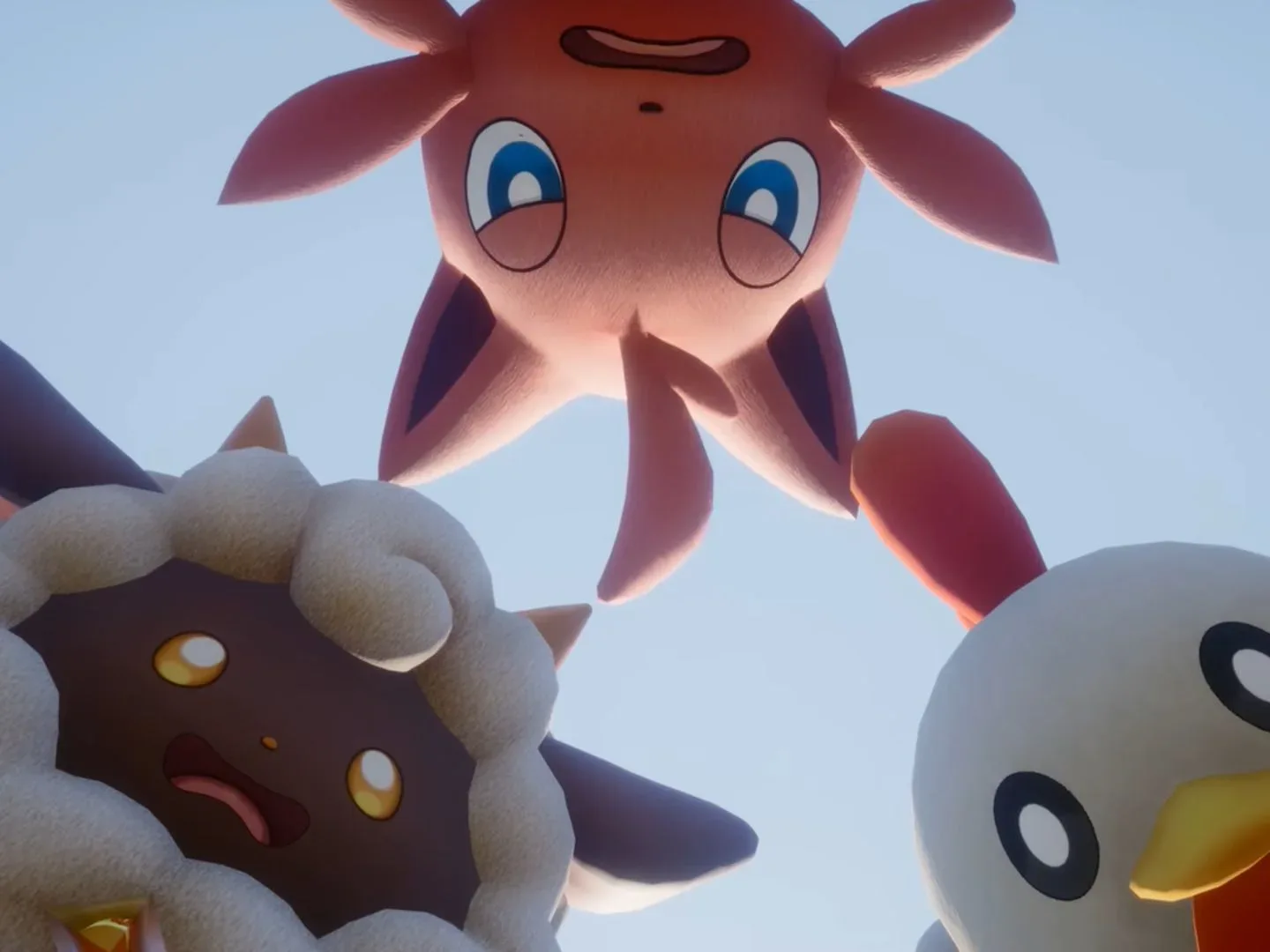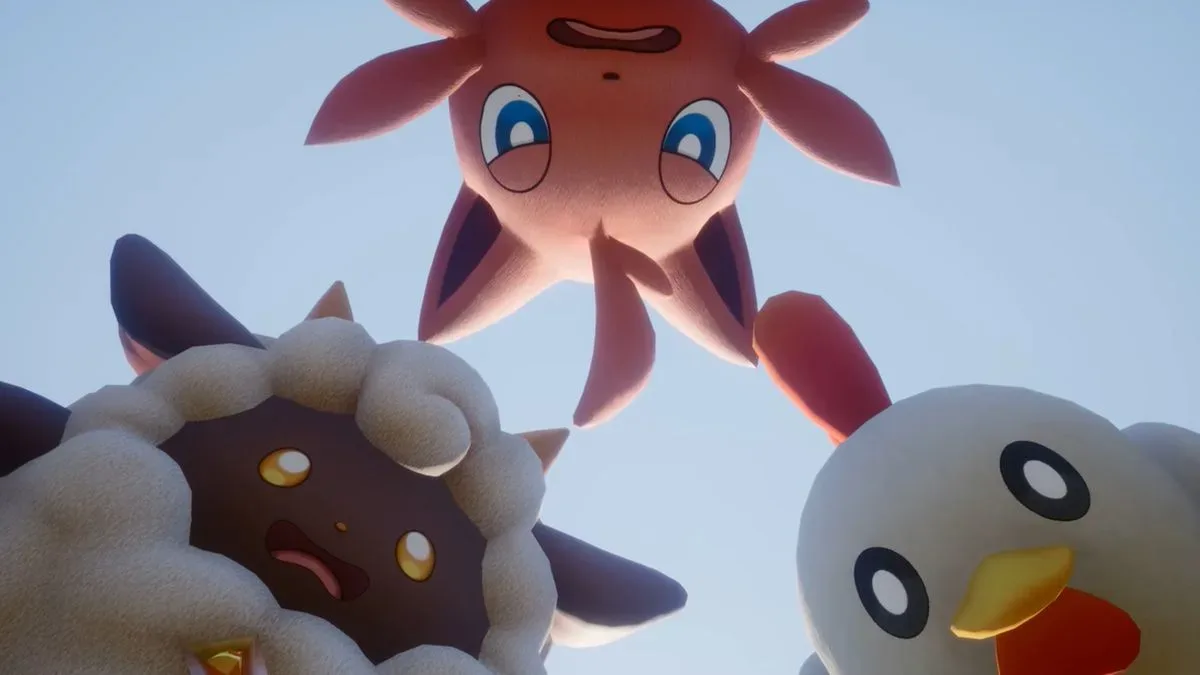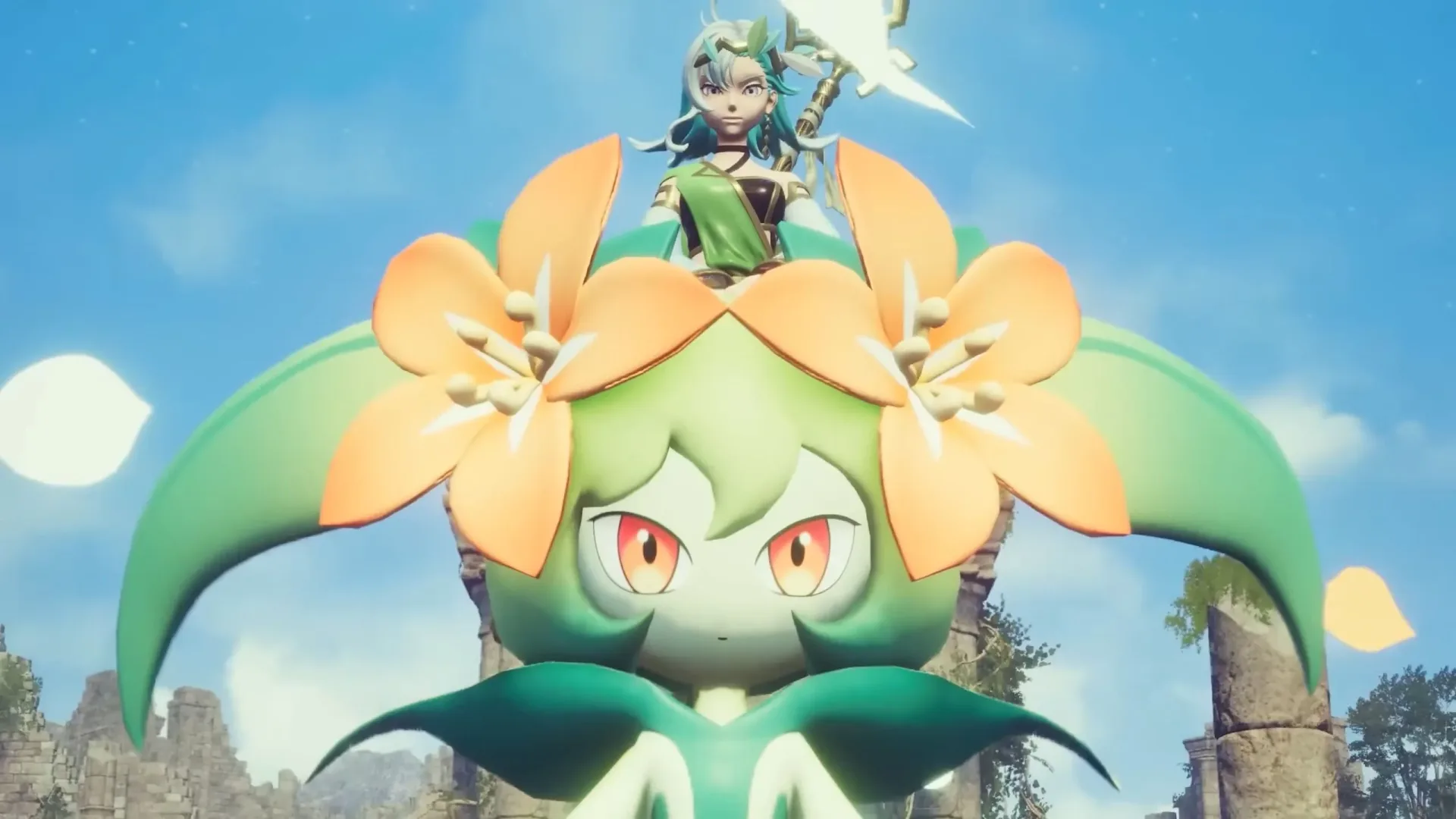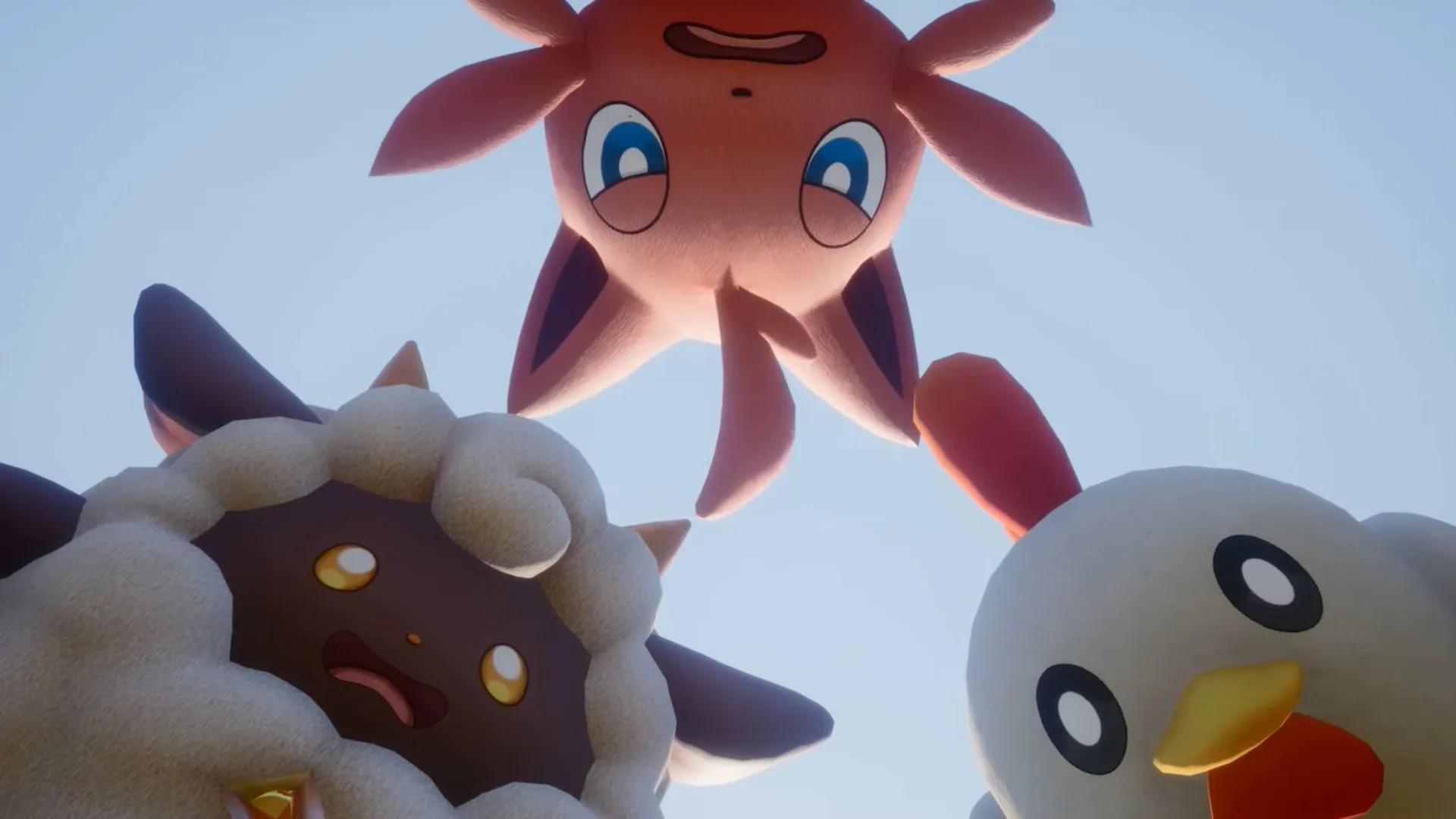
Palworld’s creature roster is set to grow with purpose rather than sheer volume. Pocketpair’s head of publishing and communications, John “Bucky” Buckley, has outlined an approach that puts a Pal’s identity and gameplay value ahead of hitting an arbitrary target for the next update.
That distinction matters after Palworld 1.0 added 72 Pals over the summer. A roster expansion of that scale gives players more creatures to find and use, but it also creates a much bigger design obligation for the studio. Every added Pal needs to coexist with the existing cast, offer a reason to be chosen, and avoid making other options feel pointless.
Buckley said the team does not view the process as simply inflating a number. Instead, the aim is for each Pal to leave an impression through a combination of visual design, abilities, work suitability, combat role, personality, or an unusual and funny trait. It is a broad standard, but it points to a practical philosophy: a Pal should have a recognizable purpose, not merely occupy another slot in a growing collection.
A roster is more than a headcount
“Roster” is a simple word for a complicated system. In Palworld, it refers to the total lineup of Pals players can encounter and use. Adding to that lineup does not just mean creating another creature model. A new Pal can affect combat choices, workplace assignment decisions, player preferences, and the perceived usefulness of every Pal already in the game.
That is why Buckley’s comments place emphasis on memorable traits instead of a headline-friendly quantity. A distinctive design can make a creature easy to recognize. An ability can give it a gameplay niche. Work suitability can determine how it fits into a player’s base activity. A combat role can make it appealing in battle. Personality and comedy, meanwhile, can help a Pal stand out even when players are not selecting it exclusively for efficiency.
Those categories also show why “more” is not automatically better. If several new additions overlap too heavily in what they do, then the roster may become larger without becoming more interesting. Players can end up with many choices that feel interchangeable. Conversely, a single well-defined Pal can add more texture to the game than a cluster of creatures competing for the same job.
The approach fits the wider challenge of maintaining a live game after a substantial content drop. New material may generate excitement, but the work does not stop when it arrives. Palworld received an update in early September that included Pal adjustments, battle changes and item tweaks. That follow-up illustrates the maintenance side of creature additions: once players get access to a new set of tools, the team can see where the broader system needs refinement.
Balance gets harder as options multiply
Balance is the process of keeping viable options from becoming excessively dominant or unreasonably weak. It does not necessarily mean every Pal must perform identically. Different strengths are the point of a varied roster. The more important question is whether a Pal has a useful place without erasing meaningful reasons to use others.
Related coverage includes Palworld Team Wants New Pals to Matter, Not Simply Inflate the Roster.
Each new Pal can complicate that equation. New abilities may interact with established combat choices. A new work-focused creature could change which Pals players consider worth assigning to particular tasks. A Pal that is especially effective in one area might also have consequences for the wider set of player strategies. The studio is therefore looking at player data and feedback whenever new Pals are released.
Those are two different kinds of information. Player feedback communicates how people feel about a change: whether a Pal seems fun, frustrating, underwhelming, confusing, charming or essential. Data can reveal behavioral patterns at scale, such as which options players gravitate toward after an update. Neither automatically dictates the correct adjustment, but together they can help developers spot issues that may not be obvious before content reaches a large audience.
There is an important limit to what the comments establish. Pocketpair has not provided a specific number of Pals planned for a future update, nor has it detailed individual upcoming creatures, abilities or balance changes. The message is about the criteria behind future additions, rather than a roadmap with a fixed release count.
Why work suitability is a key part of identity
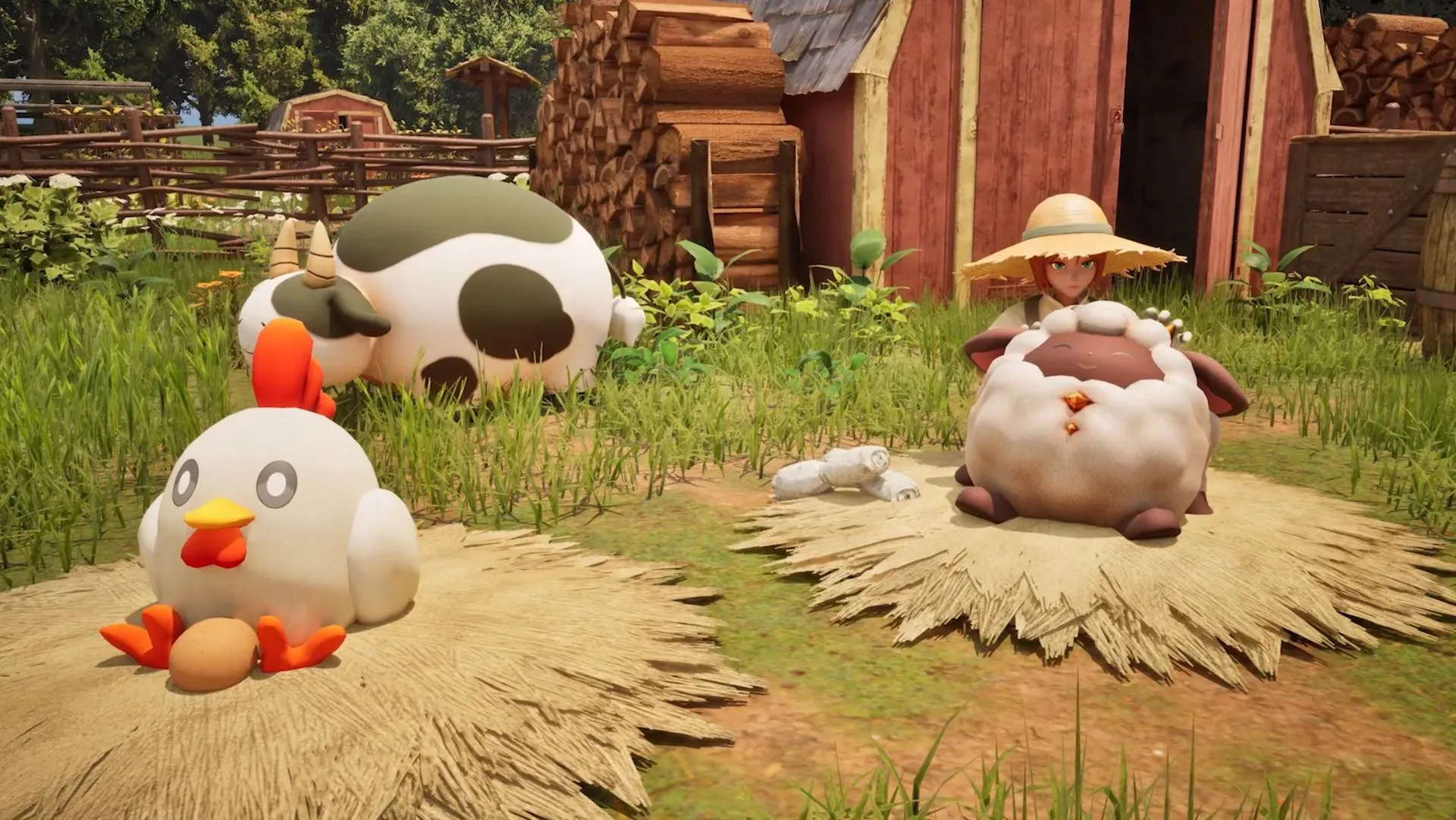
One particularly notable element of the team’s thinking is work suitability. In a survival game where Pals can serve different functions, a creature’s value is not defined exclusively by combat. That makes base-related usefulness part of its identity rather than a secondary footnote.
For players, this potentially means a favorite Pal can be memorable for several reasons. One may be selected because it fills a useful work role. Another may earn a regular place because its combat role matches a preferred playstyle. A third might become a community favorite because its design or personality is strange enough to stick in people’s minds. The stated goal is not to force every Pal into one definition of usefulness, but to give players an identifiable reason to remember it.
That is especially relevant in a game with a large cast. As the selection expands, players need clearer mental shortcuts for understanding what they have found. A strong silhouette and personality help recognition; a distinct ability or task helps practical decision-making. When both sides align, a Pal can feel like a character as well as a tool.
The alternative is a roster where new additions must fight for attention solely through stronger statistics or broader utility. That can create a cycle in which older choices lose relevance whenever a newer, more efficient option arrives. Buckley’s framing suggests Pocketpair is trying to avoid treating escalation as the only way to make a new Pal exciting.
What players should take from the comments
The clearest takeaway is that future Palworld additions may be judged less by their quantity and more by whether they carry a distinct hook. That hook could be mechanical, visual, work-related, combat-focused, personality-driven, or simply odd in a way that makes the creature memorable.
It also sets realistic expectations for patch cycles. When a roster expands, follow-up balancing is part of the process, not necessarily evidence that the original addition was an afterthought. A live player base can expose powerful combinations, neglected choices and item or battle interactions that warrant adjustment after release. The early-September patch, with its changes to Pals, battles and items, is an example of that continuing work.
For Pocketpair, the difficult part will be preserving that sense of identity as the roster gets larger. A standard of “every Pal should have something” is ambitious precisely because it goes beyond making each newcomer functional. It asks for a reason to care, whether that is strategic usefulness or an unmistakable bit of personality.
That philosophy also puts the focus on curation. Palworld does not need every update to be defined by a giant number if the creatures introduced give players new decisions or new favorites. The studio’s stated plan is to watch how those additions land, use feedback and player data to inform adjustments, and account for the increasingly complex balance work that comes with a larger cast.
For more on how creative priorities can shape a game’s long-term direction, see the discussion around preserving emotional landmarks in Tomb Raider: Legacy of Atlantis.