Steam Early Access was built around a fairly straightforward handshake: developers would sell an unfinished game, players would knowingly enter a work in progress, and both sides would help shape what eventually reached version 1.0. Pocketpair communications and publishing lead John Buckley believes that handshake still has value. The problem, in his view, is that more people now approach an early-access release as though it were a fully finished game with a permanent live-service update cadence attached.
Speaking while Palworld moves through its 1.0 transition, Buckley said Pocketpair remains confident in the early-access model and would likely use it again for another large project. That endorsement comes with a substantial caveat: he thinks the cultural understanding of the label has eroded since Steam’s earlier Greenlight era.
For developers making large survival games, that shift can create an especially thorny mismatch. These games ask for enormous amounts of content, systems work, balancing, bug fixing, multiplayer upkeep, quality-of-life improvements and long-term technical planning. Players can put dozens of hours into an early build in a week, while a meaningful development update may require months of work. Somewhere between those two schedules, a very loud “dead game” accusation can hatch and immediately demand snacks.
From collaborative builds to regular-game expectations
Buckley described the earlier years of Steam Early Access as a period in which buyers generally understood that they were opting into development rather than simply purchasing a completed product early. Those players often wanted to submit feedback, discuss systems with studios and tolerate unfinished features as part of the deal.
He argues that this audience has become less dominant as Steam has attracted habits associated with hyper-casual mobile games, broader casual gaming and live-service titles. In that environment, the Early Access badge may no longer communicate “this is unfinished and evolving” with the clarity it once did. A customer may see a playable game, buy it, play intensely, and judge its update frequency by the standards they apply to a completed multiplayer hit.
“People just buy an early access game like they buy a normal game and treat it like that’s the game,” Buckley said.
That does not mean players are wrong for wanting a game that feels enjoyable and complete enough to justify a purchase. Buckley explicitly said there is no fault in simply wanting to enjoy a game without becoming familiar with its production process. Not every customer wants to become an amateur producer, read roadmap diagrams or learn why a new creature, biome or networking feature cannot be summoned from the patch notes by ringing a small bell.
Still, he suggested that broader awareness of how development works could reduce friction. The distinction is important: an early-access game can be highly playable and still be incomplete. It can have a huge audience and still need substantial time between major content drops. It can also receive an update focused on fixes, balance and usability rather than a new continent full of extremely employable fantasy animals.
Related coverage includes Palworld Lead Says Steam Early Access Has Lost Its Meaning for Many Players.
Why rapid playtime changes the conversation
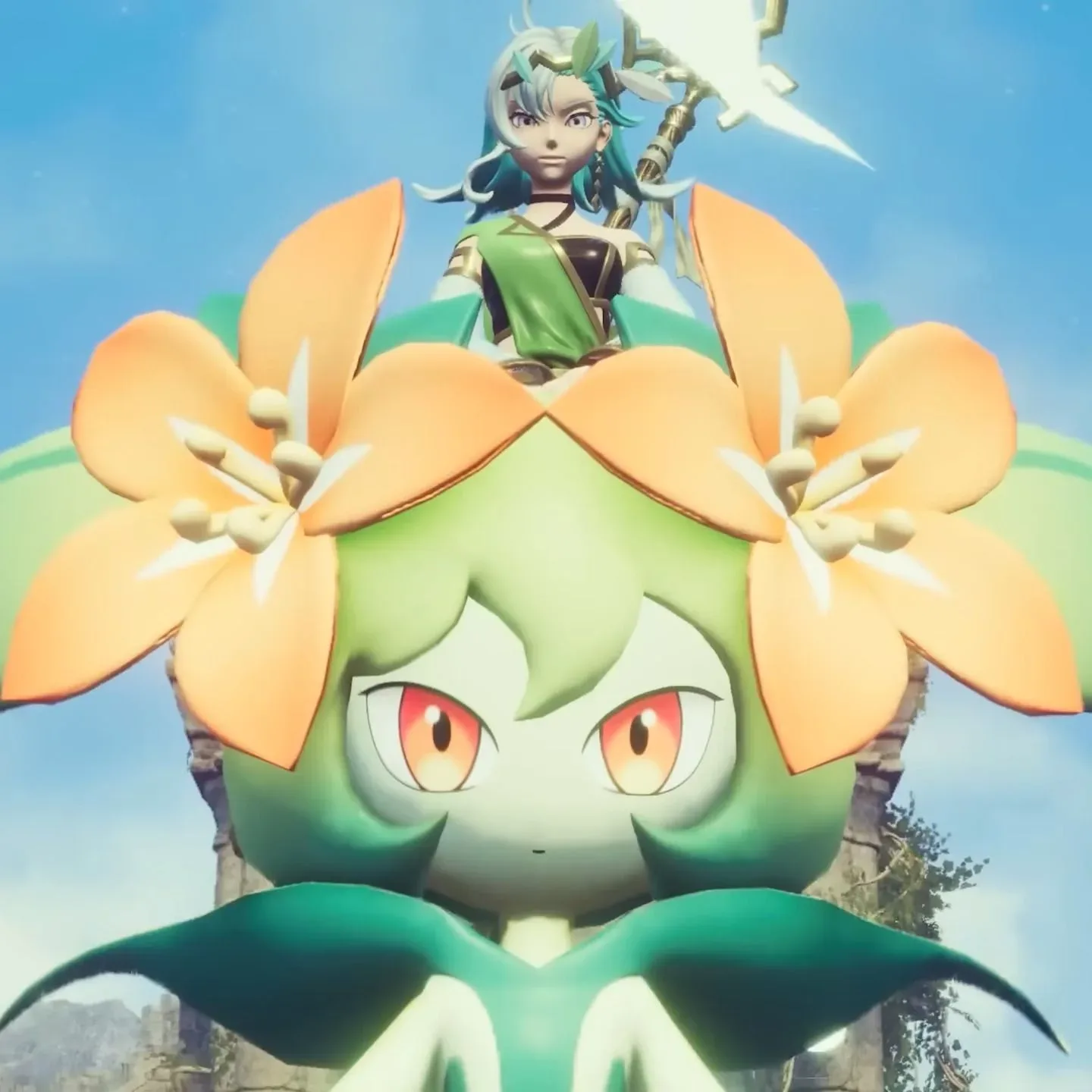
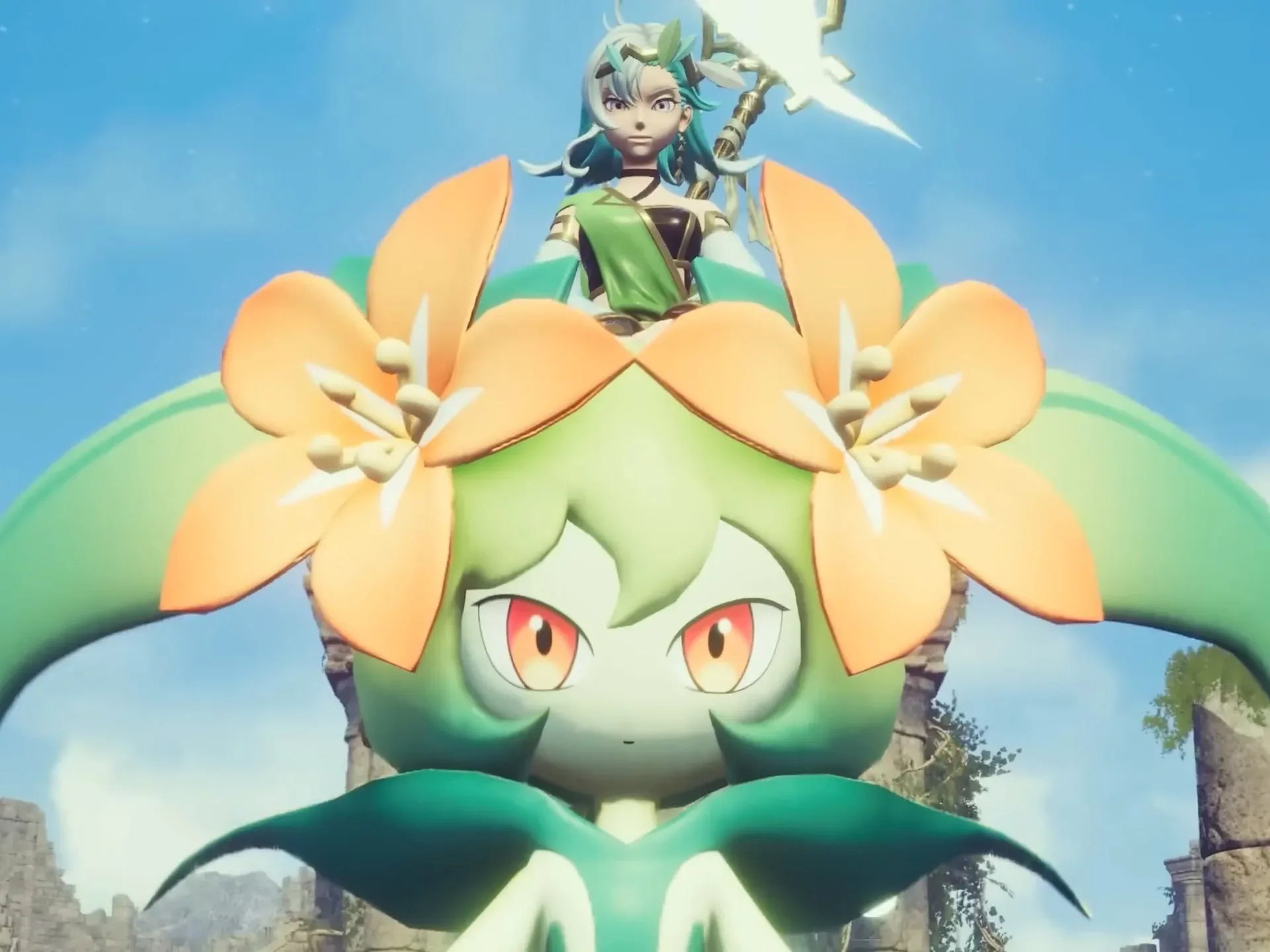
Buckley used Palworld as an example of the tension. A player can purchase an early-access game, devote one or two weeks of heavy play to it, then conclude that the lack of immediate new content means development has stopped. From the studio’s perspective, the answer is less dramatic: creating the next meaningful piece of the game takes time.
That gap is not unique to Palworld. Early access often puts an unusually visible timer over work that would otherwise happen privately. In a conventional development cycle, a studio might spend months rebuilding progression, optimizing performance or revising an endgame loop before the public ever sees it. In early access, every quiet stretch happens in front of paying customers. The community’s enthusiasm can be a tremendous asset, but it can also amplify impatience when an update does not arrive on the timetable imagined by the most dedicated players.
There is a related problem in the vocabulary players use. “No content” can mean several different things: no new map, no new enemies, no new quests, no major systems, or simply no feature that affects a particular player’s routine. Developers may instead be spending a patch on stability, bug resolution, performance, accessibility, interface work or balancing. Those changes can be vital to a game’s future, even if they do not make for a dazzling trailer in which a dragon explodes into confetti.
Buckley said Pocketpair tries to manage that divide through transparency, including setting expectations when an upcoming update will be more focused on quality-of-life improvements than major new content. The aim is to clarify what a patch is intended to do before players invent their own version of it, complete with three speculative bosses and a suspiciously specific release date.
PC feedback versus the console challenge
Steam is central to Buckley’s comments, but he also said early access can be especially difficult on consoles. His view is that console players are generally less accustomed to the concept of an unfinished game that is actively seeking feedback. PC players, by contrast, are often more prepared to submit extensive bug reports—sometimes in quantities that could probably be measured in geological layers.
Neither audience is inherently better, and Buckley did not frame console players’ lower level of feedback as a flaw. It does, however, affect how a developer communicates the nature of a work-in-progress release. The more a game expands to audiences without a long history of participating in early-access ecosystems, the more explanation may be needed about what version numbers, roadmaps, experimental changes and content gaps actually mean.
That broader PC culture remains worth watching well beyond survival games. Steam is home to games of every scale and stage of development, and expectations around ongoing support affect far more than Early Access. Community engagement also plays out differently across genres, whether players are reporting bugs in a building game or experimenting with elaborate fan-made changes such as the modding work covered in this Elden Ring boss-challenge mod story.
Support for early access, with clear limits
Despite his concerns, Buckley’s position is not that Steam Early Access has failed. Pocketpair has used the approach more than once and remains strongly supportive of it. The studio’s previous survival game, Craftopia, is also nearing its own 1.0 update.
But he acknowledged that early access is not suitable for every project. Some games, teams and production plans simply do not benefit from developing in public. A project may need a tightly controlled reveal, may not be ready to respond to constant player feedback, or may have a design that risks being misunderstood before its major pieces are in place.
Buckley also pointed to a more troubling use of the model: launching a build chiefly because the studio needs money. In his description, early access can become a way to bypass more traditional funding routes, functioning in some respects like a new form of crowdfunding. That can place customers in an uncomfortable position if a game is sold before the team has a realistic and adequately funded path to completing it.
The distinction is not that every early-access project must be feature-complete at launch. That would rather defeat the purpose. It is that a studio needs a credible plan, the ability to listen and respond, and honest communication about what customers are buying. Players, meanwhile, need enough information to distinguish a developing game from an abandoned promise. Without that shared understanding, the label becomes less useful to everyone.
Palworld’s next steps are not a decade-long promise
Buckley has recently been setting expectations for Palworld update 1.1. The game will continue to receive support, but the next update is not being positioned as another enormous overhaul. He has also said he would not rule out a Palworld 2.0, while cautioning fans not to expect a No Man’s Sky-style decade of extremely heavy support.
That is a notably practical message for a game with an unusually intense audience: continued development does not automatically mean endless escalation. A healthy update plan may include large additions, smaller quality-of-life patches, periods of foundational work and eventually a point where the team’s level of support changes. Saying that plainly may disappoint players hoping for a bottomless buffet, but it is more useful than pretending every game can be sustained forever at maximum velocity.
Pocketpair’s publishing arm is also looking beyond its own games, using some of Palworld’s success to seek out and fund promising projects during a difficult period for game investment. That work reinforces why Buckley’s view of early access matters. For independent teams, the model can still provide funding, feedback and an audience before a game is finished. Yet it works best when “early access” is understood as a meaningful description of a game’s state—not merely a tiny sign beside the purchase button that players stop noticing after the first loading screen.