Palworld’s roster may be built around creatures players can collect, battle with and put to work, but Pocketpair’s development process apparently begins with a far larger population that never gets close to the final game. The studio has an internal “graveyard” containing hundreds of rough Pal concepts, a useful reminder that creature design is as much an exercise in editing as it is invention.
John “Bucky” Buckley, Pocketpair’s head of publishing and communications, described a pipeline in which artists continuously create two-dimensional sketches, the company rates them internally, and only selected concepts progress into three-dimensional work. Even then, a design can fail to make the cut. A sketch that reads well on a page may lose its appeal or clarity once it becomes a model, and a completed model can still be discarded.
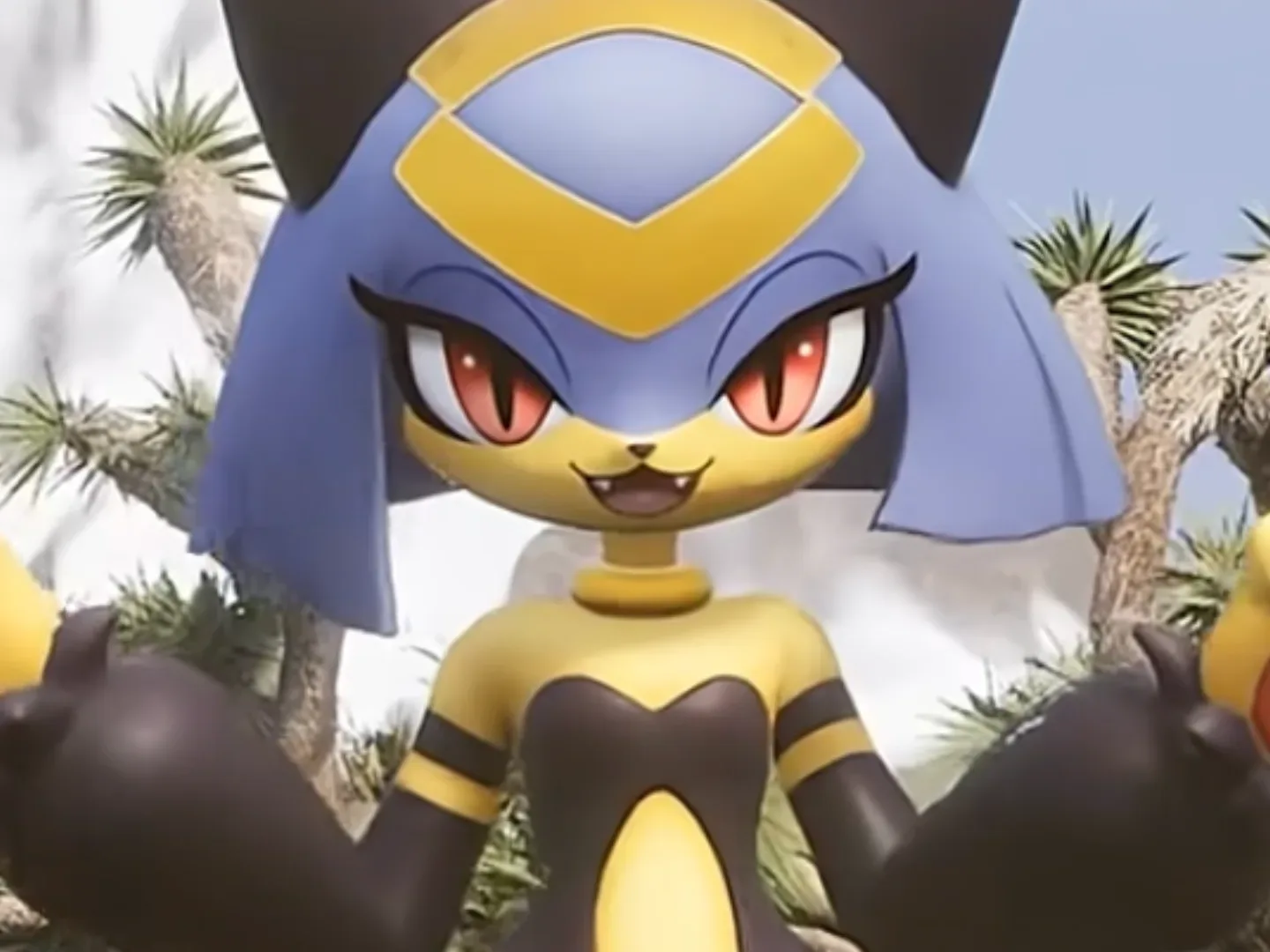
There is one notable exception to the deliberate pace: Sekhmet. Buckley identified it as the fastest Pal to move from concept through design, modeling and rigging after it generated a particularly strong internal reaction. That does not make every popular sketch an automatic success, but it does show how a compelling idea can create momentum when it lands with the people responsible for building it.
A creature roster starts with more than creatures
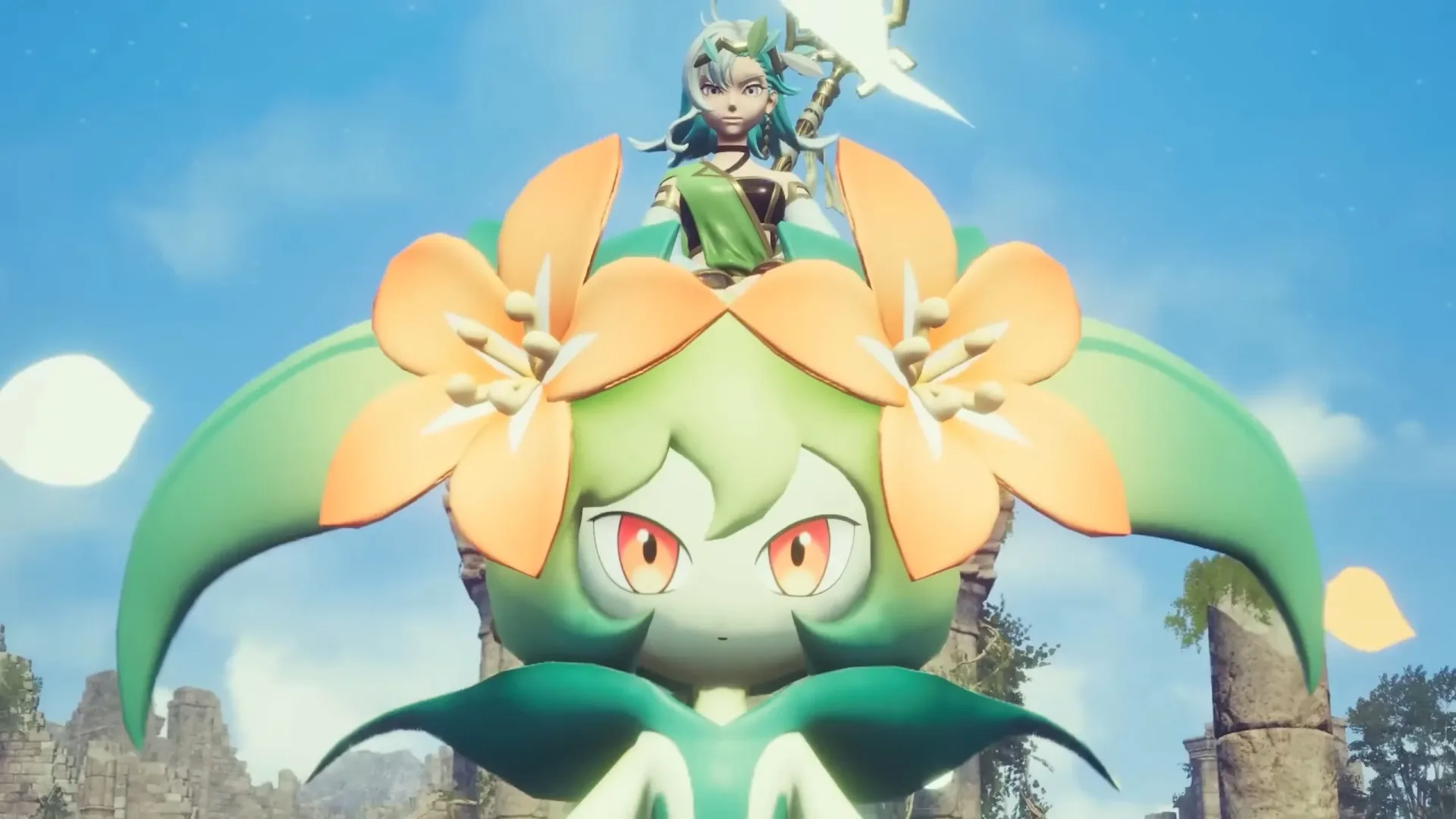
The key detail in Pocketpair’s account is not simply that unused art exists. Most games with large character rosters will leave concepts behind. It is the number and the stages of development involved. “Hundreds” of rough Pals sit in the studio’s internal archive, meaning the roster seen by players is the outcome of repeated selection rather than a straight line from a single artist’s sketch to an in-game companion.
That process starts with a group of 2D concept artists who produce Pal ideas. Pocketpair then posts the art in a dedicated Slack channel, where staff across the company can give each proposal a one-to-five rating. In practical terms, that is an internal feedback system: the studio is gathering an early read on which silhouettes, personalities and broad visual ideas resonate before committing more specialized production time.
The all-company vote should not be mistaken for a guarantee that a highly rated Pal will appear exactly as first drawn. The vote happens at the concept stage, when the team is evaluating an illustration rather than a finished interactive asset. It is nevertheless a meaningful filter. A creature game needs individual designs that are easy to recognize and appealing enough to spend time with, and an internal audience can flag immediate reactions before a concept becomes expensive to revise.
It also suggests Pocketpair is looking for more than a single department’s approval. A shared vote can reveal whether a Pal’s appeal travels beyond the people who initially made it. That does not necessarily mean the process is purely democratic—Buckley describes a workflow, not every decision-maker or criterion—but it does mean feedback is deliberately broad at an early point.
Why the jump from 2D to 3D can end a concept
A 2D concept is preliminary visual art used to explore an idea: shape, colors, pose, expression and the broad identity of a character. It can be loose or highly polished, but it is not yet the object that must exist in a game world. The next step, a 3D model, turns that image into geometry that can be viewed from different angles.
Related coverage includes Palworld's Unused Pal 'Graveyard' Holds Hundreds of Scrapped Designs.
That transition is where a design can expose weaknesses that were easy to overlook in a flat drawing. Buckley said there are occasions when a Pal simply does not work after the move to 3D. The reason is not specified, and it would be wrong to invent a single explanation for every rejection. Still, the production reality is clear: an attractive sketch is only a proposal. It must survive being built as an object.
Then comes rigging, the creation of the controls and underlying structure that allow a 3D model to move. In plain terms, a rig is what makes animation possible. A character may look right while standing still yet prove awkward once it needs to move, react and function as a game asset. Pocketpair’s sequence—concept, modeling, then rigging—shows why early enthusiasm alone cannot settle the question.
Importantly, Buckley also said the team sometimes takes elements it likes from separate abandoned concepts and combines them into something new. His description of designs being “Frankensteined” together is a candid way of explaining iteration. A rejected Pal is not necessarily wasted work. Its most successful feature may become part of a later design, even if the original creature never makes it out of the graveyard.
The graveyard is an archive, not just a bin
Calling the collection a graveyard is colorful, but the reuse of parts gives it a more constructive role. It is effectively a reference pool of prior ideas: visual features, proportions or other elements that may be worth revisiting in a different combination. That can make the archive valuable precisely because it preserves concepts that were not fully successful.
For players, it offers a sensible way to think about future creature additions without treating every scrapped drawing as a promise. The presence of hundreds of rough concepts does not mean hundreds of finished Pals are waiting to be released. Many may have stopped early, while others may only contribute fragments to later work. The confirmed takeaway is that the studio has a substantial history of experimentation behind the designs that do get selected.
Sekhmet’s unusually fast route
Sekhmet stands out because Buckley said it moved from concept to design, modeling and rigging faster than any other Pal. Its reception in the company Slack channel was so pronounced that, in his telling, the reaction count surged in a way the team had not seen before.
That is a revealing contrast with the ordinary process. Most concepts face voting, production work and several chances to be ruled out. Sekhmet’s path demonstrates that a strong consensus can accelerate a project through those stages. It does not erase the technical work; modeling and rigging still had to happen. Rather, it appears to have reduced uncertainty about whether the team wanted to invest in that work.
The distinction matters because fast does not necessarily mean simple. Nothing in Pocketpair’s comments establishes how long Sekhmet took in calendar time, how many people worked on it, or whether it faced later changes. What is established is comparative: among the Pals Buckley had in mind, Sekhmet went through the stated pipeline more quickly than the rest.
There is also a broader creative lesson in that outcome. A design pitch can earn attention through an immediate response, but production demands it become more than a reaction image. Sekhmet apparently cleared both hurdles: people wanted it built, and it was able to make the journey into a rigged character. The hundreds of rough designs in the archive emphasize how unusual it is for an idea to satisfy both conditions so cleanly.
What this means for Palworld’s design identity
Creature-collection games depend heavily on readable design. Players need to distinguish companions quickly, remember them, and form preferences around them. Pocketpair’s description indicates that the studio gives itself room to test those instincts before a character is fully realized. The broad vote looks for immediate appeal; the 3D and rigging stages test whether that appeal can endure production.
There is no claim here that the system eliminates subjective judgment. A one-to-five rating is still a collection of opinions, and not every good design will receive the same reaction from every audience. But the process makes those opinions visible early, then places a second, technical test after the initial vote. In that sense, the graveyard is evidence of a willingness to reject ideas at multiple points rather than forcing every sketch through because work has already been spent on it.
That can also explain why recombination is useful. A concept may contain one memorable trait while failing as a total package. Saving the useful trait and applying it to another idea is more flexible than treating a rejection as a permanent dead end. Pocketpair has not detailed which pieces of which Pals were reused, so players should not attempt to map every final creature back to a particular unused design. The studio has only confirmed that such recombination happens sometimes.
The broader picture is a roster shaped by a combination of enthusiasm and constraint. Early company-wide excitement can propel a concept, as with Sekhmet. Later stages can halt it. And the ideas that fall short can still feed the next round. For a game whose central appeal is its creatures, that cycle of sketching, voting, building, testing and revising may be every bit as important as the final Pal that players encounter.
Palworld’s cozy spin-off context
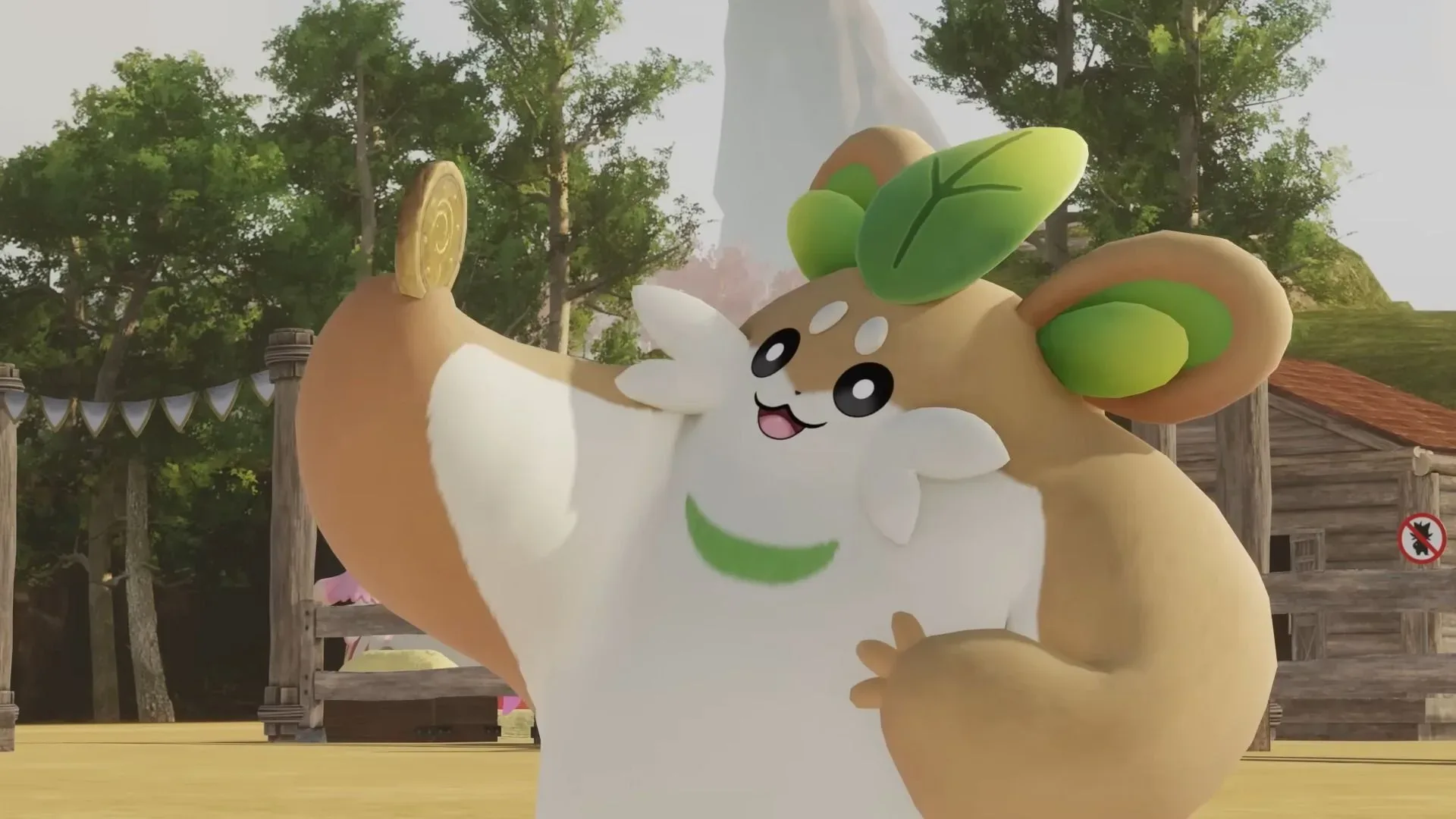
The comments arrive alongside another indication that Pocketpair is continuing to explore different tones within the Palworld universe. Palworld Palfarm has been described as cozier than the studio’s survival game, while also not being as close to Stardew Valley as some may expect. No additional mechanics or release details were provided here, so the clearest point is one of positioning rather than a detailed feature comparison.
That contrast makes the studio’s creature-design workflow especially interesting. Whether a Pal is being considered for a survival-focused setting or a more relaxed one, it still has to pass the same basic visual and production tests. The final look may feel effortless to a player, but Pocketpair’s own account points to a lengthy selection process—and an archive full of alternatives that did not quite make the leap.
For more on how development teams discuss the people and perspectives behind major game projects, see our coverage of Playground’s Fable reboot team and its original-trilogy fans.