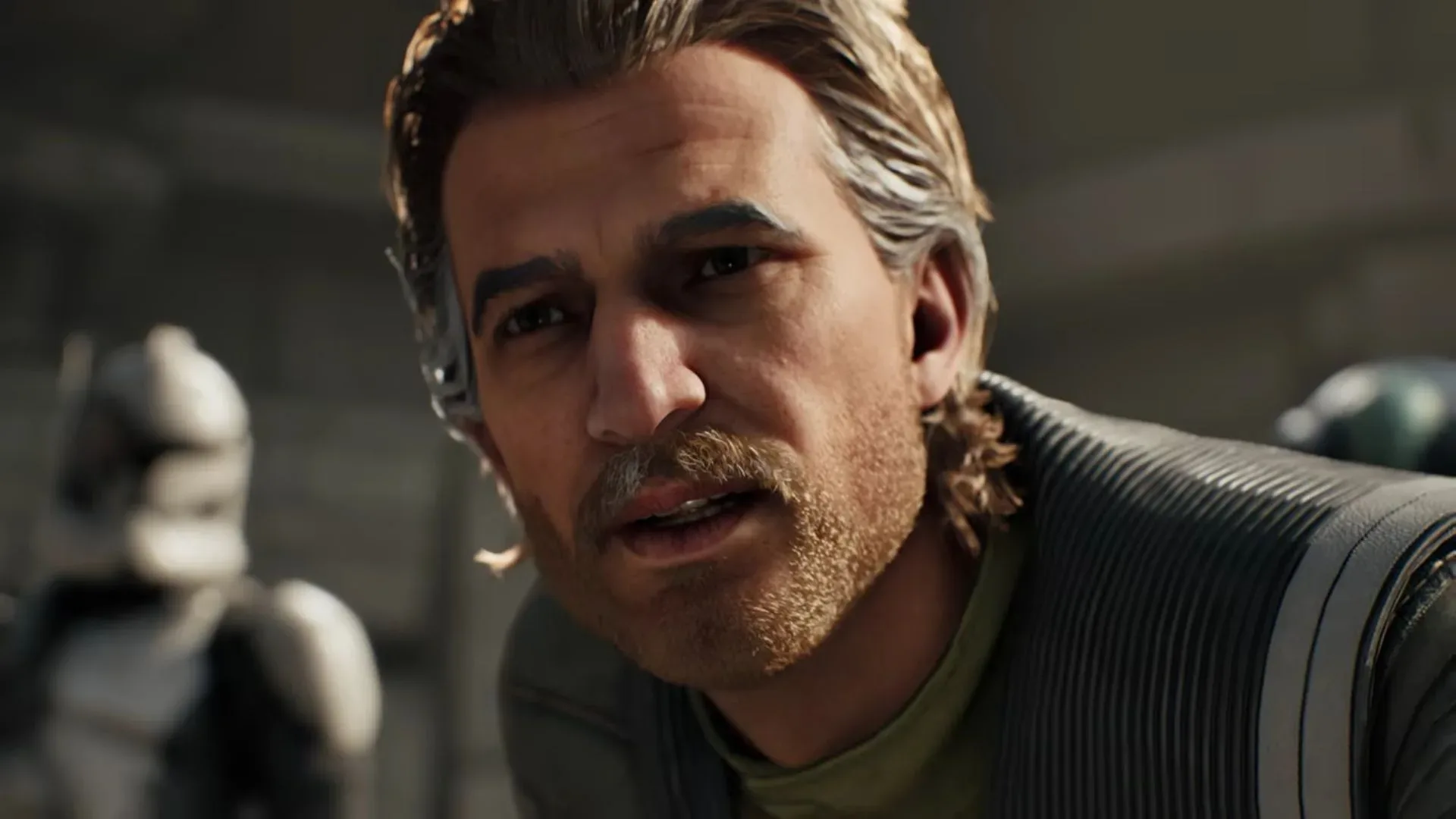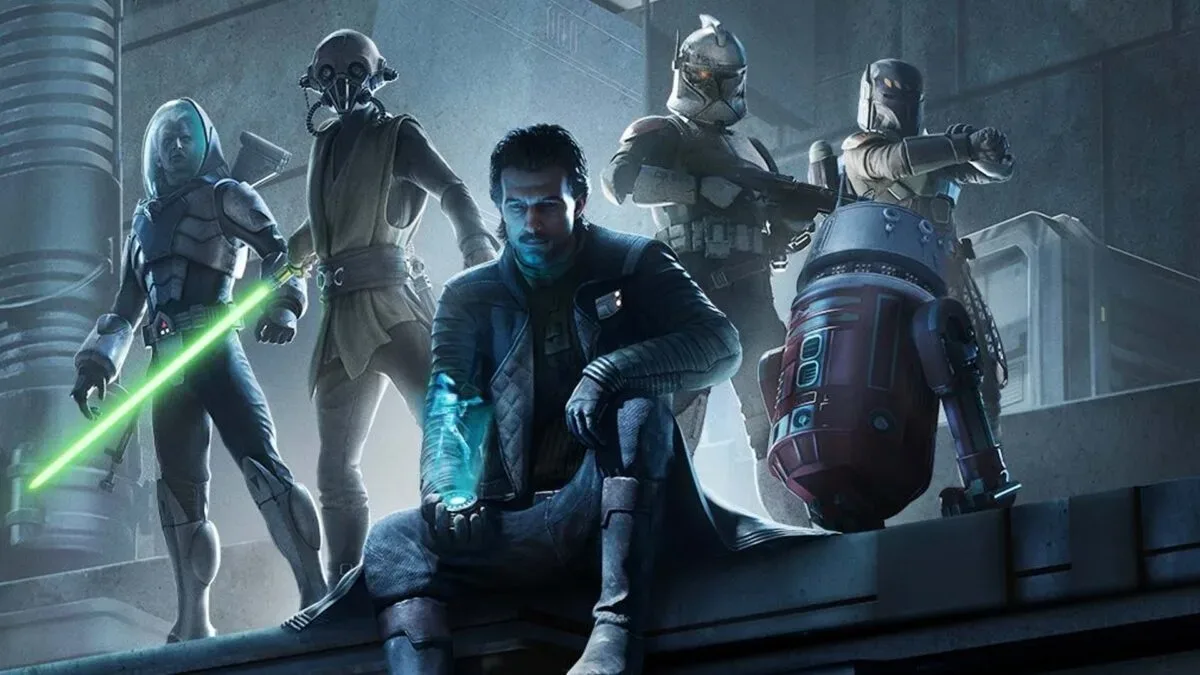
Star Wars Zero Company may have cleared a major commercial milestone less than a month after launch, but the reported success has not yet produced public answers about the staff furloughs at developer Bit Reactor.
Alinea Analytics estimates that the tactical Star Wars game has passed 1 million sold-through copies since launching on August 27, generating roughly $50 million. The estimate has not been confirmed by publisher EA or by Bit Reactor. That distinction matters: the reported sales result is encouraging, but it does not by itself reveal how much money the developer receives, when it receives it, or whether furloughed employees will be brought back.
For a game in the XCOM-like tactical space, the reported performance would be notable. It also arrives amid a difficult situation at the studio that made it in partnership with Respawn Entertainment. Scores of Bit Reactor developers were reportedly furloughed before release after the company ran out of money, leaving a smaller team to handle patches and player support. Bit Reactor is also facing a lawsuit brought by its former chief financial officer concerning a dispute over company management and ownership.
The result is an uncomfortable split-screen story: a game said to be finding a sizable audience, and a development team whose employment situation remains unresolved.
The estimate: 1 million sold-through copies across three platform groups
The analytics estimate breaks the reported sales distribution into three groups:
- Steam: 69.9%
- PlayStation: 19.9%
- Xbox, including Xbox PC: 10.2%
Those percentages add up to the estimated total sold-through volume rather than offering an official platform-by-platform sales report. “Sold-through” is a useful term here. It generally refers to copies purchased by customers, as opposed to units shipped into a retail channel. In this case, the figure is an outside estimate, not a publisher-certified number, so it should be treated as an informed measurement rather than a final audited tally.
Steam accounting for nearly seven out of every 10 estimated copies would make PC the game’s largest identified market by a wide margin. PlayStation represents about one-fifth of the estimate, while Xbox and Xbox PC together make up just over one-tenth. That is a snapshot of the analyst’s model, not proof of long-term platform demand; sales mix can change as discounts, updates, word of mouth, and regional purchasing patterns change.
Still, the broad picture is meaningful. A reported seven-figure audience would place Zero Company among the releases that have found significant reach despite a crowded launch window. The game has also received very positive Steam user feedback and a strong Metacritic score, providing separate signs of a favorable response even though neither critical reception nor user ratings can establish profitability.
Why a $50 million estimate is not the same as studio income
The most important practical caveat is the gap between a game’s estimated revenue and a developer’s accessible cash. A $50 million estimate may sound like a direct solution to a studio’s financial problems. It is not possible to make that leap from the information available.
Publishing arrangements can determine how revenue is allocated and when a developer begins receiving a share. The relevant concept is recoupment. In a publishing deal, a publisher may recover specified costs from revenue before the developer receives further payments or a revenue share. The threshold, eligible costs, timing, ownership terms, advances, and other conditions are deal-specific. None of those terms for Zero Company have been made public here.
That means the reported commercial performance could have very different implications depending on the contract. It may strengthen the case that the game has market momentum; it cannot establish that Bit Reactor has already received enough funds to reverse furloughs. It also cannot establish that the studio has an obligation, plan, or capacity to restore roles.
In plain terms, consumer demand and developer payroll are connected, but they are not the same ledger. A healthy sales estimate does not tell the public where revenue sits, which expenses have been recovered, or what commitments are attached to it.
What remains unknown about Bit Reactor’s staff
Neither Bit Reactor nor EA has publicly confirmed a process for rehiring furloughed employees. Nor has either company publicly said whether the furloughs will become permanent layoffs. The fact that a small team reportedly remains to support post-launch patches and players does indicate that the game needs continuing operational attention, but it does not reveal staffing plans beyond that work.
Furloughs are distinct from layoffs, although the distinction offers little comfort without a return timetable. A furlough ordinarily means workers remain attached to an employer but are temporarily not working. A layoff ends employment. Whether an apparent commercial hit changes a furlough into a recall, or whether the roles are ultimately eliminated, depends on decisions and financial arrangements that have not been disclosed.
The ongoing lawsuit involving Bit Reactor’s former chief financial officer adds another layer of uncertainty. The available information identifies it as a company management and ownership dispute, but does not provide grounds to infer an outcome or connect it directly to the sales estimate. It is best understood as a separate unresolved corporate matter occurring alongside the staffing crisis.
A positive signal for tactical games, with a major asterisk
If the estimate is broadly accurate, Zero Company is evidence that a focused, systems-led tactical game can still break through. Its reported sales follow positive player and critic response, and the game has been described as an XCOM-like built around solid gameplay systems and storytelling. That combination—clear genre identity, well-received execution, and the reach of the Star Wars setting—appears to have helped it compete in a busy period.
It is also another reminder that a recognizable license is not a complete explanation for an outcome. The Star Wars name may widen awareness, but a tactical release still has to persuade players that its mechanics, progression, and narrative are worth their time. The strong reception indicators and estimated PC-heavy sales mix suggest that the game has connected with an audience that actively seeks this kind of strategy experience.
For players tracking the game’s future, the immediate practical question is likely continued support: patches, fixes, and assistance from the remaining team. No roadmap or expanded support commitment has been confirmed in the available information, so expectations should stay grounded in what has actually been communicated. For a broader look at how a smaller PC release can face an ambitious road ahead, see this PC launch assessment of Mad Metal.
The milestone deserves recognition; the workers need clarity
A potential million sold-through copies in a game’s first month is a meaningful achievement, especially for a tactical title in a crowded market. The estimated $50 million figure and the favorable reception make Zero Company look like a genuine success story on the consumer side.
But “success” is incomplete if the people who made the game remain in limbo. Until EA or Bit Reactor confirms the sales numbers, clarifies the financial arrangement where possible, and—most importantly—communicates what happens to furloughed staff, the commercial milestone cannot be read as a resolution to the studio’s problems. It is a promising data point, not a public answer.