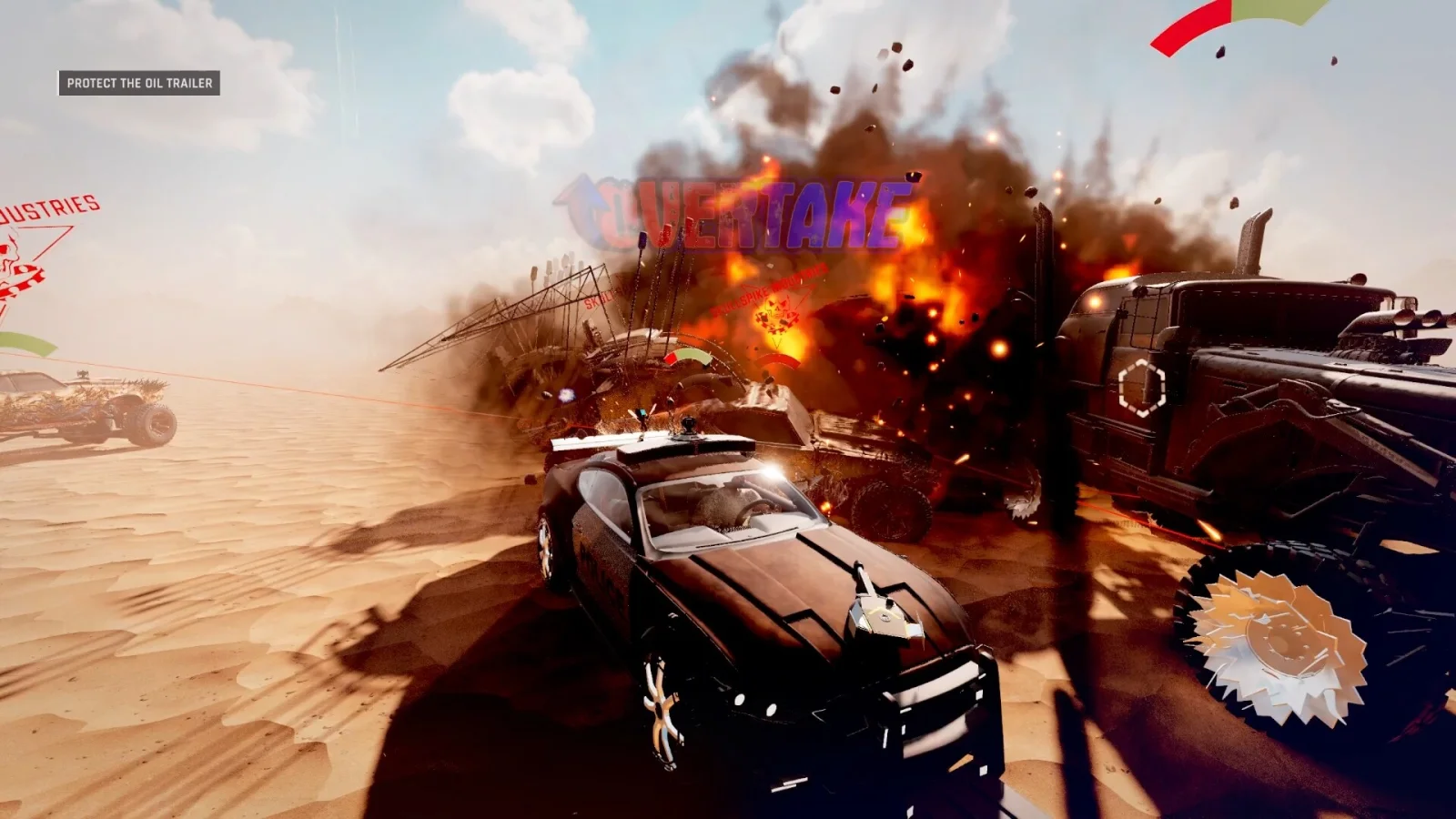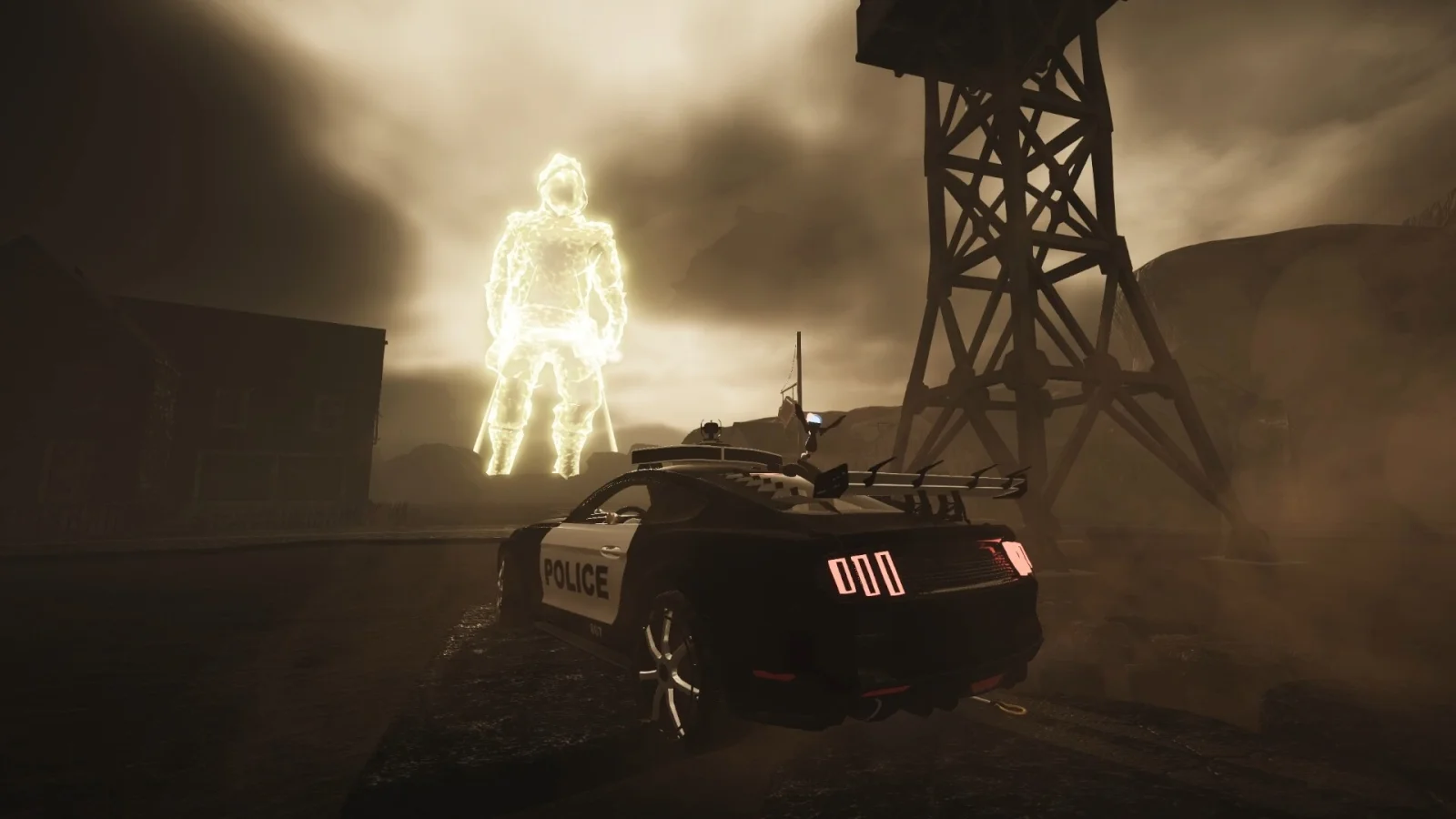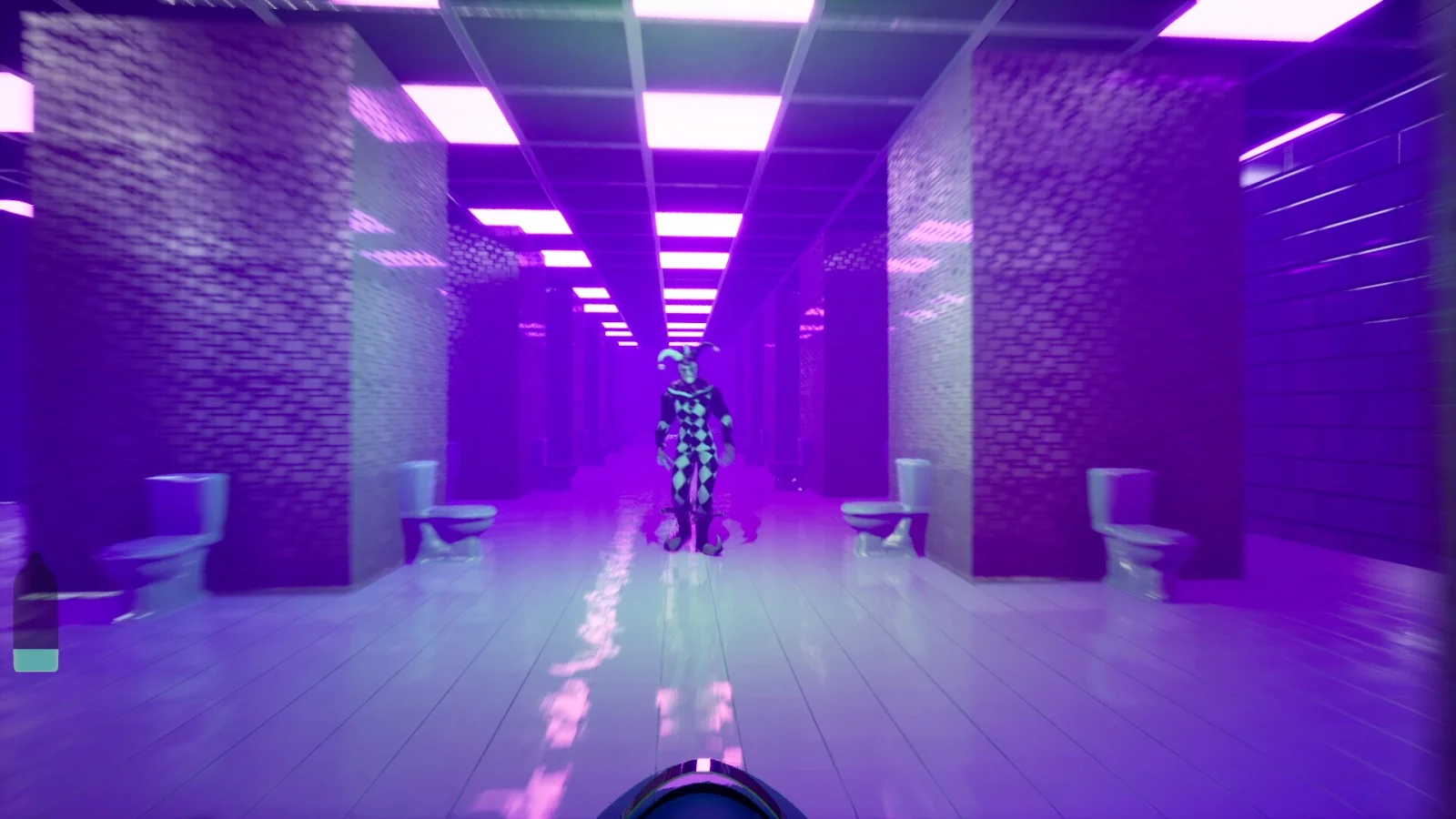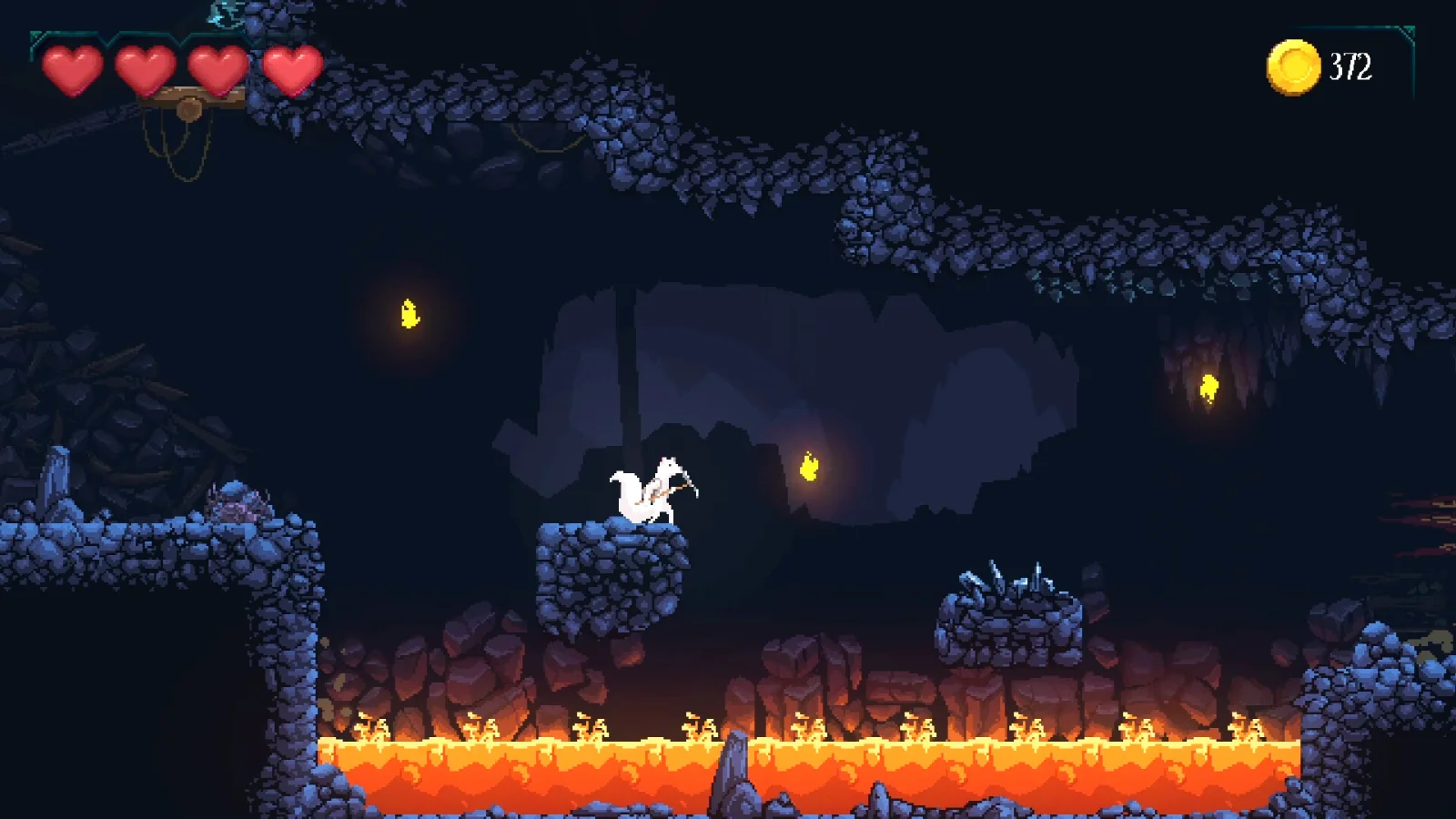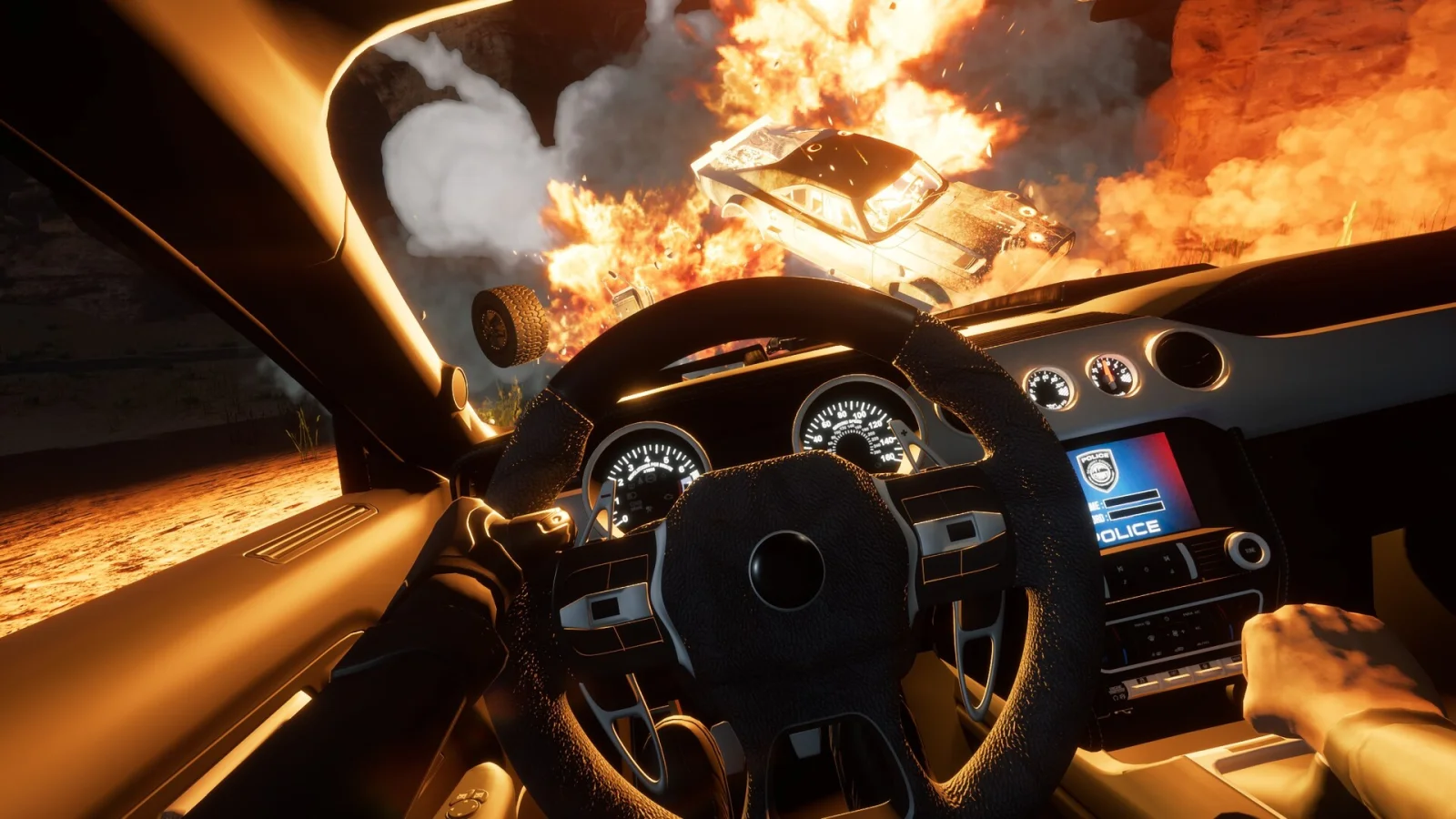
Mad Metal is now available for Windows, released on September 21, 2026. Developed by Mad Mechs Inc. and published by indie.io, it is a dark vehicular-combat shooter set in an AI-driven pre-apocalypse. Its stated campaign follows a parent crossing a machine-dominated wasteland in pursuit of abducted family members, placing a specific personal objective inside a format more commonly associated with vehicles, weapons, and spectacle.
This is an unscored launch assessment rather than a final verdict on performance or quality. Mad Metal’s public feature set is substantial, and its public development record points to sustained work on fundamentals that matter greatly in a driving-and-shooting game. Yet there is not currently enough broad independent criticism to make a definitive judgment about how reliably those parts come together for players at launch. The important distinction is between what the game officially offers and what still needs to prove itself in practice.
Established facts: a vehicle shooter with a wider remit
Mad Metal presents a larger menu of activities than a straightforward campaign-only combat game. Officially, it includes an eight-mission voiced campaign, vehicle customization, destructible enemy components, slow-time component targeting, open-world online co-op, extraction play, and both ranked and unranked one-versus-one competition. Achievements, controller support, adjustable text options, adjustable difficulty options, subtitles, Steam Cloud, and Family Sharing are also listed for the Windows release.
That combination gives the project an expansive outline. The campaign supplies a defined narrative route. Co-op and extraction suggest an online space intended to support repeat play. Ranked and unranked duels offer two different contexts for direct competition: one for players who want a ladder structure and another for those who may simply want matches without that pressure. Customization is positioned as the bridge between the player’s vehicle and these different activities, while component destruction and targeted slow time form the combat proposition at the center.
Nothing about that list automatically guarantees a cohesive game. It does, however, establish that Mad Metal is trying to make its driving, aiming, targeting, and building systems answer more than one type of demand. A campaign encounter can emphasize authored pacing and story stakes. Co-op can make group coordination relevant. Extraction play can give vehicle preservation and engagement choices added importance. A 1v1 match can expose whether controls, weapons, damage, and counterplay remain understandable when there is nowhere for imbalance to hide. These are distinct jobs for a single combat foundation.
For a useful point of contrast on how a combat concept can depend on clear spatial communication, see this assessment of readable chaos in PengPong. Mad Metal is a very different kind of game, but the broad design concern is comparable: when numerous moving threats and systems compete for attention, players need legible feedback before depth can become satisfying rather than merely busy.
The component-destruction hook needs readable consequences
The most distinctive officially described mechanic is the ability to target enemy components in slow time, alongside destructible enemy components. This is a promising direction because it could make destruction a series of choices rather than a general instruction to keep firing until an opponent disappears. In the strongest possible interpretation, an exposed or identifiable component gives the player a reason to consider immediate danger, aim, timing, and the practical effect of a successful hit.
That possibility depends on information the official feature description alone cannot settle. Components need to be recognizable amid movement, weapon fire, terrain, and enemy activity. The consequences of damaging them need to be sufficiently meaningful for target selection to matter. Slow time must support decision-making without repeatedly interrupting the speed and momentum that make vehicular combat exciting. If every sensible encounter has one obvious weak point, the system could become routine. If the damage model is too opaque, players may not understand whether their tactical choice made a difference.
There is also a useful tension here. Vehicle combat often derives its energy from aggressive motion: closing distance, dodging, lining up attacks, escaping danger, or controlling position. Precision targeting asks the player to pause mentally and assess a machine as a collection of vulnerable parts. Mad Metal’s concept could turn that tension into its identity, marrying the rush of a chase or firefight to deliberate target selection. It could also expose a mismatch if the pace makes careful assessment difficult or if slow time makes each engagement feel less urgent. This is not a claim about the released balance; it is the central design test implied by the announced mechanics.
Destructibility should matter beyond visual satisfaction. A combat system becomes more interesting when a damaged enemy behaves in a way that changes the player’s next decision, whether that means a threat is altered, a tactical opening appears, or the battle’s geometry shifts. The available facts establish that enemy components can be destroyed, but they do not establish the full range of resulting effects. It is therefore reasonable to be interested in the hook without assuming the breadth or depth of its implementation.
Vehicle feel is not a secondary concern
Public developer update logs document substantial work over time on handling, traction, aim assist, weapon behavior, controller support, Steam Deck support, performance, saves, stability, mission content, and multiplayer. Those records are meaningful in two ways. First, they show that the developer has devoted attention to the everyday systems that can determine whether a vehicle shooter is comfortable or frustrating. Handling and traction are especially central: they influence not just travel, but aiming windows, evasion, collisions, confidence in turns, and whether players feel responsible for their outcomes.
Second, the same history documents how much Mad Metal has changed across development. Iteration is not inherently a negative. Games often improve because their creators revise inputs, movement, weapons, missions, and technical systems rather than treating early versions as fixed. But extensive revision also makes launch readiness the question that cannot be answered by a feature list or a patch history alone. A long record of adjustments may indicate diligence; it may also mean that different parts of the game have had to evolve at different speeds. The released experience needs to demonstrate that those revisions now support one another.
Vehicle feel carries unusual weight here because Mad Metal asks it to underpin several modes. An input model that works adequately for campaign travel may feel too loose in a duel. Aim assistance that helps one controller user follow a target may require careful treatment in competitive contexts. Traction that creates dramatic slides in combat can be welcome when players have room to recover, but frustrating if it consistently undermines intended positioning. These are design trade-offs, not established defects. They illustrate why the launch conversation should focus on responsiveness and clarity as much as on the length of the feature list.
The official inclusion of controller support and text and difficulty adjustments is a positive practical foundation. Subtitles can help campaign dialogue remain available in loud combat, while adjustable text may make interface information more manageable for more players. Difficulty options acknowledge that an action game with vehicular controls and targeted combat may appeal to people seeking different levels of challenge. These options do not tell us how comprehensive or effective the settings are, but their presence is preferable to treating accessibility and player comfort as afterthoughts.
A personal campaign premise could give the destruction weight
Mad Metal’s campaign centers on a parent searching for abducted family members in a wasteland dominated by machines. Public launch reporting has highlighted the unusual effort to give a destruction-oriented genre a personal campaign motive. That observation is fair as a description of the stated premise: the story is not framed merely as a contest for territory, status, or survival in the abstract. It attaches the player character’s progress to an immediate family objective.
The premise has potential because it can give missions a purpose that is comprehensible before any larger lore is established. A player need not absorb a large history of the setting to understand why the protagonist is moving forward. In a game built around hostile machines and armed vehicles, that clarity could help differentiate encounters that might otherwise blend together. The eight-mission structure also provides a bounded authored campaign rather than an unspecified narrative promise.
Still, neither the premise nor the voice work alone establishes narrative impact. The game’s story will depend on execution that is not proven simply by knowing its setup: writing, performances, mission context, transitions, pacing, and the relationship between objectives and the personal stakes all matter. A parent’s search can be emotionally direct, but it can also recede if plot delivery and action exist as separate layers. The more closely a mission’s events illuminate the pursuit, the more likely the campaign framing is to feel integral instead of decorative. This remains conditional analysis, not a conclusion about the final campaign.
Mode breadth is an opportunity and a pressure point
Mad Metal’s campaign, co-op, extraction, and 1v1 offerings could give players several reasons to return. There is a sensible appeal in one vehicle-building and combat framework supporting both cooperative and competitive uses. A player who enjoys modifying a machine for campaign encounters may be curious to bring that understanding to another mode. Conversely, a player attracted by direct duels may find a broader setting and mission structure around the competitive core.
But breadth creates obligations. Each mode needs a clear reason to exist, understandable rules, and a relationship to customization that players can follow. Extraction play can be compelling when the costs, goals, and risks are legible; it can be confusing when players cannot tell what is valuable or why an encounter matters. Open-world online co-op can make exploration and combat social, but it needs enough useful shared activity to justify the space. Ranked 1v1 depends especially heavily on reliable matchmaking conditions and a healthy enough active population for players to find appropriate opponents.
Population is an unavoidable launch risk for any game that includes several online destinations. Mad Metal’s listed modes potentially divide attention among co-op, extraction, ranked competition, and unranked competition. It would be premature to declare that fragmentation has occurred, because the available information does not establish current player activity or match availability. It is nevertheless a genuine consideration for prospective players: the value of online modes may depend on whether their intended audience gathers around the same queues and play patterns. This is more acute for ranked play, where fair and repeatable matches are part of the mode’s purpose.
The scope question is similarly important. Mad Metal comes from a solo-developer-scale effort, yet it reaches toward campaign production, customizable vehicles, online co-op, extraction, competitive play, and a technically demanding action model. That ambition deserves recognition, particularly given the documented work on systems often neglected in early builds. At the same time, a project of this size has less room for any one area to fall short unnoticed. Technical reliability, user experience, vehicle feel, campaign cohesion, and online clarity are not optional embellishments around the concept; they are the places where its breadth will be tested most directly.
What can be concluded at launch
Mad Metal has a clearer identity than a generic list of shooter features might suggest. The combination of targeted slow time and destructible components gives its machine combat a potentially tactical angle. The parent-led campaign premise offers a defined human motive amid mechanical destruction. Its modes create an ambitious framework around the core, and the public update history indicates ongoing attention to driving, controls, weapons, technical stability, and multiplayer.
Those strengths should be read as reasons to watch or investigate the game, not as a substitute for a settled critical conclusion. The available evidence supports confidence that Mad Metal is attempting a distinctive and unusually broad vehicular-combat package. It does not support definitive claims about the consistency of its performance, the quality of its mission design, the satisfaction of its handling, the balance of its competitive modes, or the durability of its online population.
For players drawn to the idea of dismantling machines through targeted vehicle combat, the proposition is concrete enough to be interesting now. For players whose priority is a proven competitive community, polished driving response, or a thoroughly validated campaign, caution is reasonable until broader player impressions establish how the launch build holds together. Mad Metal’s best case is a game where its many systems reinforce one another: a vehicle feels good to control, precise damage choices matter, the campaign gives the conflict purpose, and multiple modes extend rather than dilute the experience. Its risk is not lack of ambition. It is the demanding work of making that ambition feel unified.