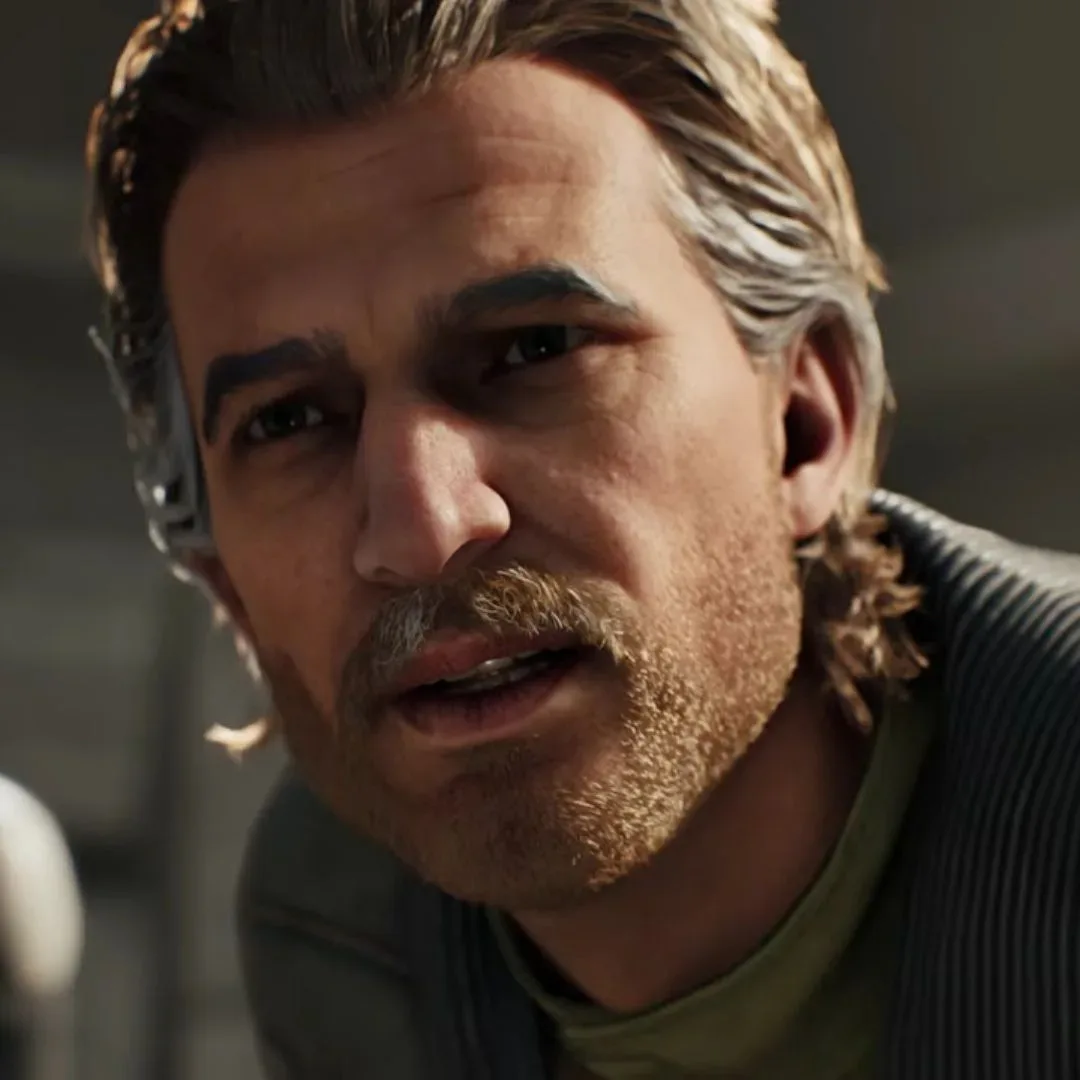
Star Wars Zero Company has received its first substantial post-launch update, and it is a broad repair job for the tactical game rather than a narrowly focused hotfix. Bit Reactor’s patch notes cover roughly 60 issues across stability, performance, visuals, customization, the databank, strategy systems and tactical play. For a game built around carefully planned missions and consequences that can stretch far beyond a single turn, the emphasis on reliability is particularly welcome.
The biggest items sit near the top of the list: fixes for a range of crashes and for visual stutters. Neither category is especially glamorous, but both can be ruinous in a tactics game. A crash can interrupt a long encounter just as a plan comes together; stuttering can make a battlefield harder to read at the exact moment a player is weighing movement, positioning and risk. The update is designed to make the basic act of playing more dependable before getting into its many smaller corrections.
Beskar mode receives some badly needed attention
The patch also focuses on Beskar mode, Zero Company’s high-stakes option that permits only one save and treats the death of a critical character as the end of the run. That structure creates the kind of tension tactical-game players often seek out: every decision matters because there is no safety net of branching saves to erase a disastrous result.
It also means technical problems carry far more weight than they would in a standard campaign. The update addresses a recurring crash in Beskar mode as well as an issue in which saves could be temporarily deleted. Even when a save returns, a system behaving that way is exactly the sort of thing that can make players reluctant to continue an ironman-style run. A mode built around permanent consequences needs the game’s own systems to be dependable, not another enemy to outmaneuver.
There is an important distinction here. The listed change concerns saves being temporarily deleted, not a claim that every affected save was permanently lost. But the fix still matters because uncertainty around progression is a major frustration in any campaign-driven game, especially one where players invest time in a single ongoing run. Stability work may not change the fantasy of commanding a Star Wars squad, but it makes the intended stakes feel fairer.
A setting to try for GTX 10-series and RTX 20-series owners
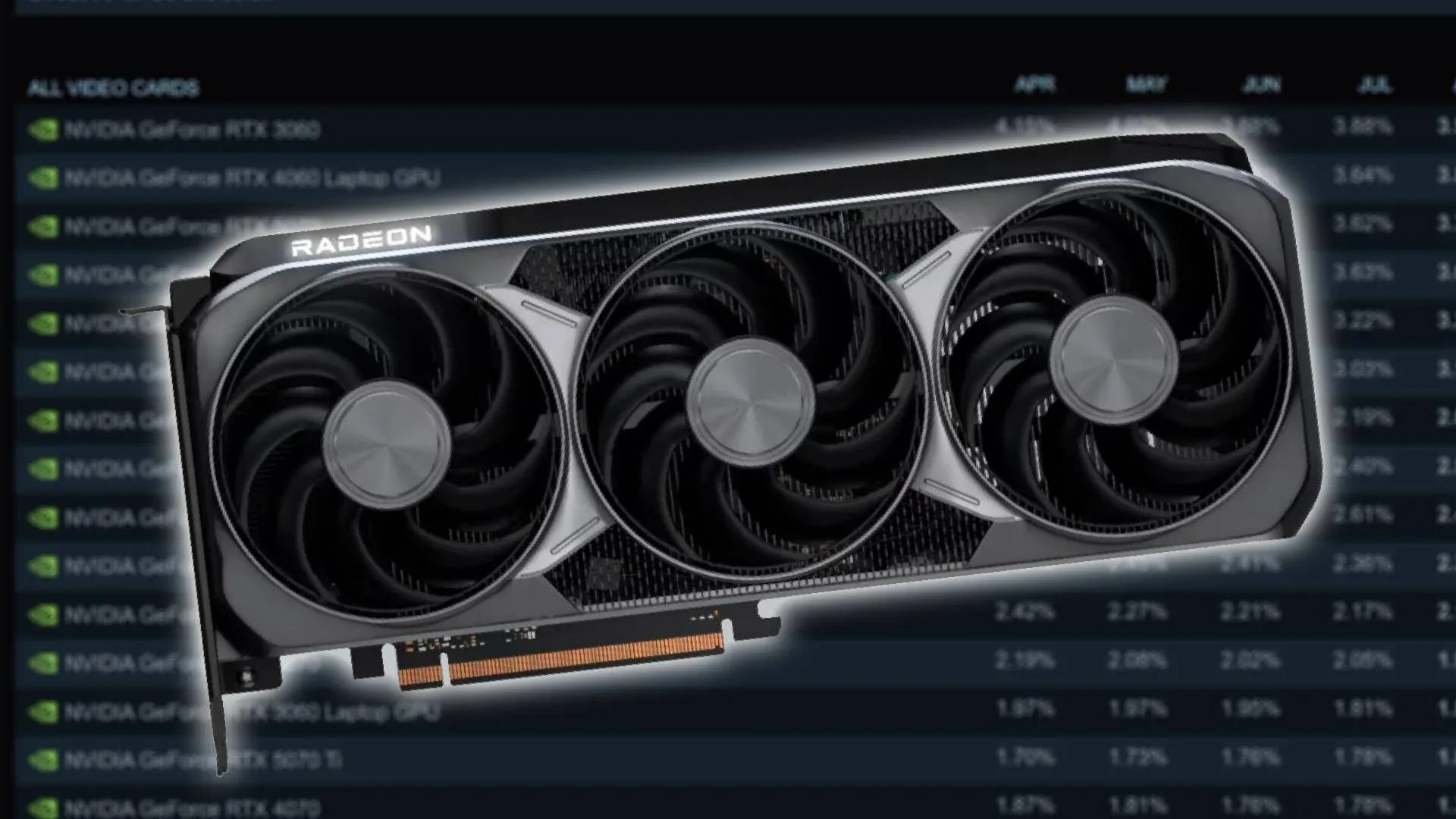
One of the most practical notes is aimed at players using Nvidia GTX 10-series or RTX 20-series graphics cards. Bit Reactor indicates that changing a particular video setting can improve overall frame rates on those GPU families: set Environment Geometry Detail to Off.
This is not presented as a universal cure for every performance issue or every PC configuration. It is a targeted suggestion for people whose machines fall within those two graphics-card generations and who are seeing poor frame rates. Still, it gives affected players a clear first troubleshooting step that does not require waiting for another patch. The setting may reduce environmental detail, but a steadier frame rate can be a worthwhile trade in a genre where clean visual information and responsive navigation are more useful than ornamental scenery.
Players should approach it as a single-variable adjustment. Turn Environment Geometry Detail off, assess whether performance improves, and decide whether the visual compromise is acceptable. Performance can be influenced by many parts of a system and by the specific mission being played, so the patch note is best understood as a useful option rather than a guaranteed fix. It is nevertheless encouraging to see the update identify a setting that could assist owners of older, still widely used Nvidia hardware.
Related coverage includes Star Wars Zero Company Patch Targets Crashes, Stutters and Beskar Save Problems.
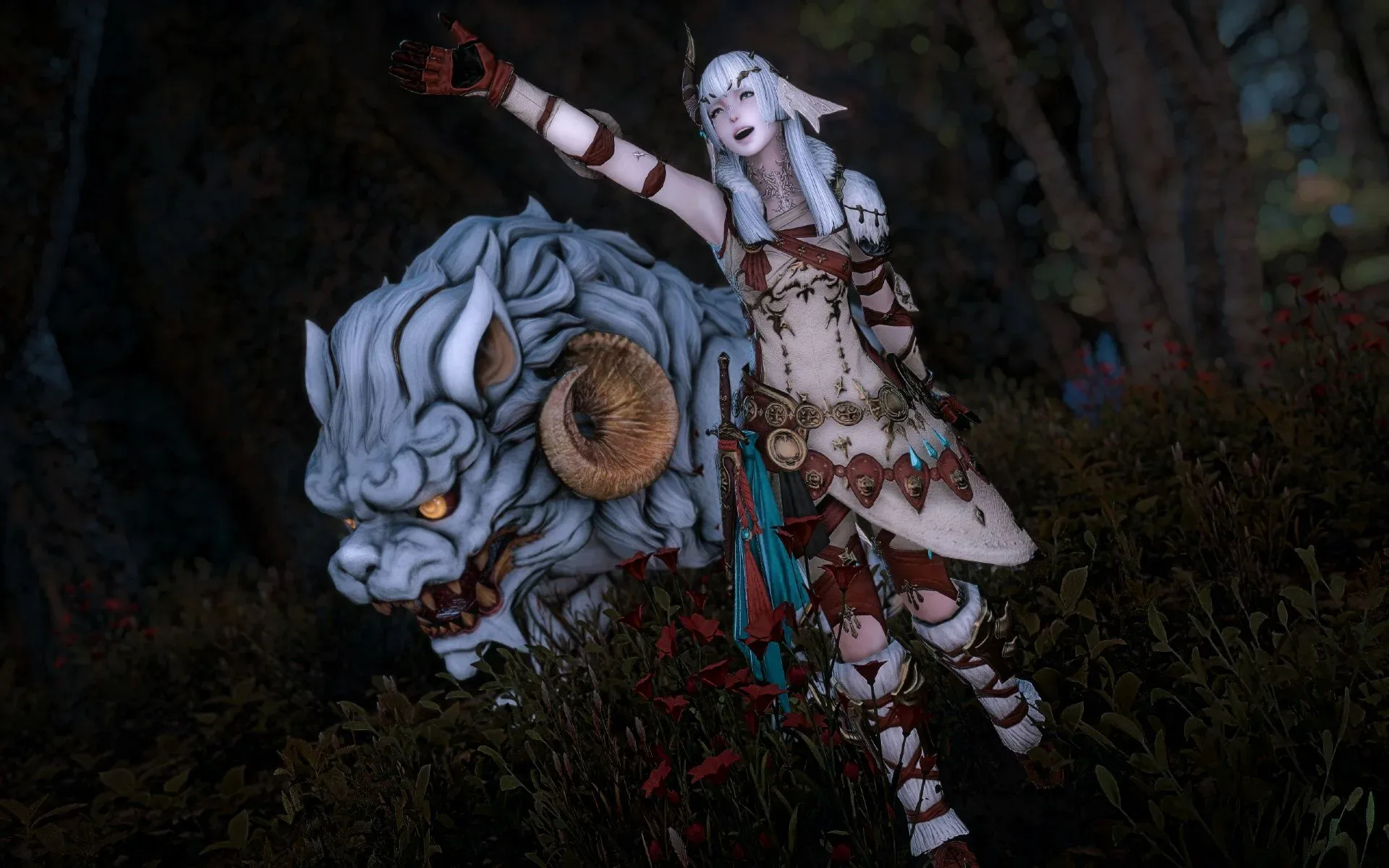
PC players following other live game updates may recognize the pattern: stability fixes and clear configuration guidance often matter just as much as new features during the first stretch after launch. Recent patch coverage such as Final Fantasy 14’s Patch 7.56 Beastmaster update shows how differently games can define a major update, but Zero Company’s immediate priority is plainly technical cleanup.
Small interface and mission-flow changes add up
Beyond the headline crash and performance work, the update contains fixes spread across several parts of the game. Customization, databank entries, strategy-layer functions and tactical encounters all receive attention. That breadth is significant. A patch that touches multiple systems suggests the team is addressing the practical friction players can meet throughout a campaign, rather than focusing solely on one troublesome mission or one platform-specific failure.
Two listed changes are small on paper but easy to understand in use. In the Weapons Mod menu, using the back option will now close the tutorial. That should make the interface less awkward when a player simply wants to leave that guidance screen and return to managing equipment. It is a modest quality-of-life change, yet menu behavior is encountered repeatedly in a tactics game. A tiny inconvenience repeated across a campaign can become disproportionately irritating.
The final battle in Tel-Rea’s hero mission has also been adjusted so that success is awarded at the end of the final enemy’s turn rather than occurring too early. Mission-ending logic can sound technical, but timing is part of the drama in a turn-based encounter. Players expect an objective to resolve when the encounter has genuinely reached its endpoint. Letting that last enemy turn finish should make the scenario’s conclusion follow the intended sequence instead of cutting it short.
Why this type of patch matters for a tactics game
Turn-based tactics is a genre of compounding decisions. A player may spend considerable time choosing a route, setting a squad’s formation, modifying weapons, studying enemy positions and committing to a move that cannot be casually undone. Problems that interrupt those choices—whether crashes, stutters, interface snags or unreliable save behavior—do more than create a momentary annoyance. They undermine confidence in the campaign’s rules and consequences.
That is why the Beskar fixes deserve to be viewed alongside the larger stability work. The mode asks players to accept stringent rules: one save, meaningful deaths and a run-ending loss when a critical character falls. Those are compelling constraints when the game enforces them consistently. They are far less appealing if a crash or unexpected save issue could muddy the outcome. Correcting those bugs helps separate intended difficulty from technical misfortune.
The update does not promise a transformed game, nor does its patch list establish that every technical concern has been eliminated. “Various” crash issues and visual stutters being fixed is welcome wording, but it is not the same as saying no further crashes or performance problems can occur. Players who encounter remaining problems should keep that uncertainty in mind. The scale of the listed fixes, however, makes this a meaningful early step toward a smoother campaign experience.
The update arrives amid concern about Bit Reactor’s staffing
The patch lands after reports that a large portion of Bit Reactor’s staff had been furloughed before Zero Company launched, amid reported financial pressure. Those reports indicated that employees could potentially return if the game succeeds. That background gives the update extra significance: it demonstrates active post-launch support at a time when the studio’s staffing situation has raised understandable concern.
It would be premature to treat a single patch as an answer to the studio’s broader circumstances, or to assume anything about future staffing decisions. What can be said is that this release tackles a substantial list of player-facing issues soon after launch. Fixing crashes, stutters and progression-related problems is foundational work, and it is especially important for a tactics title asking players to commit to long, consequential campaigns.
For existing players, the clearest takeaways are straightforward: install the update, pay particular attention to any Beskar mode behavior that had caused trouble, and—if using a GTX 10-series or RTX 20-series card—try disabling Environment Geometry Detail if frame rates have been disappointing. The rest of the patch’s wide-ranging corrections may be less visible individually, but together they are intended to make Zero Company’s strategic planning and tactical combat feel less interrupted by the sort of bugs no squad can outflank.