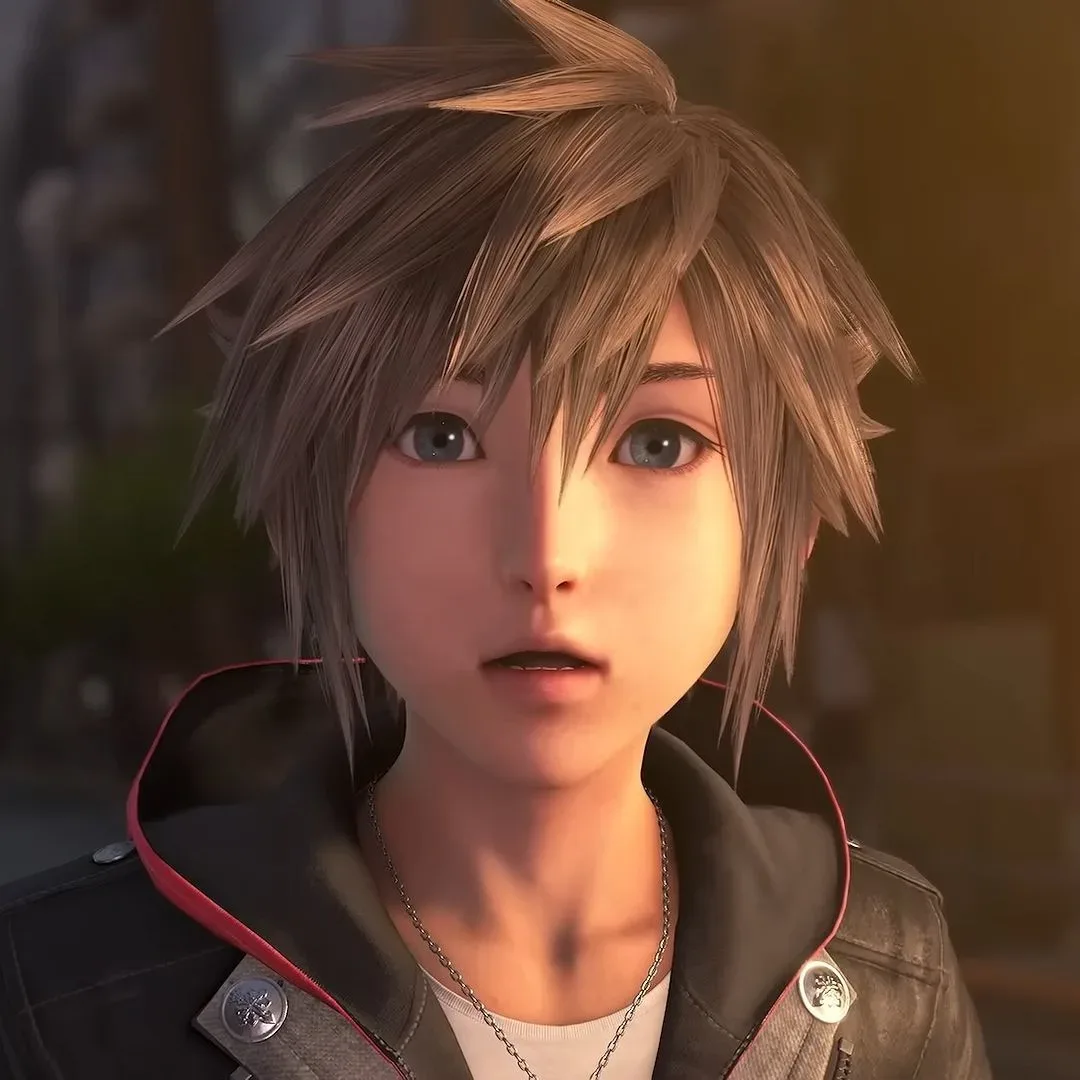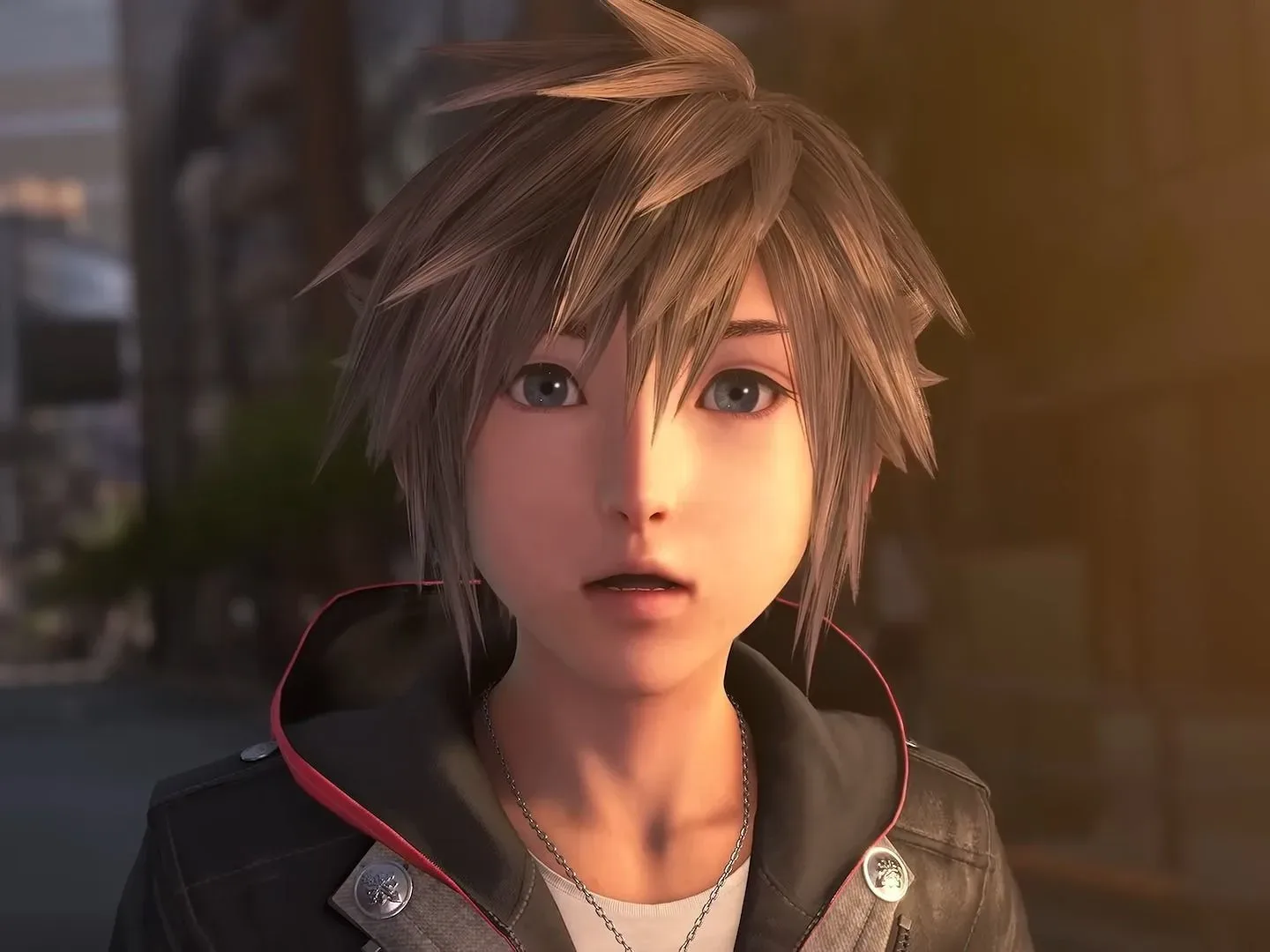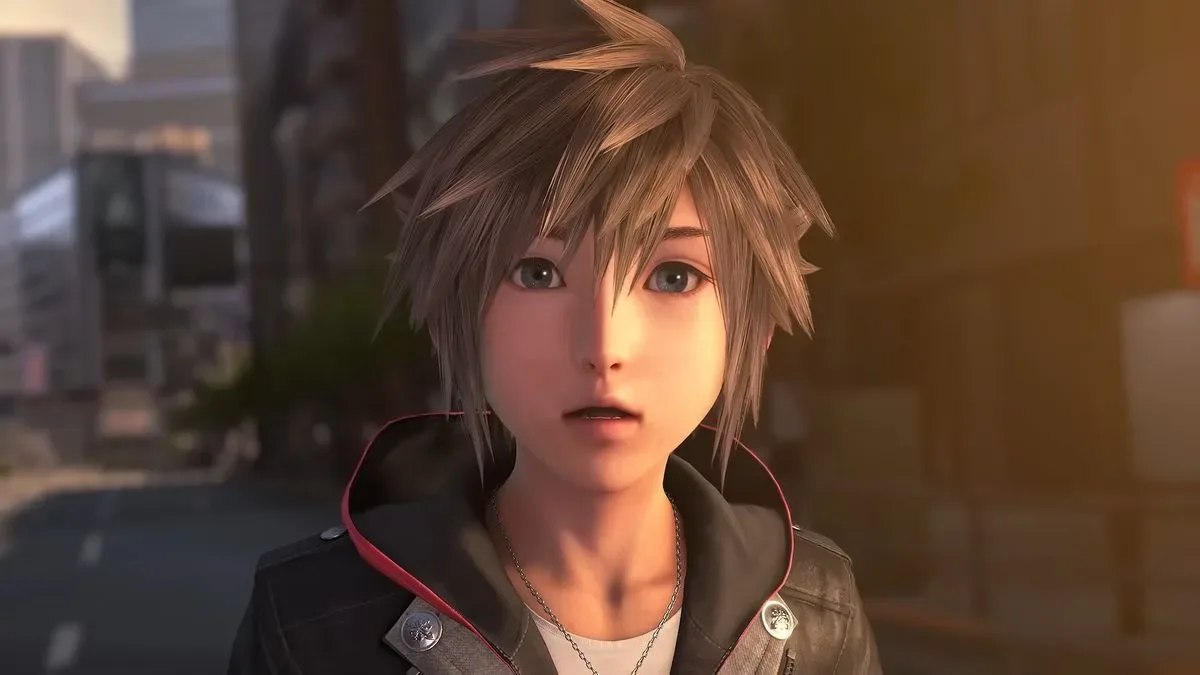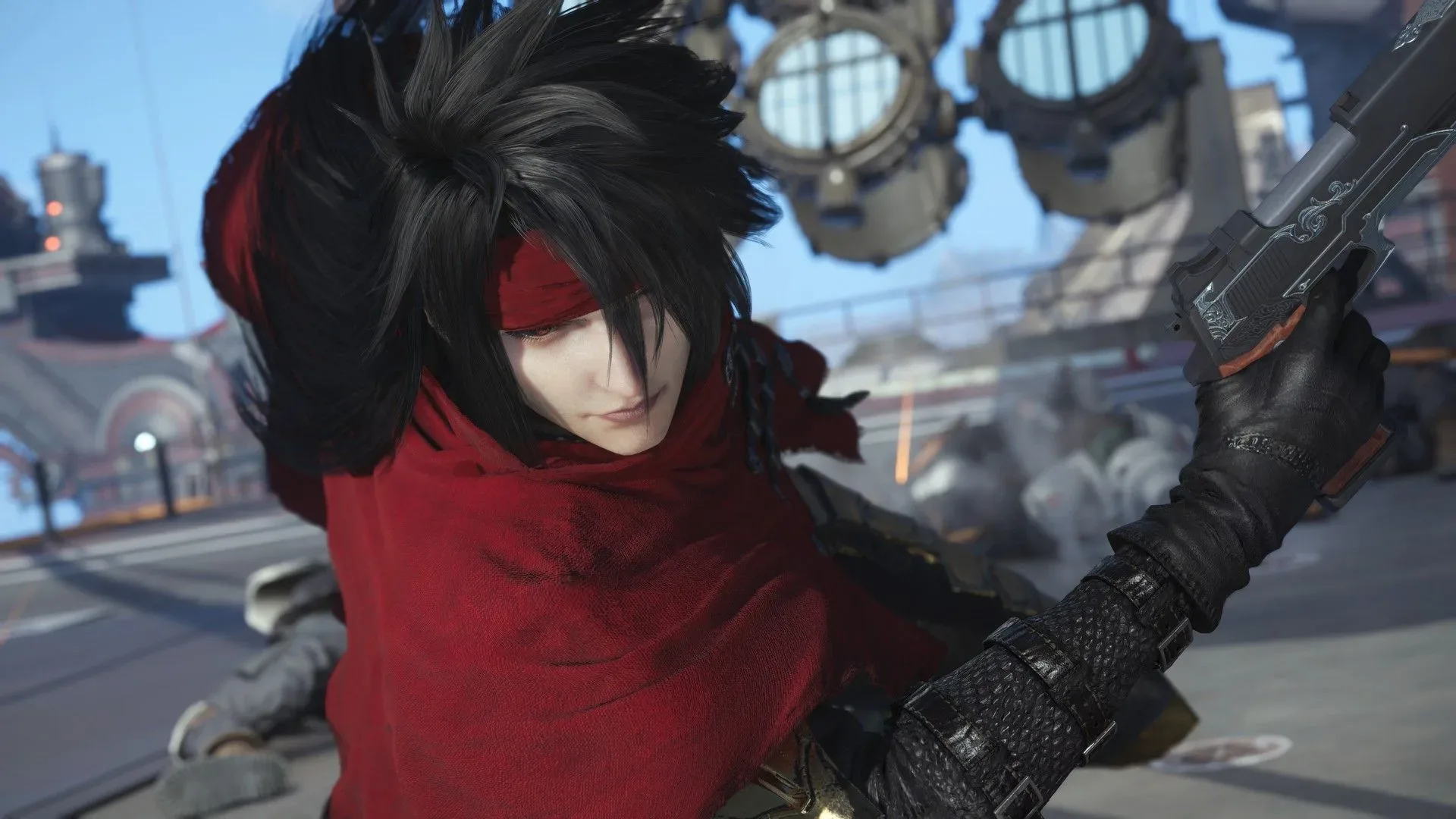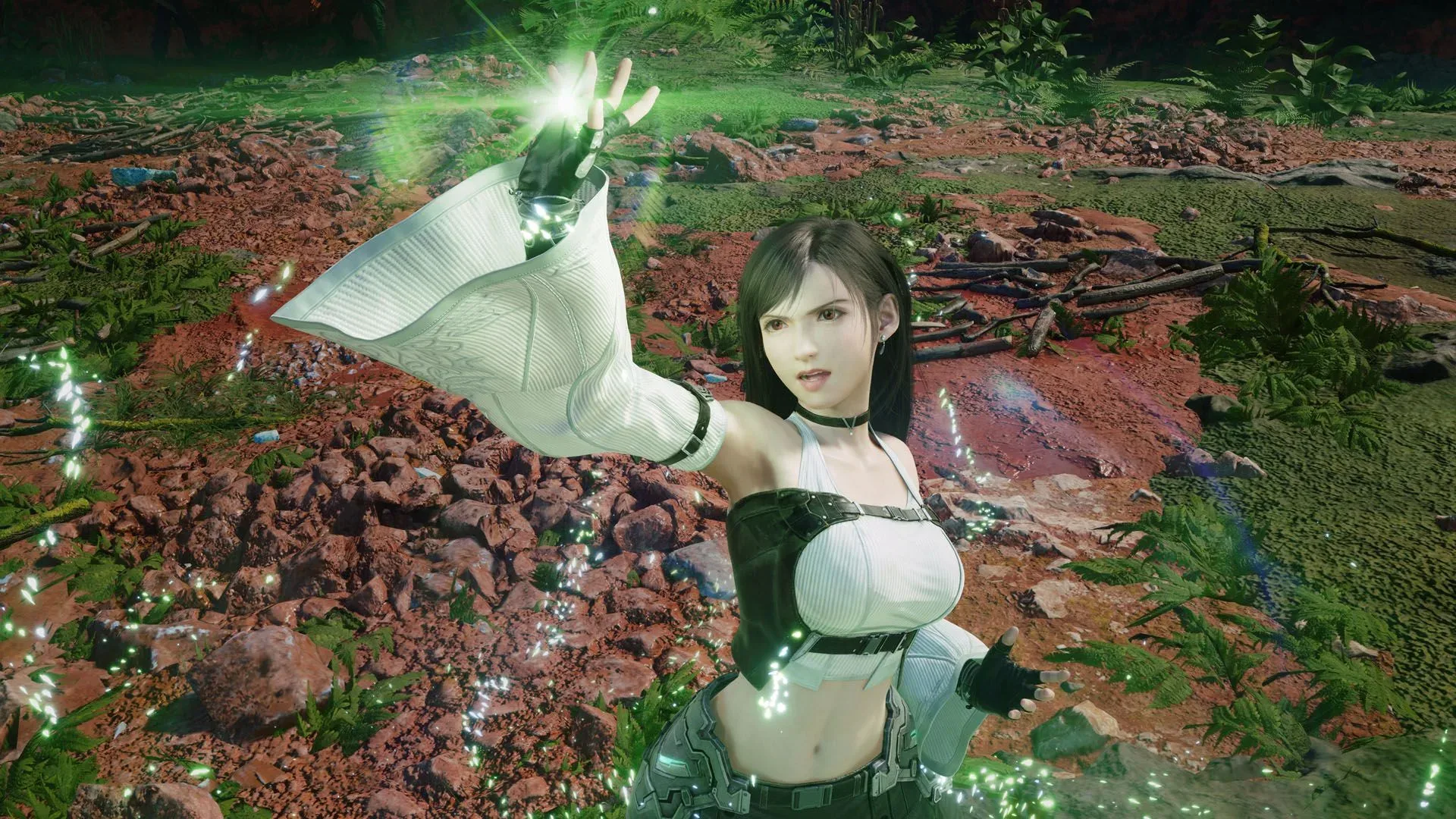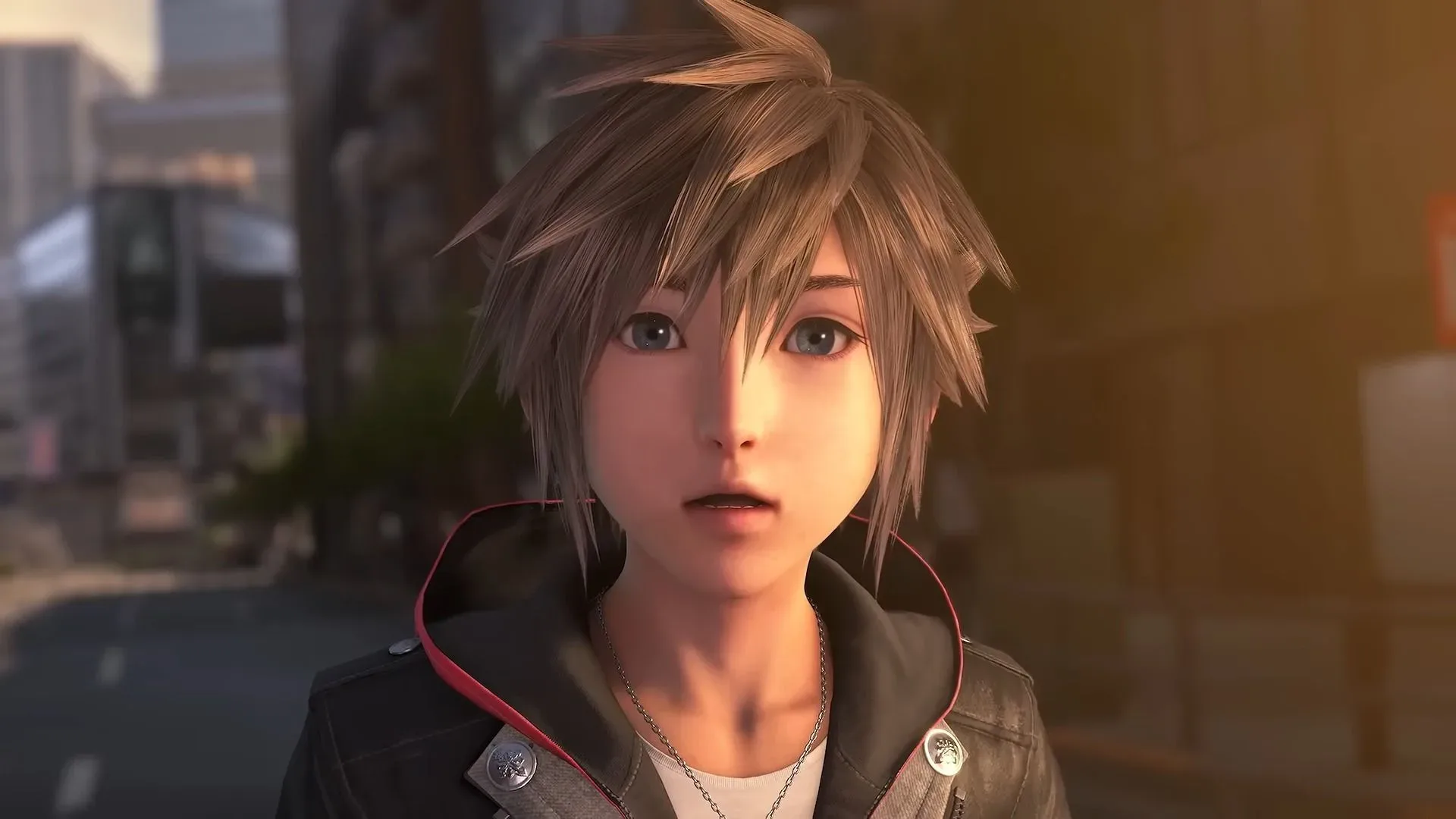
Square Enix says anticipation for Final Fantasy 7 Revelation and Kingdom Hearts 4 is doing more than building a launch-day audience for its 2027 releases. The company says news around those major games, paired with targeted marketing and price promotions, has helped lift sales of its older releases.
In financial results covering the first half of its financial year, Square Enix president Takashi Kiryu said sales were almost twice the level recorded at the comparable point in 2023, before the company began its medium-term business plan. He specifically connected stronger catalog performance to promotional activity coordinated with information releases for major upcoming titles, including Revelation and Kingdom Hearts 4.
“Combining price promotions and marketing initiatives, with the help of data, in step with the release of information about major titles such as Final Fantasy 7 Revelation and Kingdom Hearts 4 has led to higher catalog title sales.”
What “catalog titles” means here
A publisher’s catalog is its backlist: games already released rather than brand-new launches. That can include relatively recent entries, remasters, compilations and older installments that are newly accessible on additional hardware. Catalog revenue matters because it gives a company ways to benefit from attention between major releases, rather than relying only on the sales spike that surrounds a new game’s debut.
The important distinction is that Square Enix is not presenting the sales lift as a mysterious wave of nostalgia alone. Its stated approach combines three moving parts:
- Information about future tentpole games: New details on Revelation and Kingdom Hearts 4 can encourage players to revisit earlier stories or finally begin franchises they missed.
- Price promotions: A sale can lower the barrier for newcomers facing long-running series with multiple entries.
- Data-supported marketing: This suggests the company is using audience and sales information to decide when and how to surface its back catalog alongside major news beats.
That combination is more deliberate than simply discounting everything in a publisher’s library. The strategy described by Kiryu is about timing: put a franchise back in front of customers when there is a fresh reason for people to care, then make an accessible entry point easier to buy.
Why these two series are especially suited to a catalog push
Final Fantasy 7 Revelation and Kingdom Hearts 4 are both future-facing releases in series with substantial histories. For prospective players, a new reveal can raise immediate practical questions: Which earlier games matter? Is there a convenient way to catch up? Are the games on the console they already own?
Square Enix has had answers to some of those questions through recent platform releases. This year brought Final Fantasy 7 Remake and Final Fantasy 7 Rebirth to Nintendo and Xbox consoles. The company also released a package bringing the Kingdom Hearts games together, announced alongside confirmation that Kingdom Hearts 4 remains in development.
Related coverage includes Square Enix Says 2027 Heavyweights Are Boosting Sales of Its Older Games.
The Kingdom Hearts release is particularly significant for Nintendo players. It marked the first time the full franchise was playable on Nintendo consoles outside cloud versions. A cloud version runs through remote servers rather than entirely on the buyer’s local hardware; in practice, the experience depends much more heavily on a stable internet connection. A native or locally run release removes that particular complication for players who want a straightforward way into a famously interconnected series.
These releases give the marketing message a useful destination. It is one thing to remind audiences that a sequel is coming; it is another to offer previous chapters on the platforms where that audience is already playing. In that sense, the catalog boost is not merely a measure of excitement. It also reflects whether players can act on that excitement without changing ecosystems or hunting down scattered installments.
The multiplatform test is already underway
The sales comments arrive as Square Enix’s multiplatform direction becomes more visible. Bringing Final Fantasy 7 Remake and Rebirth to Nintendo and Xbox, while making the broader Kingdom Hearts library available on Nintendo hardware, expands the potential pool of buyers for games that had previously been tied more closely to particular platforms.
“Multiplatform” is often used loosely, but its commercial meaning is simple: releasing a game across more than one hardware ecosystem. The advantages are reach and a longer runway for older games. A player who never owned the original release platform may now be able to enter through a current console. For a franchise with years of story and multiple releases, each newly supported platform is also a potential audience for the back catalog.
There are limits to what can be concluded from the company’s statement. Square Enix says its combined promotions, marketing and release-timed information contributed to higher catalog sales; it does not provide a title-by-title sales breakdown, nor does it isolate exactly how much of the increase came from each campaign, each discount or each platform launch. That means it would be premature to declare a single game or one console release the decisive cause.
Still, the direction is clear: Square Enix sees franchise announcements, catalog accessibility and pricing as connected tools rather than separate business activities. That is a practical response to the reality of series that can feel intimidatingly large to new customers.
Anticipation can turn into a catch-up cycle
For Final Fantasy 7, the sequence is relatively easy to understand. Revelation is positioned as part of the ongoing remake project, while Remake and Rebirth are now reaching Nintendo and Xbox audiences. New story information can make those available entries feel newly urgent, especially for players who want context before the next installment.
Kingdom Hearts presents a different, more complicated catch-up proposition. Its history spans many games, and access has not always been uniform across platforms. A comprehensive package on Nintendo consoles changes the practical question from “Where can I play these?” to “Where should I start?” That does not eliminate the series’ complexity, but it does make a publisher’s marketing push considerably easier to follow.
For consumers, this may be the useful takeaway from Square Enix’s figures: major sequel news often creates the best time to check whether prior entries have become available on a preferred platform or have been included in a promotion. It does not mean every older game is required homework. Rather, it means publishers are increasingly treating the launch calendar as an opportunity to help players choose an entry point.
For Square Enix, the value is broader than a single transaction. A player who starts with a discounted older title can become a prospective buyer for a future release, a compilation or another game in the same franchise. The company’s comments suggest it is trying to build that progression intentionally, using data to match marketing activity with moments when consumer curiosity is highest.
A stronger result, but not a complete scorecard
The reported near-doubling of sales compared with the corresponding point in 2023 is a notable result, particularly because Square Enix has tied it to the period after the start of its medium-term plan. Yet the available statement does not establish that every element of the company’s strategy has succeeded equally, or that the same approach will work for every franchise.
Catalog sales can rise for several overlapping reasons: new hardware availability, discounts, franchise publicity, a better-known sequel on the horizon and simple timing. Square Enix’s own framing acknowledges that overlap. The company is describing a coordinated campaign rather than claiming a single trailer or announcement directly transformed sales.
That nuance is useful when evaluating the multiplatform strategy. Wider availability can create opportunity, but availability alone does not automatically make people buy older games. The stated result depends on pairing access with a reason to revisit the series and a price or message that makes the decision easy.
Console competition remains part of the business backdrop even as publishers pursue wider releases. For related perspective on how the industry’s platform relationships have long been discussed, see this look at Ken Kutaragi’s view of PlayStation and Nintendo’s history.
Square Enix’s latest comments therefore offer a measurable early sign of how its present approach is intended to work. High-profile 2027 games are creating attention now; older Final Fantasy and Kingdom Hearts releases give that attention somewhere to go; and marketing, discounts and broader platform support are being used to convert curiosity into catalog sales. Whether the momentum lasts will depend on future releases and continued access, but the company says the strategy is already producing a tangible lift.