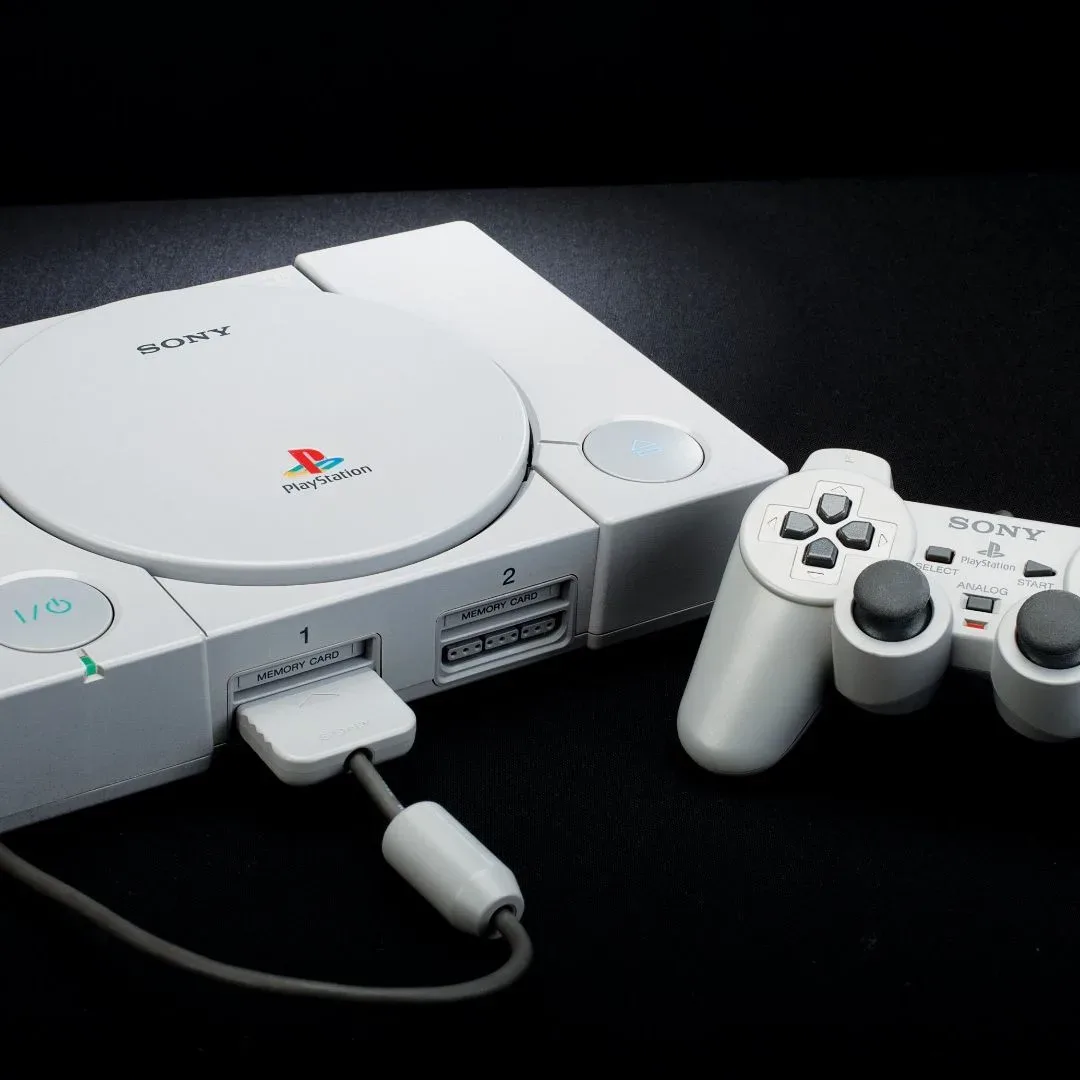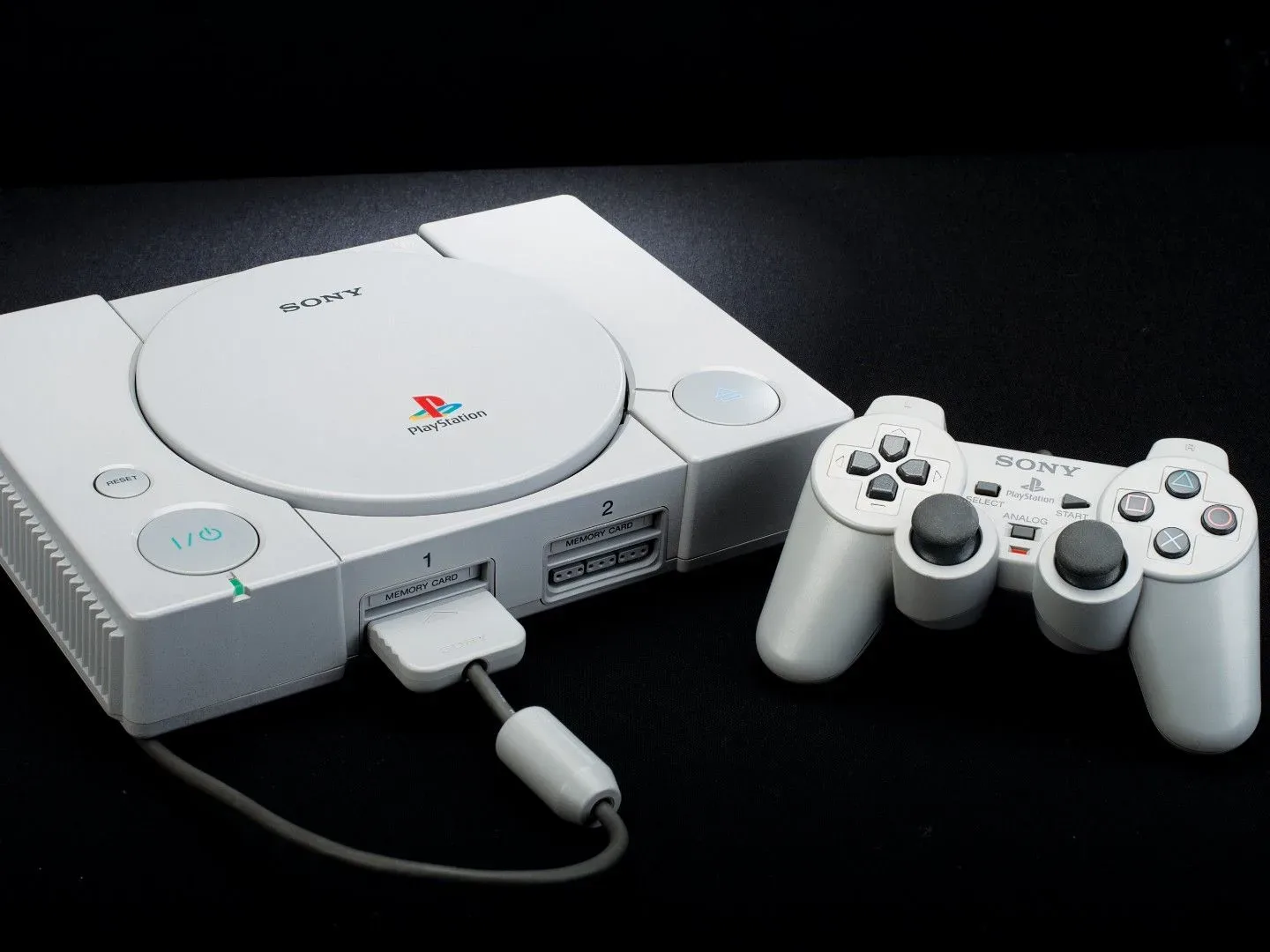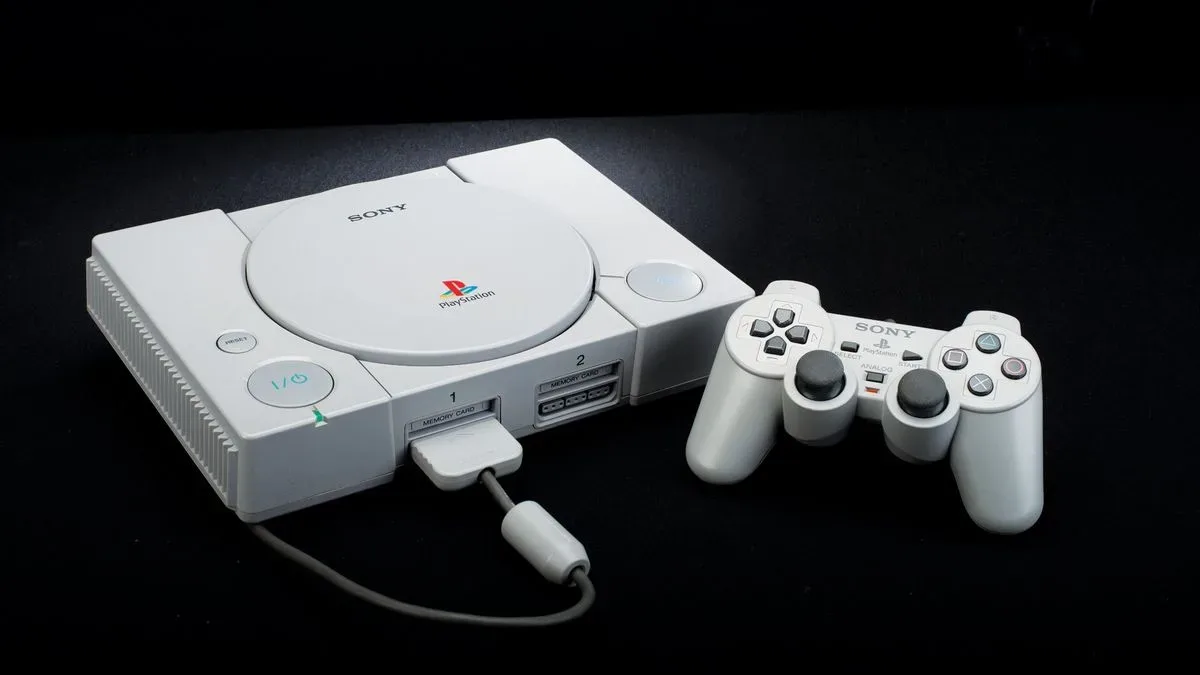
Few stories in video-game business history are retold as cleanly as the one in which Nintendo’s broken arrangement with Sony accidentally created the PlayStation. It is a compelling version of events: a public split, a wounded technology company and a new console that went on to beat Nintendo’s Nintendo 64 in the market. But Ken Kutaragi, the former Sony Computer Entertainment CEO widely associated with PlayStation’s creation, has pushed back hard on the most dramatic interpretation.
Speaking about the old relationship, Kutaragi said simply:
“I love Nintendo.”
He also rejected the idea that Sony built PlayStation as payback for its failed work with Nintendo. “Many of the media said, ‘Sony suffered a betrayal, they will take some revenge,’” Kutaragi said. “No. Totally no. We are all friends.”
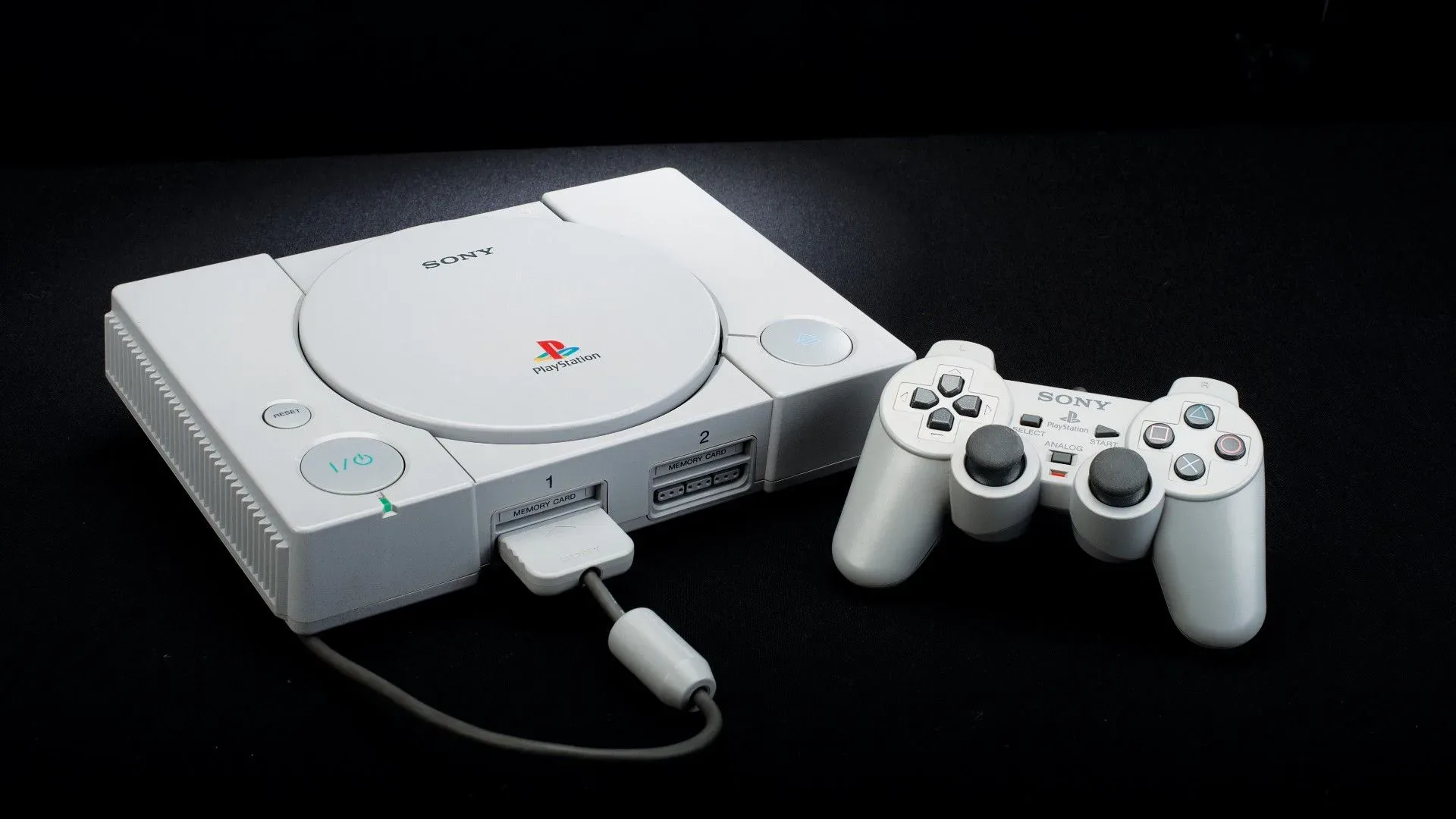
That does not erase the commercial consequences of the split. Sony did proceed with a standalone console business, with Kutaragi at the helm, and the original PlayStation ultimately sold more than three times as many units as the Nintendo 64. Yet Kutaragi’s account adds needed human context to an episode frequently compressed into a corporate-grudge narrative. His recollections describe sustained collaboration, personal friendships and technical work that predated the PlayStation brand.
A relationship that began before PlayStation
The Sony-Nintendo connection was not, in Kutaragi’s telling, limited to one ambitious CD-based project. He recalled work beginning with a proposed disk for the NES, then continuing with the sound chip used in the Super Nintendo Entertainment System. That is an important distinction: Sony was not suddenly entering games from a standing start when the PlayStation arrived. The companies had already spent time working together on hardware-related ideas.
Kutaragi described travelling by bullet train to Nintendo headquarters every week. The routine made him so familiar at the company that, he said, one staff member believed he worked there. He also called one of his Nintendo counterparts his best business friend and said he loved Nintendo games.
Those details do not turn the companies into a single harmonious entity; their eventual CD plans plainly did not remain aligned. They do, however, challenge the assumption that the people involved viewed one another solely as enemies. Business partnerships can end, product plans can change and companies can become direct competitors without every participant treating the outcome as a personal feud.
What the “Play Station” project was meant to be
Nintendo had been looking into a CD-based add-on for the SNES, a concept comparable in broad form to Sega’s CD peripheral. Sony and Nintendo’s collaboration was known as the Play Station. In plain terms, an add-on is hardware designed to extend an existing console rather than replace it: the base machine remains central, while the extra device is meant to add capabilities or support a different game format.
Related coverage includes Ken Kutaragi says PlayStation wasn’t Nintendo revenge.
For this project, the major format change was optical media. A CD-based system uses compact discs rather than only the cartridge-based approach closely associated with the era. The supplied history establishes the plan as a partnership, but it does not provide technical specifications, software plans or a final consumer release strategy. It is best understood here as a proposed direction rather than a finished retail platform.
The arrangement changed abruptly after Sony unveiled the collaboration. The following day, Nintendo announced a partnership with Philips for an SNES CD project. Sony then chose to pursue its own console path, leading to PlayStation.
That sequence understandably supplies the raw material for the “revenge” story. There was a high-profile change in direction, and Sony’s independent machine became an enormous rival to Nintendo. Kutaragi’s point is narrower but consequential: outcome is not proof of motive. A competitive result does not automatically mean the project was launched as retribution.
Why Kutaragi’s distinction matters
Calling PlayStation a revenge machine can make a complex business and engineering story easier to repeat. It gives the rise of a new console a neat emotional hook. The problem is that it can flatten both the pre-existing technical relationship and the choices that followed.
Kutaragi’s version emphasizes continuity. He was already frequently working with Nintendo; he had contributed to the SNES sound chip; and he had built close ties with people there. From that viewpoint, Sony’s decision to continue toward its own hardware was not necessarily an effort to punish Nintendo. It was a path forward after the original collaboration did not hold.
This is not merely semantic. Motive affects how the industry remembers the transition. “Revenge” suggests that PlayStation’s core purpose was to defeat a former partner. “Independent continuation after a partnership failed” suggests a company recognizing an opportunity and committing to a new hardware business. Both descriptions can acknowledge that Sony and Nintendo later competed intensely. Only one is supported by Kutaragi’s stated intention.
It is also worth separating a personal account from a blanket claim about every executive, contractual detail or internal debate at either company. Kutaragi is directly addressing the frequently repeated revenge framing and describing his own relationships and experience. His comments are valuable evidence about that perspective, but they are not a reason to invent further motives beyond what he said.
The competitive result was still historic
No reinterpretation of the emotional framing makes PlayStation’s impact smaller. The original PlayStation sold more than three times as many consoles as Nintendo 64. Sony’s later PlayStation 2 became the company’s most successful console, while every Sony home console except PlayStation 3 passed 100 million units.
Those numbers explain why the old partnership remains one of gaming’s defining what-if stories. The outcome was not a minor side project that vanished without consequence. Sony built a long-running console business, and the machine born after the split became a formidable competitor in the same market Nintendo occupied.
Nintendo, meanwhile, did not simply repeat the same hardware proposition after the Nintendo 64 and GameCube fell well short of Sony’s sales. The company moved toward more distinctive hardware with Wii and later Switch. That does not make its strategy a simple response to one rival—there are many decisions and years between those systems—but it highlights the ways competition can create different approaches rather than one uniform race toward the same kind of box.
For readers following Nintendo’s present-day ecosystem, our coverage of Pizza Boy Double Slice and Nintendo DS emulation on Google Play offers a separate look at how the company’s hardware legacy continues to shape game technology discussions.
Technical collaboration can outlive corporate alignment
Kutaragi’s reference to the SNES sound chip is a useful reminder that console history is built by more than brand rivalries. A console is a collection of components and systems: audio technology, storage formats, processors, controllers and software tools all matter. Companies can cooperate on one layer of a product while maintaining different priorities elsewhere.
In this case, the relationship described by Kutaragi moved across several layers: a disk proposal for NES, audio work for SNES and a CD add-on initiative. The eventual divergence was therefore significant precisely because the relationship had been substantial. It was not just the cancellation of an isolated experiment.
That background makes Kutaragi’s affectionate language toward Nintendo less surprising than it may initially sound. He is not discussing an abstract competitor from a distance. He is describing regular travel, recurring contact, colleagues and a familiarity with Nintendo games. The PlayStation story may have become synonymous with rivalry, but the people who experienced its earlier stages could hold a more complicated view.
A more useful way to remember the split
The most accurate short version may be neither “nothing happened” nor “PlayStation was revenge.” The Sony-Nintendo partnership changed course. Sony continued into the console market and found extraordinary success. Nintendo remained a major force and subsequently pursued distinctive hardware directions. And Kutaragi, despite acknowledging the media narrative around a perceived betrayal, says he did not see Nintendo as an enemy.
For fans, that framing is more interesting than the simplistic feud. It leaves room for the real stakes of a major partnership failing while recognizing collaboration, technical contribution and friendship. It also avoids treating the rise of PlayStation as inevitable. The business that produced the original PlayStation came after a proposed shared project went another way, but Kutaragi’s recollections suggest that the people and the companies involved were more intertwined than the legend allows.
In other words, the PlayStation origin story remains a turning point in console history. Kutaragi just does not want its central emotion to be revenge.