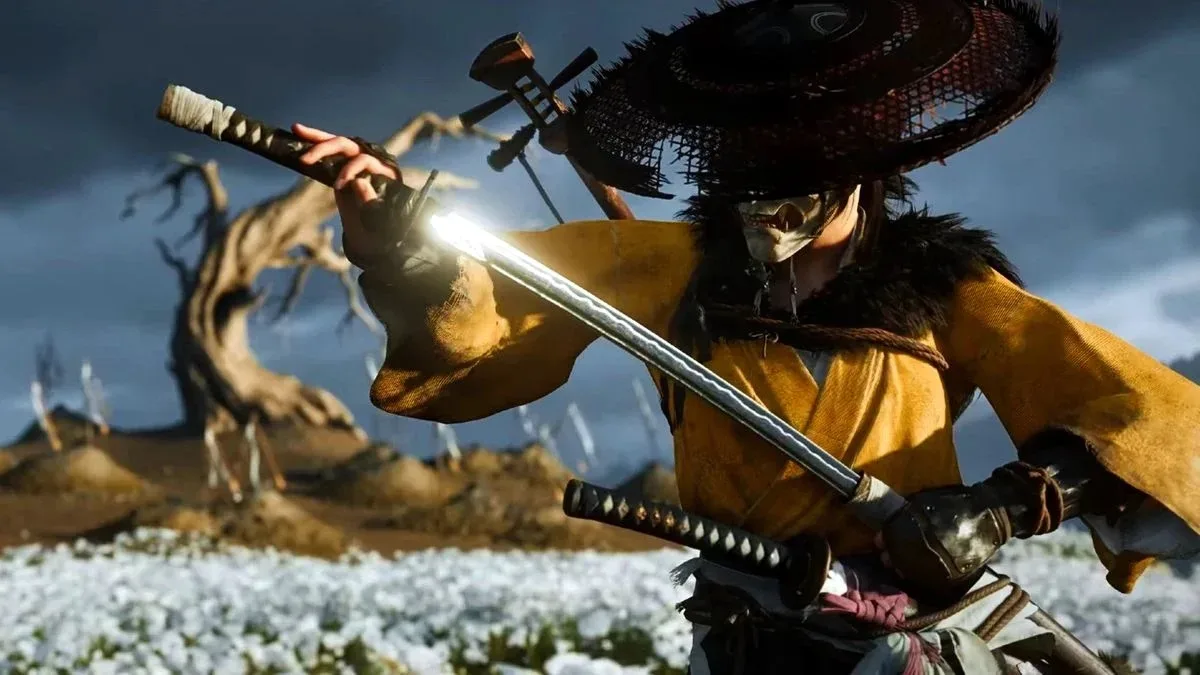
Sucker Punch Productions is reportedly laying off 26 people despite Ghost of Yotei selling more than 5 million copies since its launch last year. The reductions affect a notable portion of the studio’s reported workforce of roughly 229 people: about 11% if those figures are accurate.
That contrast is the core of the story. A game can be a major commercial success—Ghost of Yotei was described as Sony’s best-selling game of last year—while the studio behind it still loses jobs. For the people affected, sales headlines and corporate planning are plainly not the same thing as employment security.
What has been reported
An internal message to staff said several roles would be eliminated after leadership reviewed both wider “challenges in the market” and team requirements for Sucker Punch’s next project. The studio did not identify that project in the message, nor did it specify the departments or job disciplines affected.
“After carefully observing the challenges in the market and reviewing the team needs for our next project, we’ve decided to make some staffing reductions. Several positions across Sucker Punch will be eliminated as a result.”
The message also characterized the decision as difficult and said additional information about the studio’s future would be shared the following week. That promise is important, but it does not yet tell players what Sucker Punch is making next, how large the remaining team will be, or whether its development plans have changed.
In business terms, a staffing reduction is a cut to the number of roles a company funds. It is not automatically a judgment on the quality of the employees whose jobs are removed. Companies can make cuts because a project moves from one phase to another, because they want a smaller team for a new production plan, or because they are changing their assessment of costs and risk. The internal message points to market conditions and next-project staffing needs, but does not provide enough detail to determine which of those factors carried the most weight.
Why a sales milestone does not settle the question
More than 5 million copies sold is a significant result. But a sales total alone cannot reveal a game’s full financial position. It does not state development spending, marketing costs, distribution arrangements, post-launch support commitments, or the internal expectations set for the game. It also cannot explain a parent company’s broader staffing strategy.
That distinction is worth making without overstating what is known. It would be speculation to claim that Ghost of Yotei was unprofitable, or to identify a single cause for the layoffs, because no such explanation has been provided. The available information instead establishes a narrower, striking fact: reported commercial success did not prevent job reductions at the studio.
For players, the instinct may be to treat a blockbuster launch as a guarantee that the developers will be secure and quickly move onto another game at the same scale. The Sucker Punch situation is a reminder that game production is organized around more than a launch’s public reception or a unit-sales number. Staffing can be reassessed as a studio closes one chapter and prepares another.
The uncertainty around Sucker Punch’s next game
Sucker Punch’s message refers to “our next project,” but provides no title, genre, platform, release window, or indication of whether the work continues the Ghost series. Nothing in the reported material confirms a sequel, a new property, or the revival of an older franchise.
That leaves a large gap between what is known and what fans may hope for. Sucker Punch has a history beyond its recent samurai action games: it previously developed the inFamous and Sly Cooper series. Its acquisition by Sony came in August 2011, two months after inFamous 2 launched on PlayStation 3. Those past series explain why the studio’s future attracts so much interest, but they are not evidence of its current plans.
The practical read is simple: Sucker Punch is still preparing a next project, but its identity remains undisclosed. Any claim that the layoffs confirm a particular sequel, cancellation, or franchise direction goes beyond the information available.
A wider industry concern
The phrase “challenges in the market” is broad, and the reported message does not define it. Broad language is common in internal restructuring notices because it can cover many pressures without explaining each one. Here, the wording should be treated as a stated rationale, not as a complete diagnosis of the studio’s position.
Still, the report fits an uncomfortable pattern in the games business: workers can face instability even when the games associated with their teams perform well. That is why the Sucker Punch cuts will likely draw attention beyond one PlayStation studio. They raise questions about what level of success is considered sufficient to sustain teams, how studios are resized between projects, and how clearly companies explain those decisions to the people whose work made a hit possible.
Sucker Punch is not alone in facing scrutiny over workforce reductions across the industry. Readers tracking the broader picture can also see reporting on ongoing Xbox-related staffing changes. The particulars differ from company to company, but the recurring theme is that corporate restructuring can reach game teams even amid highly visible releases and recognizable brands.
What players should and should not infer
- Confirmed by the reported internal message: Sucker Punch is reducing staff, with 26 roles affected, and leadership connected the move to market challenges and next-project needs.
- Reported commercial context: Ghost of Yotei has sold more than 5 million copies and was Sony’s best-selling game last year.
- Not identified: the affected roles, the new project’s title or scope, and the precise financial or organizational reasons behind the cuts.
- Not established: that a specific game has been canceled, that the Ghost series is ending, or that the sales figure reflects the project’s complete profitability.
The most immediate reality is the human one: 26 people are reportedly losing their roles at a studio that recently released one of Sony’s biggest-selling games of the previous year. The next update from Sucker Punch may clarify its development direction. It cannot change the central contradiction the report has exposed—success at the register does not necessarily mean stability for the people who make the game.