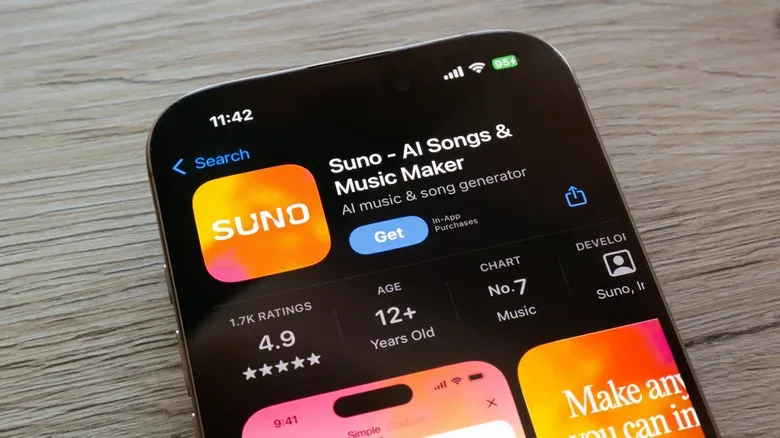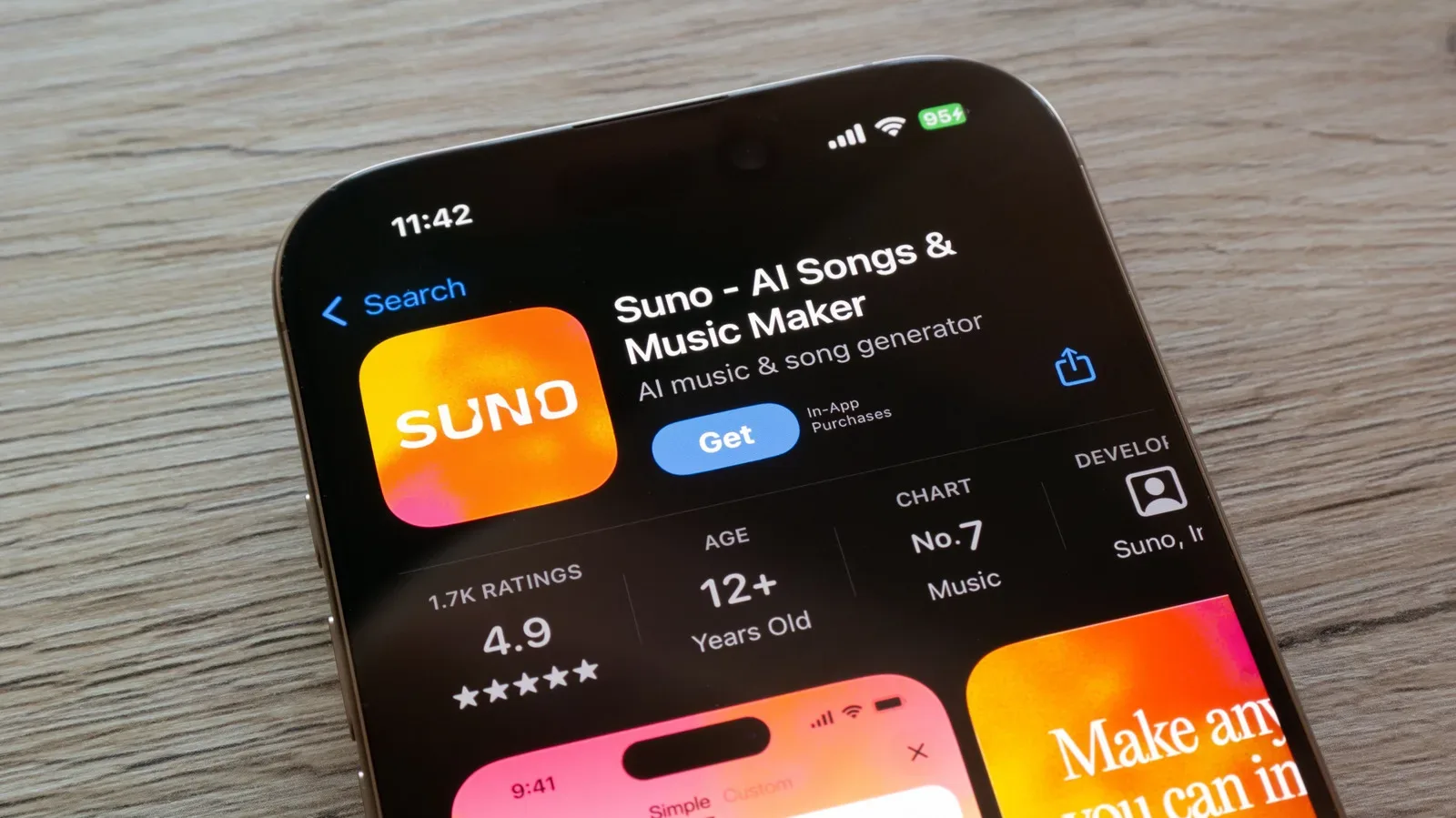
Sony Music Entertainment and Universal Music Group have brought a new copyright lawsuit against AI music generator Suno, challenging the company’s v6 models despite Suno’s licensing arrangements with Warner Music Group, BMG and Believe.
The central dispute is not simply whether v6 used licensed material. Suno says it did. Rather, the labels argue that v6 was also trained using interactions from Suno’s community, and that those interactions may incorporate the outputs and preference signals of prior Suno models allegedly trained with copied recordings. In the labels’ view, a newer system cannot become clean merely because it also draws from licensed inputs if part of its learning pipeline carries forward results derived from earlier unlicensed training.
It is an allegation, not a court finding. But it puts a sharp question before the legal system and the AI-music business: when a company retires older models and releases a licensed successor, what must it show about the data, outputs and feedback loops that connect the old system to the new one?
What Sony Music and UMG are alleging
The suit focuses on Suno’s public statement that its v6 lineup used licensed partner content alongside user interactions with the service. Sony Music and UMG interpret “interactions” as including creations made with earlier Suno models and signals reflecting which generated results users preferred.
In machine-learning terms, a preference signal is feedback that indicates which result a user selected, rated, reused or otherwise favored. Those signals can be valuable because they help developers identify the kinds of outputs users consider successful. The labels’ argument is that such feedback is not necessarily separate from the material that produced it. If an earlier model was built using recordings without authorization, they contend, outputs from that system and feedback attached to those outputs could bring the effects of that allegedly infringing training into v6.
That is the lawsuit’s “roundabout” theory. The complaint does not merely object to an AI service learning from direct copies of songs. It challenges an alleged chain in which earlier model outputs become material for a later model, potentially preserving information or patterns that the labels say should never have entered Suno’s systems.
Sony Music and UMG claim that at least 60,202 sound recordings are implicated. They argue that the potential statutory damages could reach as much as $9 billion under US copyright law. The complaint also seeks to attach liability of up to $2,500 per instance for alleged circumvention of YouTube’s anti-downloading technology in connection with song scraping.
Those numbers represent the labels’ claims and requested legal exposure, not a damages award. Whether any damages are available, how individual recordings would be counted, whether anti-circumvention provisions apply, and whether Suno is liable at all are issues that would need to be resolved in litigation.
Related coverage includes Sony Music and UMG Challenge Suno v6 Training in New Copyright Suit.
Suno says v6 was built with licensed partners and community input
Suno rejects the labels’ position, calling the claims flawed on both the facts and the law. The company says its purpose is to allow more people to create new music, and says v6 was trained on content licensed from partners, community creations and preference signals, plus the accumulated learning of its team.
The company has identified Warner Music Group, BMG and Believe as partners in the v6 launch. That matters because licensing is the music industry’s standard route for authorizing use of recordings and related material. A license can establish permission and define how covered material may be used. Yet this lawsuit shows why a licensing deal alone may not settle every question around a generative model: the scope of a license and the provenance of every other input can remain contested.
Provenance means the documented origin and history of an asset or piece of data. For AI systems, provenance is particularly significant when training can involve several layers: direct source material, model-generated outputs, user-uploaded or user-created works, ratings, and technical learnings taken from prior development. The labels’ position is essentially that v6’s claimed licensed foundation must be examined alongside those other layers.
Why the distinction between old and new models matters
Before v6, Suno defended scraping music for AI training as fair use. Fair use is a legal doctrine that can, in limited circumstances, permit use of copyrighted works without permission. It is not a blanket exemption; whether it applies depends on the facts and legal analysis in a particular dispute.
Suno has since ended support for its older models while moving forward with v6. On its face, that is a meaningful product-line shift: the company is now emphasizing models it says were trained with licensed partner content. The suit argues that the transition is incomplete if v6 benefited from interactions rooted in the old systems.
This distinction is consequential because AI models do not have to be trained only once, in one isolated event. Developers may refine a system, evaluate outputs, use generated material in later processes, and collect feedback from users over time. The labels’ theory takes aim at that continuing development cycle. If it gains traction, AI companies may face greater pressure to map not only the datasets they acquired directly, but also the lineage of generated outputs and behavioral data used after deployment.
Conversely, Suno’s defense is likely to turn on the actual nature of v6’s training process, what “interactions” specifically contributed, and whether the connections alleged by the labels are legally sufficient to establish infringement. The company’s broad statement that v6 used licensed material and community signals leaves room for a detailed factual fight over those systems.
The earlier lawsuit and the reported data breach
The new action builds on prior litigation brought by Sony Music, UMG and Warner Music Group against Suno. It also arrives after a July 2026 hack of Suno data reportedly indicated that the company scraped millions of songs and lyrics from services including YouTube Music, Deezer and Genius to train earlier models.
That reported breach is important background to the labels’ present argument, but it does not itself decide what happened inside v6 or what the court will conclude. The new complaint instead appears designed to connect Suno’s older, contested development history to the current commercial model lineup.
For artists, labels and users of AI music tools, that makes the case more than a dispute about one training dataset. It tests whether model transitions and licensing partnerships can draw a meaningful legal boundary around newer products when older systems remain part of the alleged technical lineage.
What the lawsuit could mean for AI music products
The immediate practical implication is uncertainty around a common industry message: that a newer model can be marketed as licensed or rights-conscious while drawing on a service’s prior user activity. If the court accepts the labels’ reading of Suno’s process, companies may need more rigorous separation between legacy-model output, subsequent user feedback, and training used for a new generation of products.
- For AI developers: The case underscores the value of records showing what data entered a model, under what permission, and whether older outputs were excluded from later training.
- For music-rights owners: It presents a possible framework for challenging indirect uses of allegedly unauthorized material, rather than focusing only on an initial scrape.
- For creators using AI tools: Product claims such as “licensed” may describe an important part of a model’s input, but litigation can still examine the broader development pipeline behind that claim.
- For licensing negotiations: Agreements may need to address not just raw recordings, but generated derivatives, user feedback and the reuse of outputs across model generations.
None of this means that every AI system trained with user feedback is necessarily unlawful. The key questions are factual and legal: what exactly was used, how it was used, whether it is tied to protected recordings, what authorization existed, and whether defenses apply. This case puts those questions directly at the center of the AI-music conversation.
It also lands during a broader moment in which music remains inseparable from human authorship, performance and production choices. Projects such as Jamie xx’s live electronic score for Doug Aitken’s “Lightscape” installation illustrate the distinct artistic contexts in which recorded and composed music continues to matter. Generative systems may create new routes into music-making, but the rights and relationships surrounding the work used to develop those systems remain a live issue.
For now, Suno maintains that v6 was developed through licensed partnerships and community-driven learning, while Sony Music and UMG argue that the model carries forward the consequences of earlier alleged copying. A judge’s eventual treatment of that divide could influence not only Suno’s v6 strategy, but the standards AI music companies use when moving from contested training practices toward licensed catalogs.