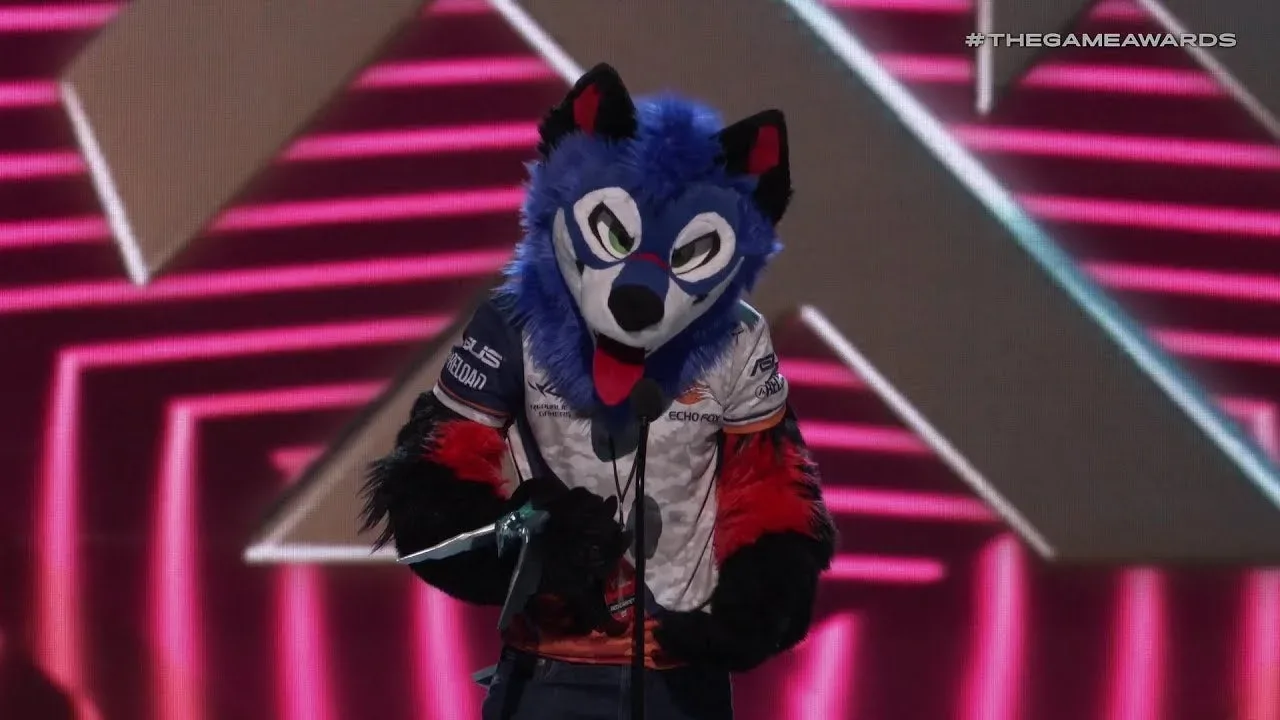
Dominique “SonicFox” McLean will no longer attend Nexcon 2026 after promotional material for the convention used an AI-generated version of the fighting game competitor’s likeness.
SonicFox said on X that their contract had been terminated and that they were no longer attending. The disputed flyer appeared to be generated with AI throughout, including stylized depictions of other creators expected to be involved with the event.
The withdrawal places a very direct boundary around an issue that convention organizers, game-adjacent brands, and creators cannot afford to treat as a harmless shortcut: using a person’s image in marketing is not merely an aesthetic choice. It is part of the professional relationship between an event and the people it is asking audiences to support.
What happened with Nexcon 2026
Nexcon 2026 is described as a gaming, anime, and creator-focused convention in Norman, Oklahoma, organized by Ninjutsu Entertainment. After SonicFox’s cancellation became public, Ninjutsu Entertainment co-founder Ty Bailey posted a video acknowledging that generative AI had been used to make the flyer and accepting responsibility for that decision.
Bailey said he and his business partner did not like the technology, but argued that their work on the convention had left them without money to commission artists. He also pointed to the demands of organizing the event while both partners held day jobs of more than 40 hours per week, their inexperience running a convention, and difficulty securing artists after the organization had already begun using generative AI.
Those explanations supplied context, but they did not change SonicFox’s decision. Bailey asked SonicFox to reconsider and said the convention would continue, adding that the event needed them. SonicFox’s reply was notably measured: they said they could hear remorse and forgave Bailey, while maintaining that the consequences of the decision meant they would not attend.
“Use the money you offered me in contract to hire artists, and maybe next year I’ll reconsider,” SonicFox wrote.
That response separates forgiveness from reinstatement. An apology can be received as sincere without obligating the affected person to restore a professional arrangement, resume an appearance, or lend their name to a promotion they no longer trust.
Why the flyer was more than a bad visual
“Generative AI,” often shortened to genAI, refers here to software used to produce new images from prompts or other inputs. In this case, the outcome was convention advertising that represented real creators through generated artwork rather than commissioned work.
Promotional art does several jobs at once. It establishes an event’s visual identity, signals who is associated with it, and helps potential attendees decide whether to buy in. When that material includes a recognizable guest or creator, it also draws on that person’s reputation and audience relationship. The issue is therefore not limited to whether a generated image looks polished, strange, or obviously artificial.
For a guest, likeness-based advertising can carry an implied endorsement. Fans who see a competitor or creator on an event graphic may reasonably read it as a sign that the person approved the promotion and is participating under terms they are comfortable with. If the subject objects to the method used to create that image, the marketing can become a mismatch between what the organizer has published and what the guest wants their public association to communicate.
SonicFox’s response also focused attention on the labor question. Their suggested remedy was not abstract: redirect the money offered under the appearance contract toward hiring artists. That frames commissioned creative work as an essential expense that should be budgeted for, rather than a cost to eliminate after an event’s resources have already been stretched elsewhere.
An apology does not erase a business decision
Bailey’s video contained both an apology and a request for SonicFox to return. The two ideas can sit uncomfortably together. An apology acknowledges that a choice caused harm or crossed a line; asking the person affected to immediately reverse their response can place pressure on them to solve the organizer’s problem.
SonicFox instead offered a conditional path for a future relationship: spend the proposed appearance money on artists, then perhaps revisit the possibility next year. It is not a promise to attend a future Nexcon, nor is it a demand that the event be cancelled. It is a clear explanation of what would need to materially change before reconsideration could be possible.
That is an important practical distinction for small events. Financial constraints and limited staffing may explain why organizers reach for expedient tools, but they do not make every expedient option appropriate. A convention can scale its promotional ambitions to its available resources: use approved photographs or existing assets where permitted, seek artist collaborators before publishing, simplify a campaign, or avoid featuring a guest in custom art until a proper commission can be arranged.
None of those possibilities erase the difficulty described by Bailey. Running an event alongside full-time work is plainly demanding. But the controversy demonstrates why a thin budget makes consent and planning more important, not less. The lower the margin for an error, the less room there is to treat another person’s likeness as raw material for a fast marketing asset.
What organizers can take from the dispute
The details here are specific to Nexcon and SonicFox, but the operational lessons are broadly useful for gaming and creator events.
- Set likeness rules before a campaign begins. A guest agreement should make clear what images or promotional formats are approved. An organizer should not assume that participation means permission for every possible representation.
- Budget for creative labor early. If original promotional art is central to ticket sales or audience awareness, paying an artist is part of the campaign’s cost, not an optional extra to address after other spending.
- Do not make the guest repair the fallout. When a guest withdraws following an organizer’s decision, emotional appeals may make a public dispute more visible without resolving the core problem.
- Offer a concrete correction. Removing disputed art, changing internal approval practices, and paying creators for future work are more meaningful than vague assurances that the mistake will not happen again.
- Keep promises appropriately narrow. A potential future reconsideration is not an endorsement, a renewed contract, or a commitment. Public messaging should respect that uncertainty.
The flashpoint is particularly sharp in game communities because event art often depends on fandom, personality, cosplay, competition, and highly recognizable creators. A flyer is not background decoration in that setting. It is part of how a convention presents its values to the exact people whose work, attention, and communities make the gathering viable.
The wider AI conversation is also a trust conversation
Debates around AI in the games business are often framed in terms of speed, cost, and technical capability. Those factors matter, but this episode shows that trust has a cost as well. A generated asset might be faster to produce than a commissioned illustration, yet it can generate a much larger problem if featured guests, artists, or attendees see it as dismissive of creative labor or unauthorized use of a person’s image.
That does not require a sweeping claim that every use of generative technology is identical. The material issue in this dispute is that a convention used SonicFox’s likeness in generated promotional material, SonicFox objected, and the objection led them to leave the event. The response from the organizer acknowledged using the technology but did not persuade SonicFox to change course.
Elsewhere, AI is increasingly being discussed as a product and workplace tool, including in areas beyond games. That broader industry push toward proactive AI tools makes clear governance, consent, and human accountability more consequential, not less. In creative promotion, the essential question is not simply whether a tool can produce an image. It is whether using it respects the people portrayed and the creators whose work the event wants audiences to value.
For Nexcon 2026, the immediate result is straightforward: SonicFox is out, their contract is terminated, and the convention is still expected to proceed. The longer-term result will depend on whether organizers translate the apology into a different approach to artists and guest promotion. SonicFox has already indicated the standard they would want to see: put resources toward human artists first, then earn back consideration later.