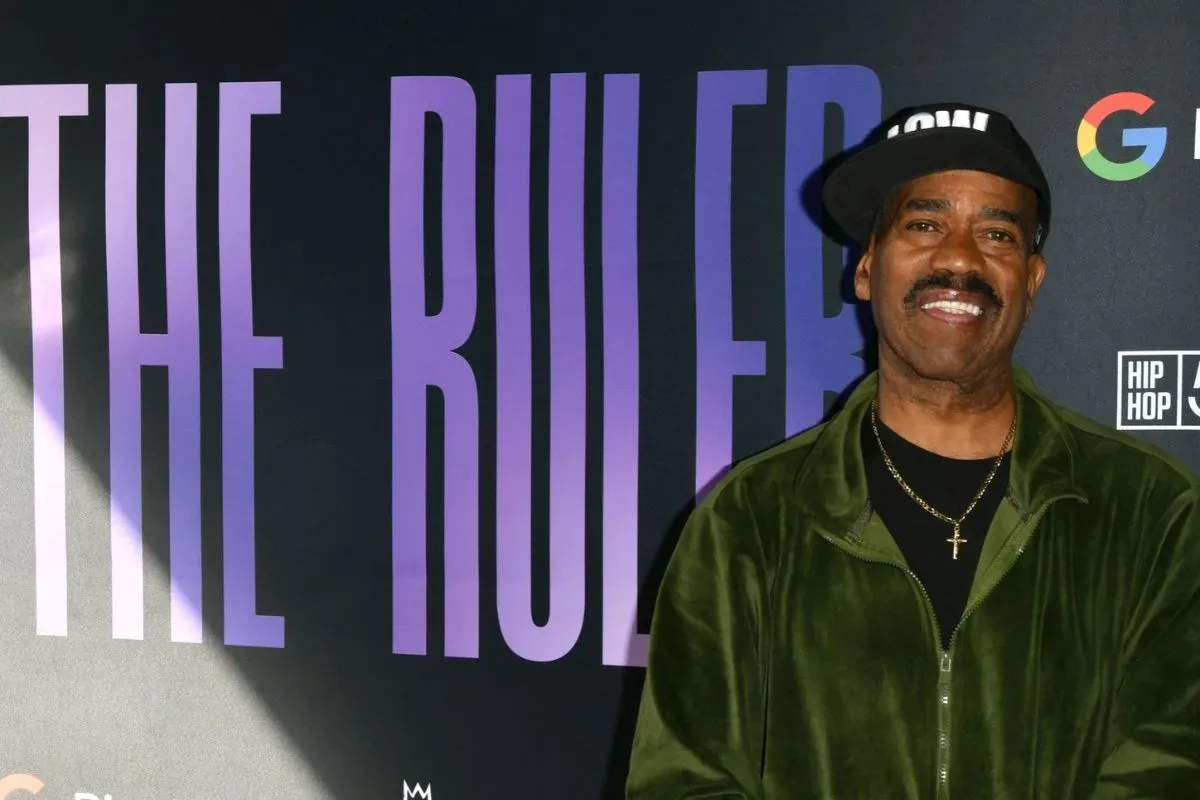

Snoop Dogg has given $100,000 to DOC CARES, the nonprofit founded by The D.O.C., to support a free North Texas program where students learn how to create video games. The donation backs Dreams Experience Academy, an initiative for students in grades seven through 12 that begins with game design and is intended to help young people turn cultural interests into visible, practical creative work.
The gift represents one-third of DOC CARES’ year-end fundraising target. The organization estimates that supporting one student for a term costs $2,500, putting the contribution in useful perspective: it is substantial operating support for a program built around direct student access, rather than simply a celebrity association with gaming.
Dreams Experience Academy’s Dallas pilot gave students a structured version of an early game-development process. Participants researched prospective players, built prototypes and presented their ideas to a panel. The program was run with For Oak Cliff and the Moorland Family YMCA before expanding to three additional North Texas schools, including St. Philip’s and two Texans Can Academies campuses.
What students are actually learning
“Game design” can mean many things, from writing rules for a tabletop game to planning a digital experience. Here, the reported pilot activities point to the early stages of making a game: identifying an audience, developing an idea into a prototype and explaining that idea to others.
Audience research is the process of considering who a project is for and what that audience may value. It does not guarantee that a game will succeed, nor does it replace creative judgment. But it asks a useful question that aspiring creators can easily overlook: who is expected to play this, and why might it matter to them?
A prototype is an early, limited version of a game concept. It is not necessarily a finished game, and the academy has not detailed the specific tools or engines used by students. What matters is the role it plays. A prototype gives an idea a form that can be discussed, demonstrated and improved. It turns a broad statement such as “I have a game idea” into something other people can respond to.
The final pitch adds another skill. Students must describe the problem or opportunity their game addresses, identify its intended players and communicate what they have made. In creative industries, being able to explain a project is often as important as the confidence to begin one. The academy’s approach gives young people an opportunity to practice both.
A pathway built around access and ownership
The D.O.C. framed the initiative around a wider concern: young people frequently shape culture without being introduced to the economic opportunities connected to the industries they influence. His stated aim is not only to help students participate in those industries, but eventually to lead and own within them.
That distinction is significant. Video games are cultural products, but making them involves many different kinds of work. The pilot’s emphasis on audience research, prototypes and pitches exposes students to creative development and the process of presenting a concept. It does not promise a job, a completed commercial game or an immediate route into the business. Instead, it provides a starting point and something tangible students can show to people who work in the field.
For students, that can change how a hobby or interest is understood. Playing games can be a source of taste, imagination and familiarity with what audiences enjoy. Building a project requires a different set of questions: What is the core idea? How does it work? Who is it for? What needs to be made first? How can someone else understand it? Those questions are useful whether a participant later pursues games, music, content creation or another creative discipline.
DOC CARES founding president Chris Gannett said the donation gives the organization momentum toward serving more students and building a much larger footprint in 2027. The nonprofit is also developing instruction in music, content creation and applied artificial intelligence.
Applied artificial intelligence, in this context, means instruction focused on using AI in practical settings rather than treating it solely as an abstract technical subject. The organization has not specified a curriculum, tools or launch schedule for that instruction, so its eventual shape remains to be seen. Still, the planned expansion suggests the academy is being positioned as a broader creative-technology program, with game design as its first entry point.
That overlap is increasingly worth watching across entertainment. Conversations around AI, streaming and the economics of fandom are also on the agenda for the CES Entertainment Summit, reflecting how creative work and technology are being discussed together across the business. Dreams Experience Academy is operating at a much more local, student-focused level, but its focus on access and skills belongs in that same larger conversation.
Support that began before the $100,000 gift
Snoop Dogg’s involvement did not begin with this donation. He was among the contributors to the Dallas pilot, alongside Dr. Dre and Erykah Badu. Students in the first cohort also met people from Marvel and the Dallas Mavericks, adding exposure to professionals and organizations associated with major entertainment and sports brands.
Those encounters should not be mistaken for a guarantee of industry access or employment. Their value is more immediate: they can help students see creative work as work performed by real people, with processes that can be learned and paths that can be explored. For a program that prioritizes showing students something they can present to professionals, contact with people connected to established organizations fits the educational model.
Badu also participated when The D.O.C. and Gannett unveiled Dreams Experience Academy at Dallas’ Kessler Theater. The D.O.C.’s work in music predates the academy; he has written for artists including Dr. Dre and mentored Snoop Dogg. That background informs the program’s language around culture, opportunity and ownership, even as the academy’s initial classroom work is centered on games.
The fundraising effort was previewed in Las Vegas when the Paid In Full Foundation honored The D.O.C. with its Grandmaster award. The current $100,000 contribution gives that effort a concrete benchmark: with one-third of the year-end goal met through this gift, DOC CARES is seeking additional support to reach more students.
Why the funding number matters
Education and access programs can be easy to discuss in broad terms, but the academy’s $2,500 per-student, per-term figure creates a clearer view of the resource question. It gives prospective supporters a stated measure for what direct student support costs and explains why a six-figure contribution can affect the scale of a free program.
Just as importantly, the figure indicates that the program is thinking in terms of sustained terms of instruction, rather than a one-day event. The supplied details do not break down how that $2,500 is allocated, so it would be wrong to assign portions to equipment, teaching, transport or any other expense. But the announced number establishes that student participation is being costed as an ongoing educational commitment.
There is also a practical lesson in the academy’s progression. Students are not described as being asked to master every part of game development at once. They begin with a game-design process that includes research, prototyping and pitching. That scope can make creative technology feel less like an inaccessible black box. A participant does not need to arrive with a finished game, a studio or an advanced technical background to begin thinking like a creator.
The next phase will be defined by execution. DOC CARES has said the donation will aid expansion in 2027, while further contributions are intended to help the organization serve more students. Details such as which communities will be added, how many students may participate, and when music, content-creation and applied-AI instruction will begin have not been provided.
For now, the confirmed picture is focused and meaningful: a free North Texas academy is teaching seventh- through 12th-grade students to investigate an audience, make a prototype and pitch a game idea; it has moved beyond its initial Dallas pilot to additional schools; and Snoop Dogg has added $100,000 toward the nonprofit’s ability to grow. The larger ambition is to give young creators not just proximity to culture, but a clearer view of how they might help build—and ultimately own—a place within it.