The Paid In Full Foundation’s support for foundational hip-hop artists is producing results far more practical than a trophy-case moment. Its five-year grants, tied to the Hip Hop Grandmaster Awards, have helped recipients pursue stable housing, address medical bills and return to creative work that had been delayed for years.
The distinction matters. Public honors can establish a legacy, but an unconditional grant can change the day-to-day conditions under which a person lives and works. For artists whose influence helped build hip-hop into a worldwide business without always yielding durable financial security, the program frames recognition as both a cultural and material responsibility.
Grandmaster Caz of the Cold Crush Brothers put the problem in unusually direct terms:
“Hip-hop has no social security.”
That statement is less a slogan than a description of the issue Paid In Full is attempting to address. Many of hip-hop’s earliest architects made work of lasting importance in an industry that grew dramatically around them. But influence, public respect and a visible place in music history do not automatically cover housing, health care or the time needed to complete a project.
What the five-year grants are designed to do
Paid In Full was created by Ben and Felicia Horowitz around an imbalance between the cultural value generated by early hip-hop artists and the money or formal credit some received. Every honoree gets an unconditional grant distributed over five years. “Unconditional” is the key operating term: recipients are not described as having to use the money for a foundation-selected purpose.
That approach gives a recipient latitude to decide what is most pressing. In practice, the reported uses have included buying homes, paying medical expenses and returning to unfinished creative work. These are very different needs, but they share a common requirement: flexibility.
A restricted grant generally directs funds toward a defined activity or approved cost. An unrestricted, or no-strings, grant instead leaves the decision with the recipient. That does not make every choice easy, but it acknowledges that the person facing the need is in the best position to set priorities. A medical bill, an unstable housing situation and a dormant recording project require different responses; a rigid, one-purpose award could fail to meet all three.
Related coverage includes Paid In Full Grants Bring Housing, Health Care and Creative Freedom to Hip-Hop Pioneers.
Spreading the support across five years also changes its practical character. Rather than presenting recognition as a single evening’s gesture, the structure creates an ongoing period in which recipients can make decisions with more room to plan. The reported outcomes suggest that the program’s value lies not simply in receiving money, but in gaining time and stability.
Grandmaster Caz and the cost of missing credit
Caz’s own history clarifies why financial support and public acknowledgment are paired in the initiative. He wrote lyrics that were later performed by Big Bank Hank on “Rapper’s Delight,” yet did not receive songwriting credit or royalties for that contribution.
Songwriting credit identifies who is formally recognized as having written a composition. Royalties are payments connected to the use and success of a work. Missing either can have consequences that extend well beyond the original release. Credit affects the public record of authorship; royalties can affect whether creative labor continues to generate income as the music reaches new audiences.
In Caz’s case, the gap between contribution and compensation is central to the story. His writing reached a massive audience through a landmark hit, while the financial recognition did not follow in the same direction. When he received his first Paid In Full checks, he was still living in public housing. The foundation’s assistance therefore speaks to a disparity that cannot be resolved merely by restating his importance to hip-hop history.
There is no suggestion that one grant can retroactively repair every lost credit, royalty or opportunity. It can, however, provide concrete support in the present. That is the foundation’s most tangible argument: honoring an artist’s role in culture should also improve their ability to live safely, receive care and create on their own terms.
Recognition and repayment are related, but not identical
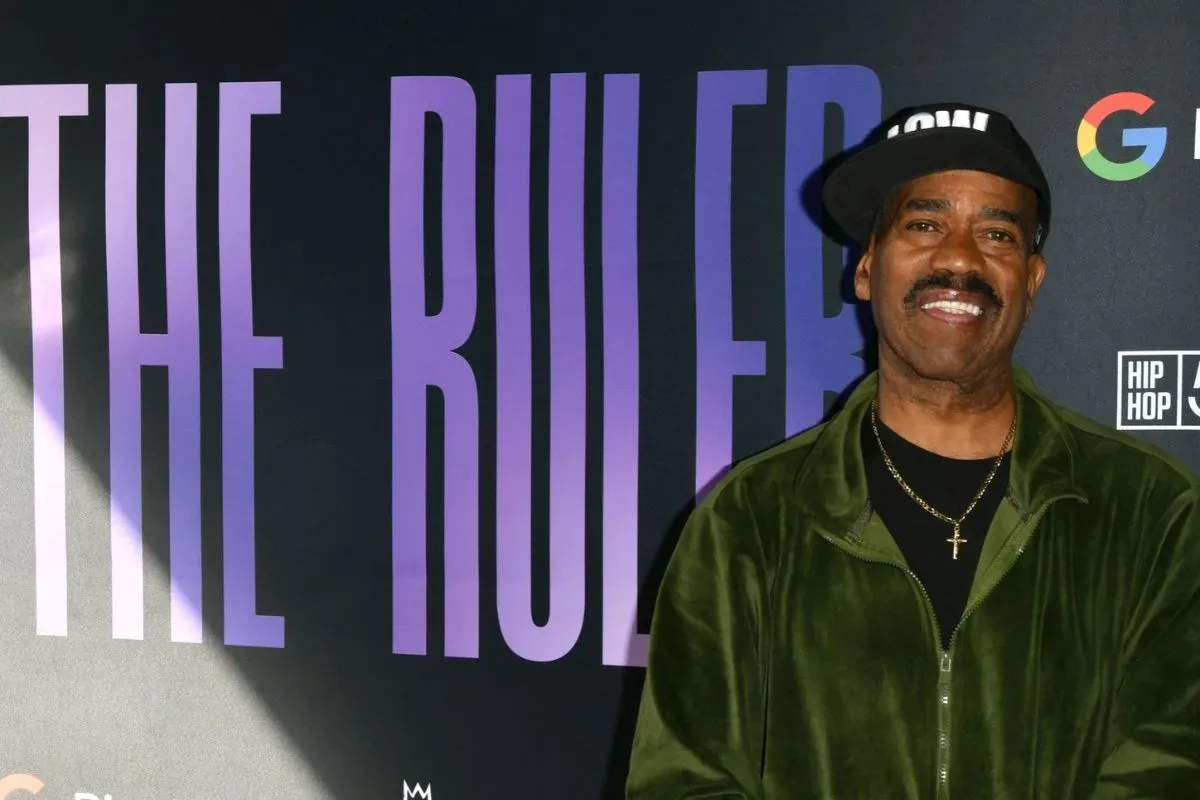
The Hip Hop Grandmaster Awards supply the visible half of Paid In Full’s model. At the October 24 gala, Kurtis Blow and The D.O.C. were honored as Grandmasters. Nile Rodgers received the Quincy Jones Achievement Award, while Ralph McDaniels received the Contributor Award.
Those names also show that the program’s view of foundational work is not limited to one role. MCs, writers, musicians and contributors whose work helped shape the culture can each occupy a meaningful place in its story. That breadth is significant because hip-hop has always relied on a network of creative labor, not solely the people whose voices became most famous.
Yet a ceremony and a grant do different jobs. A public award can tell audiences who deserves attention and respect. It can place an artist or contributor in a lineage that newer listeners may not fully know. The grant addresses another question: what happens after applause fades and the recipient goes home?
That is where home ownership, medical expenses and deferred projects become more than personal anecdotes. They show how institutional recognition can be translated into everyday agency. Someone who has housing stability may have more control over the direction of their life. Someone who can address health costs may be able to focus on needs that had been postponed. Someone who can revisit unfinished art has an opportunity to add to a legacy rather than only be celebrated for work already completed.
The scale disclosed for this year’s program
This year’s program includes a five-year grant totaling $500,000. The amount provides a sense of the initiative’s scale, while the five-year schedule underscores that the support is intended to extend beyond a single event.
Ben Horowitz has explained the concept through his own relationship to Eric B. & Rakim’s Paid in Full. He said he bought the album for $10 and received at least $5 million in value from it. The point is not a literal accounting of an album purchase; it is a way of expressing how art can create extraordinary value in a listener’s life while the people who made it may not share proportionally in the wealth that develops around the culture.
That framing helps explain the foundation’s name and its emphasis on repayment. The initiative is not presented as a conventional prize for a recent commercial milestone. It is an attempt to recognize a debt to people whose ideas, performances and contributions helped establish the form.
The financial model also arrives in a broader music-business environment where the question of how music is valued remains active. Changes in how listens are counted, monetized and credited shape the conversation around artists’ work; recent reporting on ad-supported streams and chart measurement is a reminder that systems of recognition and compensation continue to evolve. Paid In Full addresses a separate circumstance, but it rests on the same basic reality: cultural reach and fair recompense are not automatically the same thing.
Why recipient control is the story’s most important detail
The strongest feature of the grants may be the recipients’ ability to determine their own needs. A creative project can matter deeply, but so can resolving a medical bill. Buying a home may represent a long-term goal, but it cannot be separated from the immediate need for stability. A program that allows for all of these possibilities does not demand that people choose the version of their life that looks most impressive from an awards stage.
This is particularly relevant for pioneer artists, whose careers may have included periods of work, recognition, financial uncertainty and renewed attention. A person’s needs can change over time, and five years of support permits a wider view than a one-time payment. It also avoids treating creative figures exclusively as symbols. They are workers and people with obligations, health concerns, ambitions and unfinished ideas.
There is an important limit to what can be claimed from the reported examples. The available information does not establish that all recipients will use their grants in the same way, nor does it provide a complete financial picture for every honoree. What it does establish is that recipients have already applied the support to consequential parts of their lives: housing, health care and creative work.
Those uses make the program’s impact legible without reducing it to publicity. The award presentation may draw attention to the artists, but the sustained grant can produce results that are not inherently glamorous: a paid bill, a home purchased, or time reclaimed for a project left unfinished.
A model built around more than nostalgia
Hip-hop’s pioneers are often discussed through anniversaries, classic records and influence on later generations. Paid In Full adds a more demanding question to that kind of celebration: if an artist helped create something of enormous cultural and commercial significance, what does meaningful appreciation look like now?
The foundation’s answer combines visibility with direct, long-term assistance. It does not claim that recognition alone settles historic inequities, and its grant structure implicitly accepts that prestige without resources has limits. By directing no-strings support to honored figures over five years, it creates a path for recipients to turn respect into choices that matter in their daily lives.
For Caz, the contrast between writing for “Rapper’s Delight” without receiving credit or royalties and later receiving foundation support captures the point sharply. His influence had already been part of hip-hop’s history. The grant helps ensure that history is not treated as something valuable only to everyone else.