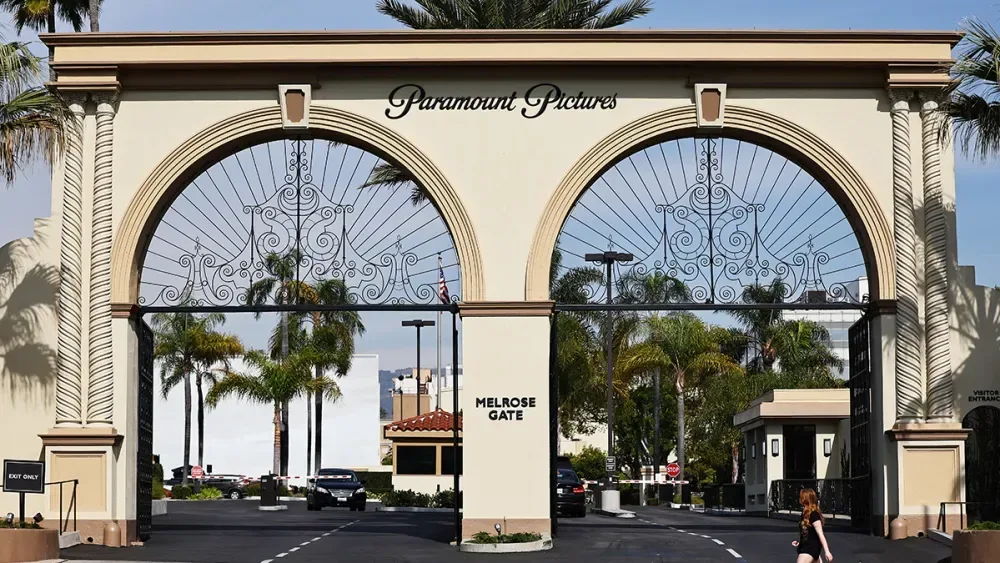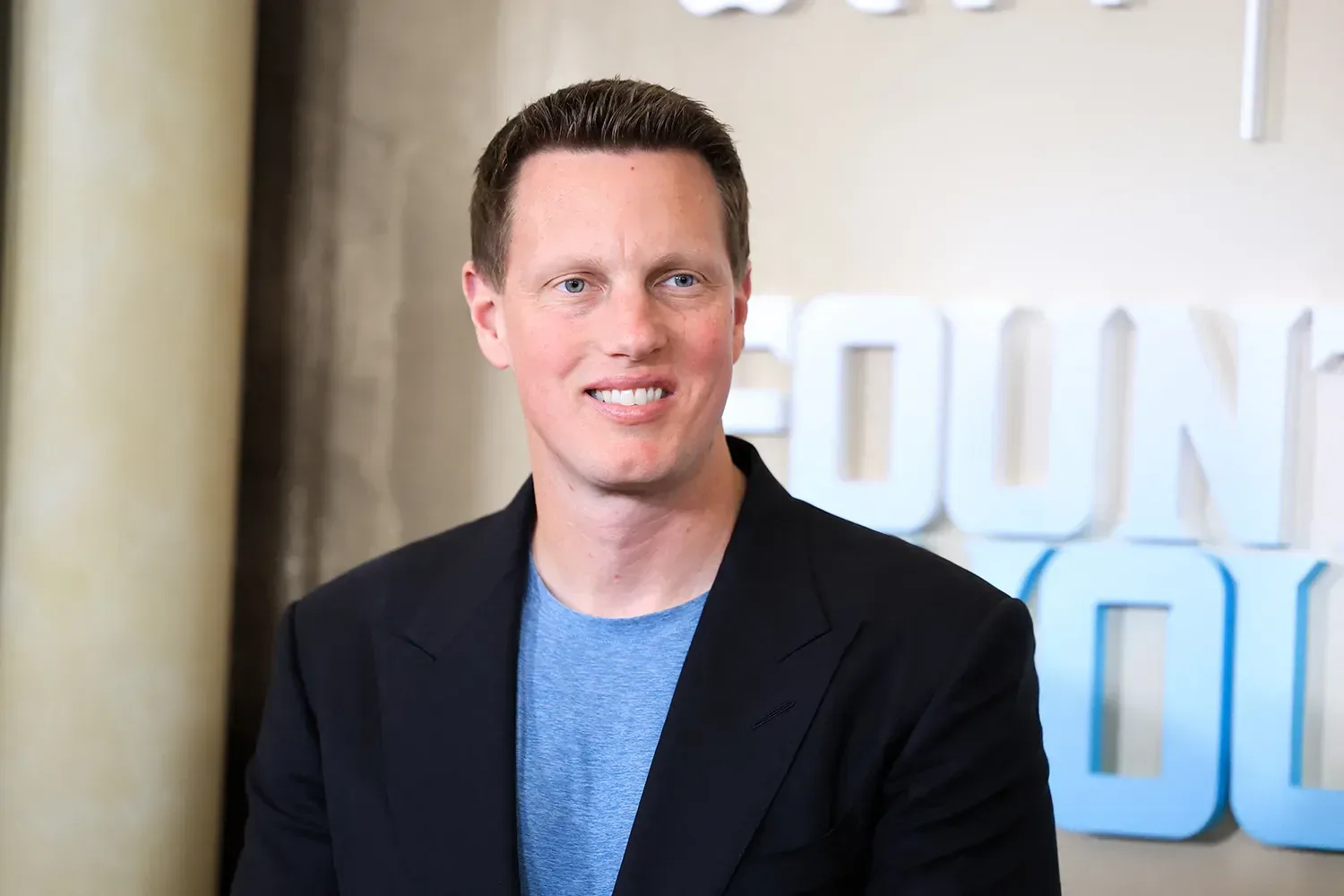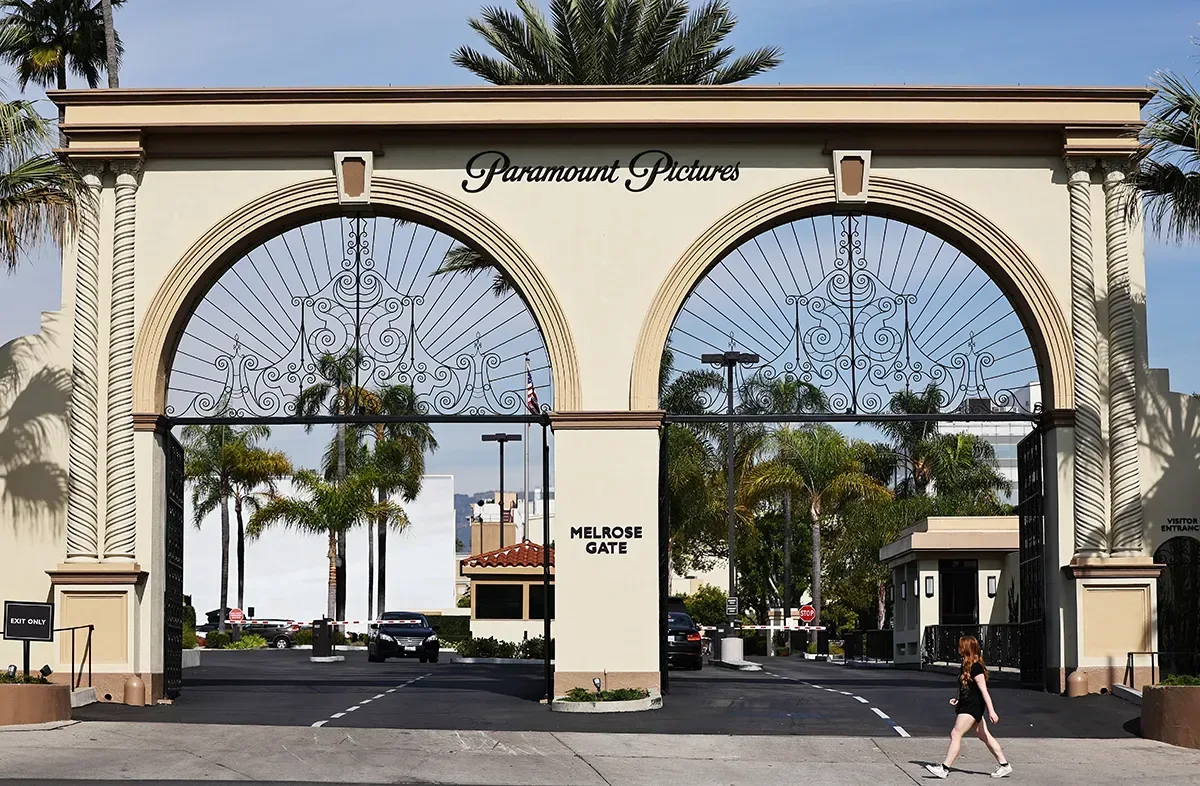
David Ellison’s incoming entertainment giant will be called Skydance, with Warner Bros., Paramount and HBO intended to remain prominent brands beneath that corporate banner. The choice resolves one conspicuous question ahead of the planned formal close of Skydance’s acquisition of Warner Bros. Discovery next week: the combined company is not taking a freshly invented holding-company name.
In a staff memo, Ellison framed the decision as an attempt to give the merged business its own identity without flattening the identities of Paramount and Warner Bros. That distinction matters. A parent company is the corporate entity that owns or oversees other businesses and brands; it need not replace the studio names audiences see on a cinema screen, streaming app or trailer. Under this structure, Skydance is positioned as the umbrella, while the established consumer-facing brands are expected to stay in view.
“We never wanted a new corporate identity to diminish, alter or overshadow either one,” Ellison wrote, describing Paramount and Warner Bros. as studios with separate histories and audience recognition. HBO was also named among the brands set to sit within the new organization.
The memo carries a clear branding message: the deal is meant to create more scale without asking moviegoers and viewers to suddenly navigate an unfamiliar replacement for legacy labels. Whether that balance holds in practice will depend on leadership choices, film-label autonomy, streaming strategy and the projects that actually reach audiences—not simply the logo at the top of an organizational chart.
The first major personnel change is already here
Before the transaction’s formal close, the most immediate movement is at Warner Bros.’ film operation. Pamela Abdy and Michael De Luca, the co-heads of Warner Bros. Motion Picture Group, are out. Their exits were reported as a surprise to the pair, though their futures had been a central uncertainty surrounding the combination.
The timing is especially consequential because a motion-picture group is responsible for shepherding a studio’s theatrical slate: choosing and developing projects, working with filmmakers and stars, and overseeing films on the path to release. Leadership turnover at that level can affect how quickly greenlight decisions are made, who has final creative authority, and how existing relationships with talent are maintained.
The available information does not lay out a new studio-by-studio reporting chart or identify replacements for Abdy and De Luca. It does, however, point to a broader consolidation of creative oversight. Paramount Pictures leaders Dana Goldberg and Josh Greenstein are expected to move into wider creative roles overseeing heads of individual film labels across both companies. New Line leader Richard Brener was cited as an example of the label executives who could sit within that structure.
That proposed model is worth separating into its parts. A film label is a distinct production banner operating within a larger studio ecosystem. Central leadership can coordinate priorities and budgets across labels, while individual label heads can retain specialized responsibilities and creative relationships. The potential upside is a clearer group-wide strategy. The risk, as with any consolidation, is that too much decision-making becomes concentrated at the center. The public details so far do not establish how much independence each label will retain.
Related coverage includes Skydance Name Set for Paramount-Warner Bros. Combination as Film Chiefs Exit.
Streaming leadership appears likely to consolidate too
Change is also unfolding on the streaming side. Cindy Holland’s departure from Paramount+ has been reported, and Casey Bloys is viewed as the likely leader for streaming across Skydance. That outcome has not been formally announced by the company.
If it happens, it would place programming and platform strategy under a single senior executive at a moment when the new parent is bringing together several major entertainment brands. “Streaming” here means more than operating a video app. It includes commissioning shows and films, deciding where titles are released, setting the audience proposition for each service or brand, and managing the trade-offs between exclusive programming and broader distribution.
For viewers, a leadership consolidation does not by itself confirm a change to subscriptions, app names, libraries or release plans. None of those specifics were established. Still, it signals that Skydance is preparing to coordinate decisions across businesses that previously had separate corporate homes.
Why retaining the brands is the low-drama part of a high-drama merger
Ellison’s memo gives the Skydance name a personal origin story. He said he chose it for his studio two decades ago, connecting “skydancing” with aerobatic flying and using the cosmos as a metaphor for expansive storytelling. The original Skydance logo, he noted, treated its letters as planets orbiting the sun.
That explanation is more than a piece of corporate mythology. It tells employees that the existing Skydance identity—not a neutral compromise title—will define the parent organization. At the same time, the memo emphasizes that Paramount and Warner Bros. should remain in the spotlight rather than be visually or strategically subsumed by it.
There is practical logic in that approach. Paramount, Warner Bros. and HBO are names audiences already recognize, while their individual associations can be meaningful to filmmakers, production partners and viewers. Maintaining those brands avoids an immediate re-education campaign. It also allows the parent company to present the merger as expansion and coordination rather than a wholesale replacement of familiar studios.
But brand preservation is not the same thing as operational preservation. A studio name can remain unchanged while reporting lines, approval processes and leadership priorities evolve beneath it. The exits at Warner Bros. Motion Picture Group make that difference especially visible: the signage may endure, but the people deciding what gets made and how it is managed are already changing.
Barbie sequel talk remains just that: talk
One project has inevitably entered the speculation cycle: a possible sequel to Greta Gerwig’s Barbie. Goldberg and Greenstein have reportedly been contacting key Warner Bros. talent, including Margot Robbie and her LuckyChap partners, as part of an effort to establish continuity. A knowledgeable person also said there was movement toward securing a follow-up after prior momentum had stalled over costs.
That is not a formal confirmation of Barbie 2. No official sequel announcement, release date, creative team, or production commitment has been established in the information available here. It is best understood as an indication of where dealmaking attention may be headed during the transition, not as a greenlight audiences can put on a calendar.
The reported interest aligns with another executive choice: Ellison has tapped former Mattel CEO Ynon Kriez as co-CEO of the combined company. The facts supplied do not define Kriez’s remit or confirm any involvement in a Barbie follow-up. Still, the coincidence will naturally fuel questions about how the new company could approach major toy-linked and franchise-scale properties.
What to watch once the transaction formally closes
For now, the headline is simple: Skydance will be the name above Paramount, Warner Bros. and HBO. The more important questions are organizational, and many remain unanswered. The formal close is expected next week, when the new leadership team is expected to take shape.
- Film structure: Will Goldberg and Greenstein’s expected broader roles be formally confirmed, and how will individual labels report within the combined group?
- Streaming authority: Will Bloys be officially named to lead streaming, and what will that mean for the separate brands and services under the umbrella?
- Talent continuity: Outreach to filmmakers, producers and stars suggests the new leadership sees relationship maintenance as urgent during the changeover.
- Project decisions: A possible Barbie sequel remains unannounced, but it illustrates how quickly the market will look for evidence of the company’s creative priorities.
The transition also has a local workforce dimension beyond executive titles. Earlier debate around the deal included calls for the combined company to prioritize Los Angeles and industry workers, an issue covered in the wider Paramount-Warner Bros. merger discussion. Ellison’s message stresses ambition, growth and smart risk-taking; the structure and staffing decisions that follow will show how those aims are translated into day-to-day operations.
For employees, creators and audiences, the near-term reality is a blend of continuity and disruption. The old studio names are expected to remain. The corporate name above them is Skydance. Yet two of Warner Bros.’ most senior film executives are departing, potential oversight roles are being redrawn, and the streaming hierarchy appears to be moving toward a single center. In other words: the brands are staying on screen, while the backstage map is being rewritten.