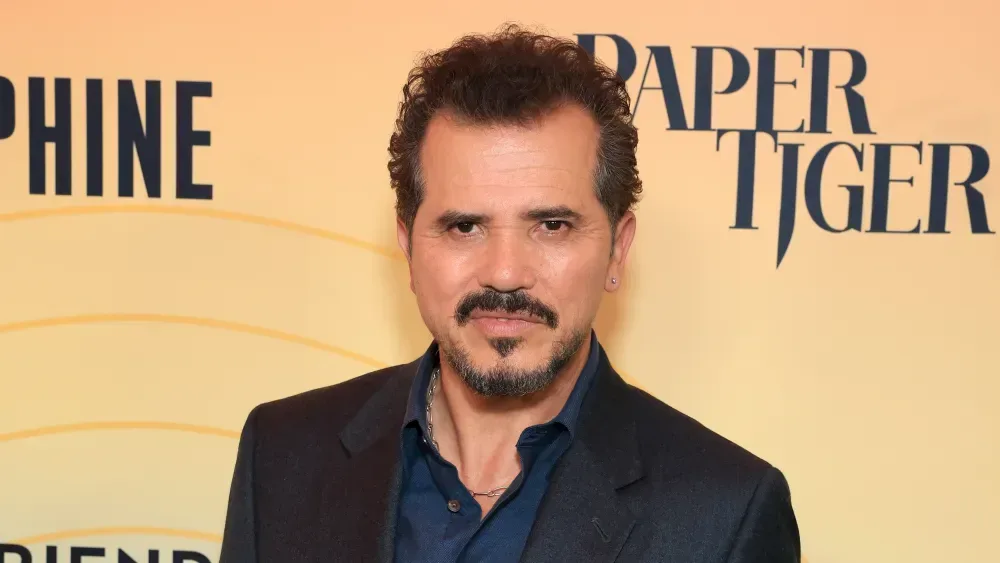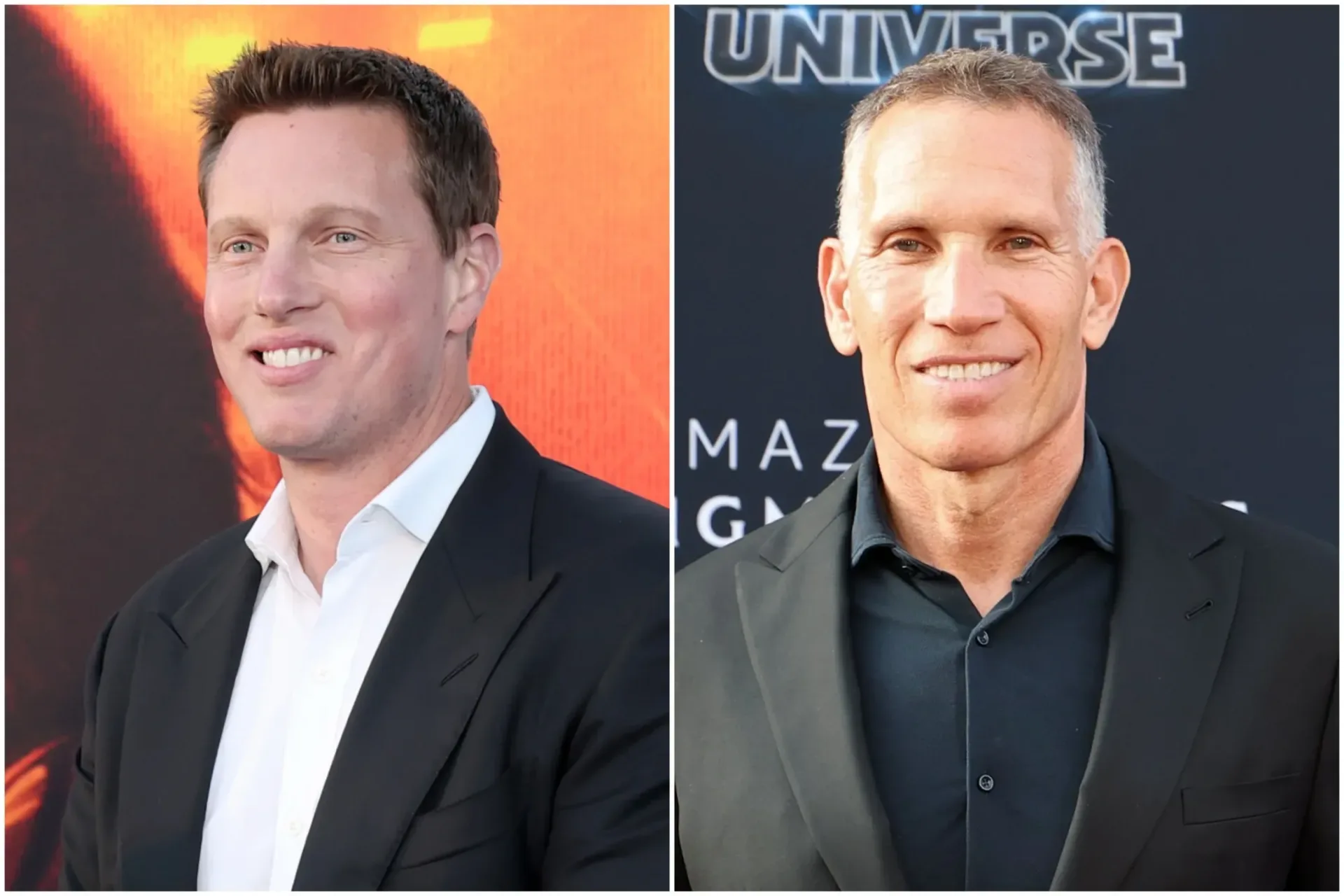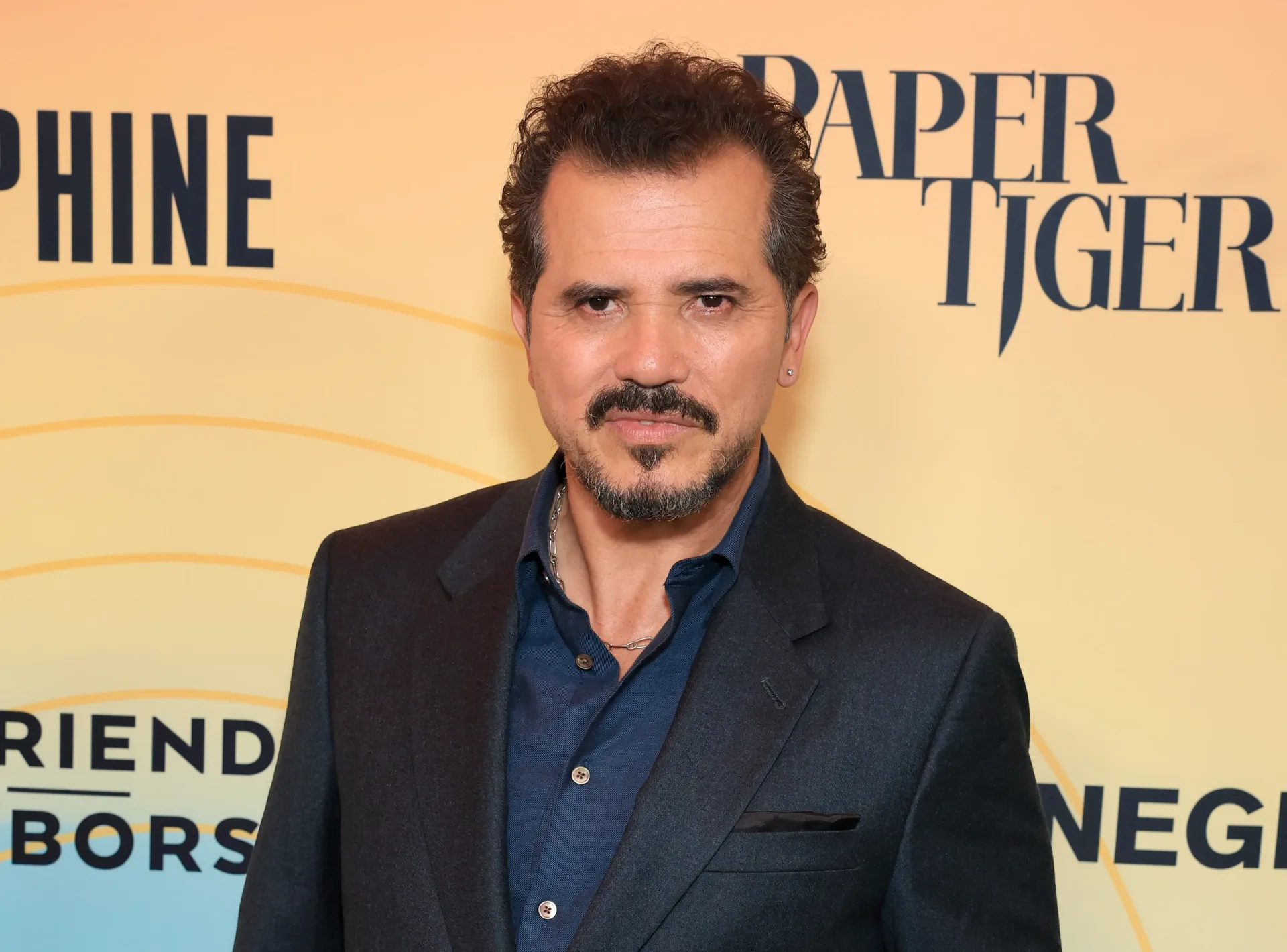
John Leguizamo has delivered a pointed appeal to David Ellison amid the proposed combination involving Paramount and Warner Bros. Discovery, arguing that the consequences should be assessed far beyond the interests of the companies and their leadership.
Speaking at the Critics Choice Association’s sixth annual Celebración of Cinema & Television, where he received a Career Achievement Award, Leguizamo urged Ellison to think about “what Americans need” and “what the industry needs.” His concern was not framed as a narrow objection to a corporate transaction. Instead, it centered on the long-term stability of Los Angeles as a filmmaking center and on the people whose livelihoods depend on a durable local production ecosystem.
“The industry belongs in L.A.,” Leguizamo said. “We need to support it and grow it. Rebuild it and add to it. Not subtract.”
The actor’s remarks arrive in a period of intense attention on media consolidation: the process in which fewer companies control a larger share of film, television, distribution, libraries and production infrastructure. A merger can bring separate businesses under one corporate umbrella, but creative workers and other critics often focus on what may be lost when two major competitors become one: competing buyers for projects, distinct decision-makers, jobs, facilities and room for varied creative voices.
Why a five-year protection is not enough for Leguizamo
The reported merger terms include a restriction preventing Paramount-WBD from selling the Paramount Studios or Warner Bros. lots in California for at least five years. Leguizamo said that safeguard does not go far enough.
His objection is fundamentally about its end date. A temporary restriction can establish a period in which the two studio properties cannot be sold, but it does not establish what happens when that period ends. Leguizamo’s question was practical as much as rhetorical: workers, businesses and communities make decisions that stretch beyond a five-year horizon.
“You got an end date. You got an expiration date. That’s not cool,” Leguizamo said. “People have to plan for the rest of their lives. They plan for five years, and then what?”
In that sense, the discussion is not solely about the physical studio lots. Studio campuses are major anchors for a wide range of jobs and services connected to screen production. The supplied terms speak specifically to a prohibition on selling the Paramount Studios and Warner Bros. lots in California; they do not, by themselves, answer every question about future business decisions. Leguizamo’s comments make clear that he sees the distinction between a time-limited property protection and a lasting commitment to keeping—and expanding—industry activity in Los Angeles.
Related coverage includes John Leguizamo Urges David Ellison to Protect L.A. as Paramount-WBD Plans Take Shape.
That uncertainty is at the core of his appeal to Ellison. “Do the right thing,” Leguizamo said, urging him not to focus only on personal financial interests. His message was a call to weigh the broader public good and the industry’s needs as Skydance takes shape in the proposed deal.
The larger anti-merger campaign
Leguizamo is not speaking in isolation. In April, he was among more than 4,000 film and television performers and creative professionals who signed an open letter opposing Paramount Skydance’s pending acquisition of Warner Bros. Discovery.
The letter argued that signs of support for the deal appeared to favor a small set of powerful stakeholders over the broader public interest. It warned that the industry’s integrity, independence and diversity could be severely affected, and it made the case that competition matters to both a healthy economy and a healthy democracy. The signatories also called for thoughtful regulation and enforcement.
Those terms deserve clear definitions. Competition, in this context, means that multiple studios and media companies can compete to acquire projects, fund productions and distribute entertainment. The open letter’s argument is that concentration of control can reduce that competitive pressure. Regulation and enforcement refers to the public rules and oversight used to examine major corporate combinations and their potential effects. The letter does not claim that every merger produces the same result; it says the risks raised by this proposed transaction demand serious consideration.
The group behind the letter spans a wide range of film and television work. Its signatories include Joaquin Phoenix, Ben Stiller, Kristen Stewart, Robert De Niro, Sofia Coppola, Florence Pugh, Pedro Pascal, Edward Norton, Atsuko Okatsuka, Adam McKay, Alan Cumming, Alyssa Milano, Boots Riley, Bryan Cranston, Cynthia Nixon, Damon Lindelof, David Fincher, Denis Villeneuve, Elliot Page, Glenn Close, Jane Fonda, J.J. Abrams, Jason Bateman, Lin-Manuel Miranda, Margaret Cho, Mark Ruffalo, Noah Wyle, Patti LuPone, Ramy Youssef, Rosario Dawson, Rosie O’Donnell, Ted Danson, Tiffany Haddish, Tig Notaro, Yorgos Lanthimos and Yvette Nicole Brown.
That list includes actors, filmmakers, writers and performers with very different roles in the business. What unites their public position is not a shared prediction about every operational detail of the proposed combined company, but opposition to the acquisition and concern about its possible effects on creative independence, diversity and competition.
Los Angeles is the focus of Leguizamo’s argument
Leguizamo’s comments add a geographic dimension to the broader consolidation debate. He is asking decision-makers to treat Los Angeles not simply as the location of valuable studio real estate, but as an industry center that should be supported, rebuilt and grown.
That is why the five-year restriction on selling the lots did not settle the issue for him. The protection is concrete but temporary. His argument asks for a longer view: one in which people can make life and career plans with confidence, and in which the local screen sector is expanded rather than diminished.
It is also an argument about responsibility. Leguizamo directly addressed Ellison, asking him to consider others instead of only the personal or corporate financial upside of the transaction. Whether one agrees with his position or not, the statement draws attention to a central question surrounding large entertainment mergers: should the assessment stop at ownership and assets, or should it also account for the workers, creative communities and cities connected to them?
That question has relevance beyond this single transaction. Entertainment companies increasingly sit at the intersection of film, television, games, technology and distribution, which is why ownership changes in one part of the sector can be watched closely across others. Recent reporting on Disney and Epic Games’ continuing plans likewise illustrates how corporate relationships in entertainment can shape expectations about future creative and commercial activity.
What is known—and what remains an open concern
From the information available, several points are clear. Leguizamo has publicly criticized the proposed Paramount-Warner Bros. Discovery combination. He has called for the Los Angeles-based industry to be protected and expanded. He believes the reported five-year restriction on selling the Paramount Studios and Warner Bros. lots in California is inadequate because it contains an expiration point. And he has joined a much larger group of creative professionals in opposing Paramount Skydance’s pending acquisition of Warner Bros. Discovery.
His argument does not depend on claiming that every future outcome is already decided. Rather, it emphasizes uncertainty: what comes after the protected five-year period, whether the local industry will be strengthened, and how a merger could affect the balance of power in entertainment.
For Leguizamo, those unknowns are precisely why the people directing the deal should think beyond immediate financial interests. His message is a request for a long-term commitment to Los Angeles, to the workforce that builds the entertainment business and to an industry structure where independence, diversity and competition remain meaningful priorities.