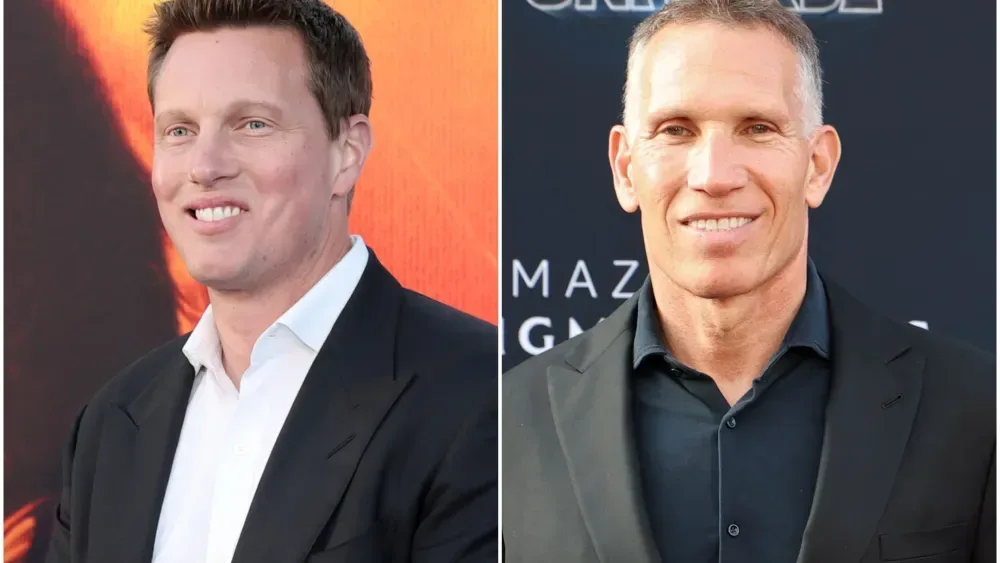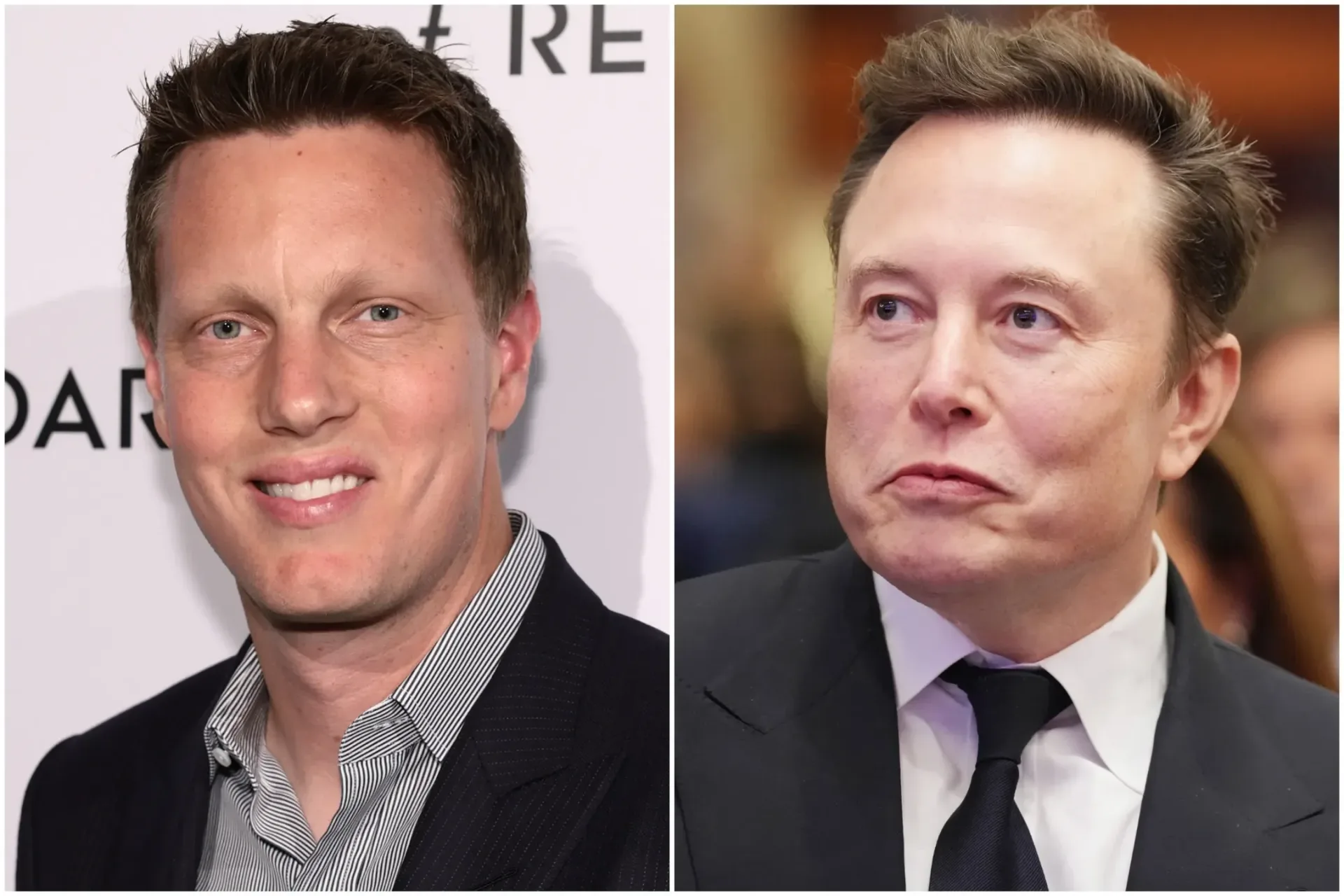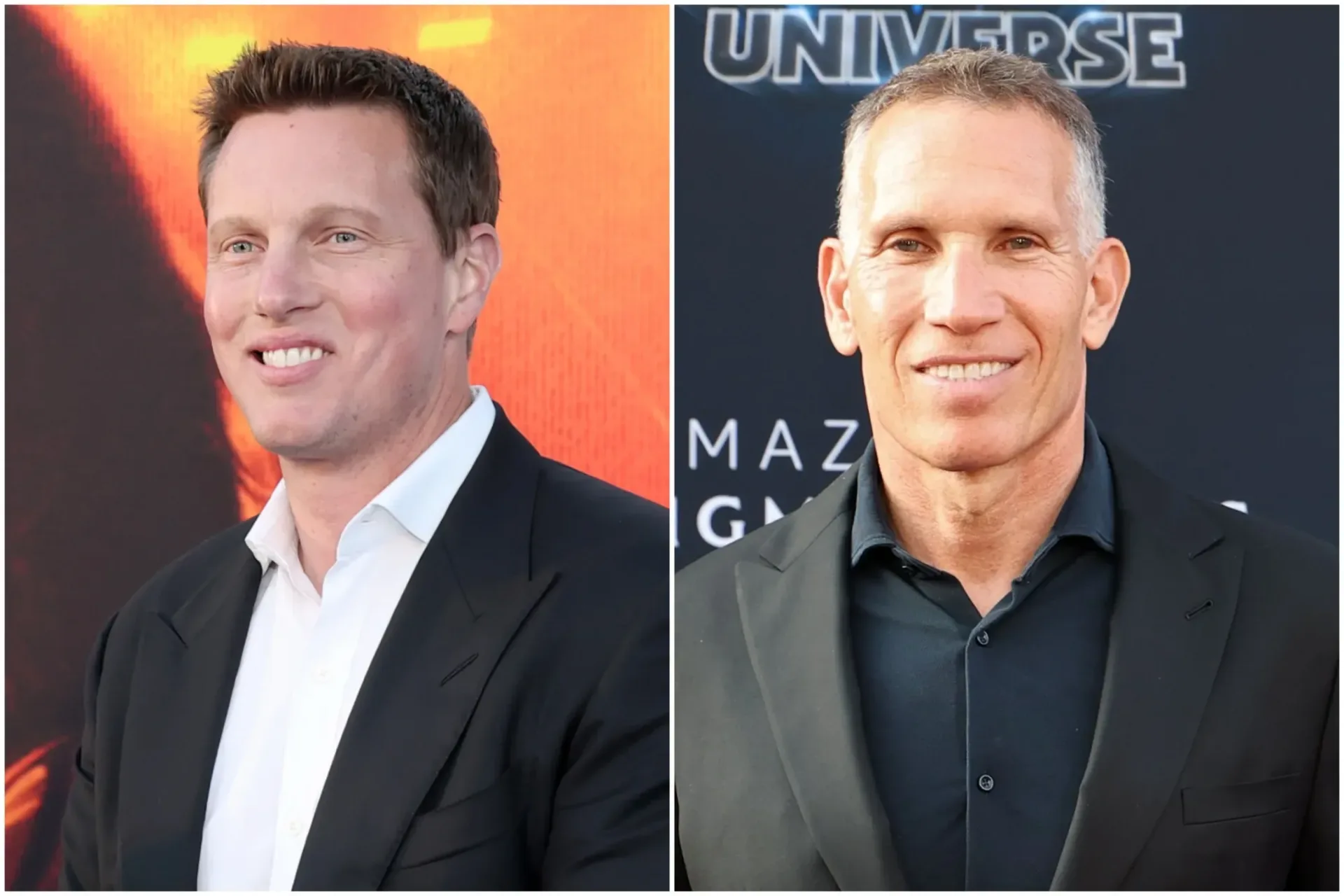
Ynon Kreiz, the departing chairman and chief executive of Mattel, is reportedly set to take a senior management position at David Ellison’s Paramount as its proposed merger with Warner Bros. Discovery approaches completion. The exact job has not been disclosed, and neither Paramount nor Mattel provided comment on the reported move.
That missing detail matters. A senior appointment can signal plenty without establishing a formal remit: Kreiz could be brought in for a corporate leadership assignment, a brands-and-franchises brief, a studio-focused role, or another portfolio that has yet to be made public. At present, the firm fact is narrower: Mattel said Kreiz will step down effective October 2 to take a senior leadership job at another public company, while reporting indicates that company is the combined Paramount-Warner Bros. business.
Even with the title unknown, the recruitment is a notable piece of the emerging management picture around one of entertainment’s biggest proposed combinations. Paramount is still waiting for judicial approval of a settlement in an antitrust case brought by 12 state attorneys general before the $111 billion Warner Bros. Discovery merger can close. A judge has said a decision on the proposed consent decree will arrive in due course. Until that approval is granted, the merged company and its final executive structure remain prospective rather than complete.
Why Kreiz’s background stands out
Kreiz arrives from a company where toys, consumer products and screen entertainment are increasingly interlinked. Mattel credits him with expanding the company’s share in important toy segments and reaching global No. 1 positions in dolls, vehicles, and infant, toddler and preschool categories. Those accomplishments point to experience with durable consumer brands: properties that need to work not only as individual products, but across retail, licensing, marketing and media.
His tenure also included Mattel Studios’ first theatrical release, Barbie, starring Margot Robbie. The film led the global box office in 2023 and remains Warner Bros. Pictures’ highest-grossing movie. The coincidence is especially striking given the proposed Paramount-Warner Bros. combination: a leader associated with Mattel’s largest modern movie success may be joining an organization that includes the studio behind that release.
It would be premature to turn that connection into proof of a specific strategy. There is no confirmed indication that Kreiz will run a film unit, oversee a particular franchise slate, or take charge of consumer products. Still, his history makes brand stewardship a reasonable area to watch once the company defines his responsibilities.
That experience is not limited to Mattel. Kreiz previously led Maker Studios, the digital-content network that Disney acquired in 2014. He left Disney in 2016 and joined Mattel in 2018. Earlier, he was chairman and CEO of Endemol Group from 2008 to 2011, served as a general partner at Balderton Capital—then known as Benchmark Capital Europe—from 2005 to 2007, and co-founded Fox Kids Europe, where he was chairman and CEO.
Taken together, that résumé spans youth-oriented media, digital video, television production, venture investing, consumer brands and theatrical filmmaking. For a newly combined entertainment company, such breadth can be useful precisely because a merger is not just about putting logos under one roof. It requires decisions about which businesses work together, where creative and commercial leadership sit, and how major properties travel between screens, audiences and physical products.
What “senior management role” does—and does not—tell us
The phrase senior management role confirms importance but not authority. It does not reveal whether Kreiz would report directly to Ellison, lead a division, supervise several business units, or operate as an adviser with a narrower mandate. It also does not answer whether his remit would include existing Paramount operations, Warner Bros. Discovery operations, or functions created only after the transaction closes.
That uncertainty should guide expectations. Executive recruitment reports can invite quick speculation about sweeping changes, especially when they involve a high-profile brand executive and a corporate merger of this size. But the available information does not establish a new slate of films, a new games initiative, a restructuring plan, or a consumer-products strategy. Those are possible areas of interest for observers, not announced outcomes.
What can be said is that the reported hiring has been in development for months, suggesting it was not simply an improvised response to Kreiz’s departure from Mattel. That timing implies planning around the post-merger leadership team, while still leaving the specifics unresolved.
A leadership team forming before the final legal step
Kreiz is not the only sign that the proposed combined company is organizing its leadership. Casey Bloys, who leads Warner Bros. Discovery’s HBO, is poised to take oversight of the combined Paramount-Warner Bros. streaming operation. The change follows Cindy Holland’s decision to step down from her role leading Paramount+ and other direct-to-consumer operations.
Direct-to-consumer, often shortened to DTC, describes entertainment services delivered straight to subscribers rather than through a traditional cable or satellite distributor. In this case, the term is relevant because streaming leadership is becoming one of the earliest clearly defined pieces of the planned management structure.
Bloys’ prospective remit and Kreiz’s reported arrival cover very different professional histories. One is tied to premium television and streaming oversight; the other comes from a mix of media, brand management and consumer products. That contrast may be a feature rather than a contradiction. A combined entertainment company has to manage subscriptions and programming while also handling franchises whose value can extend beyond a single release.
For readers following the Paramount side of the business, CBS programming is also part of the wider corporate conversation; CBS’s current unscripted programming push offers a separate view of activity within that ecosystem. It should not, however, be read as evidence of Kreiz’s future responsibilities.
The Barbie connection is meaningful, but not a roadmap
Barbie is the clearest reason Kreiz’s name will draw attention among film fans. Mattel identifies the project as its studio division’s first theatrical release, and its scale was exceptional: it topped the global box office for 2023 and became Warner Bros. Pictures’ all-time highest-grossing film.
The lesson is not that every toy property should be rushed into a movie, nor that one executive can reproduce a particular blockbuster result by moving companies. A single film’s success is the product of many contributors and circumstances, none of which are detailed here. But the result does demonstrate why executives with experience converting an established consumer brand into a major cultural event can be valuable to a studio organization.
In practical terms, successful franchise management means coordinating several different questions at once: what the underlying brand represents, which creative interpretation makes sense for audiences, how the project is marketed, and how the work relates to the rest of the brand’s commercial life. Kreiz’s record at Mattel places him close to those considerations. It does not tell us which, if any, of them he will be assigned at Paramount-Warner Bros.
What happens next
The immediate milestone is Kreiz’s October 2 departure from Mattel, where Roger Lynch, currently CEO of Condé Nast, has been named as his successor. Mattel did not identify Kreiz’s next employer in its own announcement.
For Paramount, the more consequential near-term event is the outstanding judicial approval of the antitrust settlement. A consent decree is a court-approved agreement used to resolve a legal dispute; here, approval of the proposed decree is described as the final remaining step before the merger can close. Until the court acts, it is sensible to distinguish carefully between reported post-merger appointments and roles in a company that has formally completed its transaction.
Once more details arrive, the key questions will be concrete ones: Kreiz’s official title, reporting line, scope of authority and whether his work centers on studio operations, corporate strategy, brands, consumer products, digital business or another area entirely. Those answers will determine whether this is chiefly a high-level talent acquisition or a signal of a larger operating plan for the new entertainment group.
For now, the reported recruitment adds an executive known for navigating both media and branded consumer businesses to a leadership roster taking shape in advance of a major merger. It is a significant personnel move—but one whose real impact depends on details that have not yet been announced.