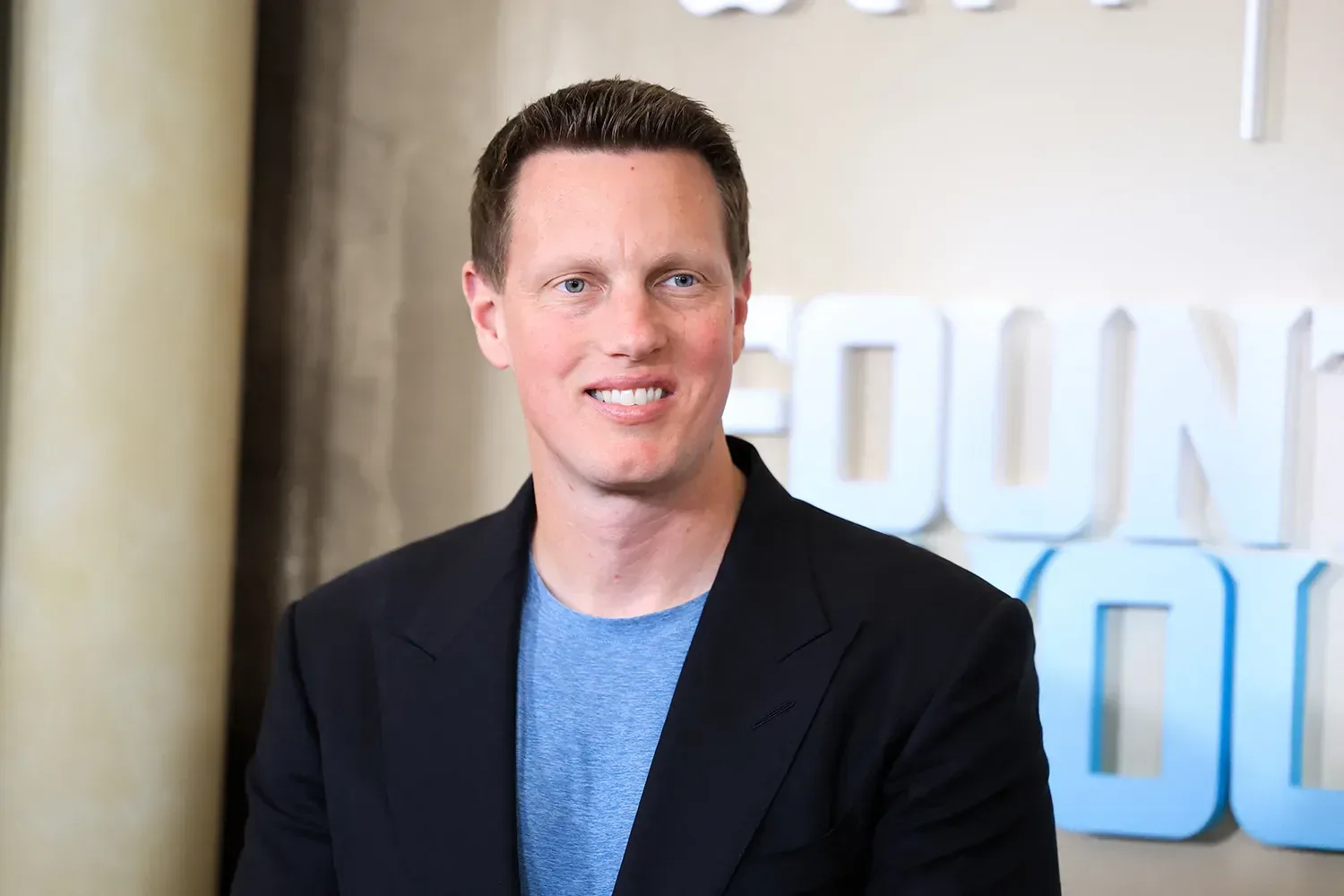
The company created through the Paramount and Warner Bros. merger will carry the name Skydance. David Ellison, Paramount’s CEO, said the new identity is meant to give the combined business its own corporate banner while leaving Paramount, Warner Bros. and the other established brands in front of audiences.
That distinction matters. A corporate name is not necessarily the name customers will see on a movie poster, an app tile, a comic cover or a television channel. In this case, the stated plan is for Skydance to sit above a portfolio of familiar labels rather than erase them. Paramount and Warner Bros. each retain their own identities and legacies in Ellison’s description of the strategy.
The name also has a personal connection for Ellison: Skydance was the name of his first media company, founded in 2006. It is now being applied to a much larger combined operation, reported to be valued at $111 billion.
What the new name is meant to signal
Ellison said the decision was driven by the need for an identity that belongs to the merged company itself. His stated goal is to allow the Paramount and Warner Bros. brands, along with their associated labels, to remain in the spotlight instead of attempting to fold everything into one replacement consumer-facing brand.
“We wanted a name that would give the combined company an identity of its own while allowing Paramount and Warner Bros., and all our extraordinary brands, to remain in the spotlight,” Ellison said.
In practical terms, this creates a two-layer structure:
- Skydance becomes the combined company’s overarching identity.
- Paramount and Warner Bros. remain key studio brands with their own public recognition.
- Other major properties and services remain part of the enlarged organization rather than being recast overnight under a single newly invented label.
That approach is easier to understand than a full-scale renaming of every recognizable asset, and it acknowledges that audience familiarity is valuable. The names Paramount and Warner Bros. already carry extensive cultural weight. A merger may change who owns and operates the studios, but it does not automatically make a newly coined brand more meaningful to people deciding what to watch, read or subscribe to.
A huge portfolio under one corporate umbrella
The combined business brings together a broad set of entertainment brands and outlets. The portfolio cited alongside the deal includes CBS, HBO Max, Paramount Plus, DC Comics, Nickelodeon and CNN, among others. That range spans streaming, film, television, news, children’s programming and comic-book publishing.
For audiences, the immediate takeaway is not that every one of those labels is becoming Skydance-branded. The stated framing points in the opposite direction: Skydance is the owner-level name, while the better-known businesses are expected to remain visible. That can be important for viewers who associate HBO Max with one kind of programming, Nickelodeon with another, and DC Comics with an entirely different format and audience.
It also explains why the merger’s naming question has more weight than a routine logo update. The company will have to coordinate brands that do not simply serve different age groups; they operate across different kinds of media. A streaming service, a broadcast network, a comic publisher and a film studio cannot be treated as interchangeable just because they share a parent company.
Streaming remains one of the most tangible questions
There has been discussion of combining Paramount Plus and HBO Max into a single streaming service. No final combined service is described here, so viewers should treat that possibility as discussion rather than a confirmed product change. Still, it is an obvious issue to watch because streaming is one of the clearest places where corporate consolidation can become visible in everyday use.
Streaming consolidation means separate services may be brought together operationally or presented as one subscription destination. The potential appeal is straightforward: fewer standalone services could mean a simpler choice for customers who are already managing multiple subscriptions. But a merger alone does not establish the eventual service name, pricing, app experience, catalogue arrangement or timing. None of those details have been set out.
HBO Max and Paramount Plus are both named as part of the combined company’s holdings, which makes the reported possibility consequential even before specifics are available. It is also a reminder that the best-known effects of a media deal may unfold gradually. The company name can be announced first; decisions about product structure and branding can follow on a separate track.
Why keeping legacy labels visible is strategically sensible
Ellison’s remarks emphasize growth, broader distribution and the preservation of what makes both studios special. That is a balancing act. A combined company wants the scale that comes from operating a larger group of assets, while the individual brands need to remain intelligible to audiences.
Scale, in this context, refers to the reach and capabilities that come with a larger organization: more brands, more distribution outlets and more ways to bring stories to audiences around the world. It does not automatically determine which stories will be made or how each label will operate. But it is central to the public rationale Ellison has offered for the combination.
He said Skydance intends to pursue its goals with passion, imagination and a willingness to take smart risks, while giving Paramount and Warner Bros. room to grow and tell more stories. That language sets an ambition, not a programme of announced releases or platform changes. The meaningful part for fans is the promise that the heritage labels will continue to matter within the new structure.
“We will honor what makes Paramount and Warner Bros. special, giving both studios the opportunity to grow, tell more great stories and bring those stories to even broader audiences around the world,” Ellison said.
For a merger of this scale, maintaining recognizable brands can be more than nostalgia. It provides continuity: a Warner Bros. release can still be a Warner Bros. release, and a Paramount release can still be a Paramount release, even when the parent company above them has changed. It also avoids forcing every audience relationship into one corporate identity that has far less public history than the studios it now encompasses.
The deal’s competitive backdrop
The path to this combination was not portrayed as uncontested. Netflix had initially made the winning bid to acquire Warner Bros., before Paramount made its own successful offer. The outcome means that Skydance, rather than Netflix, becomes the name attached to the newly combined Paramount-Warner Bros. business.
That point is useful context, but it should not be mistaken for evidence of a newly shared creative universe between the companies involved in the bidding. The deal concerns ownership and corporate organization. It does not, by itself, establish crossovers, new franchises or creative pairings. In particular, nothing in the merger details confirms the kind of speculative crossover that could have followed from a Netflix-Warner Bros. outcome.
For more on the leadership and studio implications already associated with the transaction, see Skydance will lead the Paramount-Warner Bros. combination as film chiefs exit.
What audiences can reasonably expect now
The confirmed headline is straightforward: the merged enterprise will be called Skydance. Paramount and Warner Bros. are expected to continue as prominent brands under that umbrella. The larger company will include an unusually wide slate of entertainment and media businesses, and a possible HBO Max–Paramount Plus combination remains one of the biggest consumer-facing questions around the deal.
What has not been detailed is equally important. There are no confirmed terms here for a merged streaming product, no rollout timetable for revised branding across services, and no specific programming plans. The merger provides the corporate framework; the decisions that affect subscriptions, interfaces and the day-to-day handling of individual labels will need their own announcements.
For now, Skydance is the name to watch at the top of the organization. Paramount and Warner Bros. are the names audiences are still meant to recognize beneath it.