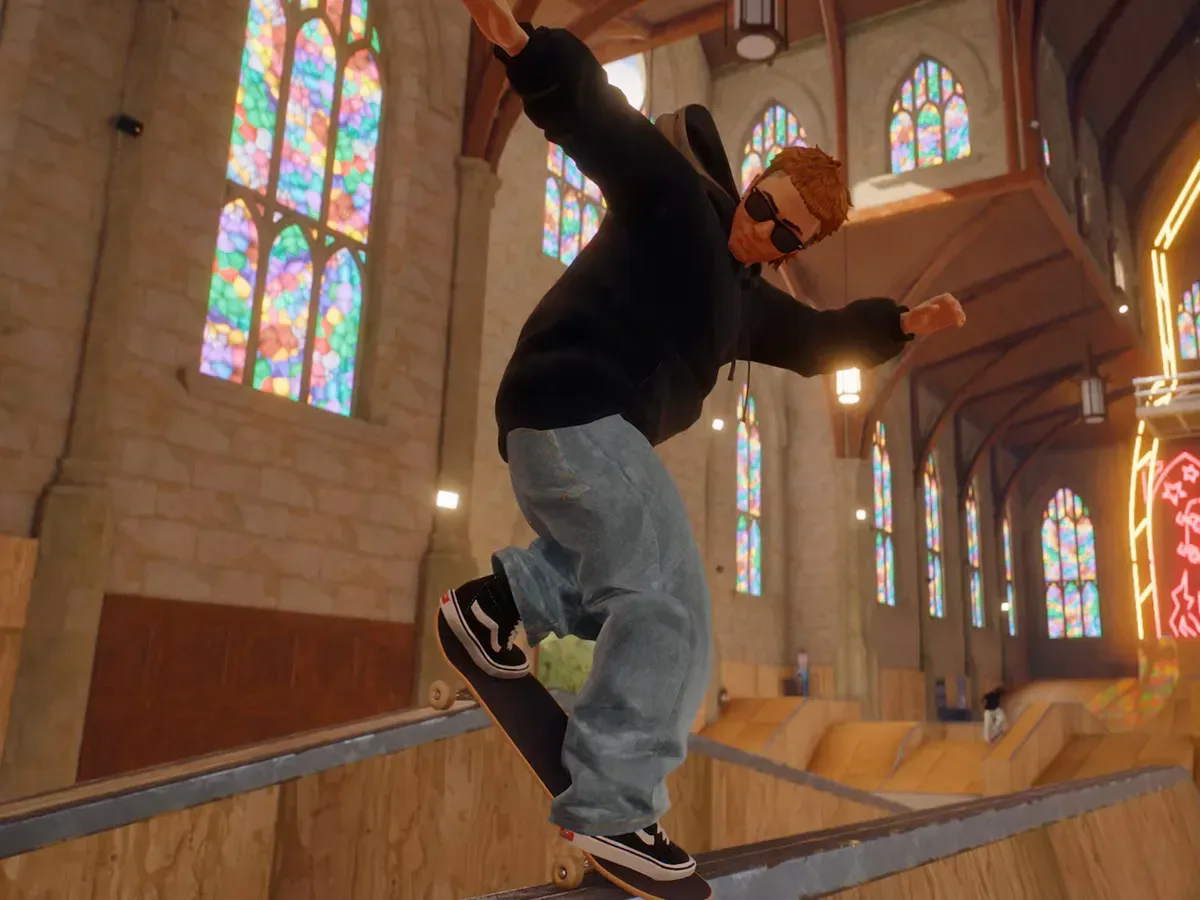
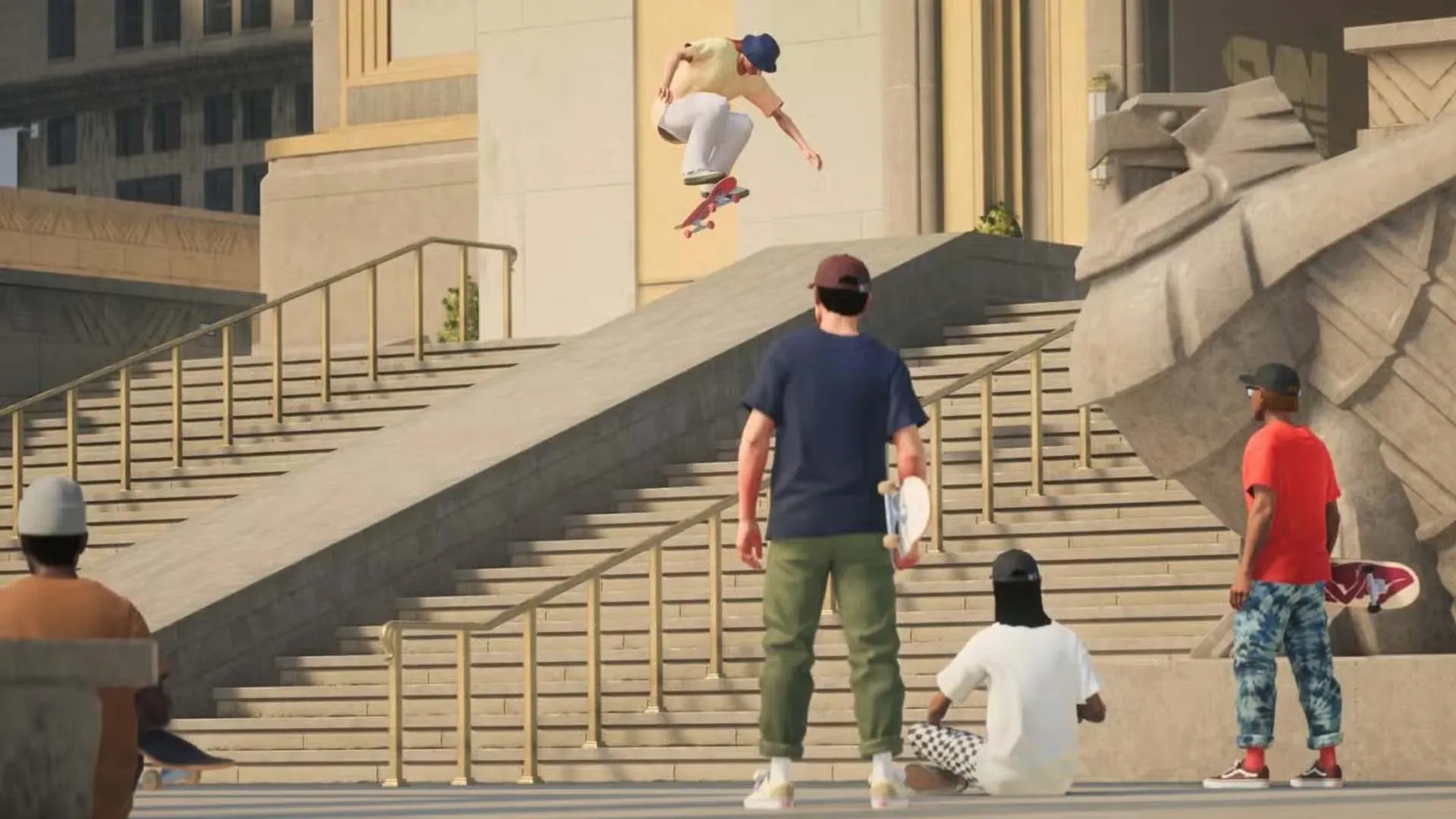
Skate is changing course on some of the most visible parts of its live-service structure. Full Circle says its fifth season will be the last, ending the game’s seasonal-update cadence, battle-pass-style skate.Pass subscriptions and the Tix in-game currency. The free-to-play skateboarding game remains in Early Access, but its route to a full release will now involve updates arriving as they are ready rather than being grouped into formal seasons.
The adjustment matters because skate. arrived as a long-awaited revival of a series with a very different legacy. Its current model uses ongoing content drops, in-game purchases and progression systems instead of a conventional one-time purchase. That structure has drawn a cool response from some returning players, and the studio is now explicitly describing Early Access as time to test, revise and determine what supports the game over the long term—particularly in social features and progression.
For players, the headline is straightforward: the old calendar is going away. The less straightforward question is what replaces it, how consistently new material will appear, and whether this is a meaningful reset for a game that has faced both skepticism and weaker-than-hoped player retention.
What is ending in Skate?
Three linked systems are being retired:
- Seasonal updates: The fifth season is planned as the final season under the existing format.
- skate.Pass: The game’s battle-pass-style subscription structure is ending alongside seasons.
- Tix: The in-game currency will be discontinued.
In a seasonal live-service game, content and rewards are generally organized around limited-time cycles. A battle pass is a progression track through which players earn rewards by completing gameplay goals, sometimes alongside paid access or premium reward lanes. The benefit is a predictable reason to return and a clearly communicated schedule. The downside is that it can make a game feel governed by timers, recurring chores and monetization tracks rather than by the activity players came for.
That tension is especially important for skate. The series has a history of being associated with the basic pleasure of building a line through a skate spot, retrying a trick and sharing a session with friends. A service-driven layer does not automatically prevent that experience, but players may react negatively if the layer appears to dominate it—or if desired maps and content feel restricted by payment systems.
Full Circle’s new plan is to release fresh content more quickly, even where that content is not fully polished. That is a significant statement about priorities. Instead of holding features for a season launch, the team intends to ship material as it becomes available. In principle, that can make a game more responsive during development. In practice, it also removes the familiar cadence that tells players when the next major set of activities, rewards or additions will arrive.
Bounties replace part of the old reward loop
Items can now be earned through in-game Bounty objectives. A bounty, in this context, is a task or challenge that awards progress or items when completed. It is a familiar design tool: rather than asking a player to advance through a season-long reward track, the game sets specific objectives and pays out rewards for doing them.
Related coverage includes Skate Ends Seasons, skate.Pass and Tix as Full Circle Reworks Early Access Roadmap.
That does not necessarily mean every progression concern disappears. The available information does not spell out the full scope, frequency or reward structure of Bounties, nor does it say precisely how all existing and future item acquisition will work. But the change does indicate a move away from a reward loop centered on a numbered season and skate.Pass.
For returning players, Bounties could be easier to judge on their own terms. A clear objective and a stated reward allow someone to decide whether they want to engage, rather than feeling compelled to keep pace with a whole season. The important unknown is whether those objectives will feel like skating-focused goals or simply a new wrapper around repetitive engagement tasks. Early Access is supposed to answer exactly those kinds of questions, but it will be the implementation—not the label—that determines the result.
What happens to unspent Tix?
Full Circle says unspent Tix will be converted into unacquired items based on the player’s current track. That establishes that unused currency will not simply vanish without compensation, but it leaves meaningful details open. Players will want to know which items qualify, how the game determines the applicable track and whether the conversion gives them choice over the results.
Anyone holding Tix should watch for the studio’s exact conversion guidance rather than assuming a one-to-one exchange or a particular item selection. The announced plan describes a conversion to unacquired items, not a promise of cash refunds, conversion to another currency, or player-directed shopping.
The end of Tix is notable because virtual currencies are often a central part of a free-to-play economy. They can separate real-money purchases from individual items, but they can also make it harder for players to understand the practical value of what they are buying or saving. Removing Tix simplifies at least one part of skate.’s system. It does not, however, mean the game is abandoning in-game purchases altogether.
This is a revision, not a retreat from free-to-play
It would be premature to portray the roadmap shift as skate. becoming a traditional premium Skate sequel. The game remains free-to-play and in-game purchases remain part of its foundation. The studio is removing seasons, skate.Pass and Tix; it has not announced a wholesale exit from the broader live-service approach.
That distinction matters. “Live service” is often used as a catch-all term, but it can describe several different things: regular online updates, ongoing social features, item shops, currencies, limited-time events, battle passes and a game designed to evolve over an extended period. Ending some of those mechanisms does not automatically end the others.
The studio’s stated focus on social features and progression suggests that the team is still working out the systems intended to keep skate. active over time. The new delivery model may lower the emphasis on formal seasons while preserving an evolving online game. Players hoping the announcement means every monetization concern has been settled should keep that distinction in mind.
There is a broader practical lesson in the change, too. A game can be free to download while still asking players to navigate payment options, progression routes and recurring reward systems. Players assessing any evolving free-to-play game should separate two questions: whether the gameplay itself is enjoyable, and whether the structure around it feels clear and respectful of their time. That is the same reason many buyers gravitate toward products without recurring payment layers, as in this look at subscription-free security cameras with local-storage options. The products are different, but the consumer question is recognizable: what continues to require participation or payment after the initial decision?
Why the change arrives now
Skate launched in September of the previous year after a lengthy wait for a new entry. Instead of returning through a flat upfront-price model, the new game adopted a freemium format built around incremental content, purchases and seasonal passes. Some maps were placed behind a paywall despite prior expectations that they would not be, further sharpening the concern among players who wanted a more straightforward return for the series.
The reception has not translated into the player retention EA had hoped to see. Full Circle also went through layoffs in February, described as supporting Skate’s long-term future. Later, in October, players showed strong interest in an unofficial mod that removed live-service features, drawing enough attention that the studio issued a statement.
Those points do not prove that any one system caused every problem. Game communities are not a single voting bloc, and retention can be affected by many factors. Still, the sequence provides clear context for why a revision to the structure is meaningful. The announced redesign follows sustained friction around the game’s service model, while the mod’s popularity indicates that at least a segment of the audience was eager to experience skate. with those layers stripped back.
The potential upside—and the risk—of rolling updates
Shipping updates when they are ready can be a sensible Early Access strategy. It may let Full Circle react faster to feedback, introduce improvements without waiting for a seasonal deadline and avoid building the entire game around a reward calendar. For a sports game centered on movement, user expression and social play, smaller and more frequent adjustments could potentially help the studio improve the core experience in public.
There is also an obvious risk. A season schedule, however unpopular, creates a predictable framework. Players know when a cycle starts, when it ends and when a new batch of changes may be expected. A freer release rhythm can feel more flexible, but it can also feel uncertain if updates arrive unevenly or are not explained clearly.
The phrase that updates may arrive even if they are not totally finished deserves particular attention. Early Access players already accept that a game is incomplete. But the practical standard still matters: unfinished features need clear communication, understandable limits and visible iteration. Fast deployment can support development; it can also create confusion if players cannot tell what is temporary, what is experimental and what is meant to be a durable part of the game.
That makes transparency central to the roadmap’s success. The biggest confidence-builder would not be a return to a rigid season format. It would be clear notices about what has changed, what is still being tested, how rewards are earned, how paid content is handled and what players should expect next. Removing a layer of structure means communication must do more work.
What players should watch next
- Tix conversion specifics: Look for details on eligibility, item selection and timing before the currency is discontinued.
- Bounty design: The objectives and their rewards will show whether the new progression loop feels like a genuine alternative to a pass track.
- Update clarity: With seasons gone, roadmaps and patch communication become more important for setting expectations.
- Monetization after Tix: Purchases remain part of skate., so the shape of the remaining shop and paid content will still matter.
- Social and progression changes: These are the areas Full Circle specifically identifies as long-term work during Early Access.
For now, the announcement is best understood as a course correction rather than a finished solution. Full Circle is dismantling several systems that became symbols of skate.’s uneasy return, while keeping the game in development and retaining the ability to alter it further. The fifth season may be the last, but the more important test begins after it: whether updates without seasons can make skate. feel less like a schedule to maintain and more like a skateboarding game players want to keep coming back to.