Simu Liu has addressed the unexpected resemblance between himself and the apparent protagonist of Mass Effect: Universe, saying he was not involved with the cancelled project. The clarification cuts through one of the biggest questions raised by a leaked trailer for the game: whether the character’s unusually familiar face was intentional.
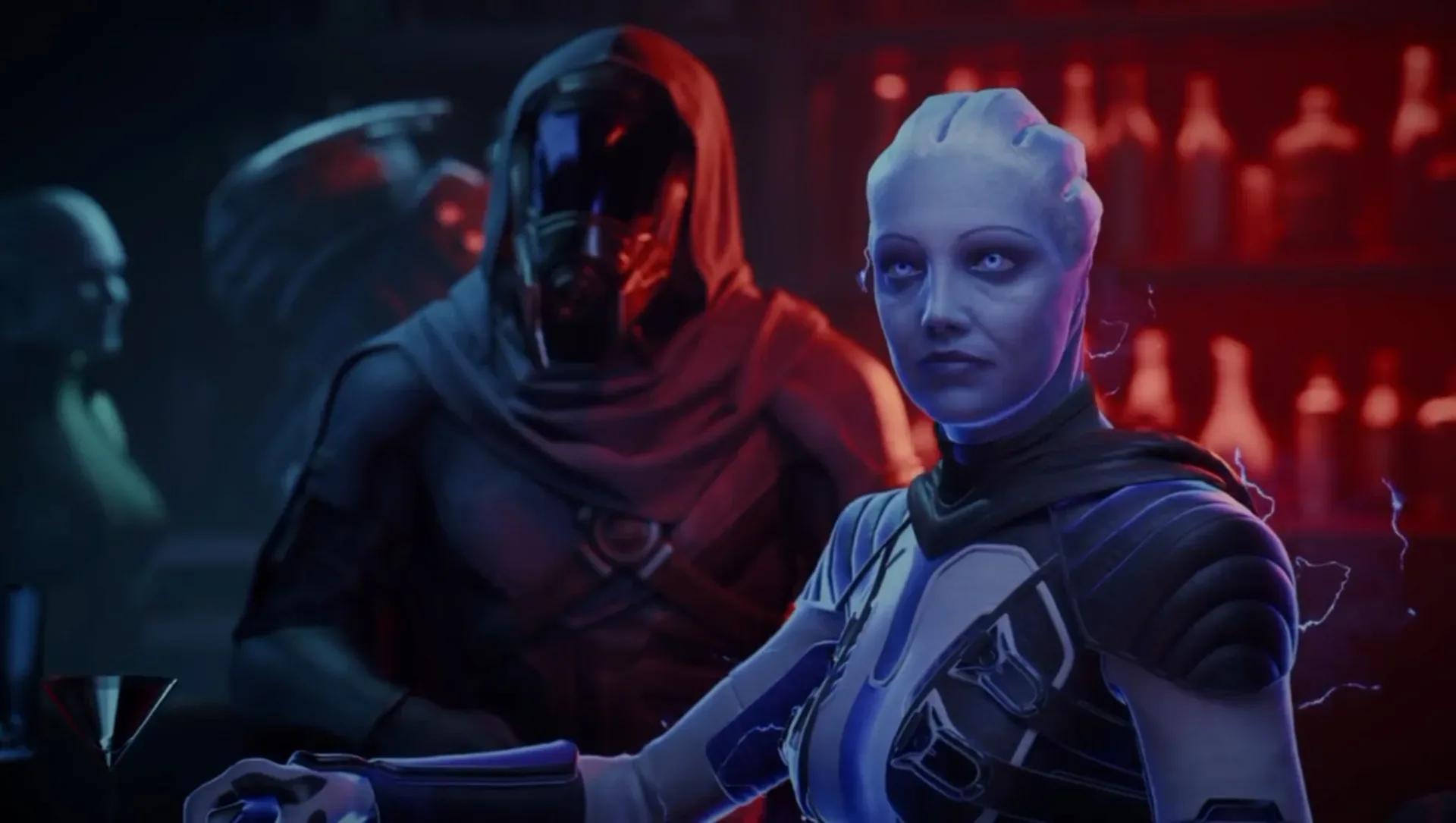
The trailer appeared online after BioWare’s October 21 closure. It was reportedly an internal proof-of-concept intended for Electronic Arts executives, rather than public marketing material. That distinction matters. A proof-of-concept is used to communicate a prospective game’s tone, visual direction, premise, or potential to decision-makers; it is not necessarily evidence that its characters, cast, story, and assets were locked for a finished release.
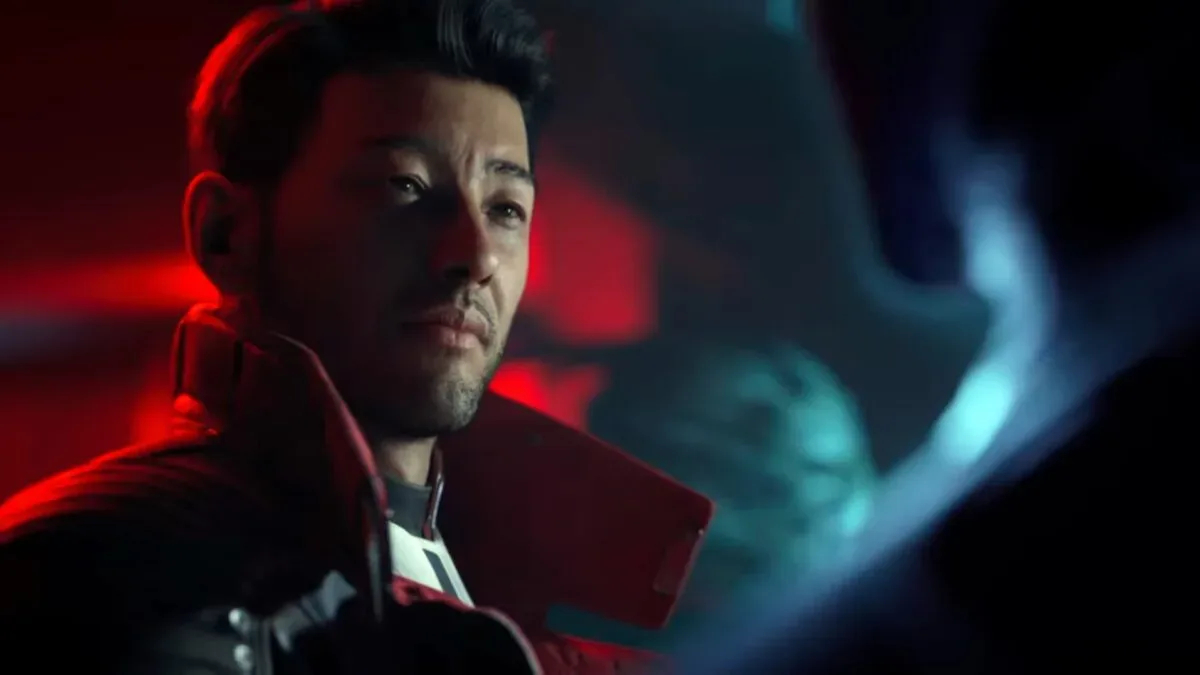
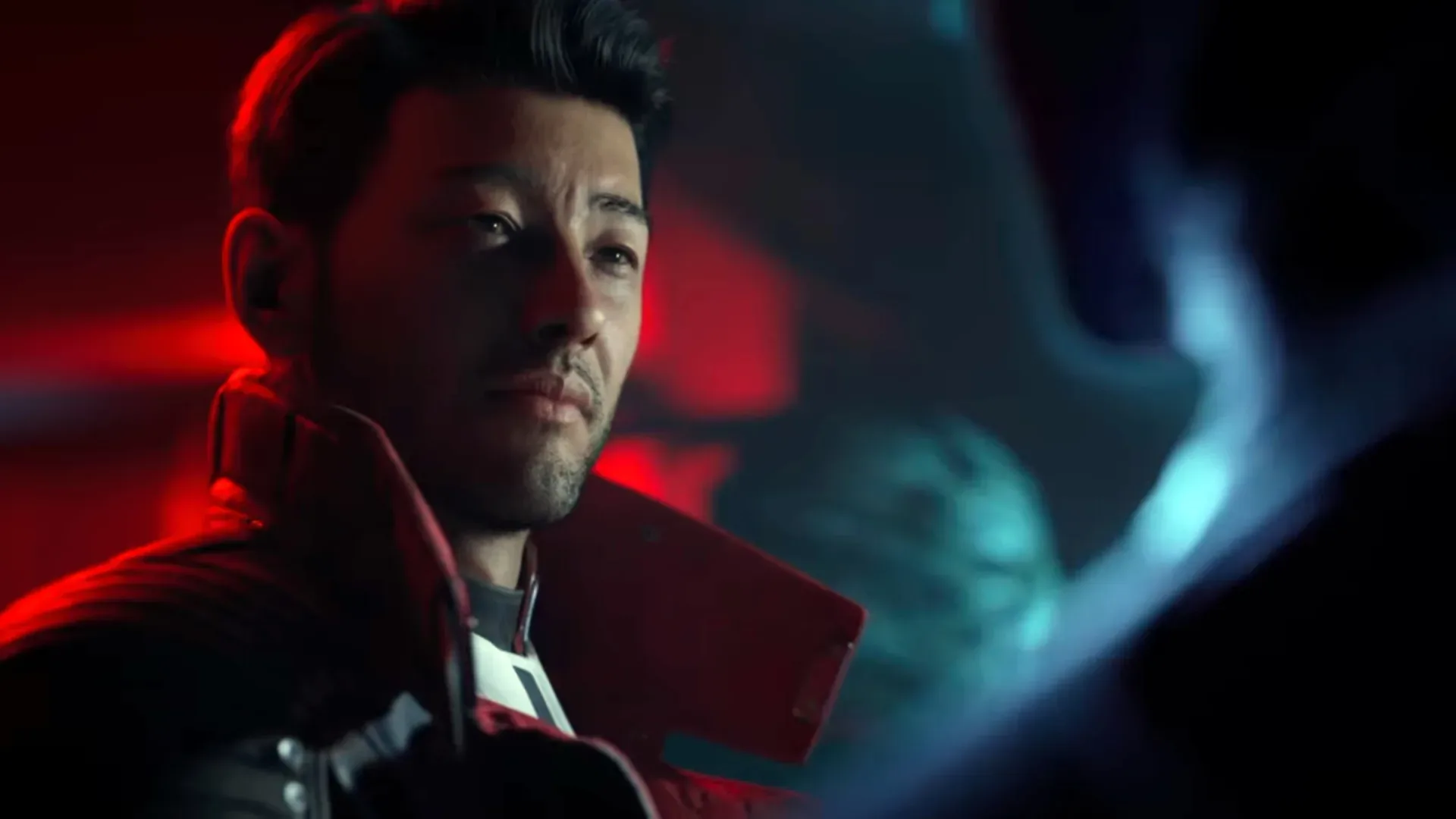
Still, the footage prompted an immediate reaction from viewers. The new central character was widely compared with Liu, the actor known for playing Shang-Chi in Shang-Chi and the Legend of the Ten Rings. The resemblance was particularly noticeable in the facial structure and cheekbones. The voice heard in the footage did not appear to be Liu’s, but that did little to stop speculation that he could have been considered for a role, or that his likeness had been used as a basis for the default player-character model.
Liu’s answer is straightforward
Liu has now said that he was not involved. In a statement responding to the question, he said:
“Haha no, I wasn’t involved but you’re not the only one to ask!”
That wording resolves the most direct claim: there is no basis here to say Liu was cast in Mass Effect: Universe, recorded dialogue for it, or formally participated in the project. It also makes the leaked character’s resemblance a matter of visual coincidence or unfinished creative direction, rather than confirmed celebrity involvement.
The answer is notable because the timing created an understandable chain of fan theorizing. Liu had expressed affection for BioWare and disappointment about its closure on Threads shortly before the trailer surfaced. He also appeared to react with some surprise to the likeness discussion on X. Paired with an on-screen character who strongly resembled him, those moments made a possible connection look plausible from the outside.
But plausibility is not confirmation. Liu’s response provides the clearest available answer, and it is a denial of involvement. Any suggestion that BioWare had an agreement with him, scanned his face, or secured the right to depict him would go beyond the evidence available.
Why character likeness can invite more assumptions than it deserves
Video-game faces are built from a mixture of artistic decisions: concept art, facial reference, digital sculpting, lighting, animation, and the limits or ambitions of a particular production. A character may remind players of an actor without being modeled on that person. Conversely, a game can deliberately pursue a celebrity likeness, but that would ordinarily require a formal arrangement and would be accompanied by clearer confirmation once a project reaches the public-facing marketing stage.
Related coverage includes Simu Liu Says He Was Not Involved in Cancelled Mass Effect: Universe.
None of that technical context establishes what happened with the Mass Effect: Universe model. It simply explains why resemblance alone cannot settle the question. A striking similarity may be deliberate, accidental, or the result of a visual team drawing on broad reference points that happen to converge on a recognizable face.
The status of the footage compounds the ambiguity. Since the trailer was apparently a proof-of-concept made for internal viewing, it should not be treated as a final statement of what the fifth Mass Effect would have been. Internal work can contain placeholders, experimental designs, provisional voice work, or visual ideas meant to demonstrate a direction rather than represent approved production choices. A trailer’s polish can make it feel definitive, yet its original purpose may have been to answer a much narrower question: whether the pitch was compelling enough to proceed.
That gap between a polished-looking image and an unfinished project is precisely why celebrity speculation travels so quickly. Viewers are used to trailers functioning as promises. In this case, the material instead seems to have offered a glimpse of a project that was never publicly introduced in a conventional way and is now cancelled.
The trailer leaves broader Mass Effect questions unanswered
The actor question was only one mystery raised by the leaked footage. Fans also wondered how the game might have connected to the ending of Mass Effect 3 and what its setting implied about the mass relays. Those are substantial narrative questions for the series, but the available material does not provide confirmed answers.
The mass relays are the infrastructure that enables rapid travel across the Mass Effect galaxy, so questions about their condition have obvious implications for any future setting. Likewise, tying a new story to the conclusion of Mass Effect 3 would demand careful handling of the series’ established events. The trailer evidently encouraged people to ask those questions; it did not conclusively explain how Universe intended to answer them.
That is an important distinction for fans preserving or discussing material from cancelled games. Leaks can be historically interesting, and they can reveal creative ambitions, but they also arrive detached from the development context that gives a project meaning. Without a finished game, a public development roadmap, or detailed official explanations, a trailer is a fragment—not a reliable blueprint for every plot point, mechanic, or casting decision.
A reminder to separate evidence from hopeful possibilities
There are still two broad, unproven ways to interpret the resemblance after Liu’s statement. It could simply be coincidental. Alternatively, the character design could have been an early visual direction that resembled Liu before any possible outreach occurred. The latter possibility does not mean an approach was planned, and it should not be reported as one. Liu said he was not involved, and no supplied evidence establishes a later or abandoned partnership.
That restraint is especially valuable around cancelled projects. Once a game is no longer moving toward release, fans naturally examine every surviving asset for clues about what might have been. That attention can preserve interest in a series, but it can also turn a resemblance, an incomplete trailer, or a social-media post into a narrative far more certain than the facts allow.
There is visible enthusiasm for the franchise’s future: supporters of a “Save Mass Effect” crowdfunder have raised enough to purchase a billboard. That demonstrates continued fan investment, not a revival announcement or a new casting process. It also does not alter the present status of Mass Effect: Universe as a cancelled game.
For Liu, the immediate mystery has a refreshingly uncomplicated answer. Fans saw someone who looked a great deal like him in a leaked vision of a possible future Mass Effect. Liu saw it too—and says he was not part of it.
It is a useful reminder that visual familiarity can be powerful without being proof. Similar debates arise whenever game art recalls recognizable people or an established visual language, as seen in discussion around how GTA 6’s cover art echoes classic Grand Theft Auto design. In the Mass Effect: Universe case, though, the only firm answer so far is Liu’s: the resemblance did not come with his participation.