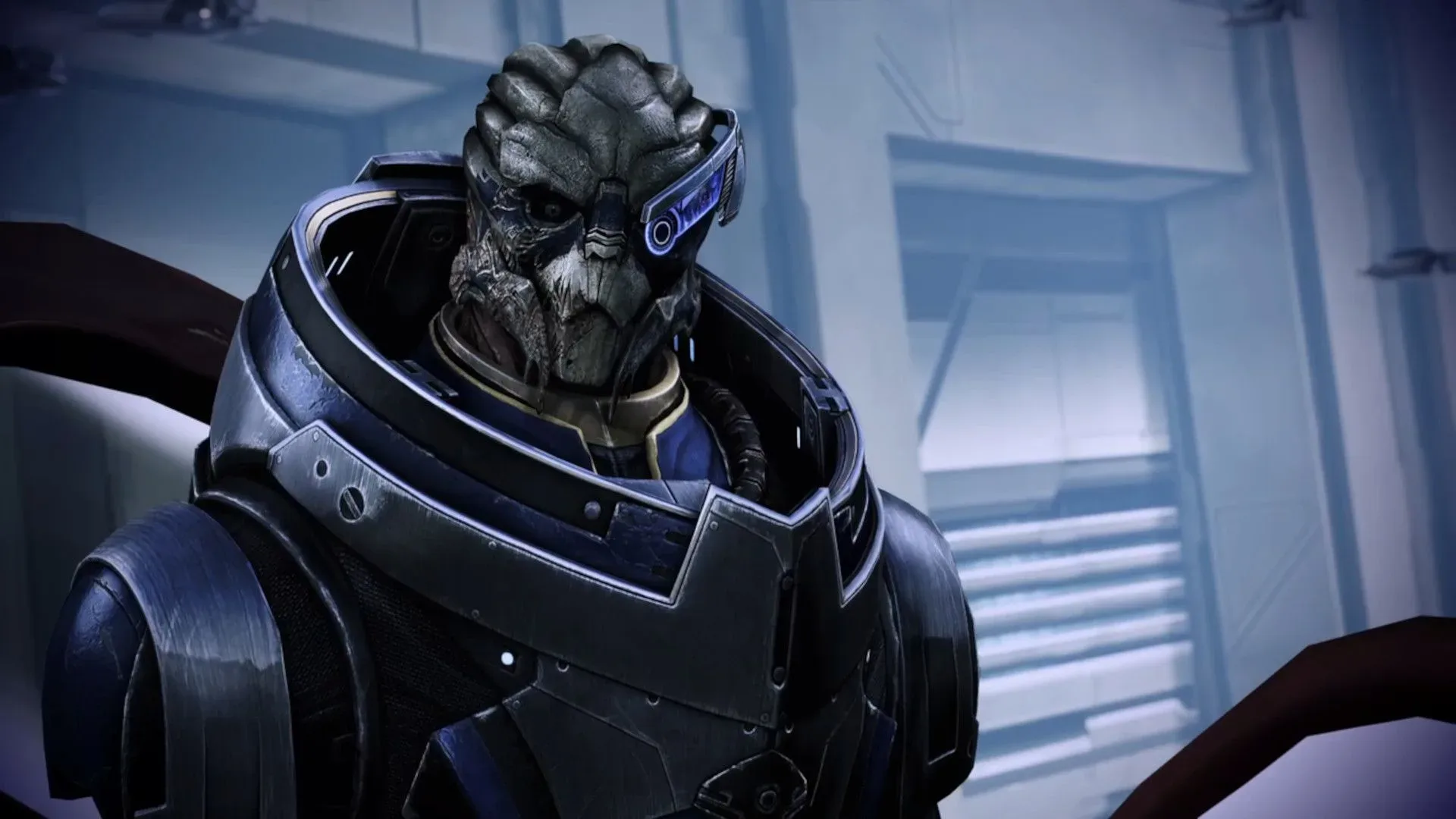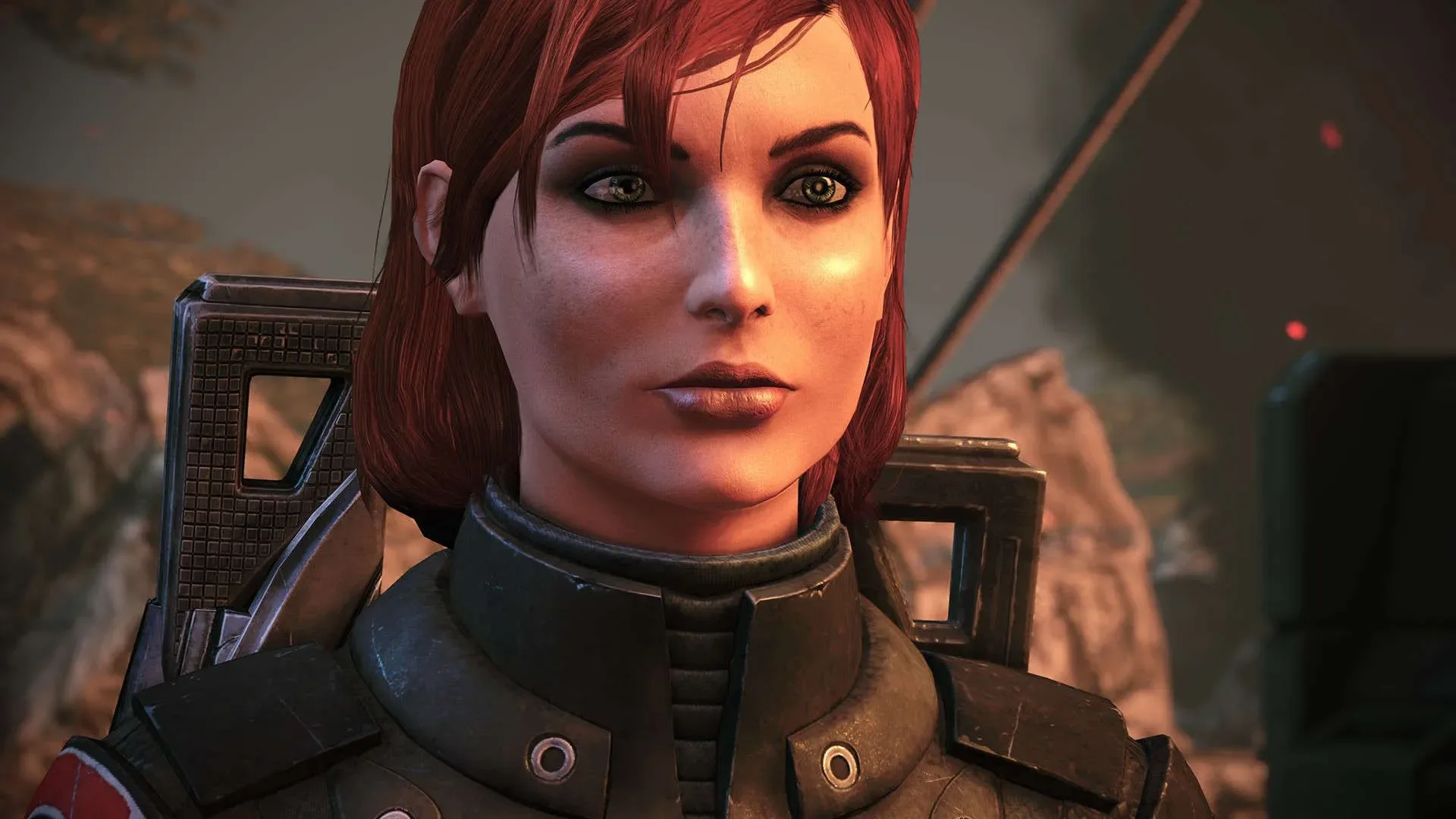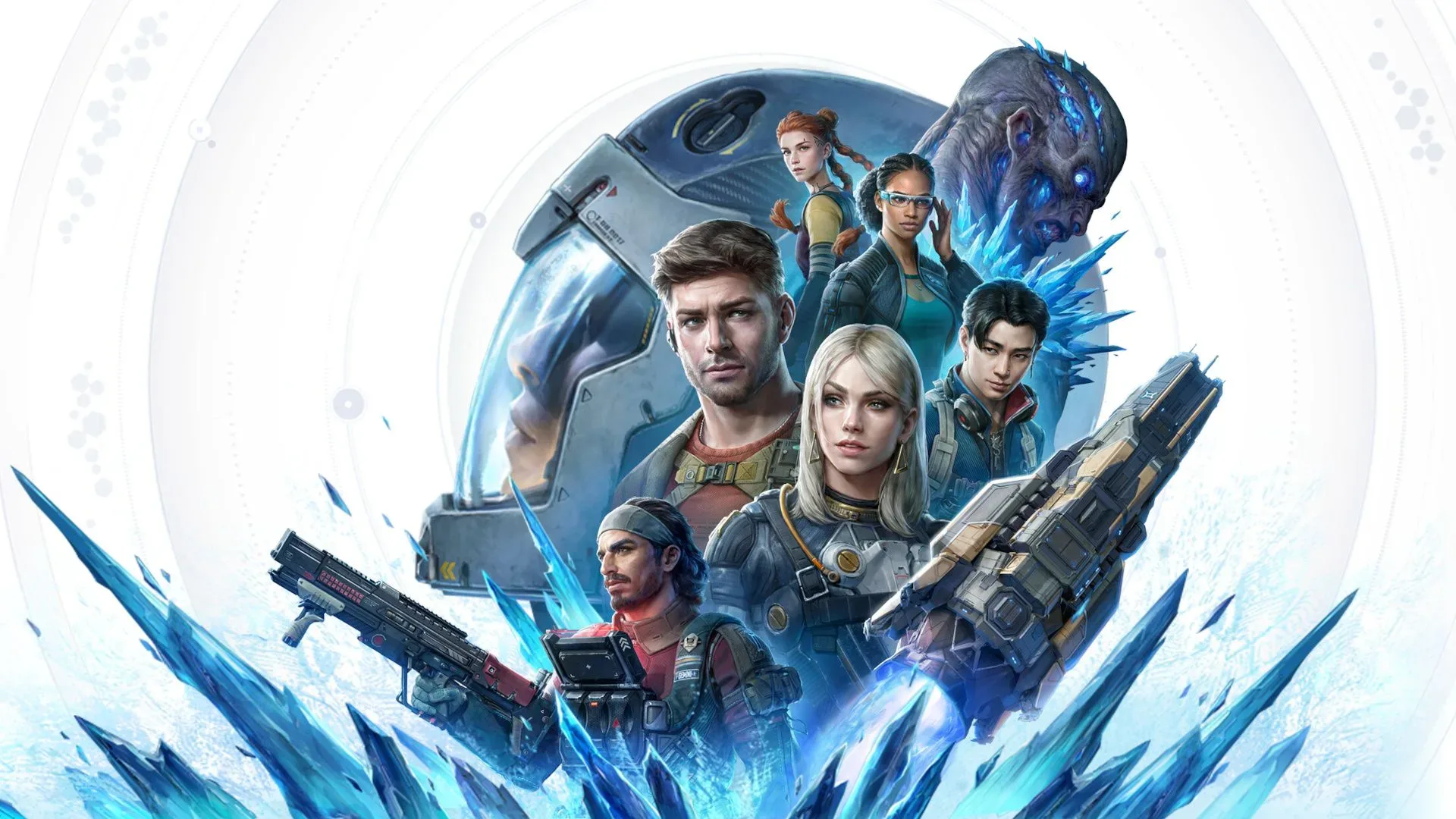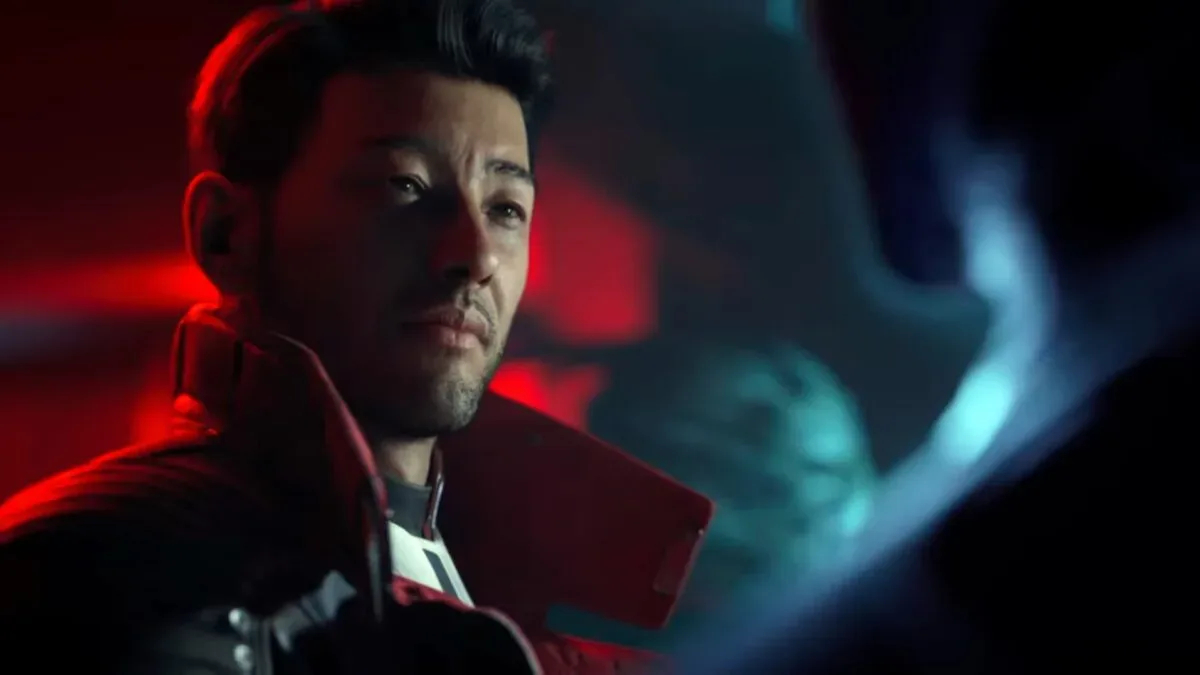
A fan effort to keep Mass Effect moving has graduated from online petitioning to one of New York City’s most visible advertising spaces. The #SaveMassEffect campaign has surpassed 200,000 signatures on Change.org and appeared on a Times Square billboard on October 26, following BioWare’s closure the previous week.
The billboard is a modest purchase with an ambitious purpose: make a dispersed fan campaign visible beyond social platforms and direct attention toward its central request. The petition calls on Electronic Arts either to move the next Mass Effect project to another studio for completion or to license the series to another developer. Neither route is simple, and no response or commitment from EA is established here. But the Times Square display makes clear that supporters are trying to turn a large signature count into a public, coordinated campaign.
A $250 slot with a much larger signal
Kala Elizabeth, a content creator involved with #SaveMassEffect, purchased the billboard time for $250. Times Square’s dense field of digital screens can look like an inaccessible corporate advertising zone from afar, but some placements offer short slots that individuals can buy. That access has also made the location a venue for jokes and memes; in this case, fans have used it for advocacy around a game series.
The campaign says it intends to crowdfund future demonstrations. That wording matters. A short screen placement is not equivalent to a full-scale advertising campaign, and a petition is not a binding vote on a publisher’s production plans. What the display can do is provide a sharable focal point: a physical event for an online movement, one that can be photographed, reposted, and recognized by people who may not have encountered the petition.
In practical terms, the effort is asking for attention rather than claiming to have secured a development outcome. The distinction is important amid the uncertainty around the franchise. The organizers’ two requests—transferring the project or licensing the property—also point to different possible paths. Moving work internally or to another team would mean one form of continuation; licensing could mean a separate developer receives permission to make a new entry. The campaign supports either outcome because its stated priority is that the series continue.
Why the billboard says “Keelah Si’yah”
Rather than centering the animation on a conventional corporate callout, the billboard uses “Keelah Si’yah”, a Quarian expression that roughly means “By the homeworld I hope to find one day.” It is an especially pointed choice for a campaign built around preserving a future for Mass Effect.
Quarians are associated with a homeland they have not seen: Rannoch. The phrase speaks to aspiration, distance, and a hoped-for arrival rather than a guarantee. That makes it useful shorthand for fans who see the series’ future as unresolved. It also avoids treating a franchise campaign as though it has already won. The message is hopeful, but the hope is precisely the thing being argued for.
The wording has a specific connection to the franchise’s later fiction and games. “Keelah Si’yah” is the name of the Quarian Ark in Mass Effect: Andromeda and in the tie-in novel Annihilation. The name reflects travelers crossing dark space toward another galaxy, seeking a place that can become home.
Related coverage includes #SaveMassEffect Takes Its Campaign to Times Square After Petition Passes 200,000 Signatures.
Elizabeth initially submitted a different and more widely recognized Quarian saying: “Keelah Se’lai,” approximately “By the homeworld I hope to see someday.” It was changed in part to reflect that Annihilation author Catherynne M. Valente had been working on Universe. That adjustment turns the billboard’s language into a narrower reference to the project now at the center of the fan push, while retaining its larger thematic meaning.
There was another revision for a more practical reason. An early version used BioWare’s name and was flagged on copyright grounds, so that name was removed. The #SaveMassEffect branding remains. The episode illustrates a limitation that fan organizers must work within even when their goal is to advocate for an existing property: paid-display services have their own rules around names and intellectual-property references. A message can be emotionally connected to a series without being able to use every desired logo, studio name, or piece of branding.
What the campaign is responding to
The push followed BioWare’s closure and the resulting uncertainty around the fifth game, referred to as Mass Effect: Universe. In the aftermath, leaks emerged, including an internally used cinematic trailer and plot details attributed to people who said they had consulted on the game. Those reports have fueled fan concern, but leaked materials and accounts attributed to purported consultants should not be confused with a confirmed public production plan.
That uncertainty is a key part of why the petition’s language is broad. It does not present a finished game as a guaranteed release waiting to be switched back on. Instead, it asks EA not to leave the license dormant and proposes two mechanisms through which the series might survive. Fans are rallying around the prospect that work connected to Universe could be completed or that Mass Effect could continue in another form under a different developer.
For readers following the reported direction of the project, earlier reporting on the alleged save-linked timelines and parallel-realities concepts for Mass Effect: Universe offers more context—but the operative word remains “reported.” The campaign itself is driven by the known closure and the fans’ desire for a future, not by a confirmed roadmap for how that future would be made.
What 200,000 signatures can and cannot mean
Crossing 200,000 signatures is a substantial measure of participation, especially for a campaign organized after a studio closure. It demonstrates that the issue has reached far beyond a tiny group of organizers and that supporters are willing to attach their names to a specific request. It also gives organizers a concrete figure for press attention, social sharing, and fundraising.
It does not, by itself, determine whether a game is viable to finish, where it could be developed, or whether a license could be granted. Those decisions would involve rights, staffing, budgets, schedules, technical ownership, and the publisher’s business priorities—details not addressed by the petition count or the billboard. A public campaign can communicate demand; it cannot supply the development arrangements needed to act on that demand.
That is not a reason to dismiss the gesture. The campaign’s value is most evident as organization and visibility. The billboard gives a large community a symbol, while the petition gives it a measurable collective action. Crowdfunding plans suggest organizers want to sustain that visibility rather than rely on one viral moment. Whether that changes a corporate decision is unknown, but the fans have made their preferred outcome unusually visible.
A franchise message built around hope, not certainty
The most effective element of the billboard may be its restraint. “Keelah Si’yah” does not attempt to settle questions the fans cannot settle. It does not promise a release date, announce a studio, or claim that Universe is saved. It invokes an idea familiar to the series: people traveling through uncertainty toward a home they want to find.
That is also the clearest reading of #SaveMassEffect’s present position. The campaign has a petition exceeding 200,000 signatures, one day of Times Square screen time, and an intention to fund further public actions. It has a defined ask for EA, but no announced resolution. For now, the billboard is less a victory lap than a highly visible request to keep the door open.