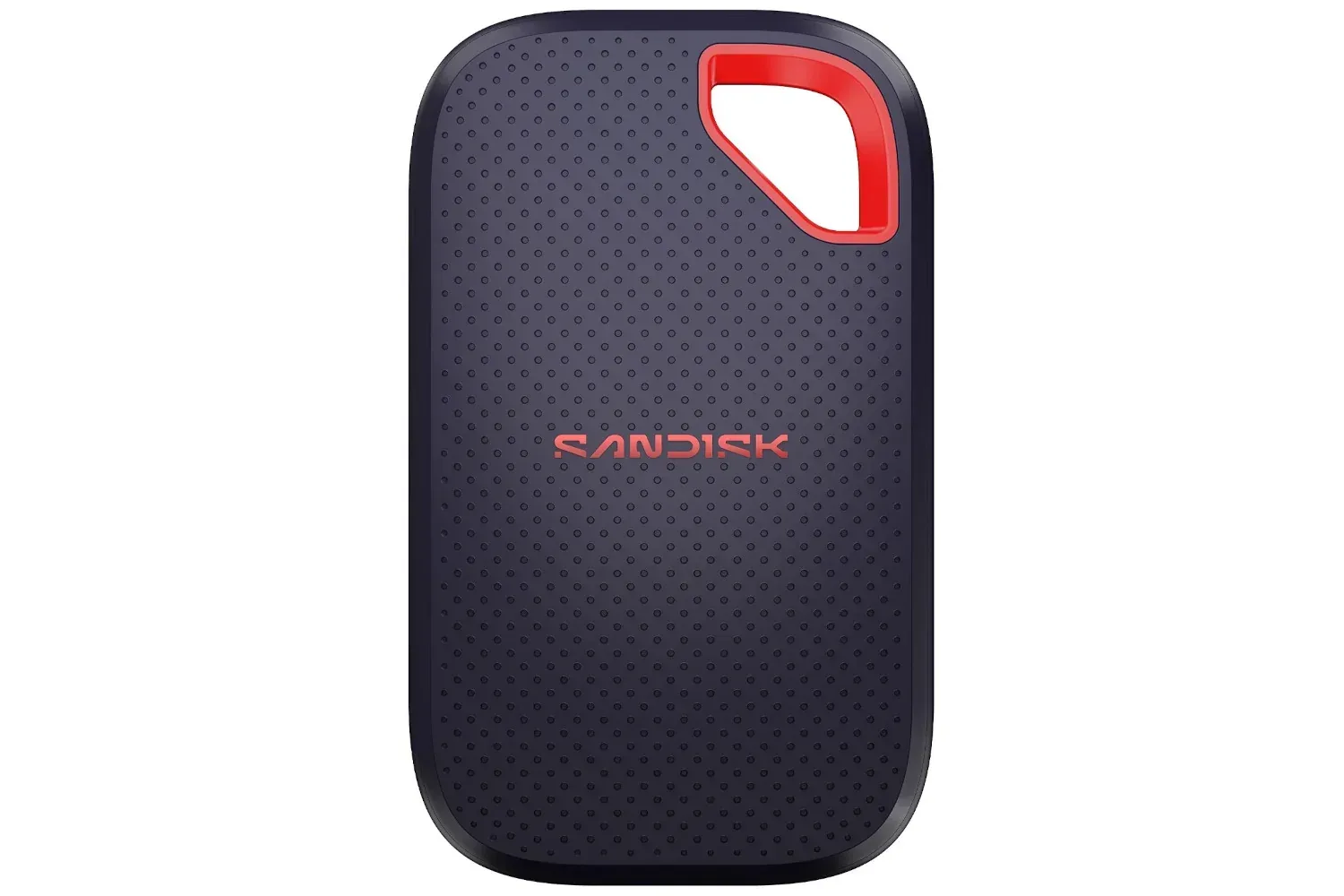
Portable storage is having its annual moment in the Black Friday spotlight, and the 1TB SanDisk Extreme Portable SSD is listed at $199, down from a stated regular price of $300. That is a $101 reduction for a compact external drive positioned around fast file transfers, flexible device-to-device use and a more rugged design than a typical desk-bound storage device.
The value proposition here is not simply that the drive holds 1TB. The key claim is performance: the SSD is rated for transfers of up to 2,000MB/s, while its IP65 water- and dust-resistance rating and advertised protection from drops of up to three metres are meant to make moving files less nerve-racking when the drive leaves the house. For players, creators and anyone whose storage needs extend beyond one computer, that combination is the relevant part of the deal.
What the $199 deal includes on paper
- Capacity: 1TB.
- Listed sale price: $199.
- Stated regular price: $300.
- Claimed transfer speed: up to 2,000MB/s.
- Durability claims: IP65 water and dust resistance, plus drop protection up to three metres.
- Form factor: portable external SSD storage.
That is a useful specification mix because capacity, speed and portability solve different problems. A terabyte provides room for backups, large video files, project folders and a library of files that no longer need to occupy a computer’s internal drive. Transfer speed affects how long it takes to move those files. Portability means the storage can travel between compatible devices without depending on an internet connection or a cloud transfer.
In other words, an external SSD can be a working copy of important material, a shuttle for files between machines, or a backup destination. Those are separate jobs, although one drive may be used for more than one of them. Anyone shopping the deal should decide which role matters most before treating 1TB as an automatic answer to every storage issue.
Why the speed rating matters
SSD means solid-state drive: storage with no moving mechanical components. In practical terms, the stated advantage in this listing is the claimed ability to transfer data at up to 2,000MB/s. “Up to” is important language. It describes a maximum rather than a promise that every file copy, system and connection will reach that number.
Actual transfer performance can vary with the device on the other end, the connection in use, the kinds of files being copied and the work the drive is doing at the time. A large continuous file can behave differently from a folder full of many small files. That does not make the headline rating meaningless; it makes it a ceiling to interpret sensibly rather than a guaranteed everyday result.
For gaming-related storage, fast transfers are most immediately helpful when moving large installed games or media files, making backups, or keeping a game library from monopolising a primary drive. The drive is described as capable of gaming use with strong loading times, but shoppers should still check the storage and compatibility rules of their own PC or console before buying for a particular platform. The supplied details do not establish installation or play support for every system.
The broader lesson is simple: a fast external SSD can reduce the waiting around a storage workflow, but it does not override a device’s own connection limits or platform restrictions. A potential buyer who needs a drive for one specific machine should confirm the port, cable requirements and supported external-storage use at the point of purchase.
Related coverage includes SanDisk 1TB Extreme Portable SSD Drops to $199 for Black Friday.
Portable storage has a different job from internal storage
An internal drive is installed inside one device. An external portable SSD is designed to be connected when needed and carried elsewhere. That distinction is why a compact external drive can be especially useful for households with more than one computer, for a creator transferring a project, or for a player who needs to move files without leaning on a network connection.
That flexibility also makes the SanDisk unit a potential offline backup tool. Photos, video and creative work can be copied to the drive and taken away from the main machine. It is worth separating the term backup from ordinary storage, though. Copying files to an external SSD can create a second copy, but it remains one physical device. A careful backup plan should consider where the original is, whether a second copy exists and whether the portable drive itself is stored safely.
The portability that makes a drive convenient is also why physical protection matters. A drive that moves among bags, desks and workspaces has more opportunity to be knocked or exposed to dust than storage that stays inside a PC. The IP65 rating means this model is presented as resistant to dust and water, while the three-metre drop-protection claim addresses accidental falls. Those ratings are meaningful practical reassurances, but they should not be interpreted as permission to deliberately expose the drive to water or rough treatment.
Who should consider it
The offer is most straightforward for someone who has a clear need for quick, portable capacity. That could include a person whose laptop is short on space, someone building an offline archive of photos and videos, or a creator moving projects among devices. Players with constantly expanding install folders may also see the appeal, particularly for transferring or storing game files, provided their intended platform supports the use they have in mind.
The deal is less compelling if 1TB exceeds the buyer’s real needs, if the drive will never leave one desk, or if the intended hardware cannot take advantage of fast external storage. Storage is one of those purchases where a lower price can look universal even when the use case is highly specific.
It is also worth distinguishing capacity from available working space. A 1TB drive is a substantial addition, but large modern games, high-resolution video and creative assets can consume space quickly. The right question is not merely “Is 1TB a lot?” It is “How many of my actual files, backups or installed titles does 1TB represent?” The answer changes dramatically depending on the library.
Before checking out
The $199 price is framed as a Black Friday offer, so it is sensible to verify the live listing, final price and any relevant compatibility details before ordering. Retail promotions can change, and product pages are the appropriate place to check the connection requirements and what is included.
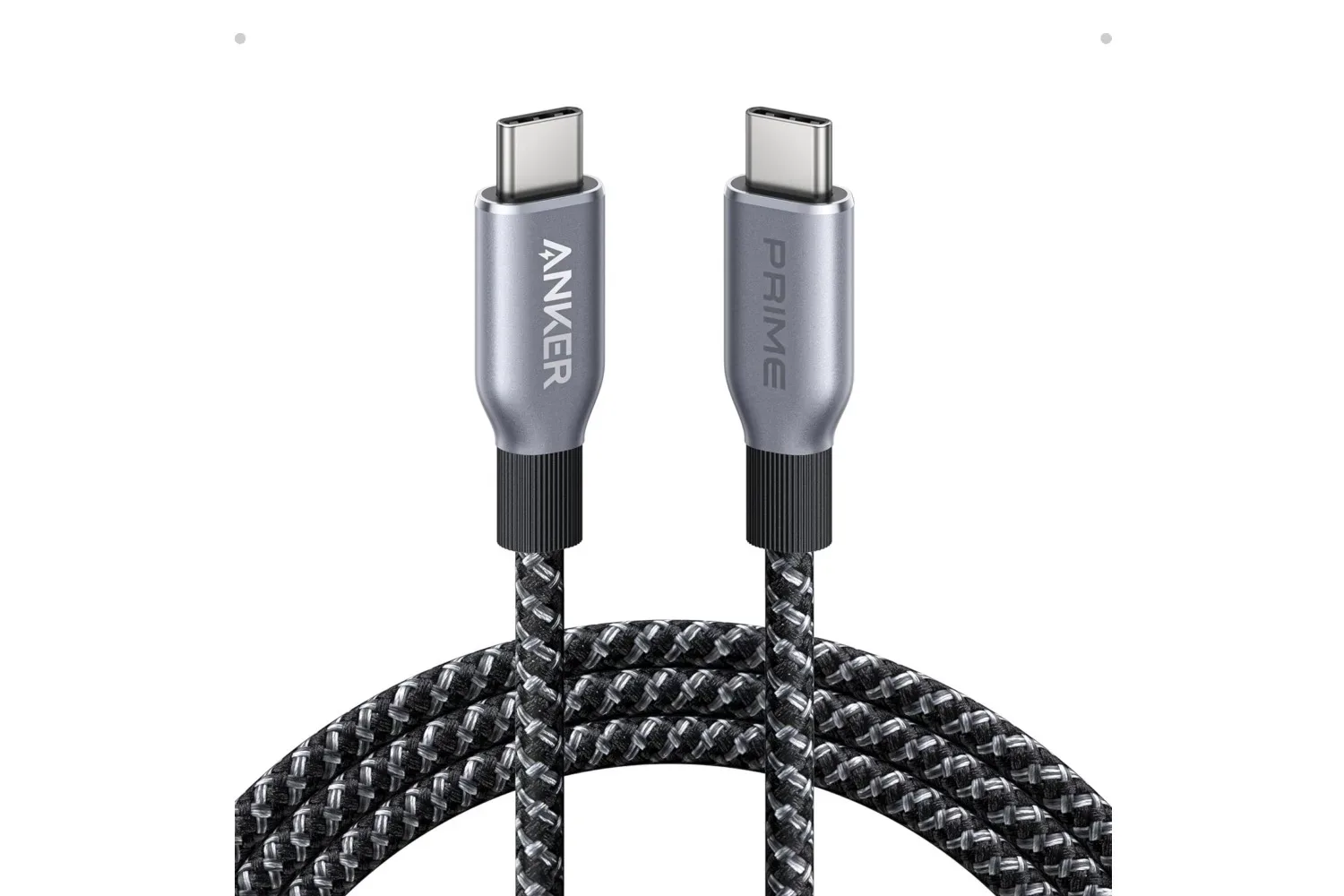
For readers comparing portable gear across a wider setup, a fast external drive may be only one part of the upgrade path. A suitable cable and compatible device matter just as much to the real-world experience as the storage itself. Joking Joystick has also covered an Anker Prime 240W USB-C cable deal, though buyers should assess cable specifications against their own equipment rather than assuming any USB-C cable will deliver the same data performance.
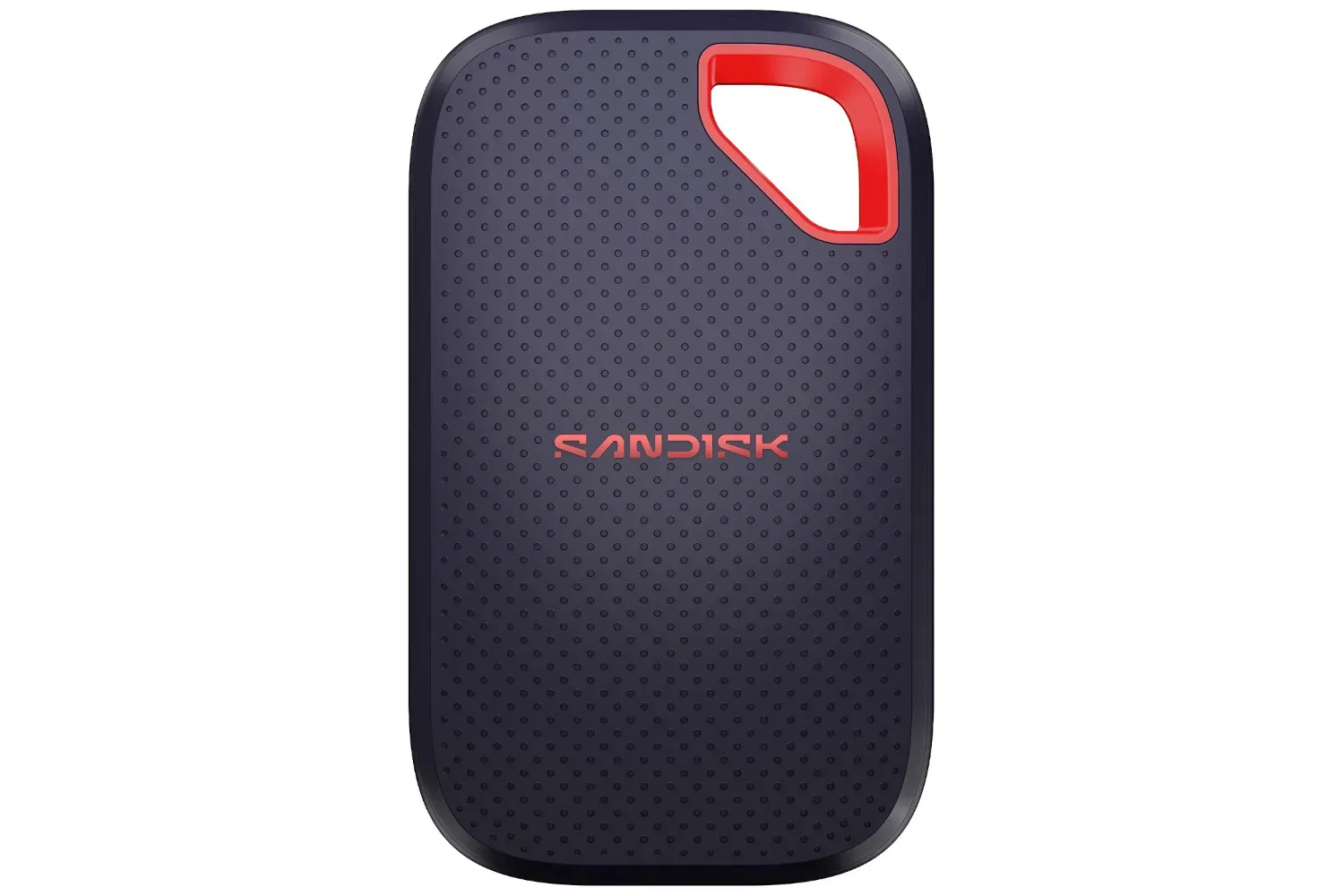
At the stated $199, this SanDisk 1TB Extreme Portable SSD stands out because the price cut is attached to more than raw capacity. The listed 2,000MB/s transfer ceiling, IP65 rating and three-metre drop protection make it a storage option aimed at files that need to move as well as files that simply need somewhere to live. For buyers who can use that mobility and who confirm their device requirements, the discount provides a strong reason to consider an external SSD now rather than waiting for internal storage to fill completely.
Shop the products
Check current price, model and availability at the retailer.