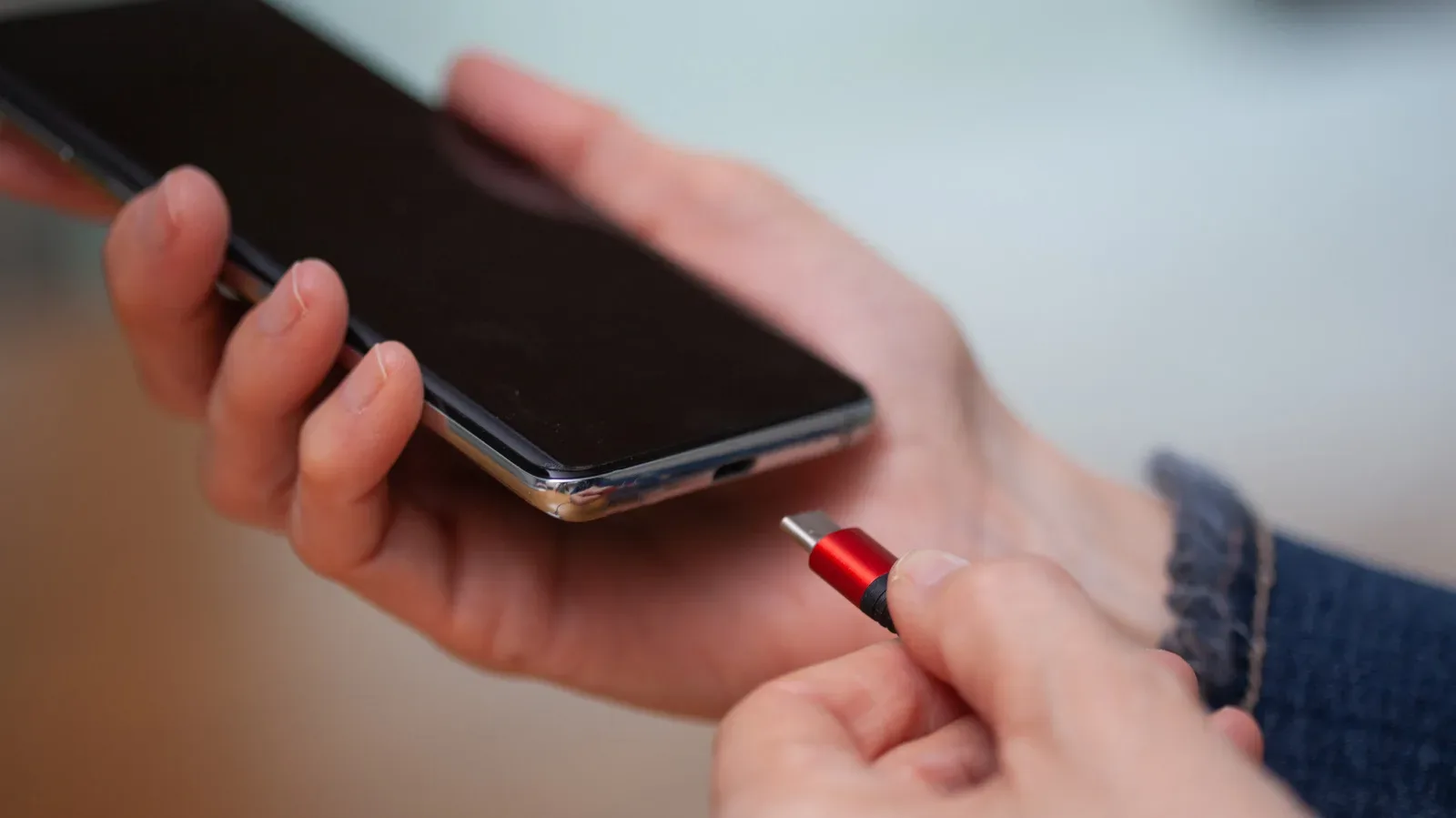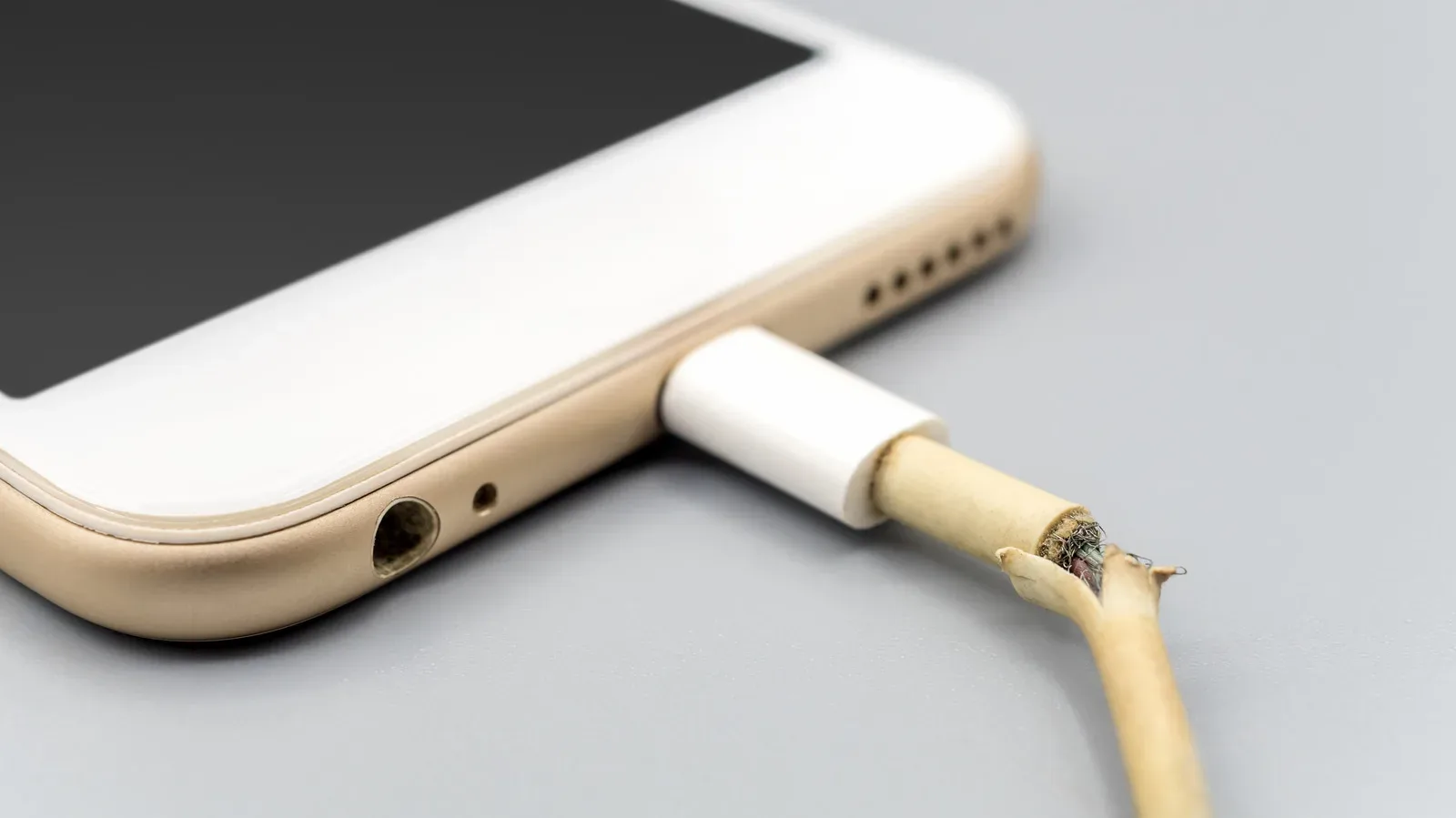
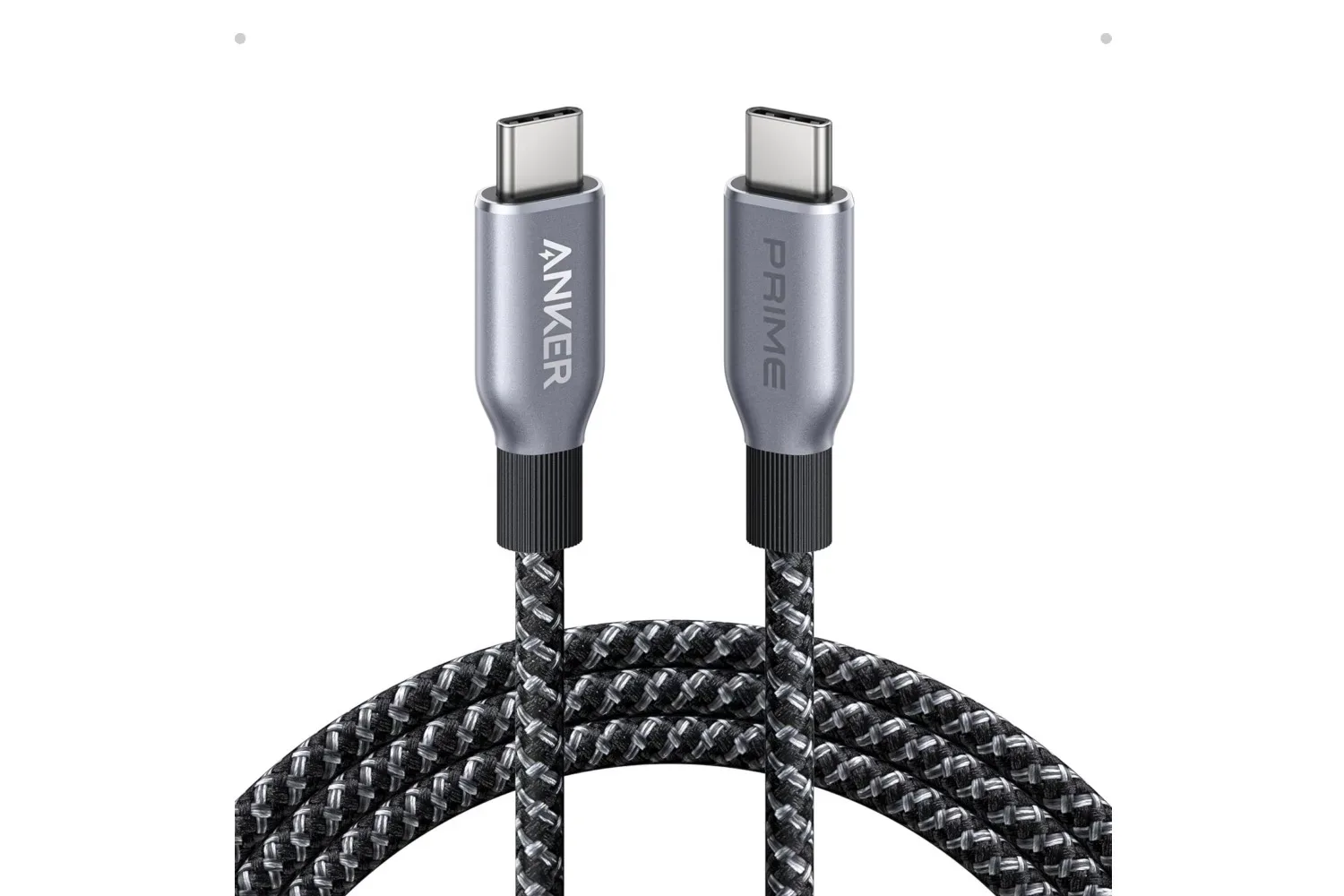
A cable is easy to treat as the least exciting part of a desk, travel bag or gaming setup—right up until the old one begins fraying, becomes too short for the outlet, or cannot keep up with a laptop’s power needs. The 6-foot Anker Prime USB-C to USB-C cable is listed at $27, a reduction from its stated $35 regular price. That is a 24% discount for a cable whose headline specification is support for up to 240W of charging power when used with compatible equipment.
The deal is chiefly about capability and durability rather than a flashy new device. Anker also sells the cable in 1-foot and 3-foot lengths, and those sizes are discounted as well. The right choice depends less on getting the longest possible cable and more on where it will live: a one-foot cable can reduce clutter at a charger stand or battery pack, while a six-footer provides more freedom between a wall outlet and a couch, desk or bedside table.
What 240W means—and what it does not mean
Watts are a measure of power. In the context of charging, the 240W figure describes the cable’s maximum supported power delivery, not a promise that every device plugged into it will receive 240W. A phone, tablet or laptop determines what it can accept, while the charger also has to be able to supply the necessary output. The final result is limited by the least capable part of that chain.
That distinction matters. Connecting a phone to a 240W-capable cable does not turn the phone into a 240W charging device. Likewise, pairing the cable with a lower-output power adapter will not create additional adapter output. What the cable offers is headroom for devices that need more power, including laptops, while allowing one USB-C-to-USB-C lead to cover less demanding gear, too.
For buyers trying to simplify their carry kit, that is the important practical case. A high-capacity cable may be able to serve as the cable they use for a laptop, tablet and phone, provided each device has USB-C charging and the charger and device support the relevant power level. It is a convenience decision as much as a speed decision: fewer cables to track means fewer chances to arrive with the wrong one.
Anker says the cable can charge a 16-inch MacBook Pro with an M3 Pro chip from zero to 50% in 26 minutes. That is a useful illustration of its intended workload, but it should be read as a manufacturer-provided example rather than a universal timing guarantee. Charging results can vary with the charger, the device, battery state and other conditions. The central takeaway is simply that this is positioned for laptop-class charging, not merely as a spare phone cable.
Durability is a meaningful part of the pitch
High power is only helpful if the cable remains usable. Anker says the Prime cable is engineered to withstand more than 300,000 bends. “Bend” figures are usually best understood as a durability benchmark rather than an invitation to aggressively twist or sharply kink a cable. Still, the stated target addresses a familiar failure point: the repeated flexing near each connector when a cable is packed, pulled across a desk or used while a device charges.
For an everyday setup, this claim suggests a cable intended for regular handling rather than one that needs constant protection. It does not remove the value of sensible care. Avoiding harsh bends, strain at the connector and unnecessary pulling remains worthwhile, especially because a USB-C cable used for laptop charging may spend much of its time carrying more power than a basic phone lead.
Related coverage includes What Anker’s 240W USB-C cable actually offers phone owners.
Temperature resilience is another part of Anker’s claim. The company says the cable continued to work after 72 hours in conditions ranging from -40°F to 176°F. That is an unusually broad stated range and makes the cable sound well suited to travel bags, vehicles and homes where conditions are not always ideal. As with the bend rating, it is a manufacturer claim about testing and endurance—not a reason to seek out extreme conditions. Its useful implication is peace of mind for ordinary transportation and storage.
Compatibility: check the whole charging chain
The cable has USB-C connectors at both ends. That makes it relevant to many current phones, tablets and laptops, but the connector shape alone is not the entire compatibility story. Before buying, it is sensible to check three things:
- Your device’s charging port: The device needs USB-C charging for a USB-C-to-USB-C cable to connect directly.
- Your power adapter: The adapter also needs a USB-C output, and its own output rating determines the power it can provide.
- Your preferred cable length: A cable that is too short may be frustrating; one that is substantially too long can create unnecessary slack in compact setups.
Anker specifically identifies support across recent iPhones, MacBook Air models from 2018 through 2025, MacBook Pro models from 2017 through 2025, third- through sixth-generation 12.9-inch iPad Pro models, Lenovo Yoga 14s systems, Lenovo ThinkPad X1-series laptops, HP Spectre systems and Google Pixel phones. That is a broad collection of examples, but it should not be mistaken for a complete list of every compatible product. The double-USB-C design and a device’s own USB-C charging requirements remain the details to verify.
Gamers with a portable PC or a USB-C-charging laptop may find the six-foot length especially useful when an outlet is not positioned close to a play space. It can also make a tidy desk more realistic: place the charger where it is convenient rather than where the shortest cable dictates. The cable should not be confused with a charger, however. It does not replace the power brick, and the stated 240W maximum only becomes relevant where the other hardware can use it.
Choosing among the 1-foot, 3-foot and 6-foot versions
The availability of three lengths is not a minor footnote. Cable length shapes how a setup feels every day.
- 1 foot: Best suited to compact jobs, such as connecting a nearby charger or keeping a power-bank arrangement compact. It is the option for minimizing excess cable.
- 3 feet: A middle-ground choice for a desk, bedside table or travel kit where some flexibility matters but six feet would be excessive.
- 6 feet: The choice for extra reach around furniture, hotel rooms and outlets that sit inconveniently far from a work or play position.
Longer is not automatically better. Extra length can be genuinely useful, but it also needs to be managed when packed or used in a small space. The included cord organizer is therefore more practical than it may sound; it gives the cable a dedicated way to stay gathered in a backpack or drawer. The package also includes a welcome guide and what Anker describes as an everlasting warranty. Potential buyers should review the warranty terms before treating that phrase as a guarantee of a particular remedy or duration.
Who this deal makes sense for
The reported $27 price is compelling primarily for someone who needs a durable USB-C-to-USB-C cable with enough power capacity for a laptop as well as smaller devices. It is less about buying a cable because it has a large number on the box, and more about avoiding the need to separate “laptop cable” and “phone cable” roles when one well-specified lead can handle both.
It is also an upgrade path for a visibly worn cable. Fraying or unreliable cords are an obvious reason to replace one, but cable length and connector type are equally good reasons. A cable that reaches comfortably and matches the ports already in use can improve a setup without changing the devices themselves.
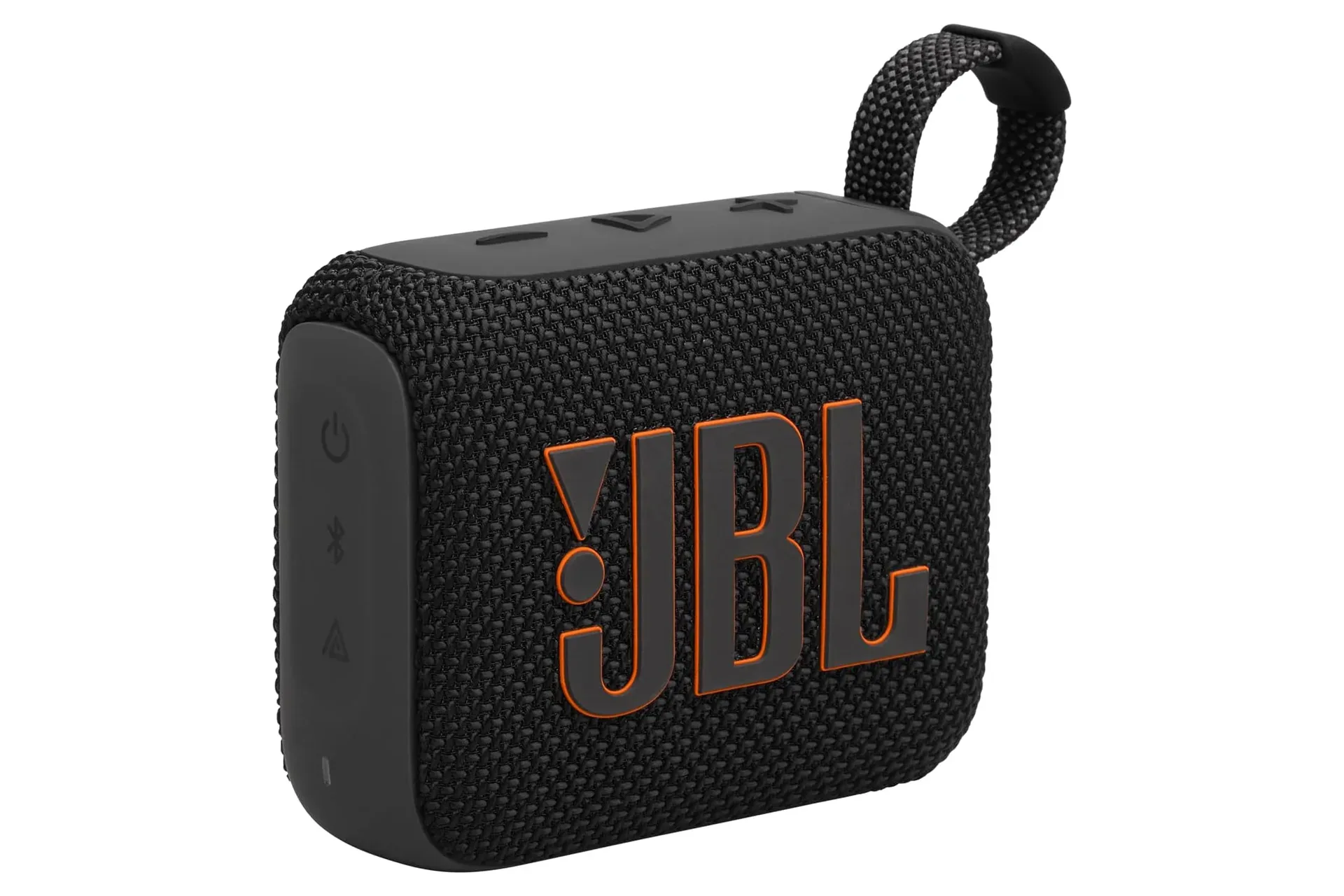
For adjacent portable-audio shopping, our look at the JBL Go 4’s discounted compact Bluetooth speaker deal covers another small accessory built around travel-friendly convenience.
What to keep in mind before checking out
Prices and discounts can change, so the $27 figure should be verified at the retailer before purchase. The same goes for the discounted status of the 1-foot and 3-foot variants. Delivery terms may differ by shopper; Prime members are stated to receive free delivery.
Most importantly, buy the length that solves a real problem and confirm that your charger, device and desired connector arrangement match. The Anker Prime cable’s 240W ceiling, claimed high bend resistance and stated broad device compatibility give it a strong case as a long-term USB-C cable. But its best feature is not that every device will charge at 240W. It is that a compatible high-power cable can remain useful as the mix of phones, tablets and laptops around a home or travel bag changes.
Shop the products
Check current price, model and availability at the retailer.