A portable speaker is only genuinely portable if it can tolerate the places people actually bring one: a sandy bag, a wet bathroom counter, a crowded desk, a backpack strap, or the edge of a pool. JBL’s Go 4 is built around that small-scale, low-fuss use case, and its Cyber Monday price makes the proposition more compelling. The speaker is listed at $31, reduced from $49, a 36% discount.
The offer applies to the JBL Go 4 in Blue and is also stated to cover six color options, including Purple and the multicolor Squad version. It is available to all shoppers rather than being restricted to a membership program. That matters for a low-cost gift or a spare speaker purchase: the price is simple, the product is compact, and the different finishes make it easier to avoid handing several people identical-looking gadgets.
A small speaker designed for ordinary messes
The Go 4’s central specification is its IP67 rating. “IP” stands for Ingress Protection, a classification used to describe resistance to dust and water. In this case, the first 6 indicates dust protection, while the 7 indicates water resistance. In practical terms, JBL positions the speaker for environments where sand, splashes, rain, or poolside use are realistic concerns rather than instant disasters.
That does not mean every water-related scenario should be treated the same. A rating is useful because it sets a durability expectation, not because it turns a Bluetooth speaker into an object that needs no care. Owners should still make sure the charging connection is dry before plugging in a cable and follow the product guidance for use and cleaning. But for someone who wants music near a shower, picnic blanket, pool, or beach bag, dustproof and waterproof construction is much more meaningful than it would be on a speaker intended to live permanently beside a monitor.
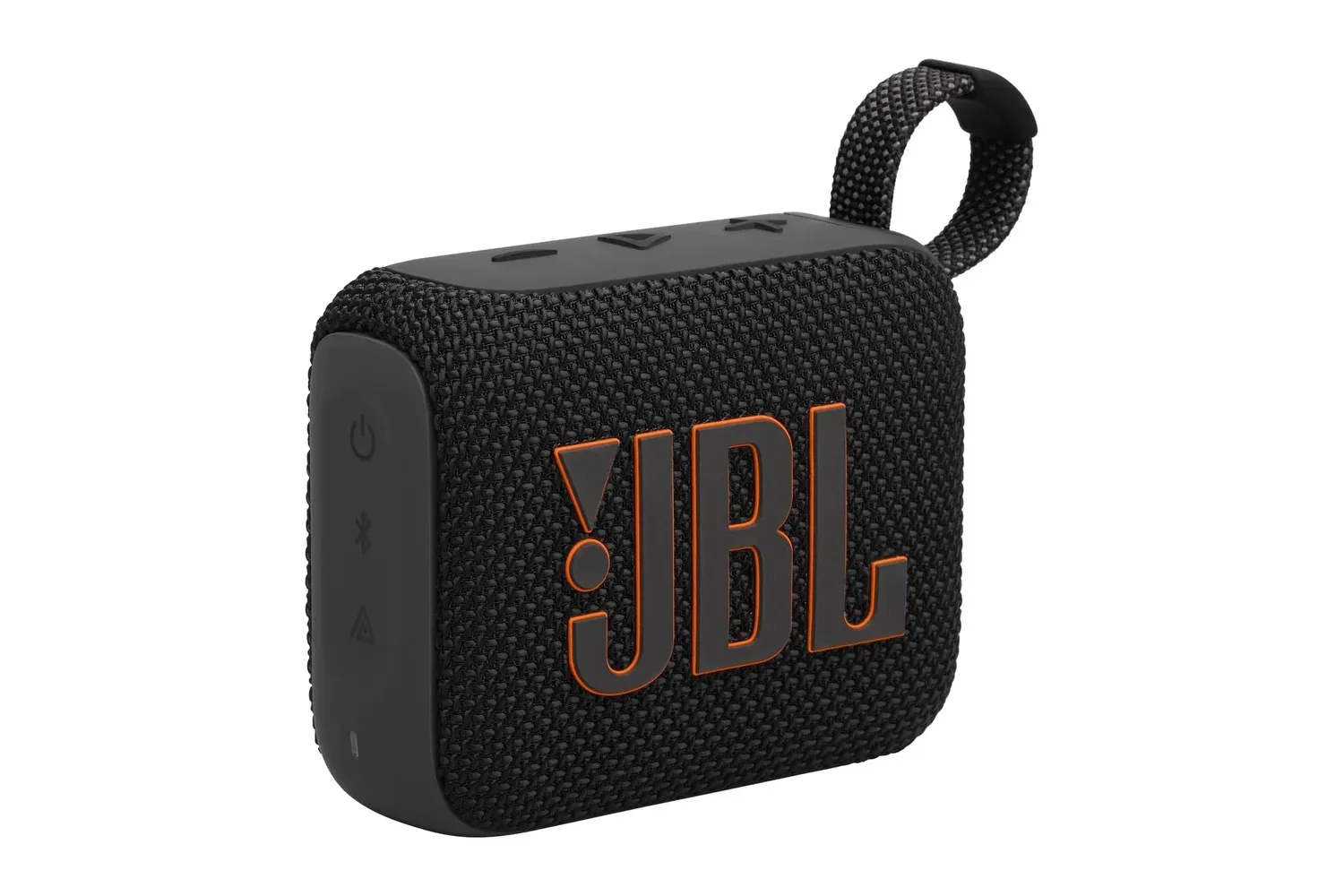
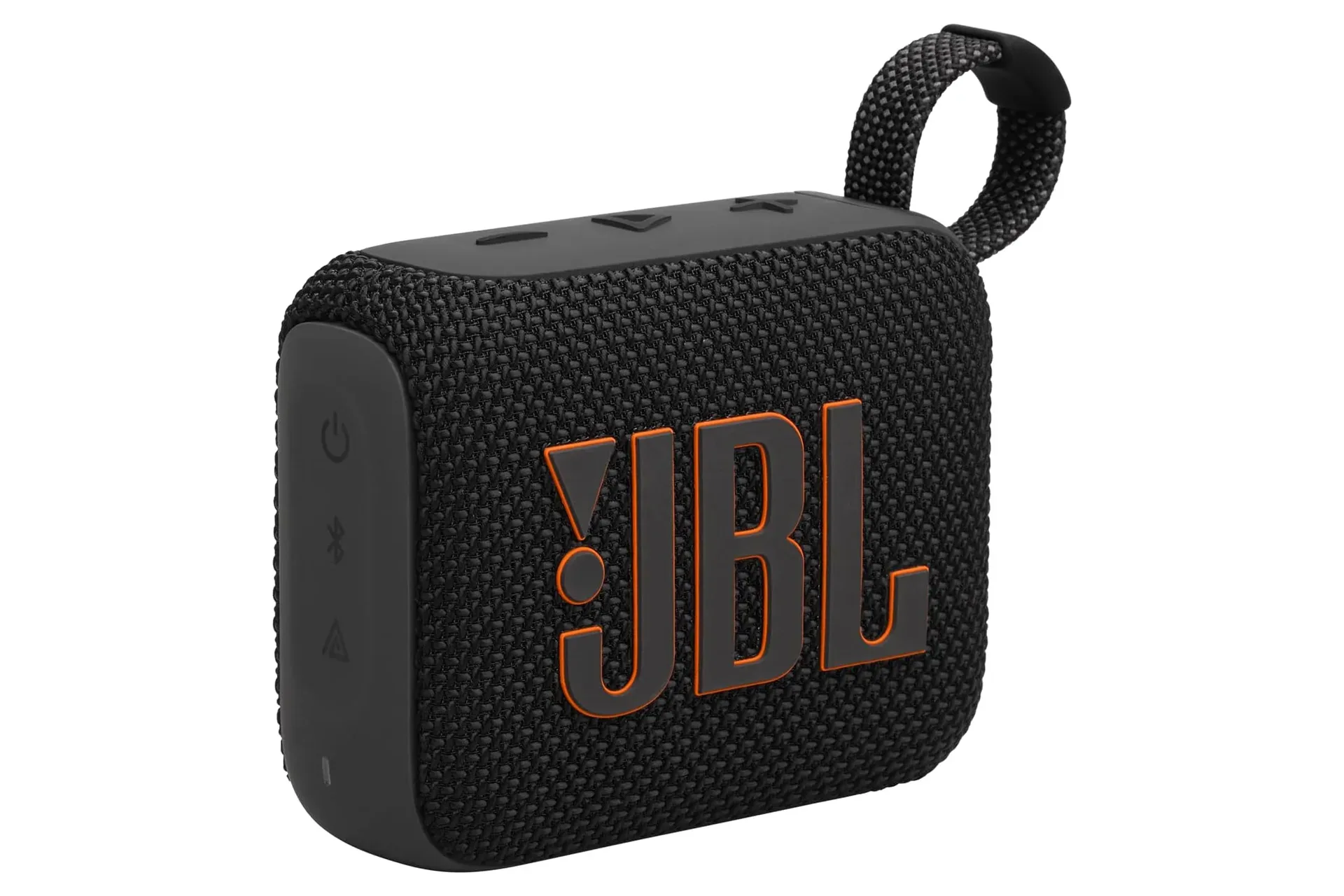
The physical design reinforces that role. The Go 4 is small enough to fit in a palm, and a loop on its side can be used to attach it to a backpack strap or hang it from a shower caddy. That is a modest feature, but it solves a very practical problem: portable gear is more useful when it can be kept out of the way and off damp or dirty surfaces.
What to expect from its sound
JBL says the Go 4 delivers punchier bass than its predecessor. Bass refers to the lower-frequency portion of sound—the kick of a drum, the weight in a bassline, and the low-end body that can make music feel thin when it is missing. Producing convincing bass is difficult in an extremely compact speaker because small enclosures and drivers have physical limits.
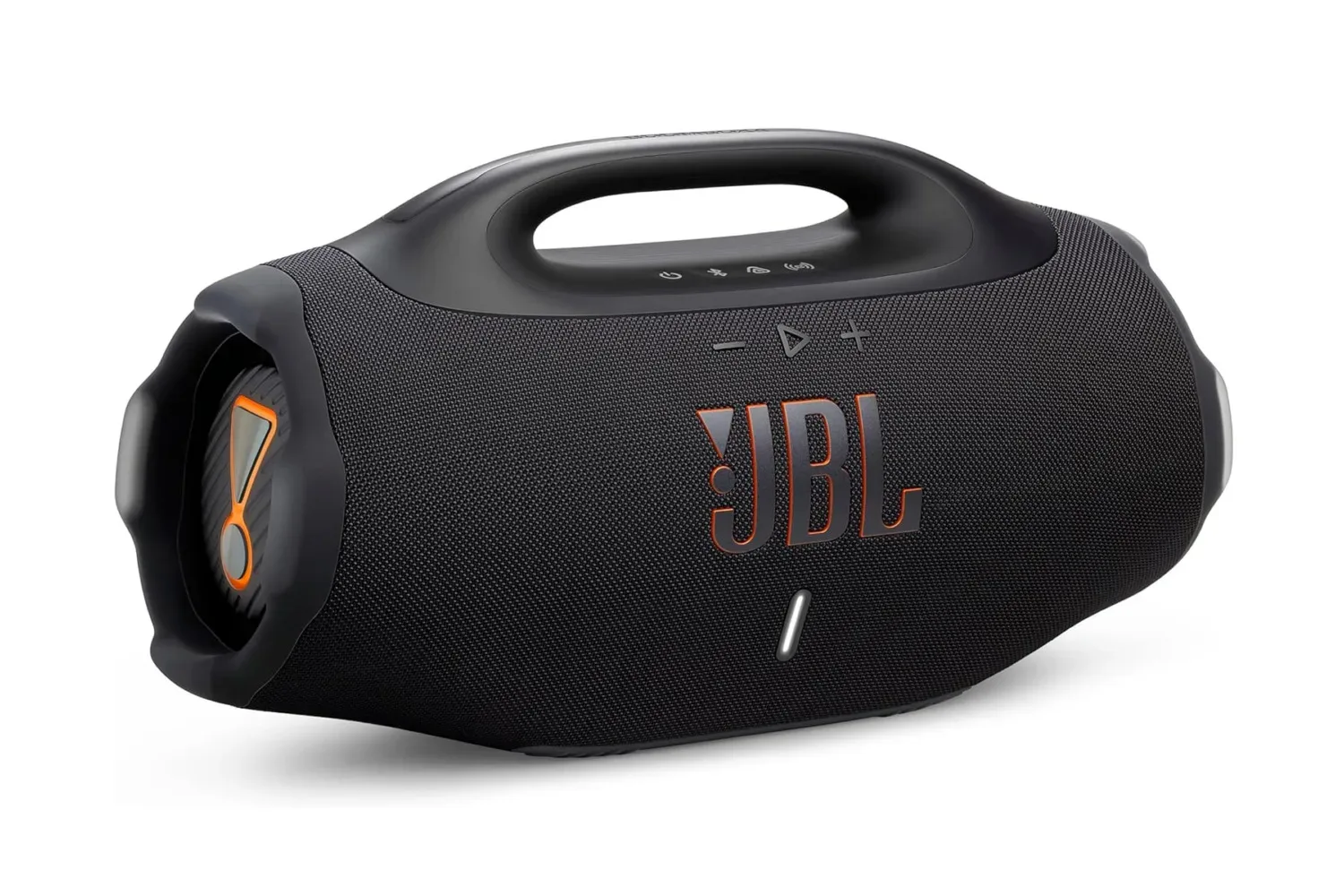
The sensible expectation, then, is not that a palm-size model will fill a backyard gathering by itself. Its stated strengths better fit close-range listening: music in a bathroom, at a desk, during a picnic, or in a small shared space. A speaker of this size can be a substantial improvement over a phone’s built-in output without pretending to replace a larger portable speaker or a home audio setup.
That distinction is especially useful for gift buyers. The Go 4 makes more sense as a personal, carry-anywhere device than as a single solution for every party or room. Its value comes from convenience, durability, and easy placement—not from attempting to overpower a loud outdoor crowd.
Related coverage includes JBL Go 4 drops to $31 at Amazon for Cyber Monday.
Battery and charging: the everyday details count
JBL rates the Go 4 for up to seven hours of battery life. Its Playtime Boost mode can add up to two more hours when extra runtime is needed. Battery estimates are usage claims rather than a guarantee of identical results in every setting, but the stated figure frames the speaker as an afternoon companion rather than a device that must be charged after every short session.
USB-C charging is another small but welcome practicality. USB-C is the reversible connector now common across many phones, tablets, handheld accessories, and other everyday electronics. Sharing a cable reduces the number of one-purpose chargers to carry, which is precisely the kind of friction a small travel-oriented speaker should avoid creating.
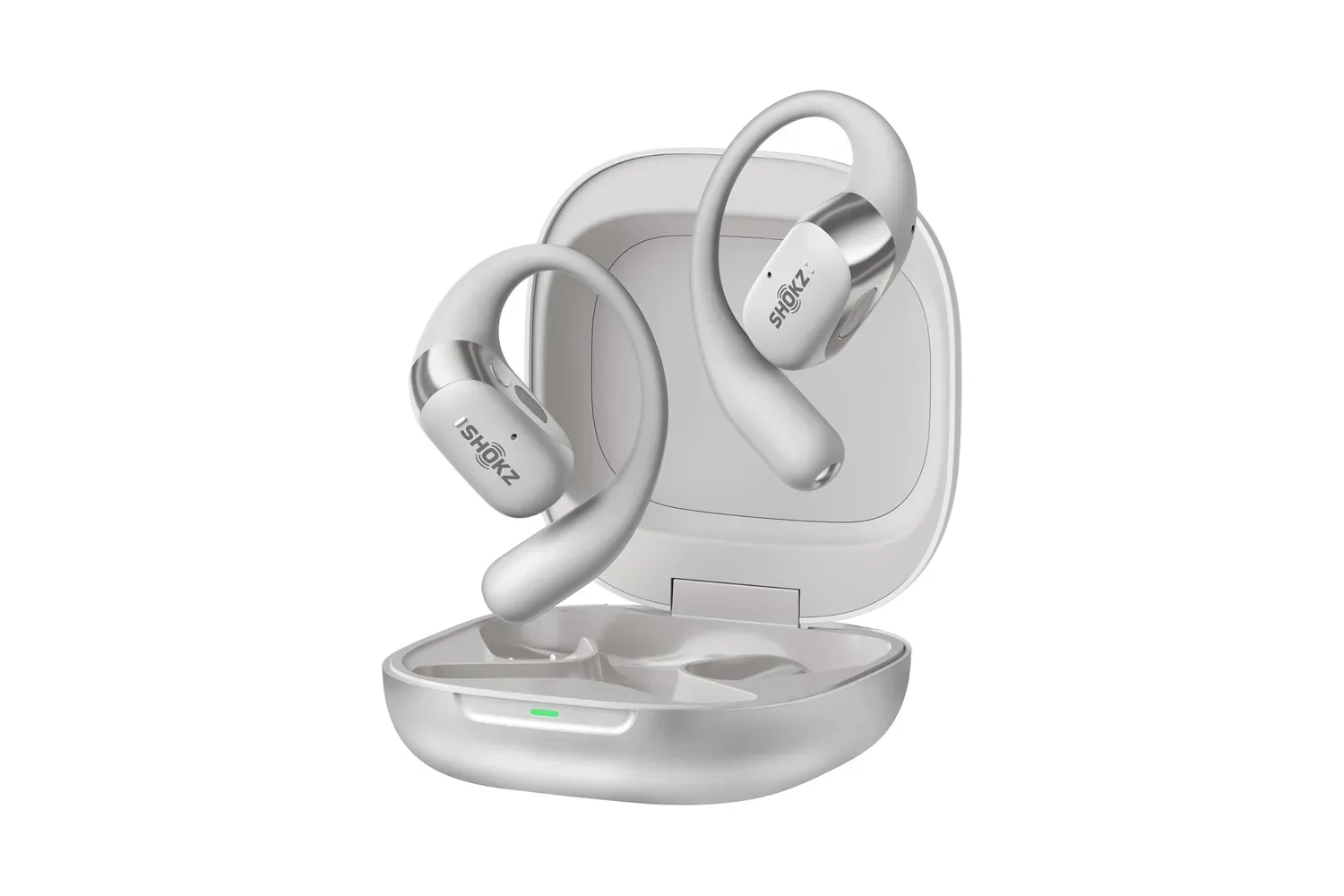
For shoppers comparing compact audio products, it is also worth separating speaker battery life from the battery figures used for wireless earbuds. A Bluetooth speaker’s quoted runtime is generally about continuous playback from the speaker itself; earbuds often advertise a smaller per-charge listening number plus additional charge stored in their case. The Go 4’s stated up-to-seven-hour rating, with a possible boost to nine, should be read in the context of a self-contained speaker ready to play wherever it is placed. Those looking specifically for personal, open-ear listening may also want to compare options such as these open-ear earbuds with a charging case, but they serve a different purpose from a shared-room speaker.
Two speakers can make a meaningful difference
One Go 4 is designed for compact listening. Two can be paired for stereo sound. Stereo uses separate left and right audio channels, which can give music a wider sense of space when the speakers are positioned apart. It is an upgrade that makes the most sense for buyers who know they want a matched pair in a bedroom, kitchen, or small living area.
The speaker also supports Auracast for linking with other compatible JBL speakers. Auracast is a Bluetooth audio broadcasting capability intended to share audio with compatible devices, allowing a broader setup than a single speaker. Compatibility remains important: this is not a blanket promise that every Bluetooth speaker will join the arrangement. Anyone buying specifically for multi-speaker playback should confirm that the other equipment supports the same feature.
At $31 apiece during this promotion, a two-speaker setup would cost $62 before applicable taxes. That does not automatically make two the right purchase, but it makes the upgrade easier to assess. A single Go 4 prioritizes portability. A pair prioritizes separation and a more room-filling presentation. The choice comes down to whether the speaker will usually travel alone or stay in a recurring listening spot.
Materials and the gift angle
JBL says the Go 4 is made partly with recycled plastic and uses a recycled fabric grille. Its packaging is described as FSC-certified paper printed with soy ink. FSC certification concerns paper sourcing and forest-management standards, while the recycled-material claims describe components and packaging rather than an entirely recycled product. Buyers who place value on those details have concrete design choices to consider, but should avoid overstating what they mean: “partly” remains an important qualifier.
The retailer is also offering 90 days of Amazon Music with purchase, subject to terms. As with any bundled subscription offer, prospective buyers should check eligibility and the conditions before treating it as part of the product’s base value. The durable hardware, battery estimate, USB-C charging, and wireless features are the clearer reasons to consider the speaker; the music trial is an optional extra.
Who this deal best suits
- Travelers and commuters who want a lightweight speaker that can clip to a bag.
- Bathroom, desk, and kitchen listeners who need a clear step up from phone audio without giving up counter space.
- Beach and pool visitors who value the stated IP67 dust and water protection.
- Gift buyers looking for a compact item with multiple color choices and a relatively modest sale price.
- Multi-speaker planners who may eventually add a second Go 4 for stereo or use compatible JBL gear through Auracast.
The main caveat is scale. The Go 4’s compact body is the point, and buyers should not expect it to do the job of a larger party speaker. For casual personal listening in places where moisture, dust, limited packing space, and cable clutter are common annoyances, though, the current $31 listing directly targets the features that matter most.
Shop the products
Check current price, model and availability at the retailer.