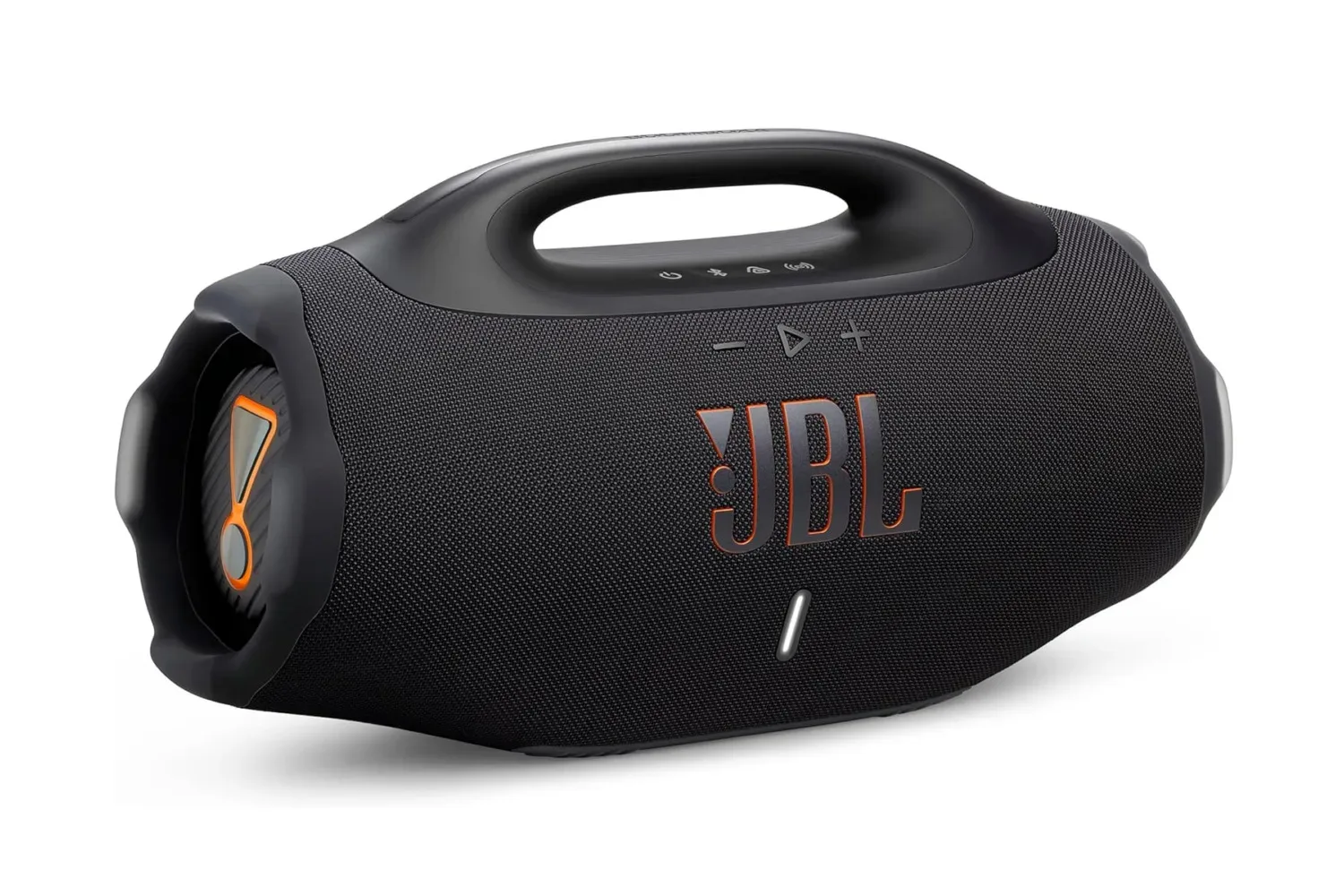
The JBL Boombox 4 is listed for $400, a $150 reduction from its stated $550 regular price. That works out to roughly 27% off, and the reported deal applies to the black, blue and squad color options.
For people building a living-room game-night setup, planning a backyard gathering, or simply wanting one speaker that can move from room to room without a permanent installation, the appeal is fairly direct: this is a large portable Bluetooth speaker positioned around long battery life, substantial bass hardware and outdoor-friendly protection. At $400, it is still a premium purchase, but materially less so than at $550.
There is one important shopping caveat. Retail pricing and inventory can change quickly, so the $400 figure should be treated as a listing price rather than a guaranteed ongoing offer. Prospective buyers should check the active price, color selection and delivery details before committing. The information available does not establish how long the reduction will remain available.
What the Boombox 4 says it brings to the table
JBL’s specified driver arrangement consists of two woofers, two tweeters and three passive radiators. The distinction matters because each component has a different job in a speaker system.
- Woofers are drivers designed to handle lower-frequency sound, where kick drums, bass lines and cinematic effects tend to sit.
- Tweeters cover higher-frequency detail, such as vocals’ edge, cymbal hits and the brighter elements of a soundtrack.
- Passive radiators do not use their own powered voice coils. Instead, they move in response to air pressure inside the enclosure, helping reinforce low-end output in a portable cabinet.
That configuration does not, by itself, prove how the Boombox 4 will sound in every room or outdoors. Speaker tuning, placement, source material and volume all affect the result. But it explains why bass is a central part of the product’s pitch: the unit is equipped with dedicated low-frequency drivers and multiple passive radiators rather than relying on a small full-range arrangement alone.
The speaker also has two selectable bass treatments: Deep Bass and Punchy Bass. In plain terms, the first is intended to emphasize lower, more sustained bass, while the second is aimed at a more forceful impact for energetic music. They are options rather than claims that one profile is universally better. A listener playing bass-heavy electronic music may prefer one balance, while someone prioritizing a sharper rhythmic hit may lean toward the other.
AI Sound Boost and USB-C lossless audio, explained
Another listed feature is AI Sound Boost, described as a system that analyzes audio in real time and adjusts the speaker for the best possible output. This is not a second music source or a separate surround-sound format. It is processing applied while content is playing, intended to tailor output based on the incoming signal.
The practical implication is straightforward: the speaker is designed to make ongoing adjustments instead of using one fixed presentation for every track. It is worth keeping expectations measured, though. The available information identifies the feature and its stated purpose but does not detail the exact adjustments it makes in particular songs, apps or volume ranges.
USB-C connectivity is also said to support lossless audio. “Lossless” describes audio that retains the information from the encoded recording rather than discarding data through lossy compression. Whether a listener benefits depends on the device, the connected audio source and the file or streaming format in use. Bluetooth convenience remains the key portable-speaker use case, while USB-C offers another route for those who want to connect a compatible device directly.
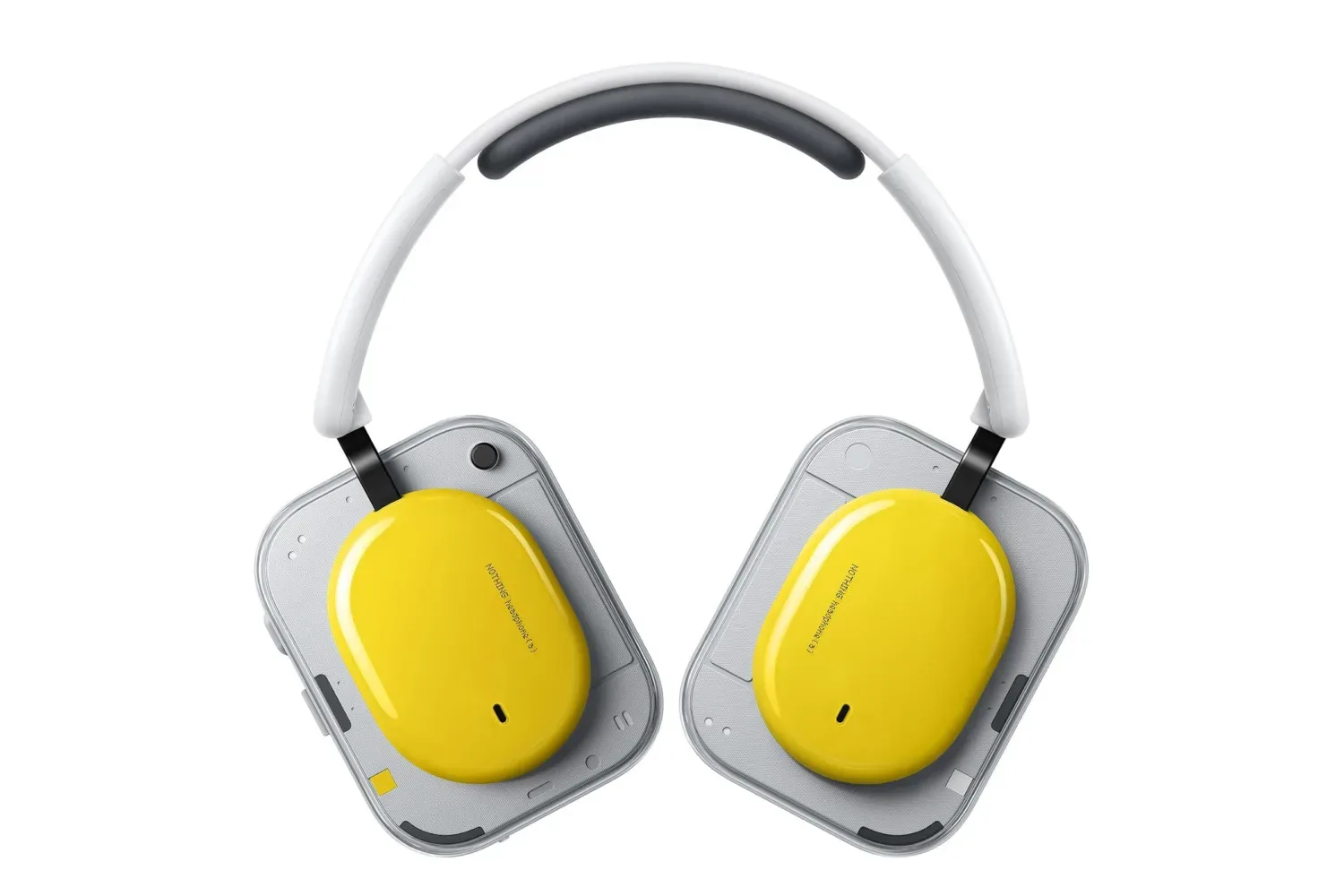
Buyers comparing portable audio options may also want to look at the broader headphone side of the category. Nothing Headphone (a) is listed at $109 with adaptive noise cancellation and up to 135 hours of battery life, though headphones and a party-oriented portable speaker obviously solve very different listening problems.
Battery claims: 28 hours, with a possible extension
JBL rates the Boombox 4 for up to 28 hours of playback per charge. It also lists Playtime Boost, which can add up to six hours, for a maximum stated figure of 34 hours.
“Up to” is significant wording in battery specifications. It communicates a maximum claimed scenario, not a promise that every session will reach that number. Loud volume, bass-heavy tracks, active processing and a device’s usage pattern can all influence how long a battery lasts in real life. Still, the stated baseline is substantial enough to make the speaker relevant for uses where access to a charger may be limited, such as a day outdoors or an extended social event.
Playtime Boost is therefore best viewed as a tool for extending a session when duration matters more than pursuing a particular sound setting. The details provided do not quantify its effect on audio output, so buyers who consider it essential should avoid assuming more than the advertised extra time.
IP68 is a meaningful durability specification
The Boombox 4 carries an IP68 rating for water and dust resistance. IP ratings are an ingress-protection classification: the first digit concerns resistance to solid particles such as dust, and the second addresses water protection. A rating of 6 for the first figure indicates a dust-tight level of protection, while 8 denotes protection for water immersion under conditions defined by the applicable standard.
That makes the rating relevant to a speaker expected to travel between patios, kitchens, poolsides and campsites. It is sensible protection for rain, splashes and dusty environments. It should not be read as a reason to treat a portable speaker casually around water; checking the manufacturer’s specific care guidance remains the safer approach.
For gaming, this is less about replacing a headset at a desk and more about flexibility. A speaker with a durable exterior and a claimed long runtime can fit a multiplayer gathering, a sports broadcast, a soundtrack during tabletop play or music between matches. Players who need private chat, positional cues or late-night volume control will still have reasons to choose headphones instead.
Who the $400 listing makes the most sense for
The Boombox 4’s feature list points toward buyers who prioritize portable scale, bass presence and endurance. The three-color availability is useful, but it is not the core value proposition. More consequential factors are the multi-driver design, the two bass modes, claimed USB-C lossless capability, IP68 rating and the stated 28-hour battery estimate.
It may be less compelling for someone who primarily listens alone at a desk, wants a tiny travel speaker, or already has a wired audio setup that fills their intended space. The product is explicitly a boombox-style portable speaker, and the $400 price should be evaluated against that role—not against the needs of a compact Bluetooth speaker buyer.
At the reported price, the basic math is easy: $150 off $550 is a sizable reduction for a product in this category. The more useful decision is whether its stated strengths align with the way it will actually be used. If the answer is long sessions, shared listening, stronger low-end emphasis and outdoor resilience, the Boombox 4’s current listing is worth a close look. If those features are not priorities, a lower-cost and smaller audio option may be the more sensible purchase even before any discount is considered.
Shop the products
Check current price, model and availability at the retailer.